Tag

Planetary Debris

All articles tagged with #planetary debris

Warwick Team Identifies First Green Star: A White Dwarf Glowing Chartreuse Due to Devoured Planets
science1 month ago

Warwick Team Identifies First Green Star: A White Dwarf Glowing Chartreuse Due to Devoured Planets

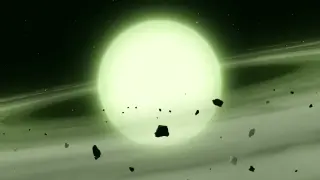
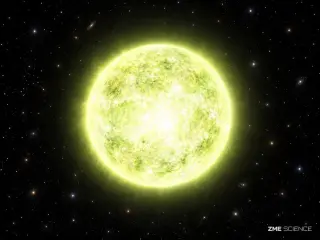
Astronomers have identified WD J1330+6435, a white dwarf located 280 light-years away, as the first star to appear green to the human eye. This 'dead' star glows a chartreuse hue because its ultra-dense atmosphere, rich in sodium and calcium, absorbs orange and violet light. The presence of lithium suggests the star has consumed rocky debris from its former planetary system, challenging the traditional view that stellar color is determined solely by temperature.

White Dwarf WD J1330+6435 Breaks Stellar Color Rules with Chartreuse Glow
science1 month ago

White Dwarf WD J1330+6435 Breaks Stellar Color Rules with Chartreuse Glow

Astronomers have identified WD J1330+6435 as the first star to appear green to the human eye, challenging the long-held belief that stellar color is determined solely by temperature. This white dwarf, located 280 light-years away, glows chartreuse due to a dense atmosphere rich in sodium, calcium, and lithium. These elements, likely accreted from destroyed planetary bodies, absorb orange and violet light, leaving a green hue. The study, published in RAS Techniques and Instruments, also reveals that other white dwarfs can appear pink, purple, or yellow, demonstrating that atmospheric chemistry can override thermal emission in determining a star's perceived color.

Warwick Astronomers Confirm First Green Star, Powered by Devoured Planets
science1 month ago

Warwick Astronomers Confirm First Green Star, Powered by Devoured Planets

A University of Warwick study identifies WD J1330+6435 as the first star to appear green to the human eye. The white dwarf’s color results from a dense atmosphere rich in sodium, calcium, and lithium, which absorbs orange and violet light. This material originates from rocky debris of destroyed planets. The research, published in RAS Techniques and Instruments, also identifies the reddest known star and suggests that roughly one in thirty nearby white dwarfs exhibits unusual colors, challenging the traditional view that stellar hue is determined solely by temperature.

Warwick astronomers identify first green star and reddest white dwarf via spectral analysis
science1 month ago

Warwick astronomers identify first green star and reddest white dwarf via spectral analysis

Astronomers at the University of Warwick have identified the first star to appear green to the human eye, a white dwarf named WD J1330+6435. Located 280 light-years away in the constellation Draco, this 'zombie' star glows green because sodium in its atmosphere absorbs orange light. The study also identified WD J1011+2845 as potentially the reddest star ever recorded, glowing salmon-pink due to carbon molecules. These findings challenge the traditional view that stellar color is determined solely by temperature, demonstrating that atmospheric density and accreted planetary debris can create unexpected hues.

White Dwarf WD J1330+6435 Reveals First-Ever Green Star
science1 month ago

White Dwarf WD J1330+6435 Reveals First-Ever Green Star

Astronomers have identified the first star to appear green to the human eye, a white dwarf named WD J1330+6435. This discovery, along with the reddest star ever recorded, challenges the traditional view that stellar color is determined solely by temperature. The findings suggest that dense atmospheres and accreted planetary debris can create unexpected hues like green, pink, and purple.

Metal-Scarred Cannibal Star: A Celestial Phenomenon Unprecedented in Astronomy
astronomy2 years ago

Metal-Scarred Cannibal Star: A Celestial Phenomenon Unprecedented in Astronomy

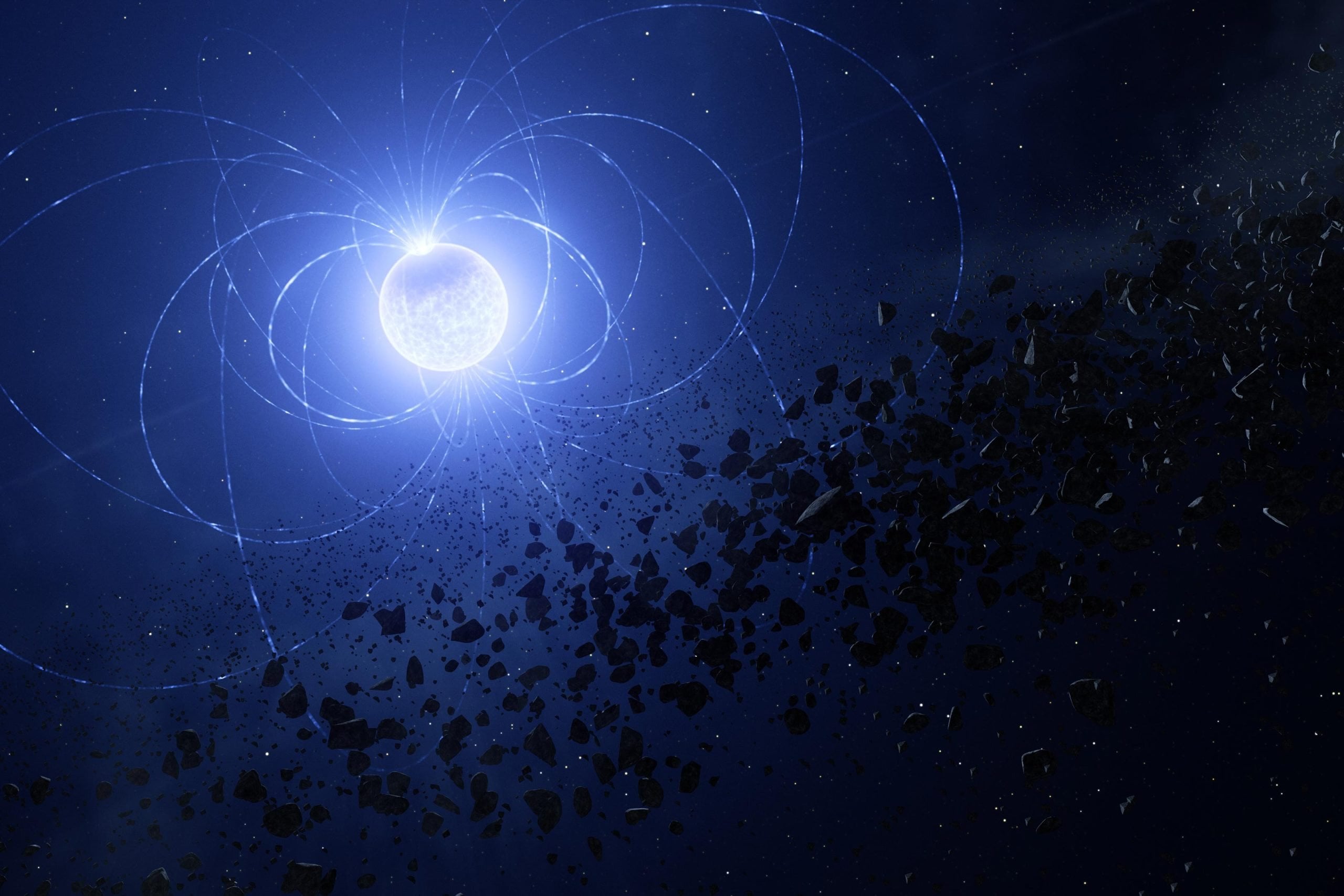
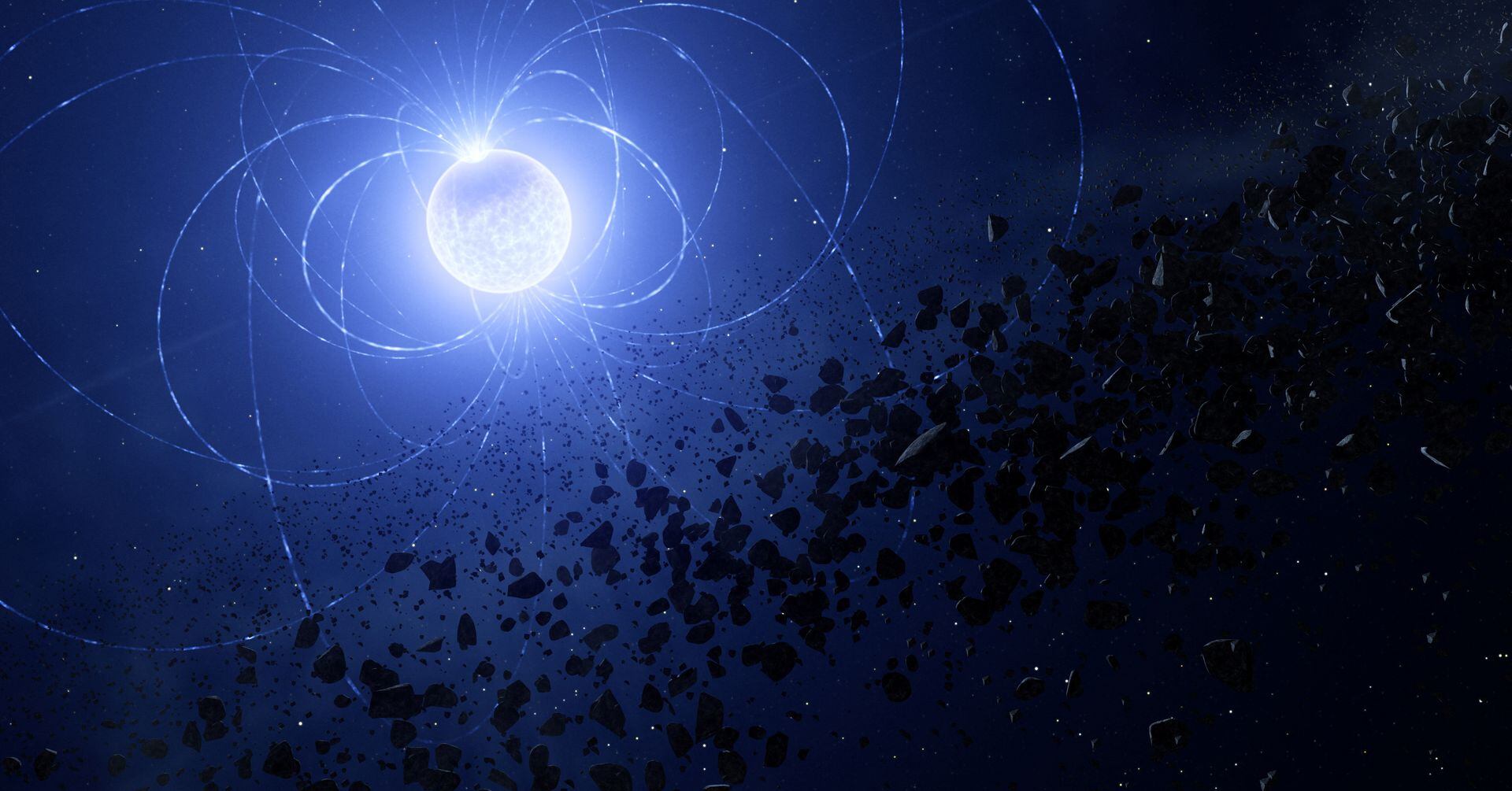
Astronomers using ESO's VLT have discovered a scar on the surface of a white dwarf star, WD 0816-310, caused by ingesting planetary debris, indicating the role of the star's magnetic field in this process. The scar is a concentration of metals from a planetary fragment, possibly as large as Vesta, and is located on one of the star's magnetic poles. This unique discovery sheds light on the dynamics of planetary systems even after the death of a star and provides insights into the bulk composition of exoplanets.

"Cannibal White Dwarf Star Bears Metal Scar from Planetary Feast"
astronomy2 years ago

"Cannibal White Dwarf Star Bears Metal Scar from Planetary Feast"

Astronomers using the Very Large Telescope have discovered a scar on the surface of a white dwarf star, WD 0816-310, caused by the star ingesting planetary debris. This unique signature, resulting from the cannibalization of planets and asteroids, is the first of its kind seen on a white dwarf. The scar is concentrated in a specific area and is held in place by the star's magnetic field. This discovery sheds light on the dynamics of planetary systems after the death of their host stars and demonstrates the power of the VLT instrument FORS2 in studying astronomical objects.

Metallic Scar: Astronomers Spot Cannibal Star with Unique Mark
astronomy2 years ago

Metallic Scar: Astronomers Spot Cannibal Star with Unique Mark

Astronomers using the Very Large Telescope have observed a scar on the surface of a white dwarf, indicating ingestion of planetary debris, shedding light on the behavior of "cannibal" stars. The scar, made up of metal elements from a planetary fragment or asteroid, was found to be prevented from mixing with the rest of the star's surface by its magnetic field. This discovery provides insight into the fate of our own solar system, as our sun is expected to become a white dwarf in about 5 billion years.

Unprecedented Planetary Debris Photo Surfaces.
space3 years ago

Unprecedented Planetary Debris Photo Surfaces.

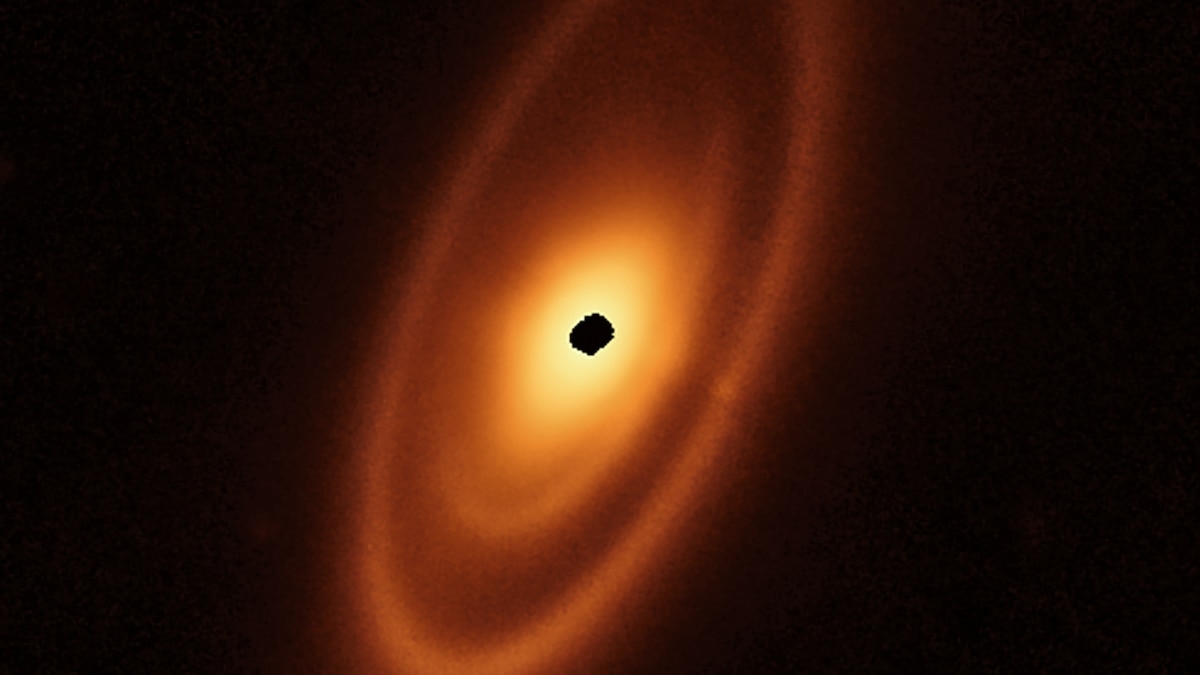
The James Webb Space Telescope has captured stunning images of three nested, dusty debris belts orbiting the young star Fomalhaut. The inner belts are believed to have been carved out by the gravitational forces of unseen planets. The belts extend out to 14 billion miles from the star and provide new insights into the formation of planetary systems.