Brain Chemicals Tune Reward Motivation via Retrograde Signaling
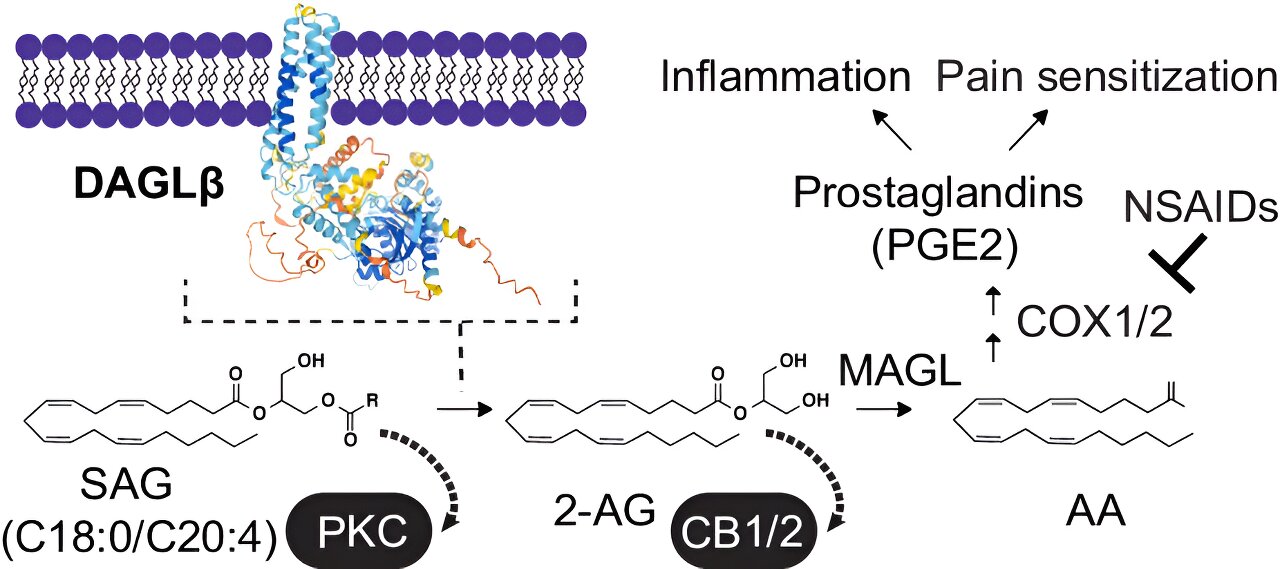
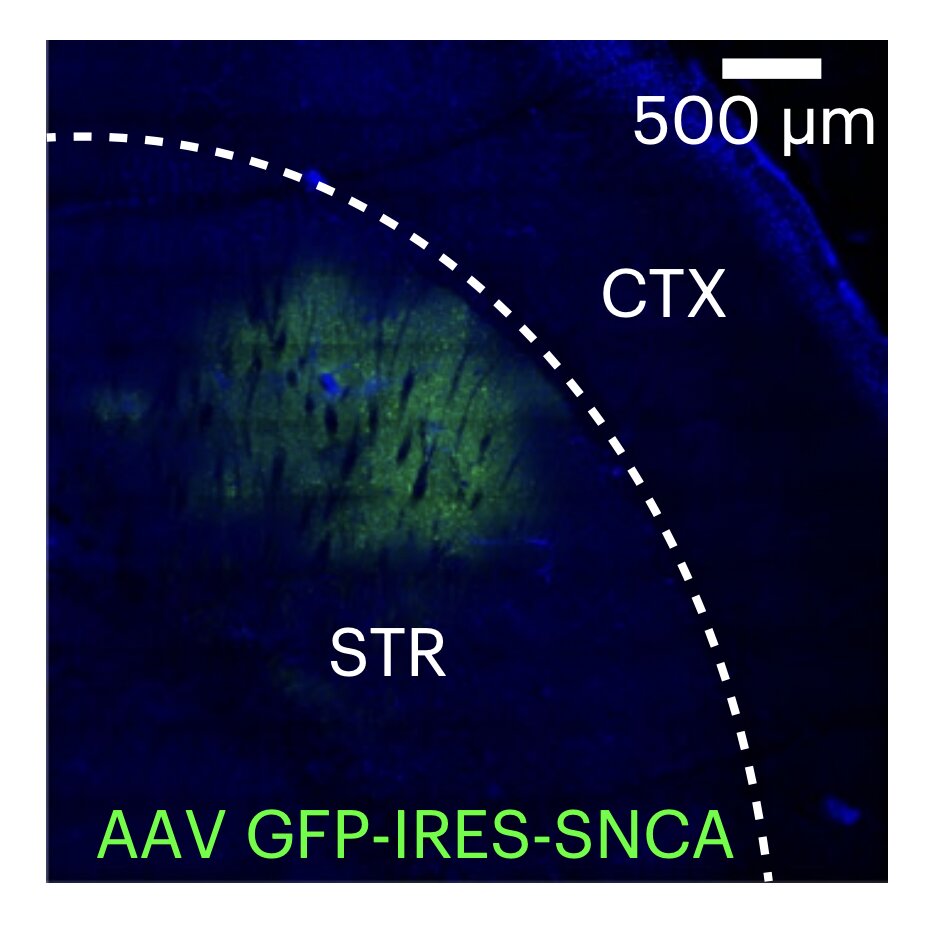
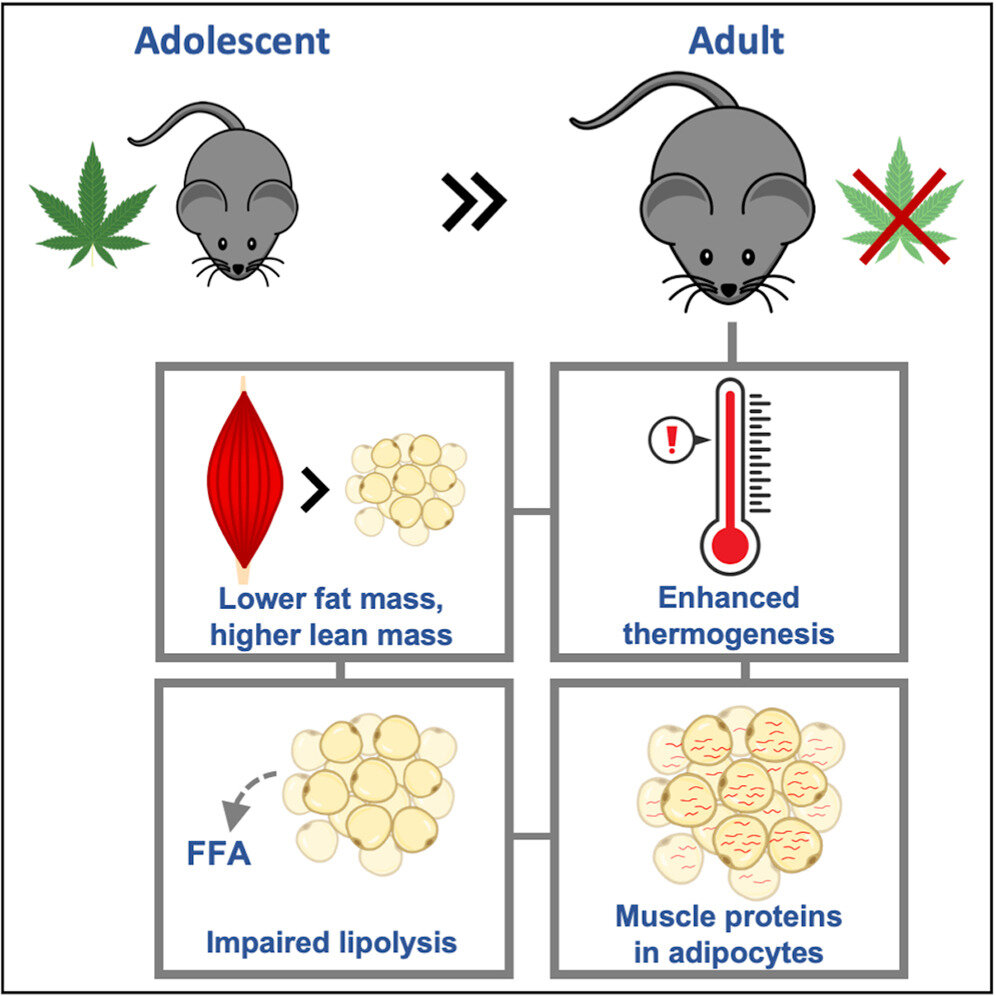
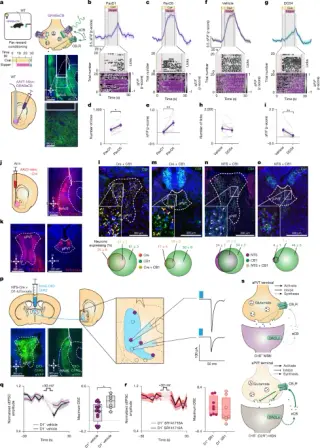
New research in Nature reveals that endocannabinoids act as a retrograde gain control mechanism to facilitate reward-seeking behavior. By inhibiting glutamate release from the paraventricular thalamus to the nucleus accumbens, these signaling molecules help animals engage with rewards. The study identifies a specific circuit involving penk-expressing neurons, demonstrating that dynamic endocannabinoid release is crucial for motivated behavior in freely moving mammals.