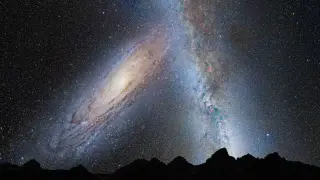
A 2025 study suggested a 50% chance of the Milky Way and Andromeda merging within 10 billion years, but a 2026 follow-up raised that probability to 90% using updated motion data.
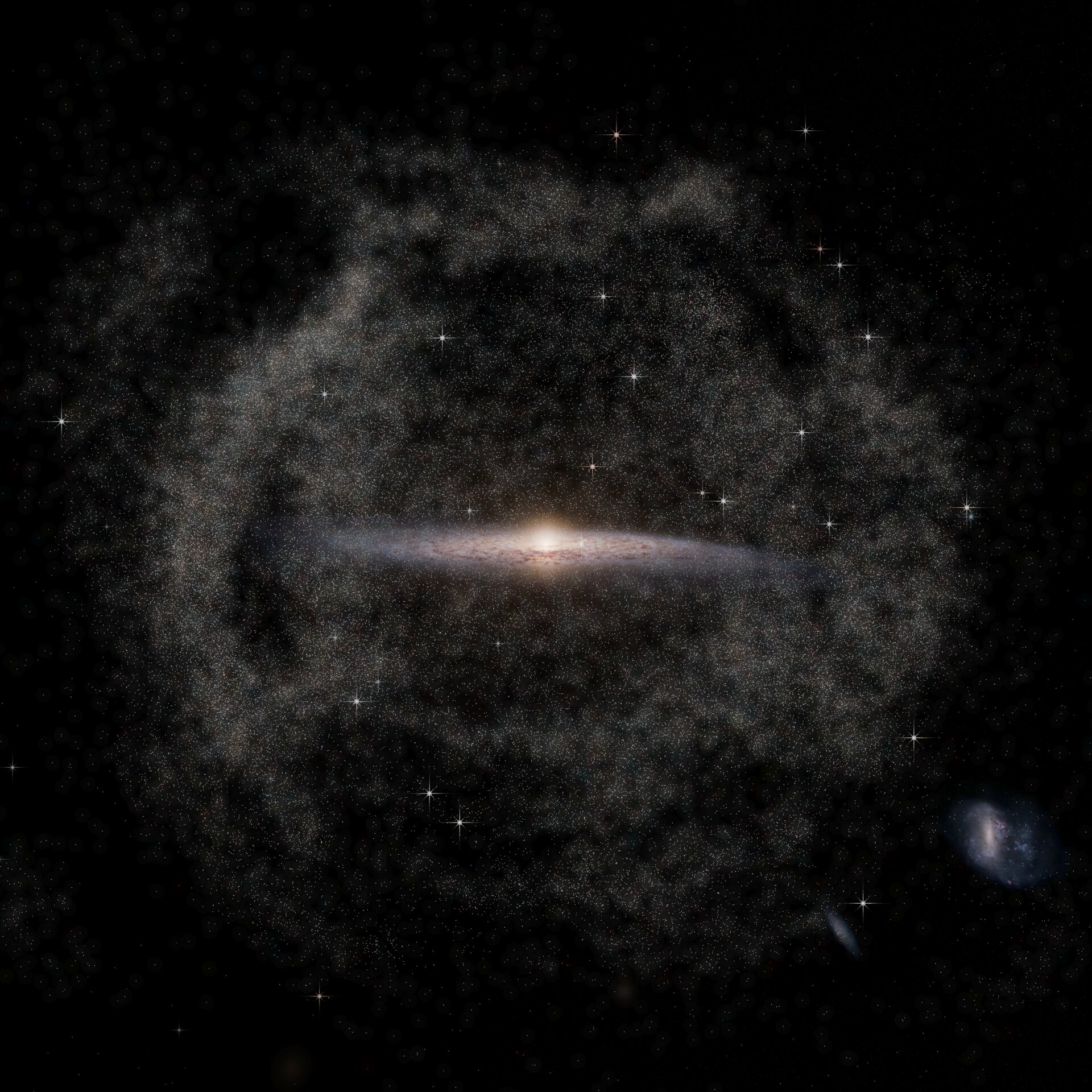
Durham University researchers using supercomputer simulations say the Milky Way was probably rotated by more than 90 degrees in a head-on collision with the Gaia Sausage dwarf galaxy about 10 billion years ago, a gradual 'disc flip' that unfolded over hundreds of millions of years and helps explain the slow rotation of halo stars observed by Gaia; future mergers like Sagittarius and the Large Magellanic Cloud are unlikely to cause as dramatic a reshaping.
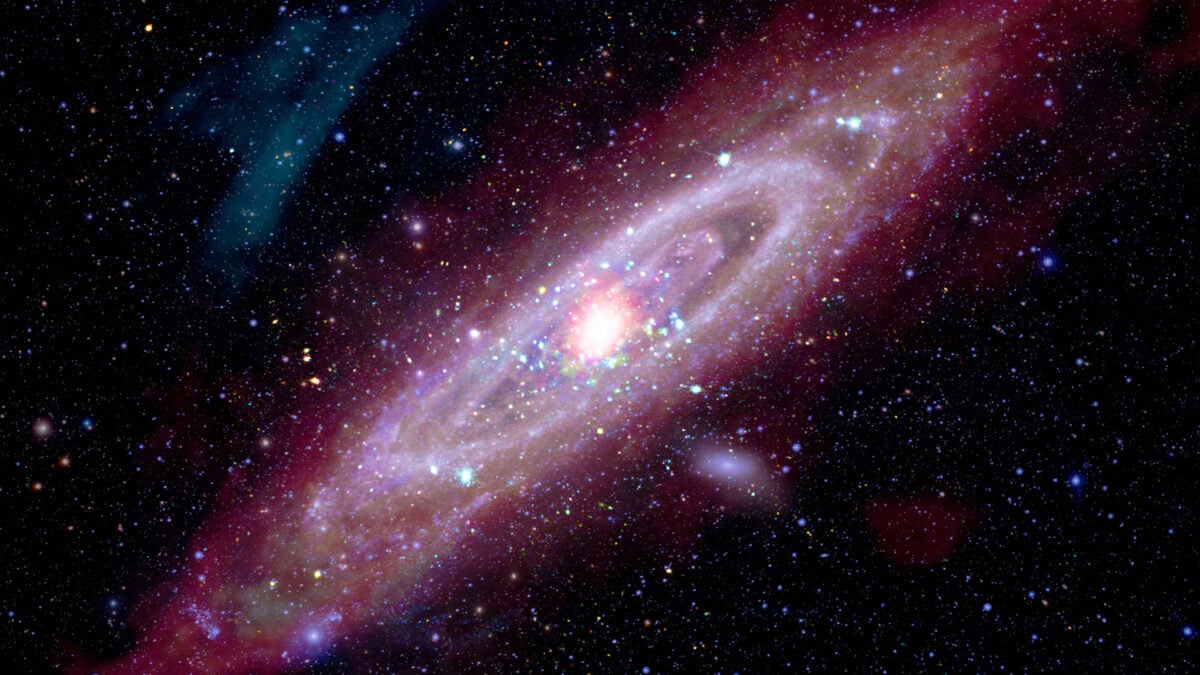
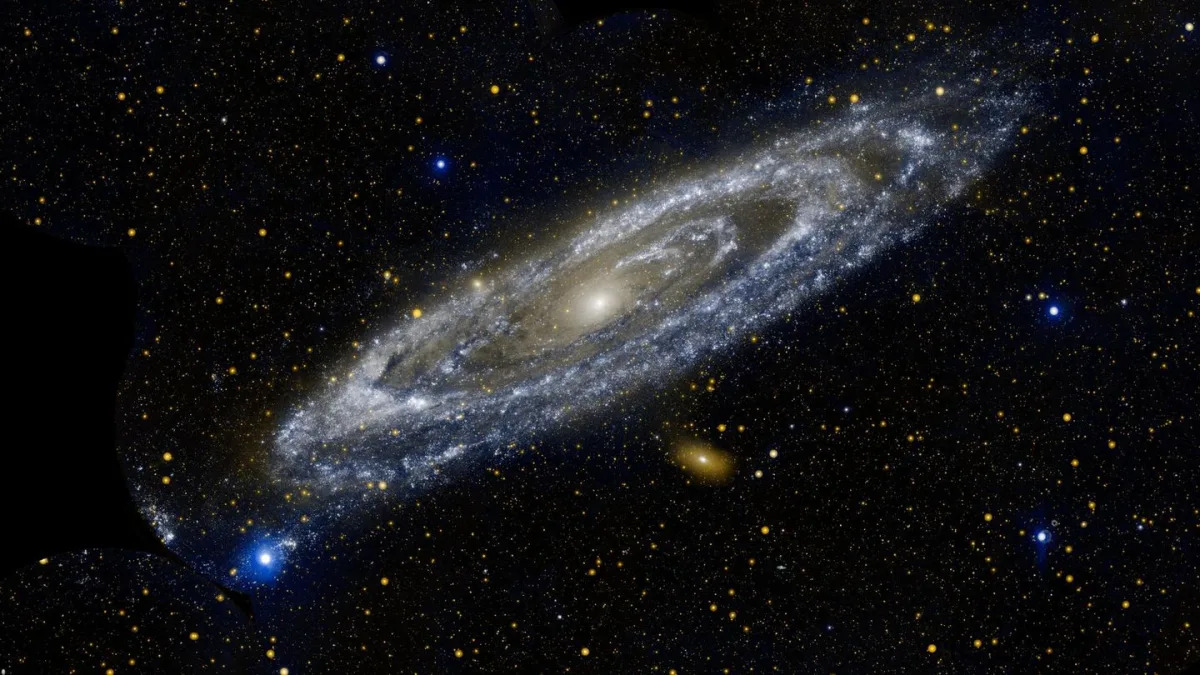
New detailed composite images of the Andromeda Galaxy, created using five different wavelengths of light, reveal stunning details and high-energy phenomena, including data from NASA and ESA telescopes, and celebrate astronomer Vera Rubin's contributions to dark matter research.
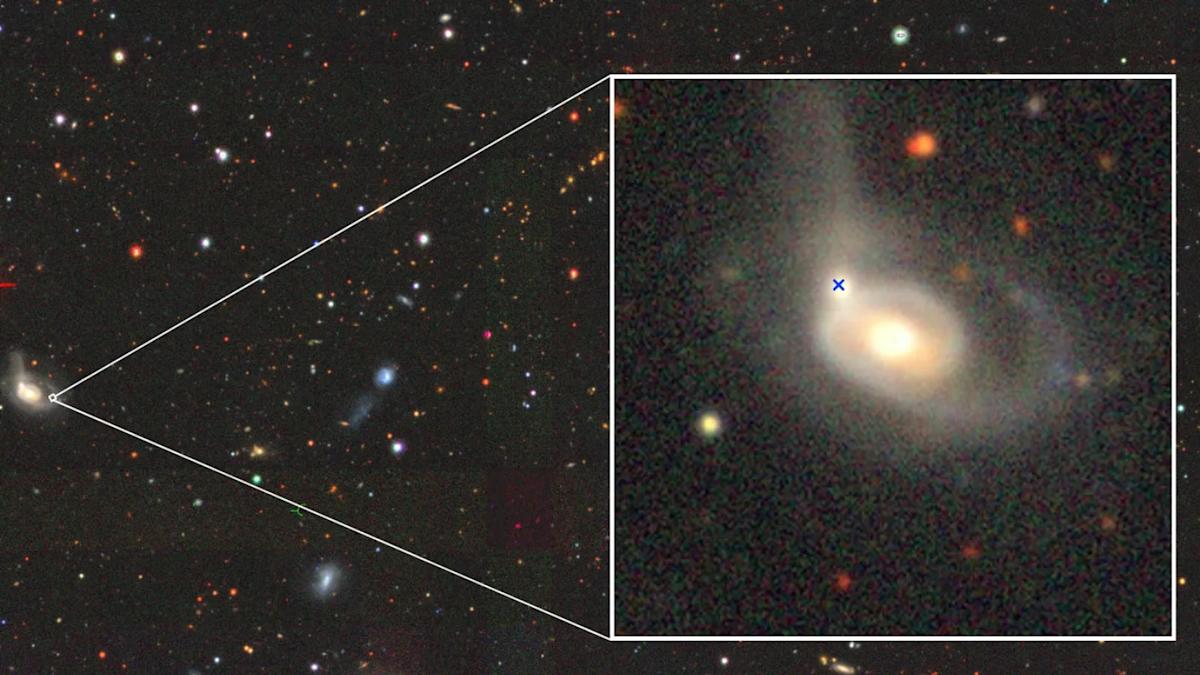
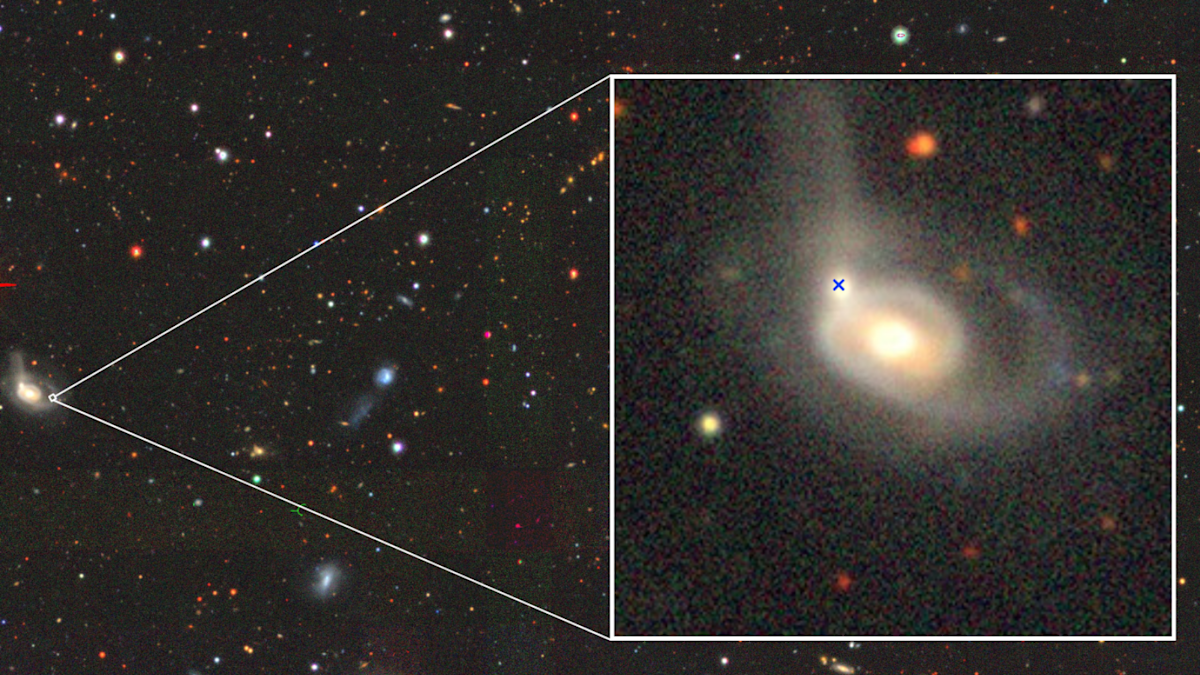
Astronomers observed a rare tidal disruption event (TDE) where a supermassive black hole in a merging galaxy tore apart a star, producing unusual light and spectral features, providing new insights into black hole-star interactions during galaxy mergers.
Astronomers observed a rare tidal disruption event (TDE) where a supermassive black hole in a merging galaxy tore apart a star, producing unusual light and spectral features, providing new insights into black hole-star interactions during galaxy mergers.
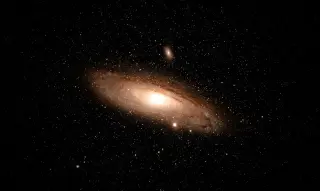
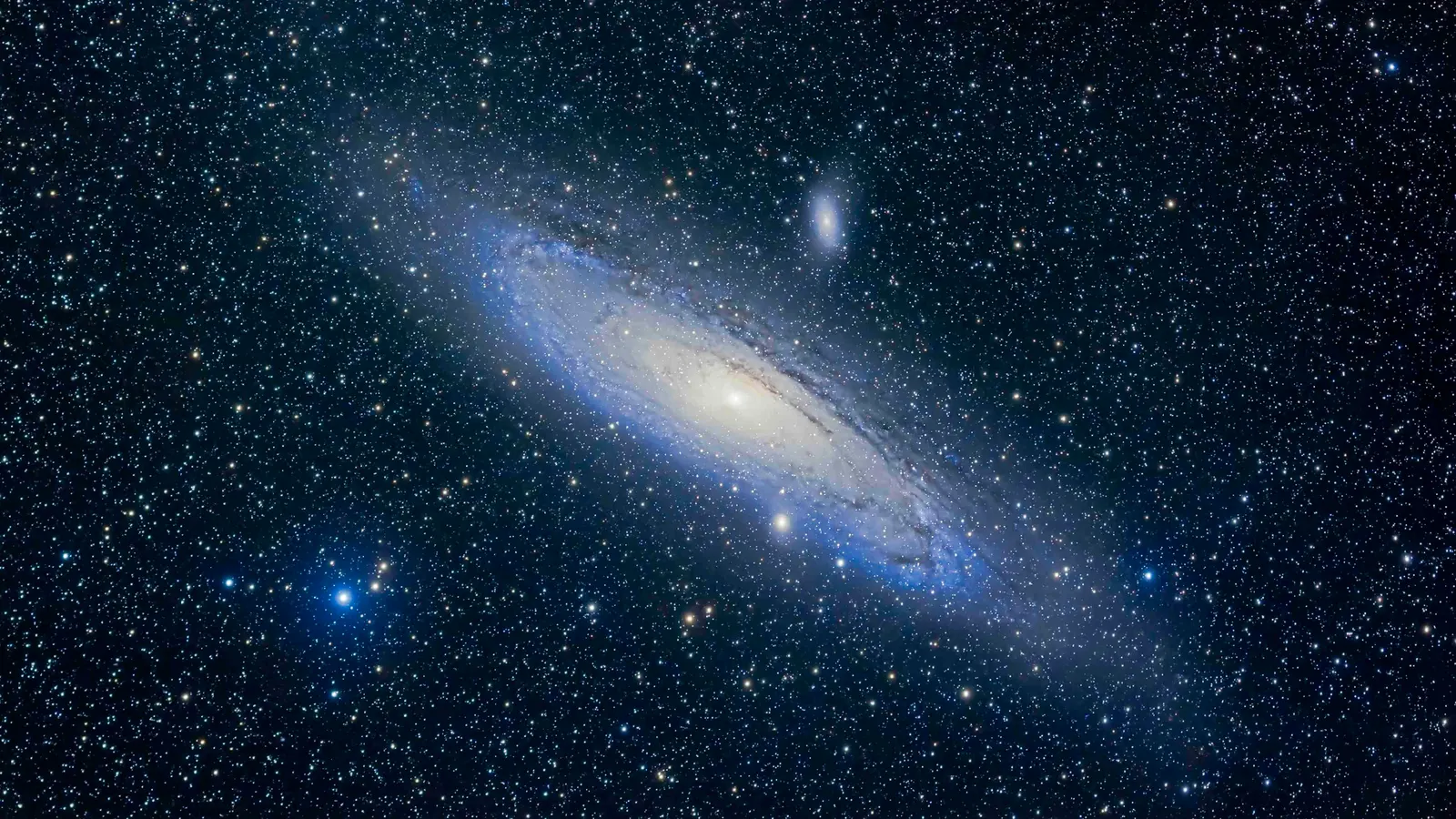
The Andromeda Galaxy, also known as M31, was identified as a separate galaxy from the Milky Way by Edwin Hubble 100 years ago, expanding our understanding of the universe. Located 2.5 million light-years away, Andromeda is on a collision course with the Milky Way, expected to merge in about four billion years. Recent studies suggest the galaxies may have already begun interacting. Andromeda is the easiest galaxy to spot in the night sky, visible with binoculars by locating the constellation Cassiopeia and the "Great Square" of Pegasus.
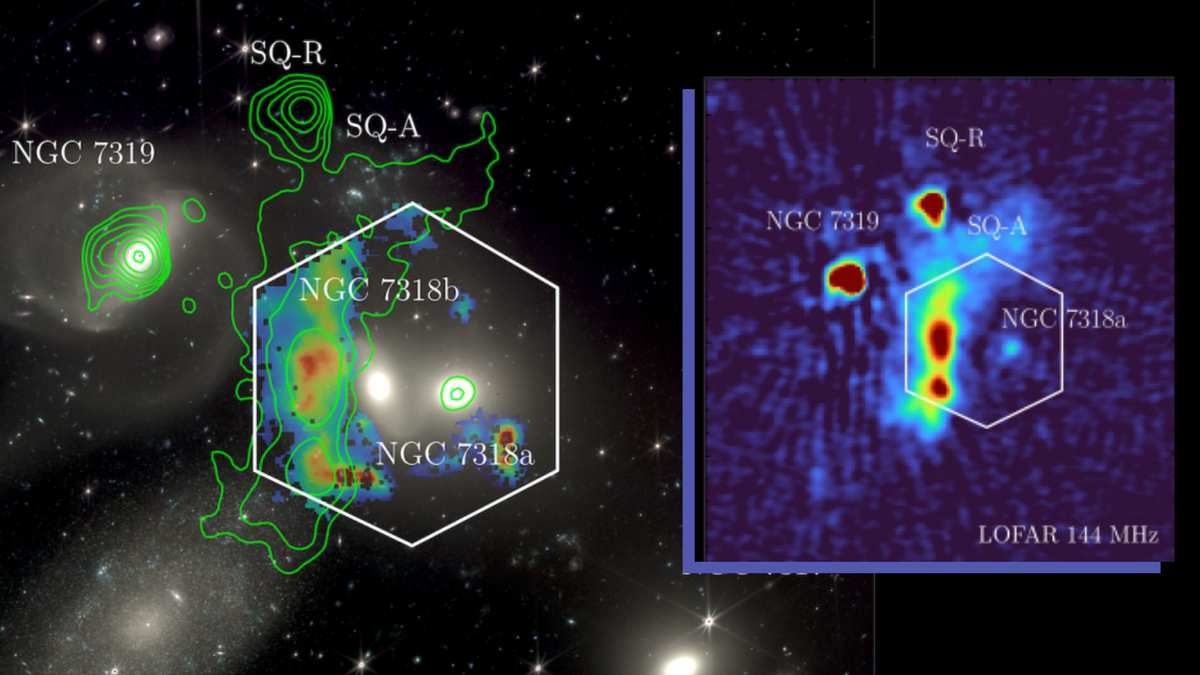
Astronomers have observed a dramatic 2-million-mile-per-hour collision involving the galaxy NGC 7318b at Stephan's Quintet, a site known for previous galactic smash-ups. This event, captured using the WEAVE spectrograph and data from the James Webb Space Telescope and LOFAR, has reawakened the dynamic activity in the region, creating a powerful shockwave. The collision provides insights into the formation and evolution of galaxies, with the findings published in the Monthly Notices of the Royal Astronomical Society.
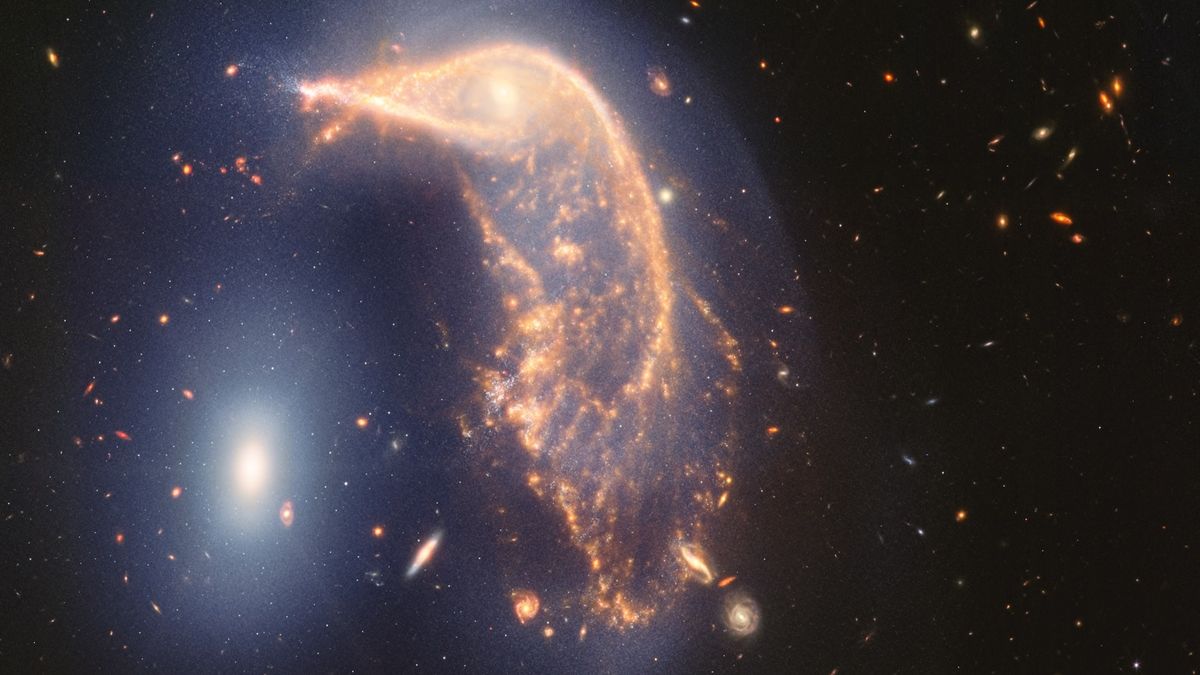
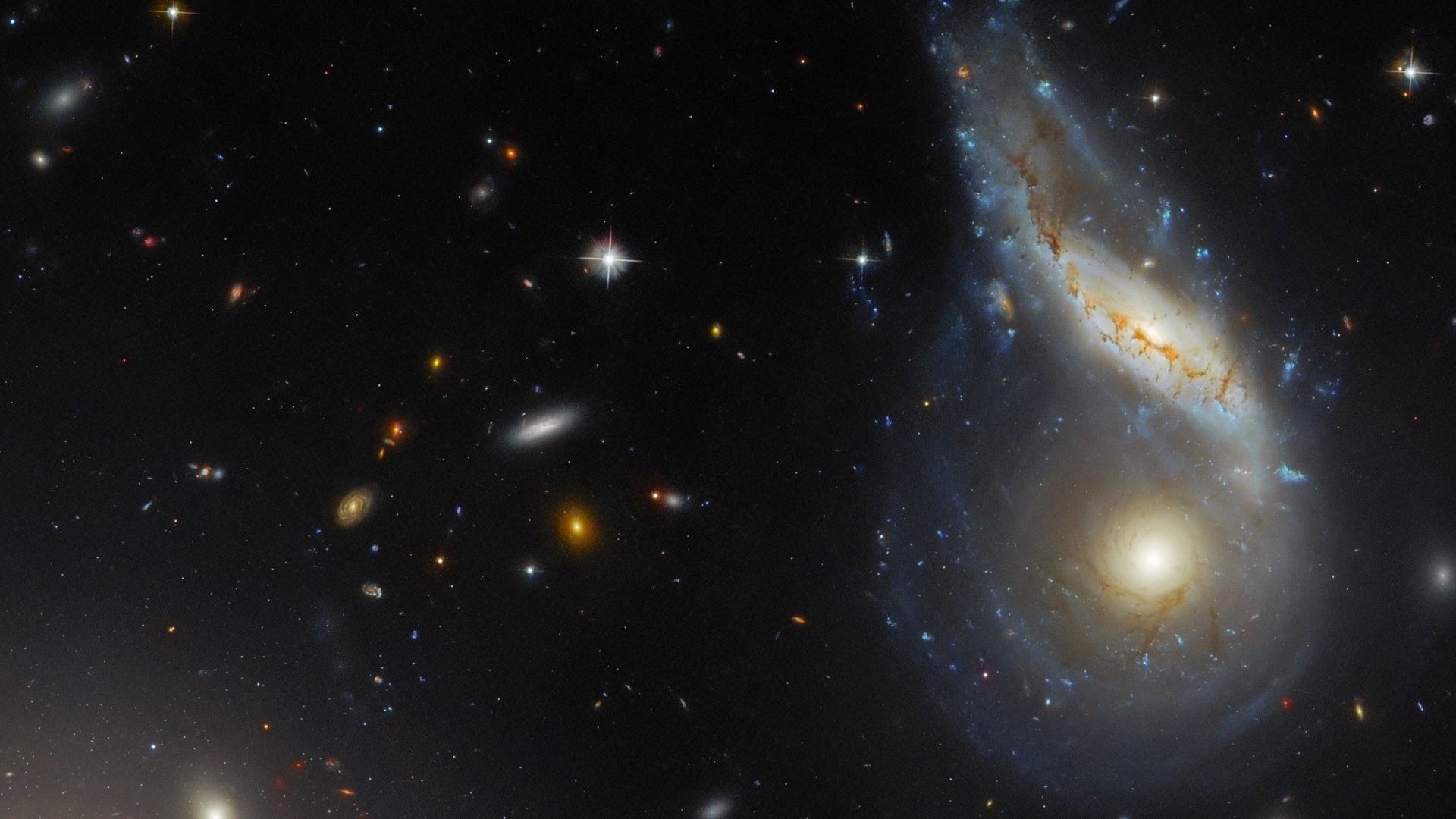
The James Webb Space Telescope has captured a stunning image of the colliding Penguin and Egg galaxies, known as Arp 142, located 325 million light-years away in the constellation Hydra. The larger Penguin galaxy, originally a spiral galaxy, has been warped by gravitational friction with the smaller Egg galaxy over 25 million years. This new image, combining data from JWST's Near Infrared Camera and Mid-Infrared Instrument, marks the telescope's two-year anniversary and highlights its transformative impact on our understanding of the universe.
ESA's Gaia space telescope has revealed that the Milky Way's last major collision, known as the Virgo Radial Merger, occurred around 2.7 billion years ago, much more recently than previously thought. This finding challenges earlier beliefs that the last significant merger happened 8 to 11 billion years ago and suggests that many of the stars in the Milky Way's halo were acquired from this more recent event.
Hypervelocity stars, capable of traveling at speeds exceeding 1,000 kilometers per second, may be escaping from the Milky Way and heading towards the Andromeda galaxy. This intergalactic exchange of stars is a prelude to the eventual collision between the Milky Way and Andromeda, which is predicted to occur in roughly 5 billion years. The study suggests that some hypervelocity stars originating from Andromeda may already be migrating towards the Milky Way, potentially altering our galaxy's composition in the distant future.
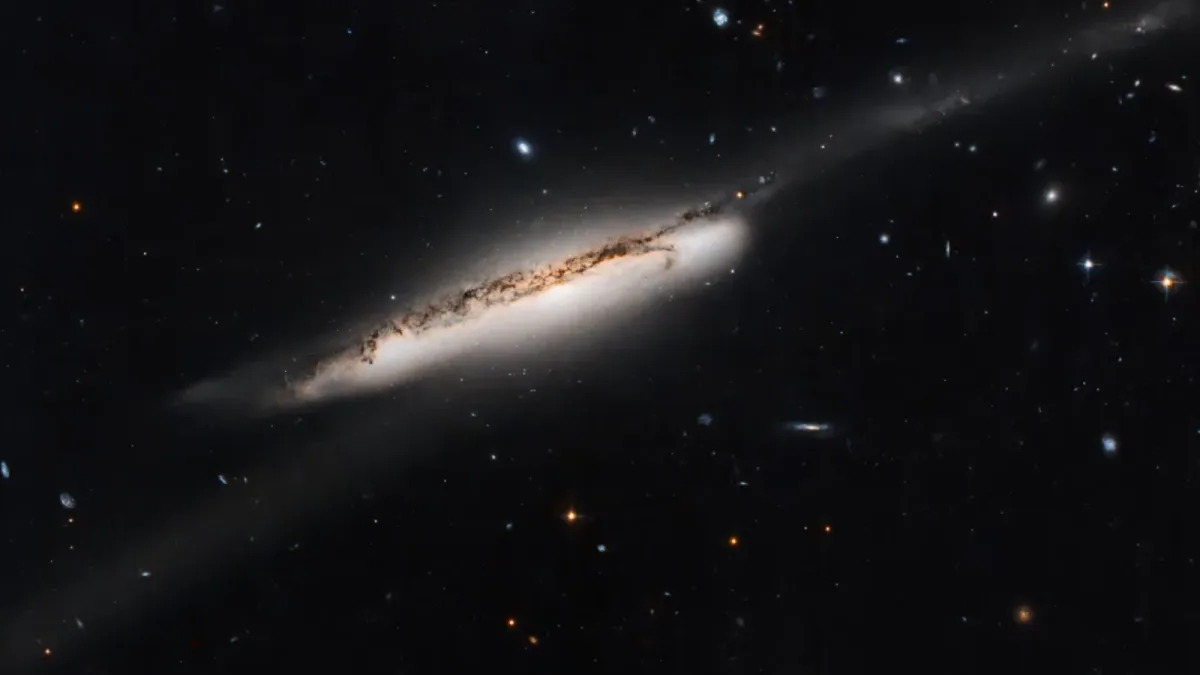
The Hubble Space Telescope captured a striking image of a "bridge of stars" connecting two galaxies in a galactic grouping, hinting at the potential fate of our own Milky Way when it collides with the Andromeda galaxy in 4 billion years. The image showcases the gravitational interaction between galaxies, leading to the formation of a streamer of stars and eventual collision and merger. This observation provides astronomers with insights into the future of our galaxy and the potential impact on the solar system.
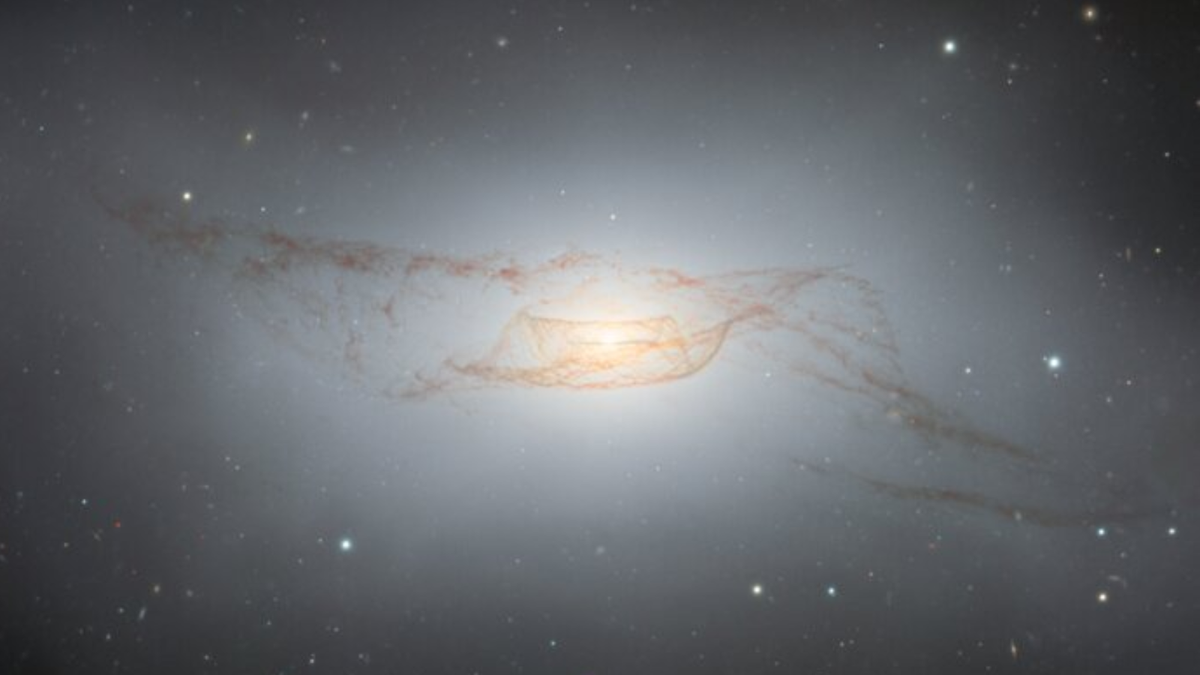
Astronomers using the Gemini South Telescope have studied the aftermath of a violent galactic collision that occurred over 1 billion years ago, revealing the twisted galactic disk of the lenticular galaxy NGC 4753. The collision with a smaller dwarf galaxy 1.3 billion years ago left NGC 4753 with a peculiar twisted shape, resembling a "train-wreck galaxy." The intricate dust tracks and star formation in NGC 4753 provide insight into the dynamics of galactic collisions, with differential precession winding the dust into its current shape. This unique perspective from Earth offers a detailed view of the aftermath of cosmic collisions, shedding light on the complex evolution of galaxies.
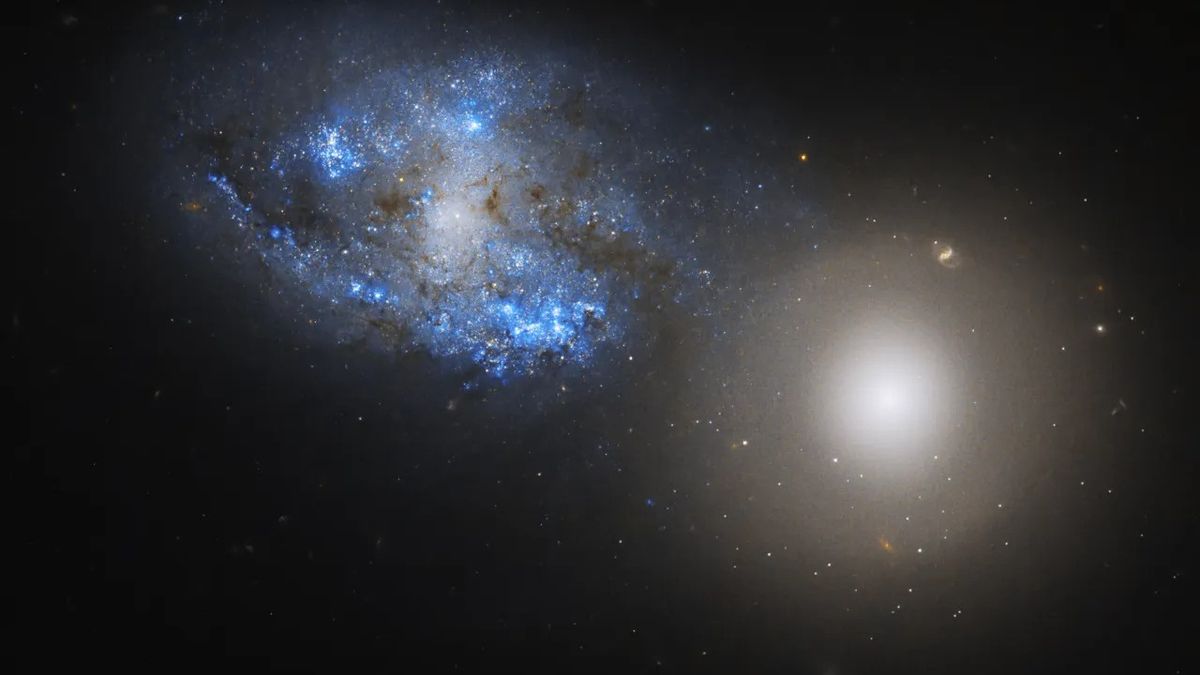
NASA has transformed the Hubble Space Telescope's new image of the merging galaxies NGC 274 and NGC 275 into a beautiful melody using data sonification, where colors are assigned pitches. The higher tones represent the blue light from NGC 275, emitted by newly formed stars due to the galactic collision, while the lower tones represent the older stars of NGC 274. The image captures the intricate structures of the galaxies, with NGC 274 being a lenticular galaxy and NGC 275 being a barred spiral galaxy.
The Hubble Space Telescope captured an image of a "monster merger" of two galaxies, Arp 122, about 570 million light-years from Earth, potentially forecasting the fate of the Milky Way. Galactic collisions and mergers, such as the one depicted, may result in a single, merged galaxy, with the Andromeda Galaxy expected to collide with the Milky Way in about four billion years. The slow, monumental events take hundreds of millions of years to unfold, ultimately reshaping the structure of the colliding galaxies.
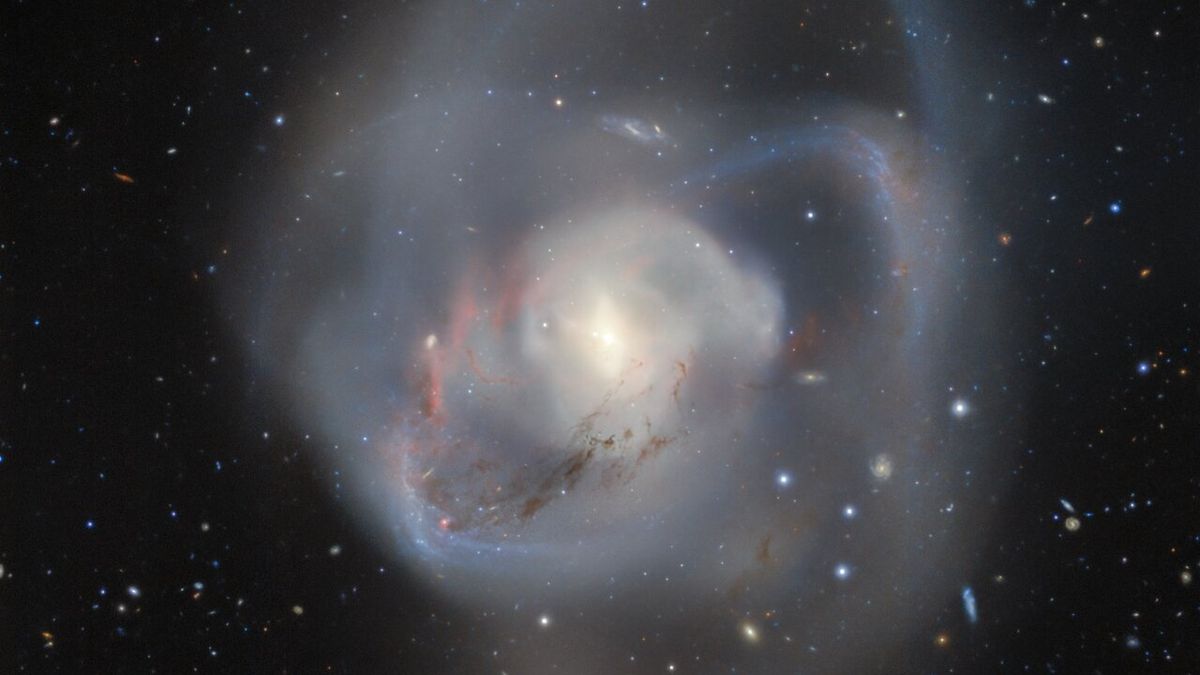
Astronomers have discovered a pair of supermassive black holes in the aftermath of a galactic collision that occurred around a billion years ago. Located 90 million light-years away, these black holes have masses of 154 million and 6.3 million times that of the sun. They are currently orbiting each other and will eventually merge, creating an even stronger supermassive black hole. The discovery provides insight into the future collision between the Milky Way and Andromeda galaxies. The chaotic state of the galaxy NGC 7727, resulting from the collision, offers a glimpse of what our own galaxy will look like in 4.5 billion years.