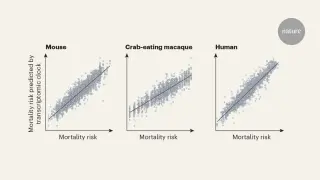
Nature News & Views describes Tyshkovskiy et al.’s cross-tissue, cross-species transcriptomic model that estimates chronological age and predicts mortality from RNA data across four mammalian species, revealing universal ageing hallmarks and potentially accelerating anti-ageing interventions.
Scientists identify a conserved set of SP genes that govern limb regeneration across axolotls, zebrafish, and mice. By using a zebrafish-derived enhancer to drive a viral delivery of FGF8, they partially restore digit bone regrowth in mice, showing that reactivating the epidermal SP program can trigger regenerative pathways. While not yet applicable to full human limbs, this work provides a foundational gene-therapy approach that could complement bioengineered scaffolds and stem-cell strategies in the long term, moving toward true limb restoration rather than prosthetics.
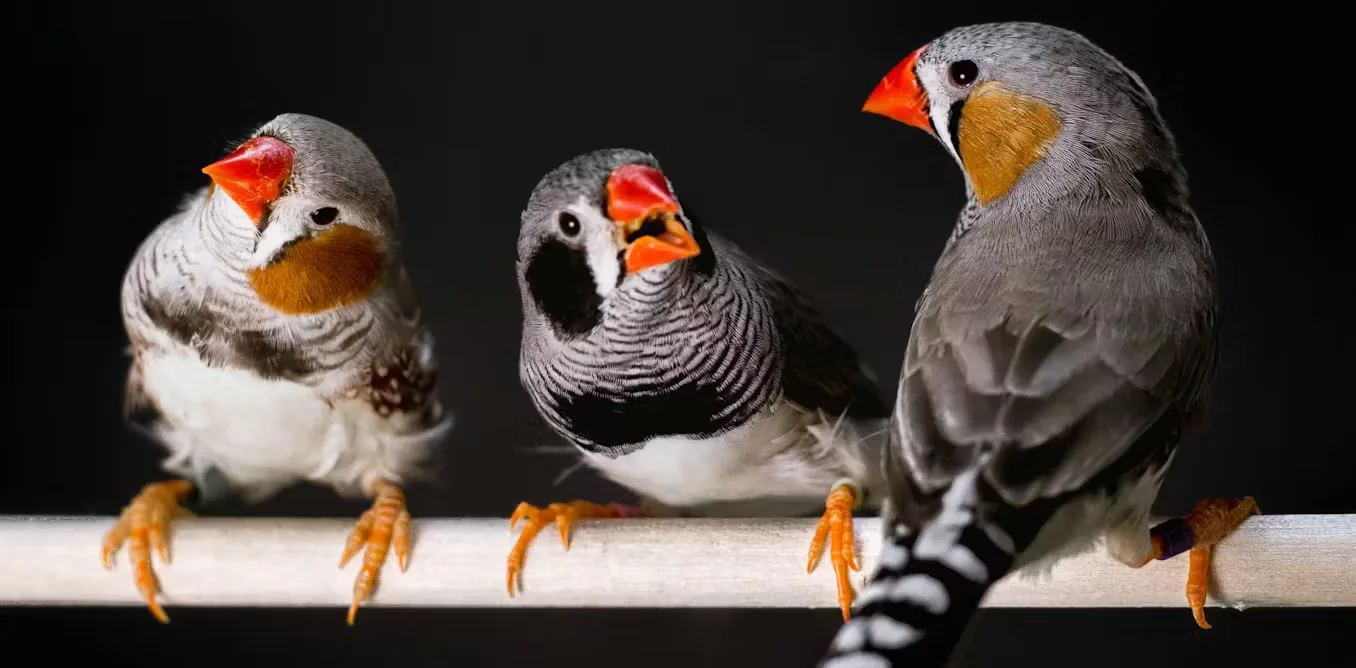
A global online experiment with 4,000+ participants tested whether humans' sound preferences align with those of other animals when judging mating calls from 16 species. Using audio recordings manipulated to isolate traits, the study found a broad overlap: humans tended to pick calls that animals also prefer, and when they did, choices were about 50 milliseconds faster. Both groups favored acoustic adornments and ancestral sounds, though humans showed a stronger preference for lower pitches; factors like training or occupation did not predict alignment. The authors conclude the results broadly support Darwin's idea that a common sensory basis underlies aesthetic taste across species, while noting limits and proposing future research.
A global experiment analyzed 110 sound pairs from 16 species (birds, frogs, insects, mammals) and found that about 4,000 human listeners tended to prefer the same calls animals use to attract mates. The stronger the animal preference, the more likely humans agreed, and participants were faster to pick the preferred sounds, suggesting shared neural processing in sound perception. The researchers note many questions remain, including why some humans still disagree and whether similar cross-species preferences exist for visuals or smells.
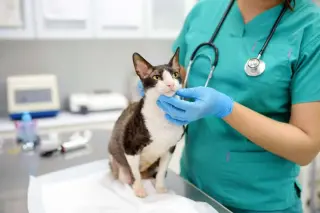
An international study published in Science maps the first large-scale genetic landscape of domestic-cat cancers, revealing shared driver genes with humans and dogs—most notably FBXW7 in feline mammary tumors—and suggesting cross-species insights for prevention and therapy; preliminary data also hint that FBXW7 mutations influence chemotherapy responses, and a public data resource has been released to advance feline oncology and its relevance to human cancer under a One Medicine approach.
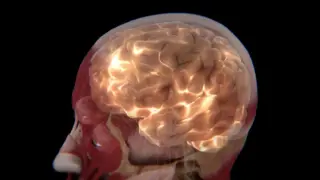
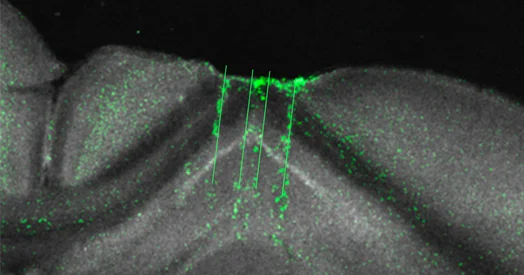
A new cross-species preprint shows the hippocampus encodes both the identity of auditory sequences and how often they occur, enabling passive statistical learning in humans and mice. Blocking dorsal CA1 disrupts passively learned rules and generalizations without harming task performance, while neurons rapidly encode both sequence structure and statistics in separate patterns. The findings support the hippocampus as a general-purpose statistical learning machine, potentially via distinct pathways from the entorhinal cortex to CA1 (monosynaptic) and through the trisynaptic circuit (DG→CA3→CA1).
A Science study analyzing nearly 500 feline tumors from five countries across 13 cancer types finds genetic similarities with human cancers, notably FBXW7 mutations in feline mammary tumors that mirror aggressive human cases; two chemotherapy drugs show promise against these tumors in cats, suggesting a potential path for new treatments in humans and enabling faster veterinary testing—highlighting cats as a valuable model for cancer biology and shared environmental factors.
The author argues that neuroscience, despite vast cross-species data, remains fragmented into species-specific frameworks, hindering the discovery of general brain principles. She calls for making cross-species dialogue a core organizational principle, using differences between species (such as how hippocampal theta appears across rodents and humans) to constrain and refine theory rather than treat them as anomalies. The piece also urges frameworks that link signals across scales, reforms in training and conferences, and funding and publication practices that reward cross-species theory testing rather than single-model optimization.
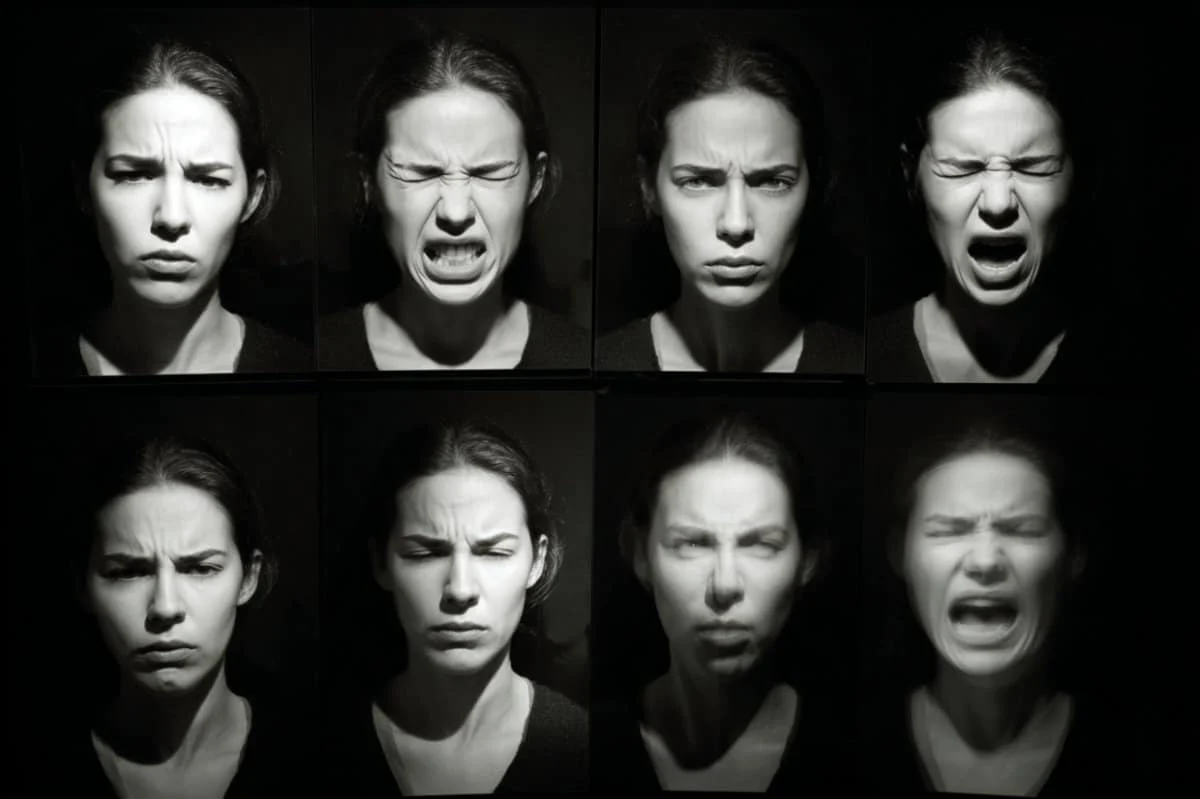
Research demonstrates that facial expressions can reveal internal cognitive states and predict task performance in macaques and mice, suggesting potential applications in diagnosing conditions like autism, ADHD, and dementia in humans, pending further validation.
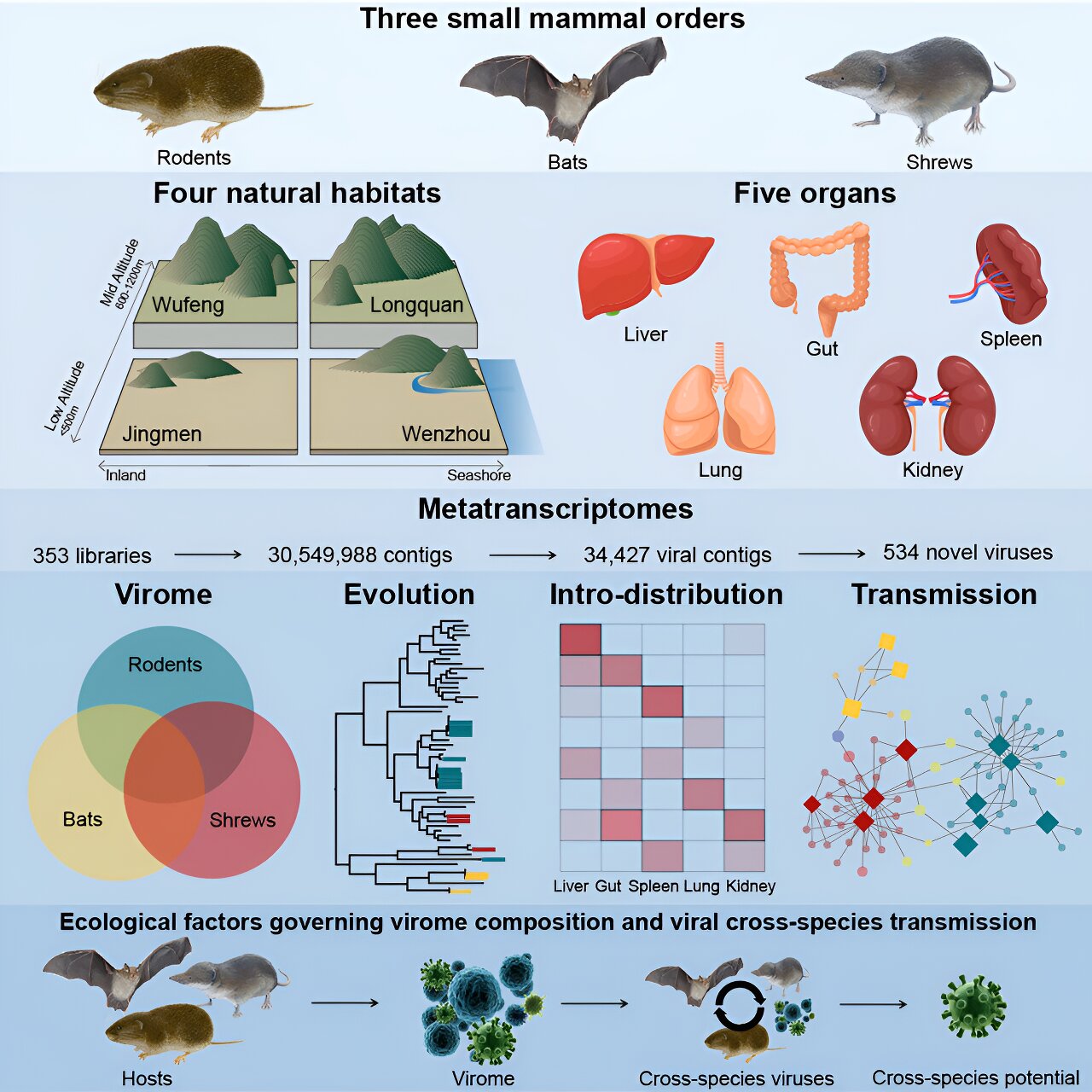
A research study led by multiple institutions in China has identified 669 viruses, including 534 novel viruses, in small furry animals such as bats, rodents, and shrews. The study provides evidence of cross-species virus transmission, indicating that these viruses can move between different animal species, potentially including humans. The identification of previously unknown coronaviruses and orthorubulaviruses expands our knowledge of the mammalian virome. The study also reveals insights into the evolution of viruses and highlights the role of host traits in shaping virome composition and virus transmission. Shrews were found to harbor the most viruses, while bats had the highest richness overall.