Tag

Genome Engineering

All articles tagged with #genome engineering

New transposon tool maps essential phage genes and accelerates viral engineering
science17 days ago

New transposon tool maps essential phage genes and accelerates viral engineering

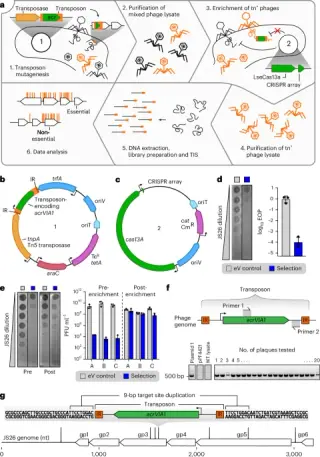
Researchers at the University of Otago developed 'phage Tn-seq,' a method that uses transposon mutagenesis and anti-CRISPR selection to identify essential genes in diverse bacteriophages. The technique also allows rapid insertion of new genetic cargo, such as fluorescent markers or anti-defense proteins, into phage genomes within days, overcoming previous barriers in phage engineering and functional genomics.
Prime assembly enables large-scale, precise gene editing in non-dividing cells
science-and-technology26 days ago

Prime assembly enables large-scale, precise gene editing in non-dividing cells

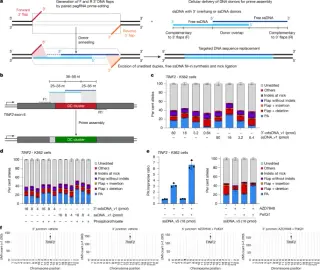
Researchers at Boston Children's Hospital have developed 'prime assembly,' a new genome engineering method that allows for the precise insertion of large DNA sequences into human cells without requiring double-strand breaks or active cell division. Published in Nature, the technique uses CRISPR-targeted flap synthesis to assemble and integrate medium-to-large genomic modifications, offering a potential solution for correcting diverse mutations in genetic disorders. The method demonstrated high specificity and efficiency in primary human cells, including hematopoietic stem and progenitor cells, and outperformed existing platforms in benchmarking tests.

science3 months ago

Lab-Built Droplet Signals Growth and Division, Nudging Synthetic Life Forward

University of Minnesota synthetic biologist Kate Adamala and team created SpudCell, a lab-made droplet of 150–200 molecules carrying a 36-gene, 90,000-base-pair genome that can feed, grow, copy DNA, and divide about every 12 hours at 30°C. However ribosomes degrade over time and only about 30% of instances retain the full genome after five divisions, and the system is not yet a living cell. The work led to Biotic, a new initiative with $10 million in seed funding to advance synthetic cell development, with potential future applications in cancer therapies, carbon capture, and chemical manufacturing.

"Genome Engineering Tool: Beyond CRISPR"
science-and-technology2 years ago

"Genome Engineering Tool: Beyond CRISPR"

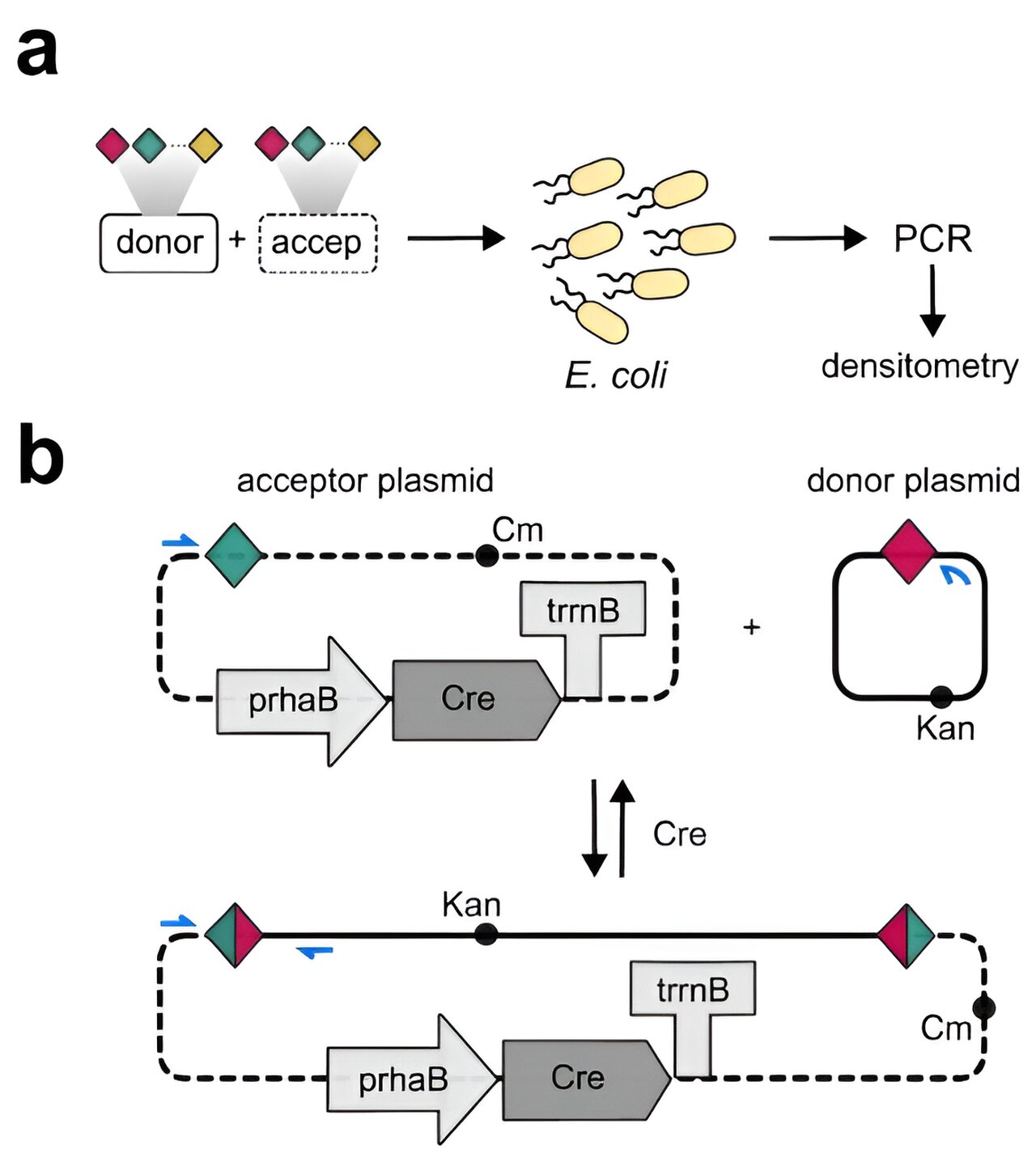
Belgian researchers have developed a new toolbox of 16 short DNA sequences that enable controlled and specific recombination events in any genome, complementing and surpassing CRISPR for certain applications. This toolbox, reported in two concurrent papers in Nature Communications, utilizes site-specific recombinases to address the shortcomings of CRISPR, offering a solution to issues such as toxicity of DNA double strand breaks, low editing efficiencies, and complex patenting. The toolbox has been demonstrated to efficiently optimize gene expression in microbial cell factories and offers possibilities for scientists and industry working in genome engineering.

"Regulating Genome Engineering: The Role of Anti-CRISPR Proteins"
science-and-technology2 years ago

"Regulating Genome Engineering: The Role of Anti-CRISPR Proteins"

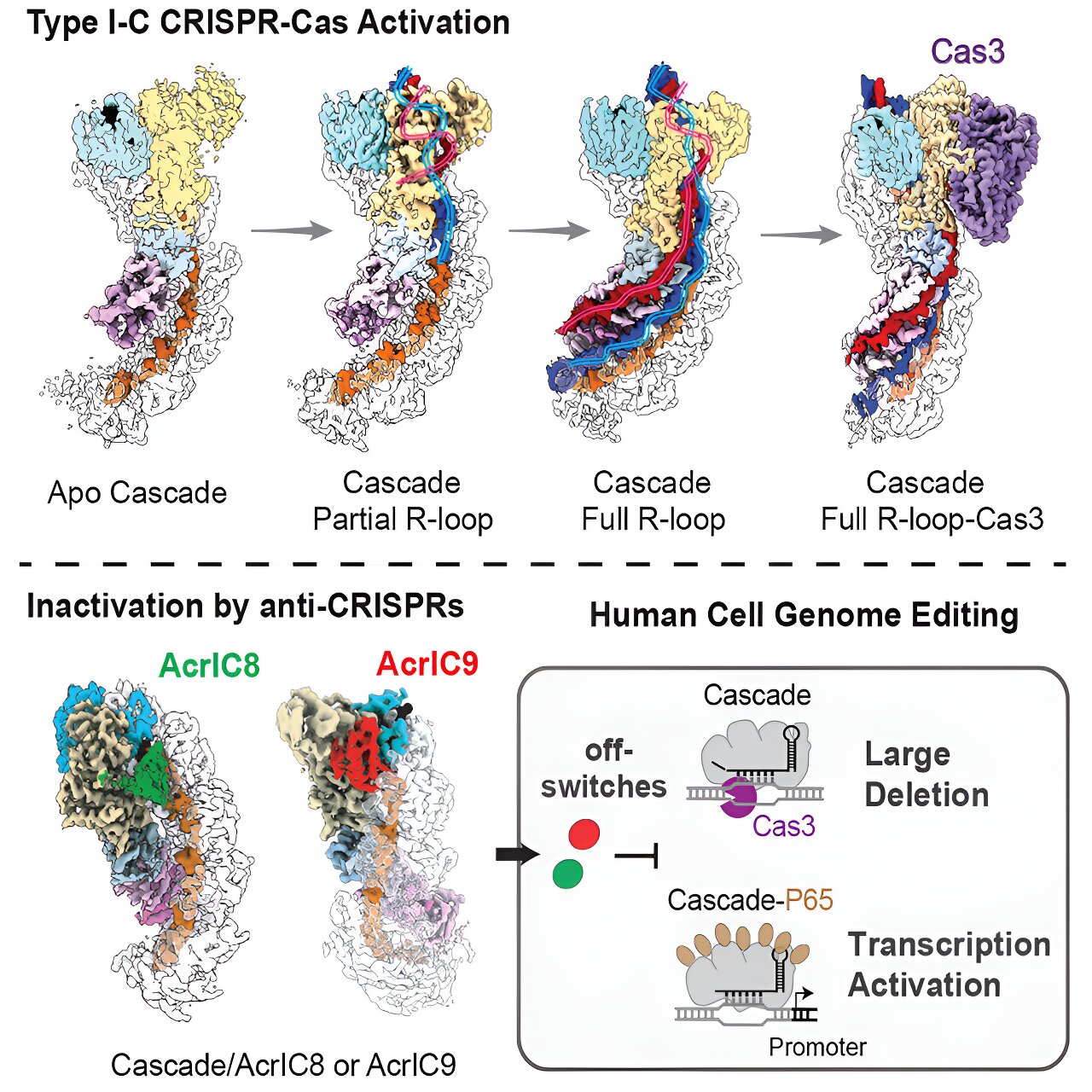
Scientists have developed off-switches for the Type I-C/Cas3 gene editor, a newer CRISPR platform with potential therapeutic use, to improve its safety. These off-switches, derived from anti-CRISPR proteins that bacteriophages have evolved to combat bacterial CRISPR immunity, can help mitigate off-target effects and increase the safety profile of CRISPR-based genome editing. The study, published in Molecular Cell, provides insights into the mechanisms of these off-switches, offering a potential path towards safer genome engineering.

"pAblo·pCasso: Revolutionizing CRISPR for Advanced Genome Engineering"
science-and-technology2 years ago

"pAblo·pCasso: Revolutionizing CRISPR for Advanced Genome Engineering"

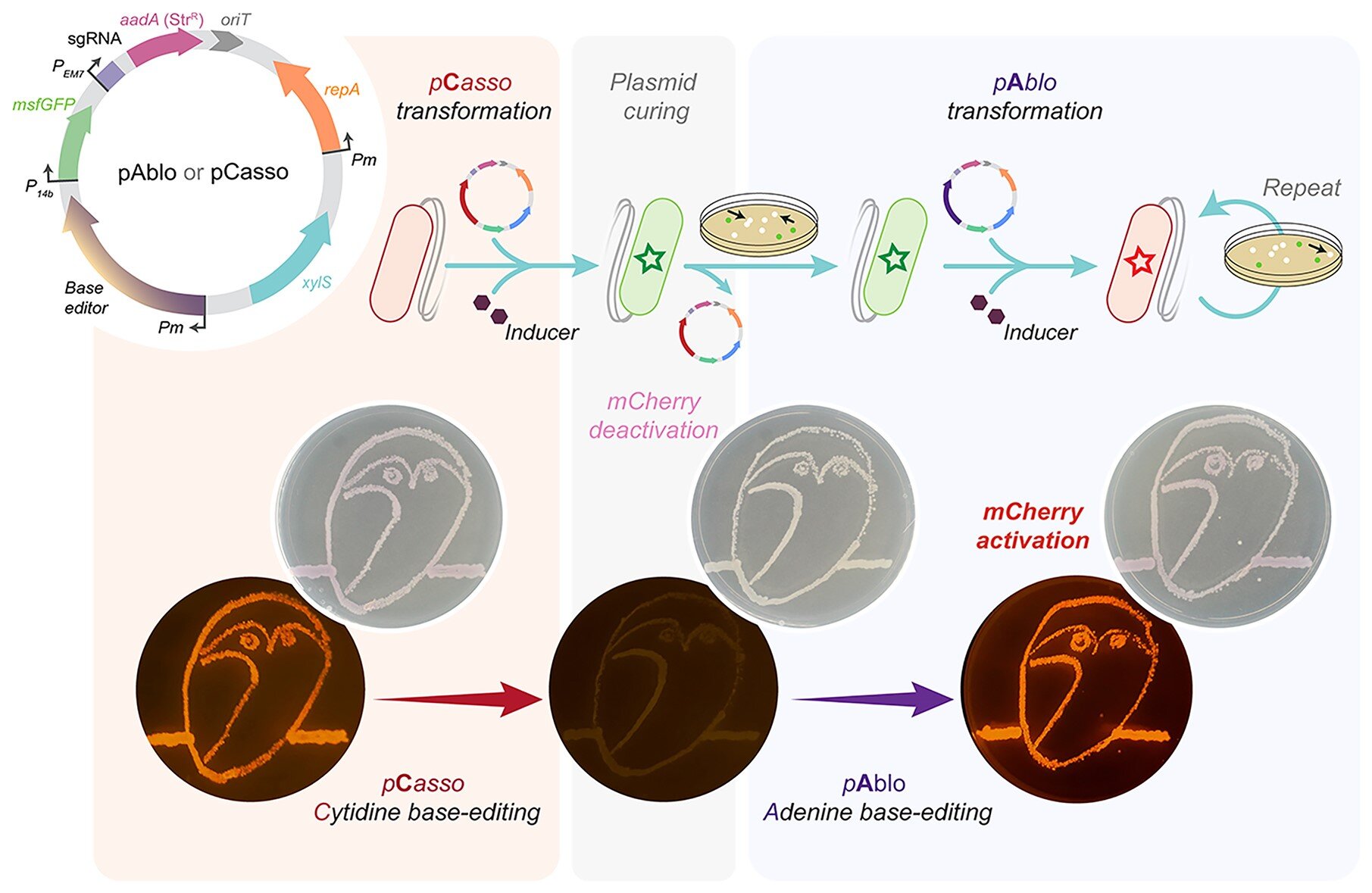
Researchers at The Novo Nordisk Foundation Center for Biosustainability have developed a new CRISPR-Cas toolkit called "pAblo·pCasso," which enables precise and reversible DNA edits within Gram-negative bacteria, expanding the range of genome sites available for base-editing and accelerating the development of bacteria for various bioproduction applications. This technology overcomes limitations of traditional CRISPR systems by not requiring specific PAM sequences and offering reversible editing capability, revolutionizing bacterial engineering and genetic manipulation.

"Breakthrough: Engineered Yeast Achieves Over 50% Synthetic DNA in Groundbreaking Project"
science-and-technology2 years ago

"Breakthrough: Engineered Yeast Achieves Over 50% Synthetic DNA in Groundbreaking Project"

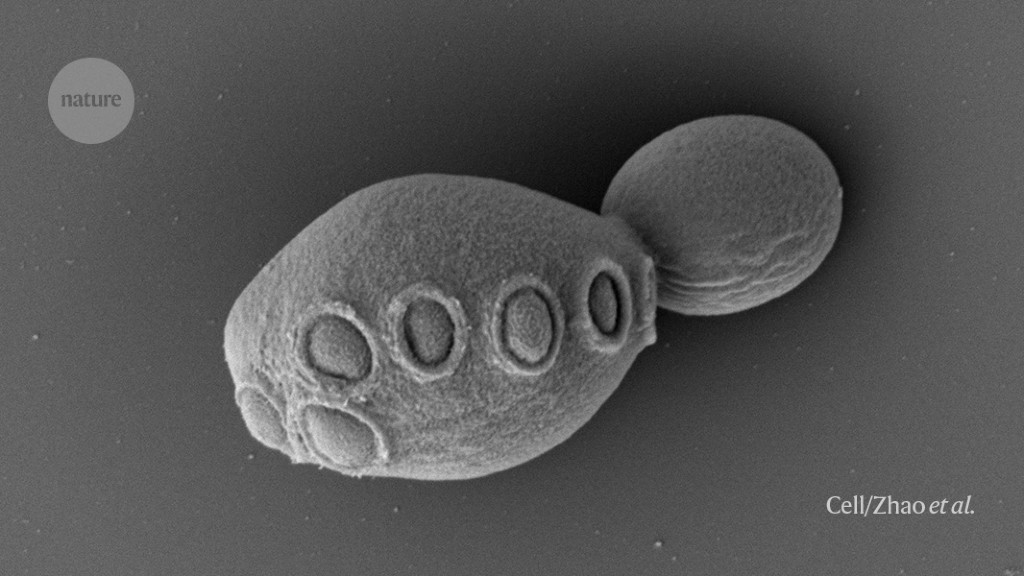
Biologists have successfully engineered a strain of yeast with a genome that is over 50% synthetic DNA. The achievement was made by editing and synthesizing 6.5 of the yeast's chromosomes in the laboratory, along with stitching together an additional chromosome from edited bits of the genetic code. The project, led by the Sc2.0 consortium, aims to create a strain of yeast with a fully synthetic genome, which would be the first eukaryote with such a genome. The engineered yeast has potential applications in producing drugs and fuels, and the project is also advancing biological engineering methods.

Unraveling CRISPR's Molecular Scissors: A Genesis Exploration
science-and-technology3 years ago

Unraveling CRISPR's Molecular Scissors: A Genesis Exploration

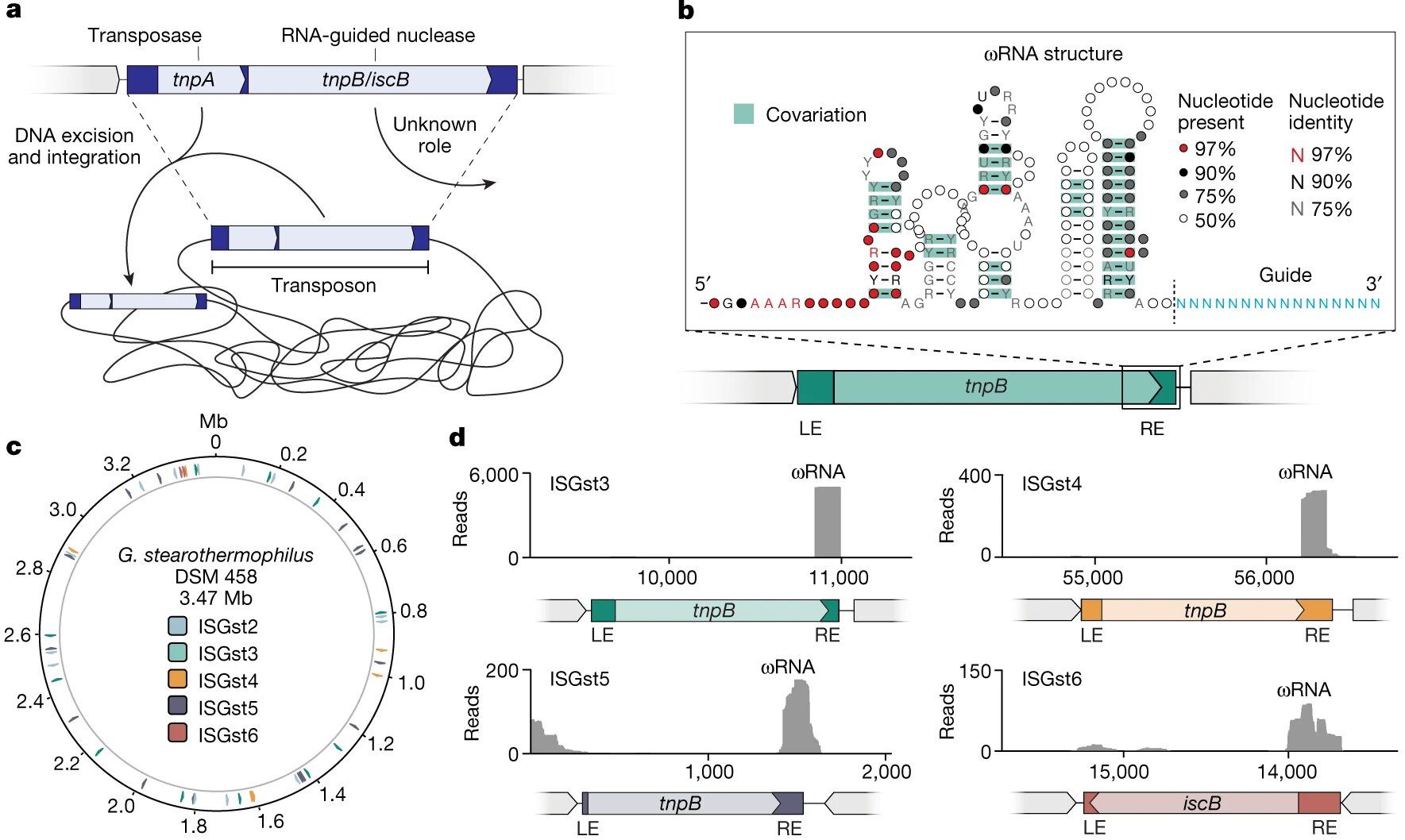
Researchers have traced the origins of CRISPR-Cas9, a powerful gene editing tool, to transposons, or "jumping genes," which carry RNA-guided DNA nucleases. By studying the movement of transposons in bacteria, scientists discovered that the DNA-cutting scissors prevent the extinction of transposons by guiding a copy of the transposon back to its original location after cutting the DNA. This "cut and copy" strategy allows transposons to proliferate and spread. The findings suggest that there may be other systems similar to CRISPR-Cas9 waiting to be discovered, which could be used for genome engineering in human cells.

science-and-technology3 years ago

"Discovery: Fanzor, a Programmable RNA-Guided Endonuclease, Unveils Animal's CRISPR-Like System for Editing Human Genome"

Researchers have discovered a new class of RNA-guided endonuclease called Fanzor, which is found in eukaryotes. Fanzor has the ability to cleave DNA and can be reprogrammed for genome engineering applications in humans. The structure of Fanzor has been resolved, revealing its similarity to other RNA-guided systems like Cas12. This discovery demonstrates that RNA-guided endonucleases are present in all three domains of life.