Tag

Asgard Archaea

All articles tagged with #asgard archaea

Shark Bay Microbes Illuminate the Birth of Complex Life
science1 day ago

Shark Bay Microbes Illuminate the Birth of Complex Life

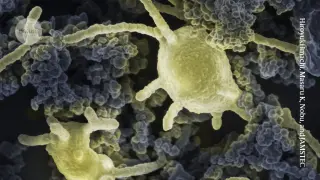
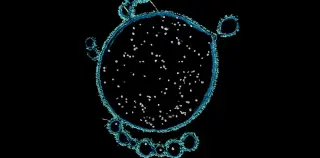
Scientists studying Shark Bay’s stromatolites report that an Asgard archaeon named Nerearchaeum marumarumayae and a sulfate-reducing bacterium may have cooperated early in life’s history. DNA sequencing, AI protein modeling, and high-resolution electron cryotomography showing nanotube connections suggest a possible precursor to the first eukaryotic cells, offering a living glimpse into how complex life may have originated. The work also honors Indigenous Malgana language in naming the microbe and highlights the cultural and environmental significance of Gathaagudu (Shark Bay).

Ancient microbes reveal how complex life may have formed on Earth
science-tech1 day ago

Ancient microbes reveal how complex life may have formed on Earth

Researchers studying Shark Bay stromatolites show that Asgard archaea and a sulfate‑reducing bacterium directly interact, observed with DNA sequencing, AI protein modeling, and high-resolution imaging, offering a plausible model for the origin of eukaryotes and complex life; the new archaeon was named Nerearchaeum marumarumayae in collaboration with the Malgana people, highlighting a blend of modern science and Indigenous knowledge.

Structure-Powered Expansion of Eukaryote-Like Toolkit in Asgard Archaea
biology1 month ago

Structure-Powered Expansion of Eukaryote-Like Toolkit in Asgard Archaea

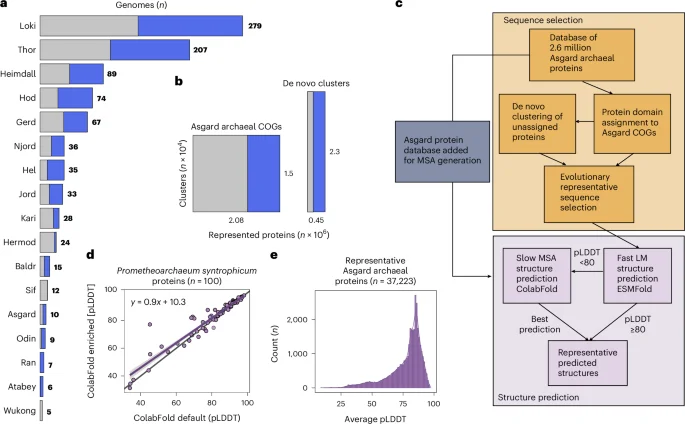
A large-scale structural analysis of 936 Asgard archaeal genomes using ColabFold and protein language models identified 1,319 novel isomorphic ESPs (iESPs) and organized them into 908 structural clusters, greatly expanding the repertoire of eukaryotic-like proteins in Asgard archaea. The iESPs are enriched in information storage/processing and cellular signaling, including components related to the vault (MVP) and Commander (COMMD) complexes, suggesting a higher degree of eukaryote-like cellular complexity in the archaeal ancestor of eukaryotes. The study also reveals patchy distributions and emphasizes that structural similarity, not just sequence similarity, drives annotation, highlighting the value of structure-based approaches for tracing deep evolutionary connections. The findings support a more nuanced view of eukaryogenesis and provide a methodological blueprint for uncovering distant homologues in non-model organisms.

Ancient Asgard archaea may have used oxygen long before Earth’s oxygenation reshaped life
planet-earth1 month ago

Ancient Asgard archaea may have used oxygen long before Earth’s oxygenation reshaped life

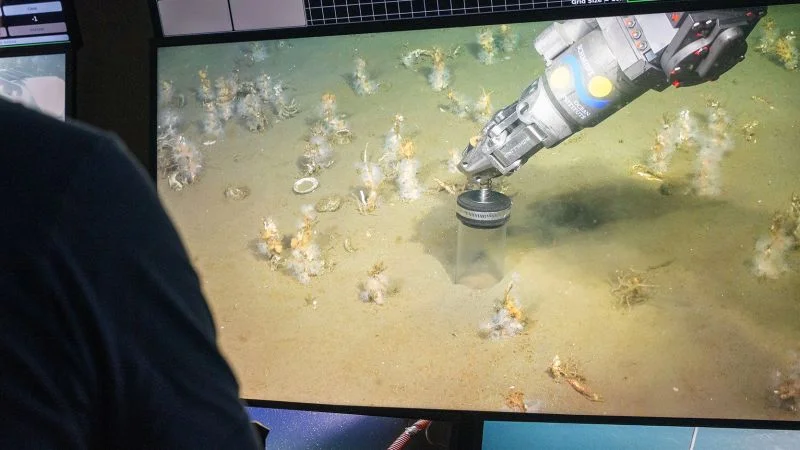
A Nature study analyzing deep-sea sediments found Heimdallarchaeia genomes with components of aerobic respiration, suggesting Asgard archaea could tolerate and potentially use oxygen long before Earth’s oxygenation, providing metabolic groundwork for the archaeal–eukaryotic merger that gave rise to complex life.

Asgard archaea dominate early eukaryotic evolution, mitochondria arrive later
science2 months ago

Asgard archaea dominate early eukaryotic evolution, mitochondria arrive later

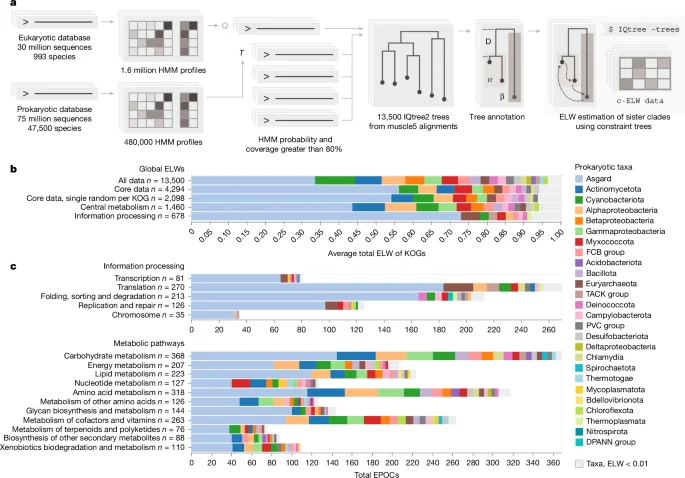
A comprehensive phylogenomic analysis shows Asgard archaea contributed the majority of core eukaryotic genes traced to LECA, with Alphaproteobacteria providing mainly mitochondrial-related components and energy metabolism; other bacteria contributed sporadically without clear patterns. This supports a model where key eukaryotic features—cytoskeleton and endomembrane system—evolved in the Asgard lineage before LECA, with mitochondria acquired later and additional bacterial genes entering gradually via HGT. The study uses soft-core pangenomes and constrained trees to minimize late HGT and test origins, though conclusions depend on the current sampling of Asgard and bacterial genomes.

Microbial Mysteries: Unraveling the Origins of Complex Life
science2 years ago

Microbial Mysteries: Unraveling the Origins of Complex Life

Asgard archaea, a group of microorganisms, have been identified as the origin of all complex life forms on Earth, marking the evolutionary shift from single-celled prokaryotes to multicellular eukaryotes billions of years ago. Through the analysis of their genetic makeup, scientists have discovered that proteins in Asgard archaea are related to those found in more complex life forms that developed millions of years later. This study challenges previous understanding of the origin of complex life forms and sheds light on the mysteries of evolution.

"Unveiling the Origins of Complex Life: Scientists Unite Asgardians and Humans"
science2 years ago

"Unveiling the Origins of Complex Life: Scientists Unite Asgardians and Humans"

Scientists have discovered new clues about the origin of complex life forms, including humans, plants, and animals. Research suggests that all eukaryotes, which are complex life forms with nuclei in their cells, can trace their roots back to a common ancestor among a group of microbes called the Asgard archaea. The Asgard archaea evolved over 2 billion years ago and appear to be the progenitors of eukaryotic organisms. This finding sheds light on the evolutionary step from microbes to eukaryotes and provides insights into the transition that led to the development of complex life on Earth.

Uncovering the Shared Ancestor of Complex Life Forms
science2 years ago

Uncovering the Shared Ancestor of Complex Life Forms

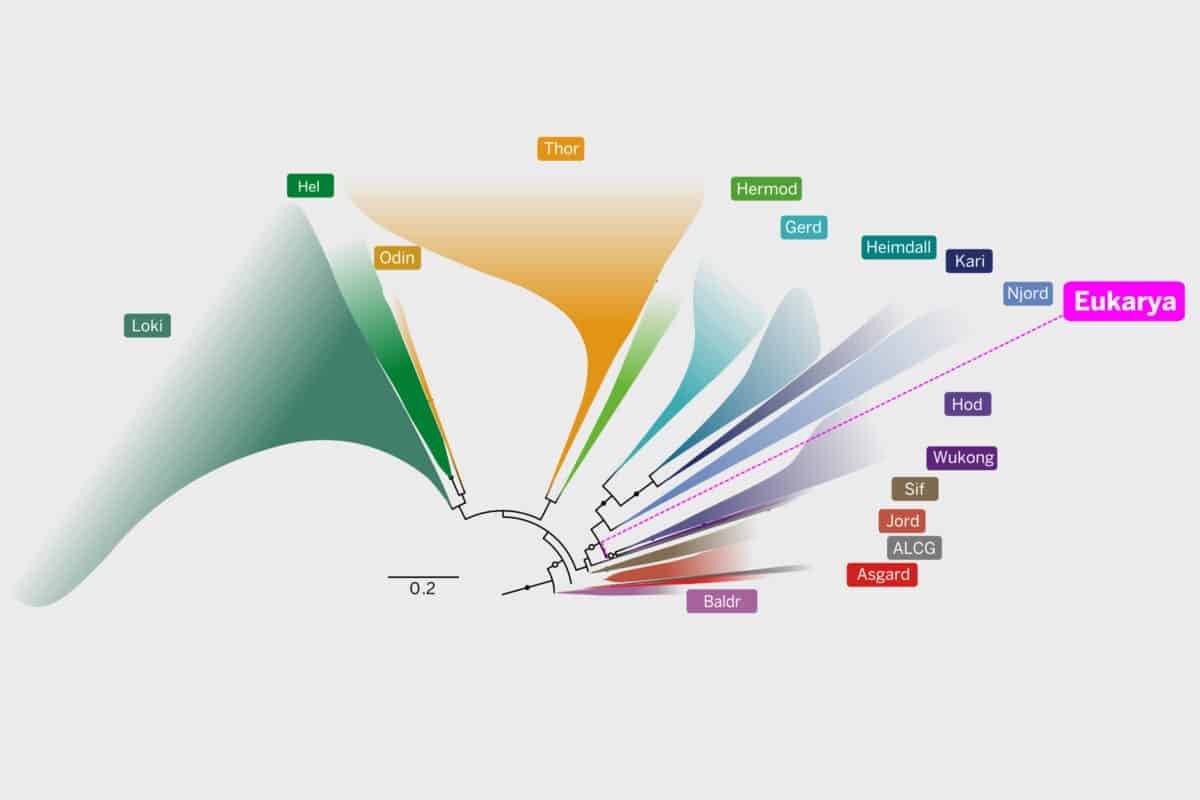
Scientists have discovered that all complex life forms, including mammals, birds, and plants, can trace their lineage back to a common ancestor known as Asgard archaea. By analyzing the genomes of hundreds of archaea microbes, researchers found that eukaryotes, organisms with a defined nucleus, share a common Asgard archaean ancestor. These ancient microorganisms, which first appeared two billion years ago, provide insight into the early evolution of eukaryotic cells. The discovery of the Asgard superphylum, which includes various groups of archaea named after Norse gods, marks a significant milestone in understanding the origins of complex life forms.

Tracing the Ancestry of Complex Life to a Common Origin
science2 years ago

Tracing the Ancestry of Complex Life to a Common Origin

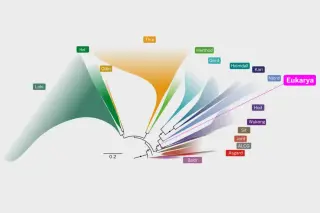
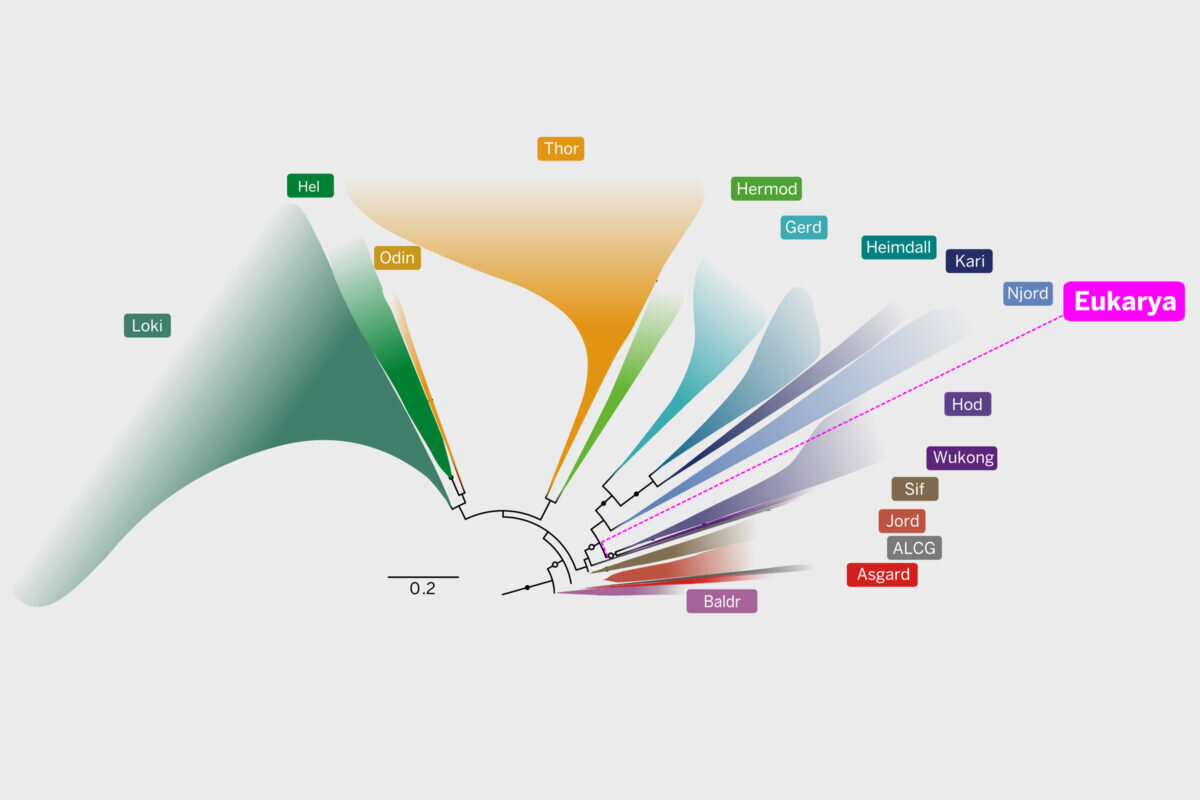
A new study published in the journal Nature has found that all complex life forms, including humans, trace their roots back to a common ancestor among a group of microbes called the Asgard archaea. The research team identified the closest microbial relative to all complex life forms on the tree of life as a newly described order called the Hodarchaeales. The Asgard archaea evolved more than 2 billion years ago, and their descendants are still living. The study expands the known Asgard genomic diversity, adding more than 50 undescribed Asgard genomes as input for their modeling.

Asgard Cells Reveal Early Signs of Complexity in Life.
science3 years ago

Asgard Cells Reveal Early Signs of Complexity in Life.

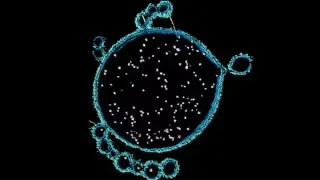
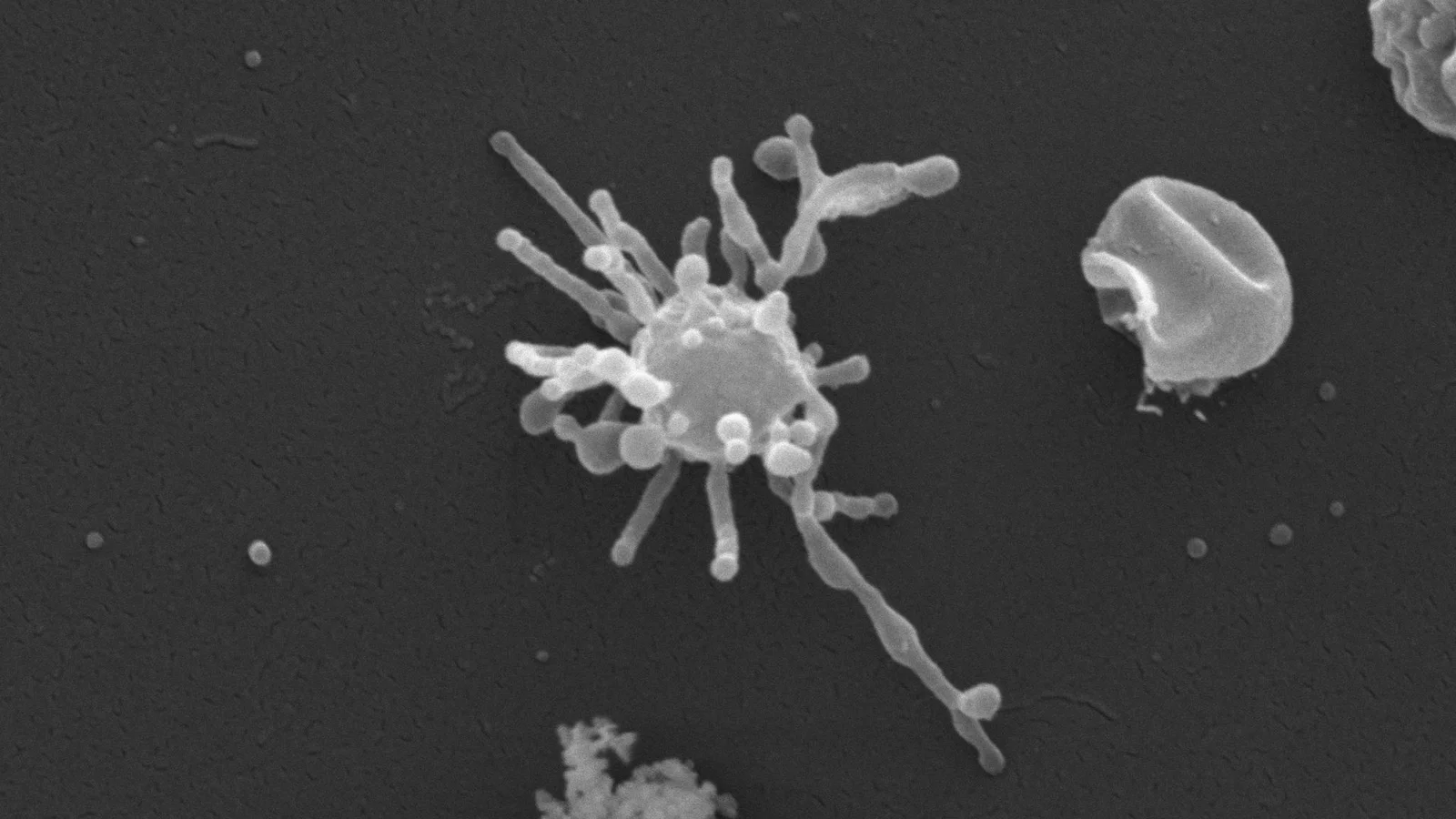
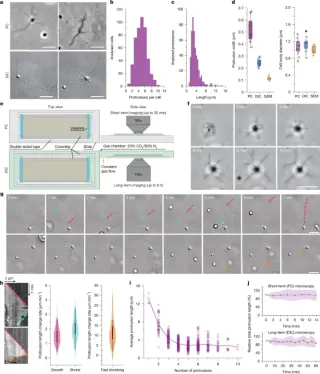
The study of Asgard archaea, a group of microbes that may be the closest living relatives of eukaryotes, is shedding light on the origins of complex life. Researchers have cultivated two species of Loki, a type of Asgard archaea, and found that they have tentacle-like filaments made of a protein called Lokiactin, which closely resembles the actin used by eukaryotic cells to build supportive cytoskeletons. This adds plausibility to the inside-out model of eukaryogenesis, which proposes that the first eukaryotes were born after a simple ancestral cell extended protrusions past its cell walls and closed around a symbiotic bacterium, turning it into a proto-mitochondrion.