Tag

Chandra

All articles tagged with #chandra

Milky Way's Outer Spiral Arms Extend Further Than Thought, Say X-Ray Echoes
space6 days ago

Milky Way's Outer Spiral Arms Extend Further Than Thought, Say X-Ray Echoes

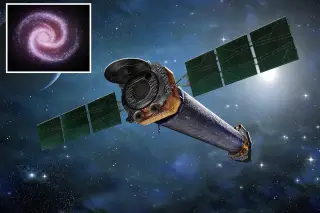
Astronomers used X-ray echoes from rare gamma-ray bursts observed by NASA’s Chandra and ESA’s XMM-Newton to geometrically measure dust rings in the Milky Way’s spiral arms, finding the outer arms extend farther than previously known (one distant dust cloud about 3,500 light-years across). This geometry-based method, not dependent on the galaxy’s rotation, could prompt revisions to estimates of the Milky Way’s mass and structure, though its data are limited by the rarity of bright gamma-ray bursts.

Milky Way’s Quiet Core Reveals Hidden Wind From Its Central Black Hole
space19 days ago

Milky Way’s Quiet Core Reveals Hidden Wind From Its Central Black Hole

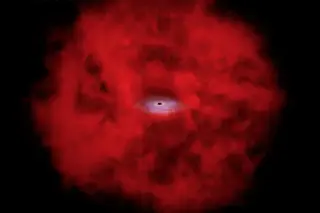
Astronomers using ALMA and Chandra detected a cone-shaped cavity around Sagittarius A*, signaling a hot wind from the Milky Way’s central black hole that has cleared nearby gas; the outflow is estimated to have been active for at least 20,000 years, offering new insight into how Sgr A* influences its environment even in a relatively quiet state and into black hole feedback in galaxies.

Milky Way’s Central Black Hole Reveals Hidden Wind
science-space25 days ago

Milky Way’s Central Black Hole Reveals Hidden Wind

Astronomers using ALMA radio maps and NASA’s Chandra X-ray data detected a 3-light-year cone-shaped cavity around Sagittarius A*, the Milky Way’s supermassive black hole, indicating a previously unseen wind. The finding helps explain why our galaxy’s center appeared windless and provides a new observable for understanding how black holes influence their host galaxies.

Possible Supernova Remnant Detected Near Milky Way’s Core
science29 days ago

Possible Supernova Remnant Detected Near Milky Way’s Core

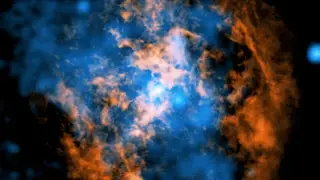
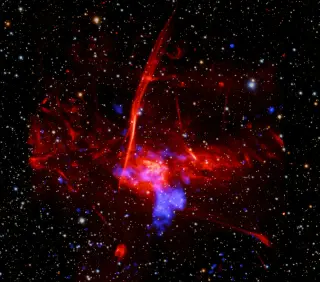
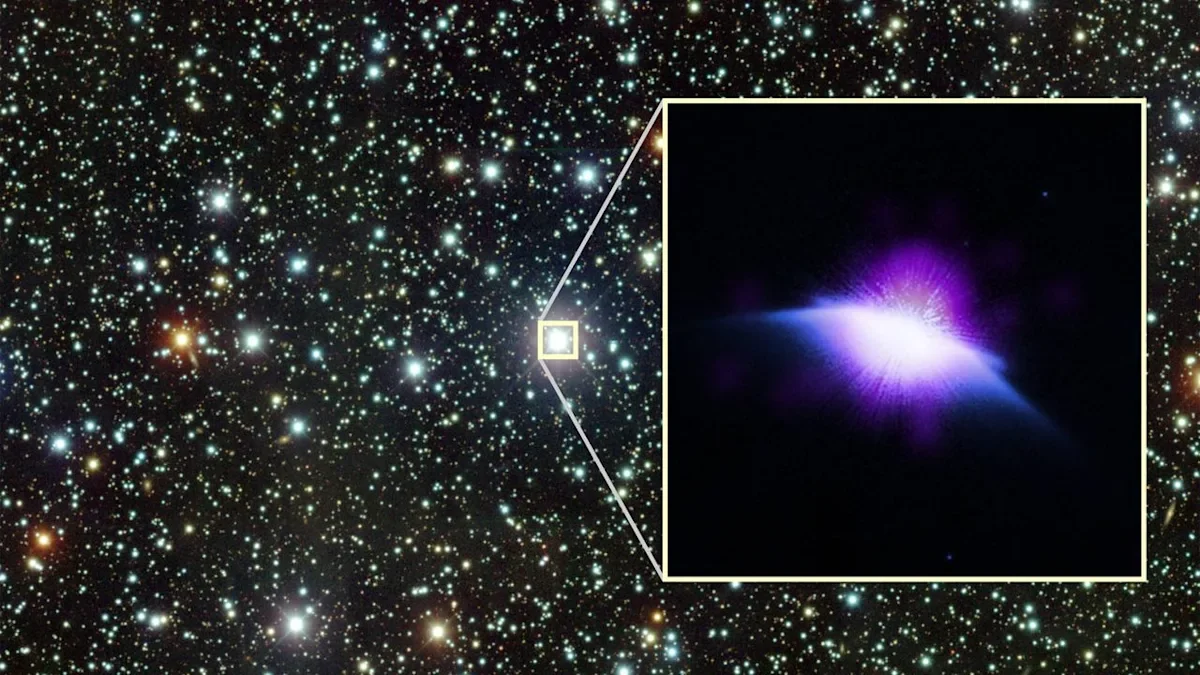
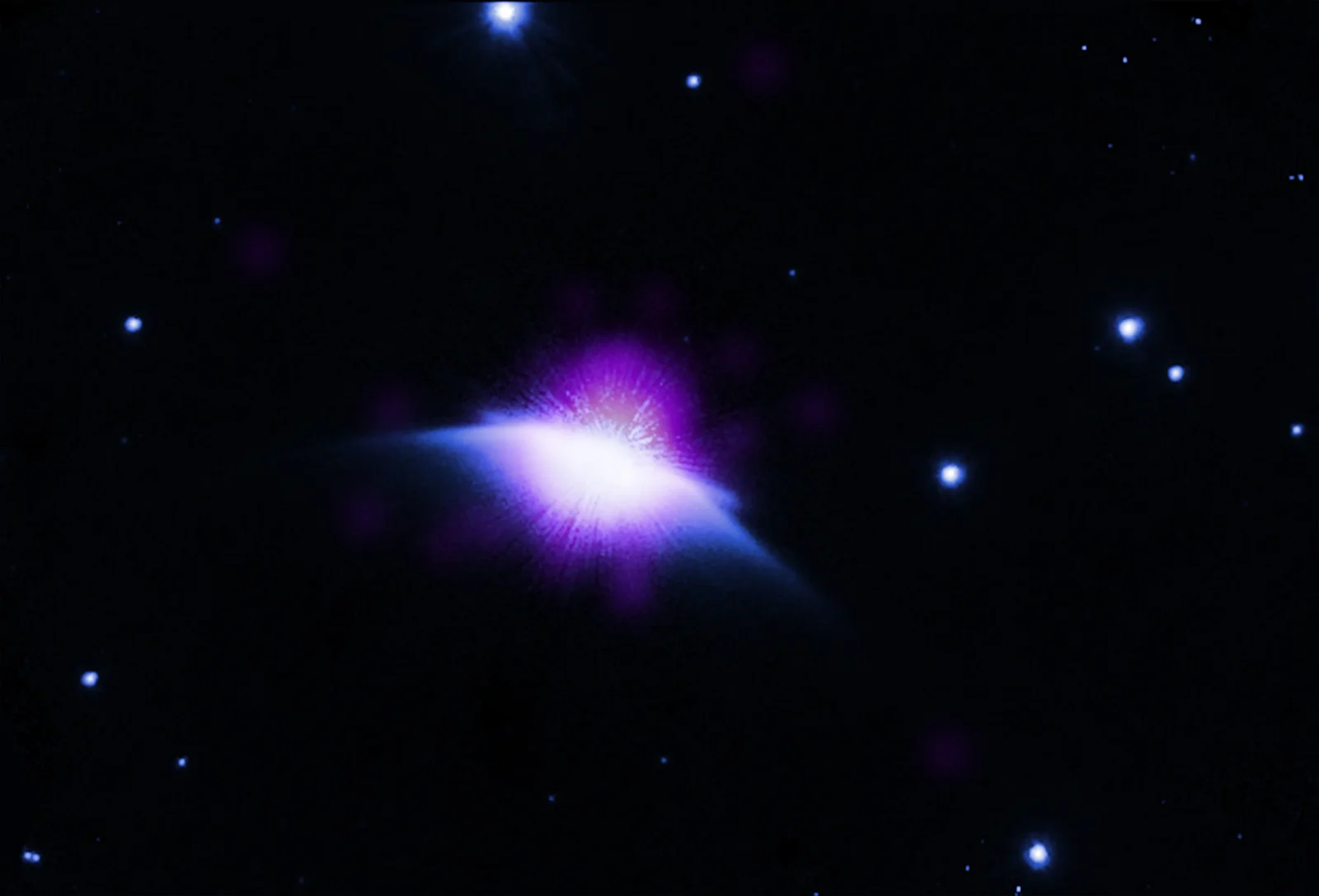
Astronomers using NASA’s Chandra and ESA’s XMM-Newton X-ray data, with radio and optical support from MeerKAT and Pan-STARRS, find a bright X-ray blob in the Sagittarius C region near the Galactic Center that could be a new supernova remnant. If confirmed, it would be one of the closest remnants to the Milky Way’s central black hole and is estimated to be about 1,700 years old, expanding at roughly two million miles per hour, though an alternative explanation involving a massive-star cluster remains possible and confirmation is pending.

First alien astrosphere detected around a sun-like star, offering glimpse into young planetary systems
science4 months ago

First alien astrosphere detected around a sun-like star, offering glimpse into young planetary systems

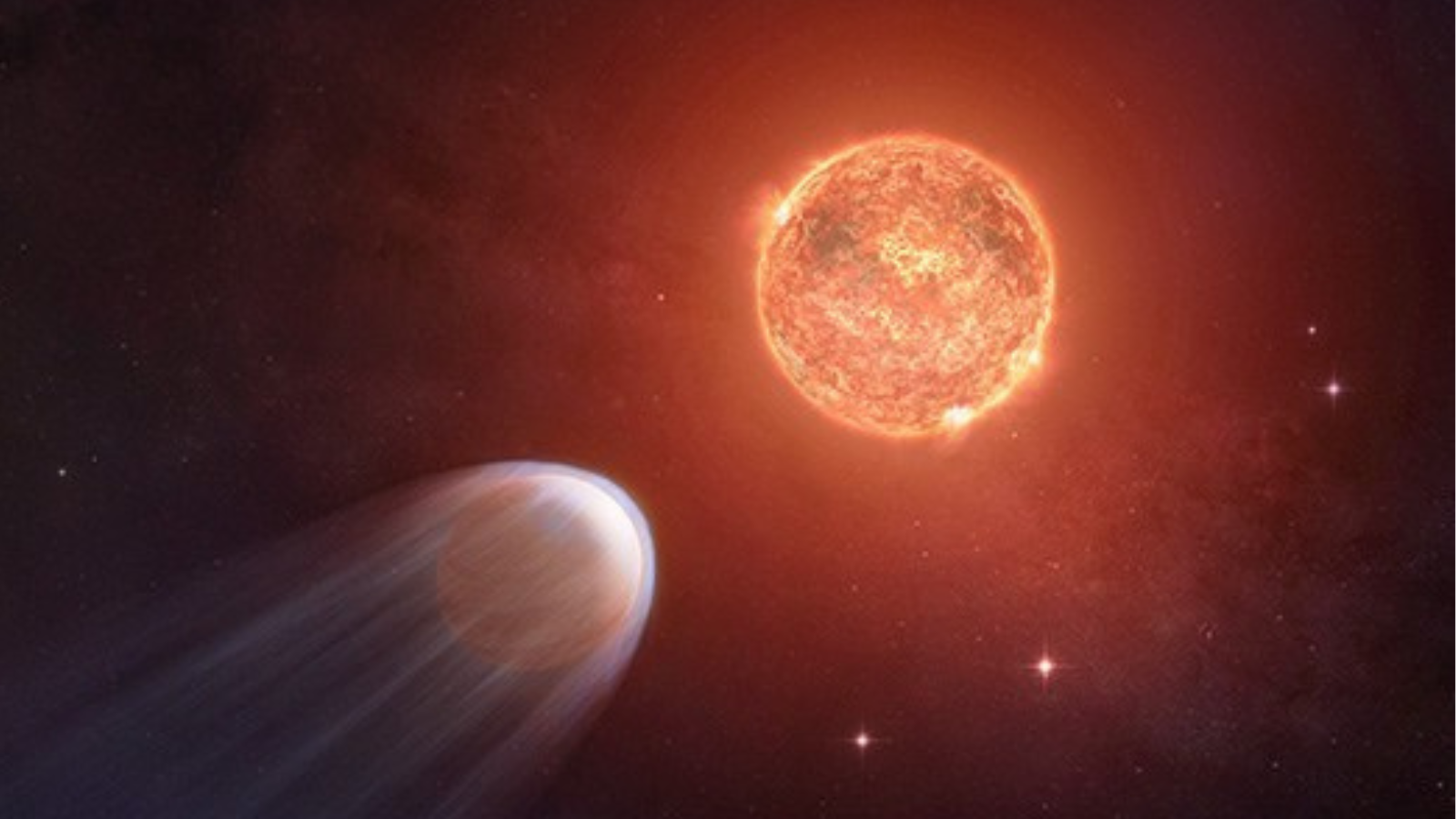
Astronomers used NASA’s Chandra X-ray Observatory data, combined with infrared and optical observations, to image HD 61005 (the 117‑light-year‑away star nicknamed the Moth) and confirm it has its own astrosphere—a protective bubble similar to the Sun’s heliosphere. The star’s winds are faster and denser than the Sun’s, and if HD 61005 replaced the Sun, its heliosphere could be up to about 10 times wider. The finding provides a rare view of what the early solar system might have looked like and how young planetary systems interact with interstellar space.

Chandra Spots Sun-like Star’s Astrosphere, Echoing Early Solar Wind
space4 months ago

Chandra Spots Sun-like Star’s Astrosphere, Echoing Early Solar Wind

NASA’s Chandra X-ray Observatory detected an astrosphere around HD 61005, the first image of a Sun-like star’s wind-blown bubble. Located about 120 light-years away and ~100 million years old, HD 61005’s wind is ~3× faster and ~25× denser than the young Sun’s, creating a bubble roughly 200 AU across as it moves through surrounding interstellar gas. The star, nicknamed the “Moth” for its dusty infrared wings, offers a glimpse into the Sun’s past and how its heliosphere may have looked billions of years ago.

JWST and Chandra spot massive protocluster that defies early-universe timing
space4 months ago

JWST and Chandra spot massive protocluster that defies early-universe timing

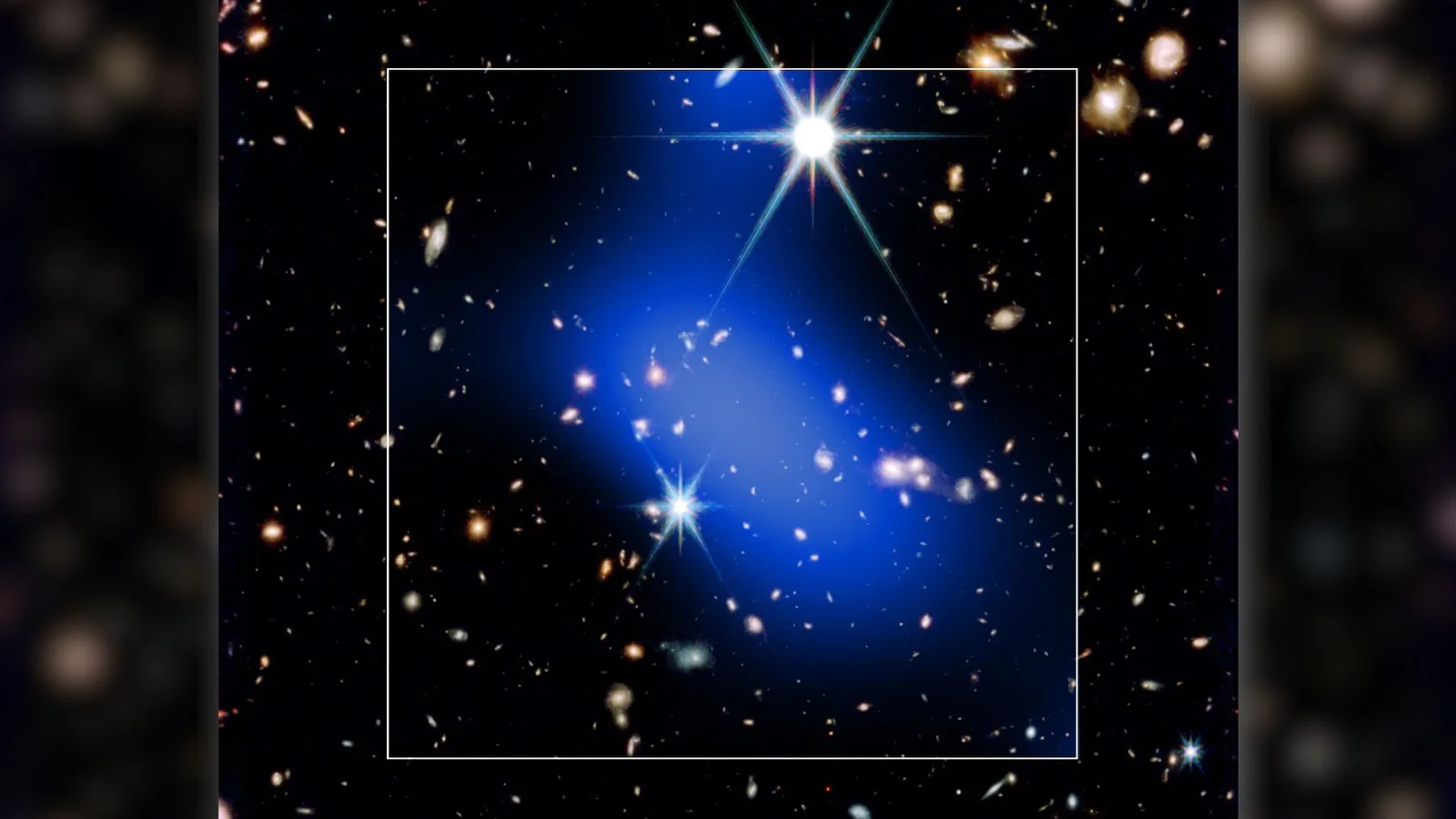
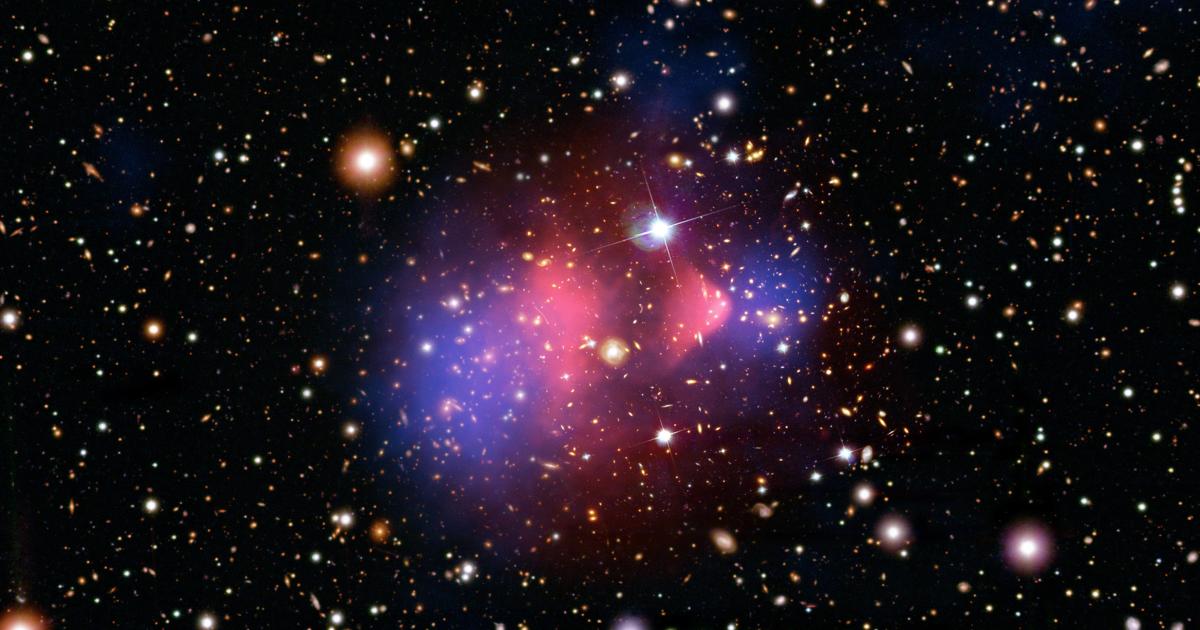
Using JWST's infrared data and Chandra's X-ray observations, astronomers report JADES-ID1, a massive protocluster about 12.7 billion light-years away, containing at least 66 galaxies and a surrounding hot gas cloud; its mass is estimated at ~20 trillion suns and it spans ~1.1 million light-years, existing when the universe was ~1 billion years old, challenging models that such large structures should form later by 2–3 billion years after the Big Bang.

"NASA's Budget Cuts Threaten Future of Iconic Space Telescopes"
space-and-astronomy2 years ago

"NASA's Budget Cuts Threaten Future of Iconic Space Telescopes"

The Biden-Harris administration's budget for the 2025 fiscal year proposes to terminate NASA's flagship X-ray observatory, Chandra, despite its continued high-impact scientific contributions and potential for another decade of operation. The budget's reasons for this decision are factually inaccurate, and the fate of Chandra now rests with Congress. Without adequate funding, the loss of Chandra would significantly hinder X-ray astronomy, and efforts are underway to advocate for its preservation.

Stunning Space Views: NASA's Chandra and Webb Telescopes Team Up.
astronomy3 years ago

Stunning Space Views: NASA's Chandra and Webb Telescopes Team Up.

NASA's Chandra X-ray Observatory and James Webb Space Telescope have captured stunning composite images of two galaxies, a nebula, and a star cluster. The images combine Chandra's X-rays with infrared data from Webb, both of which are invisible to the unaided eye. Additional data from Hubble, Spitzer, XMM-Newton, and the European Southern Observatory's New Technology Telescope is also used. The images reveal details of gas, dust, and stars in these cosmic wonders, providing a glimpse into the universe's true colors.

Chandra Telescope Uncovers Deadly Threat to Planetary Life.
astronomy3 years ago

Chandra Telescope Uncovers Deadly Threat to Planetary Life.

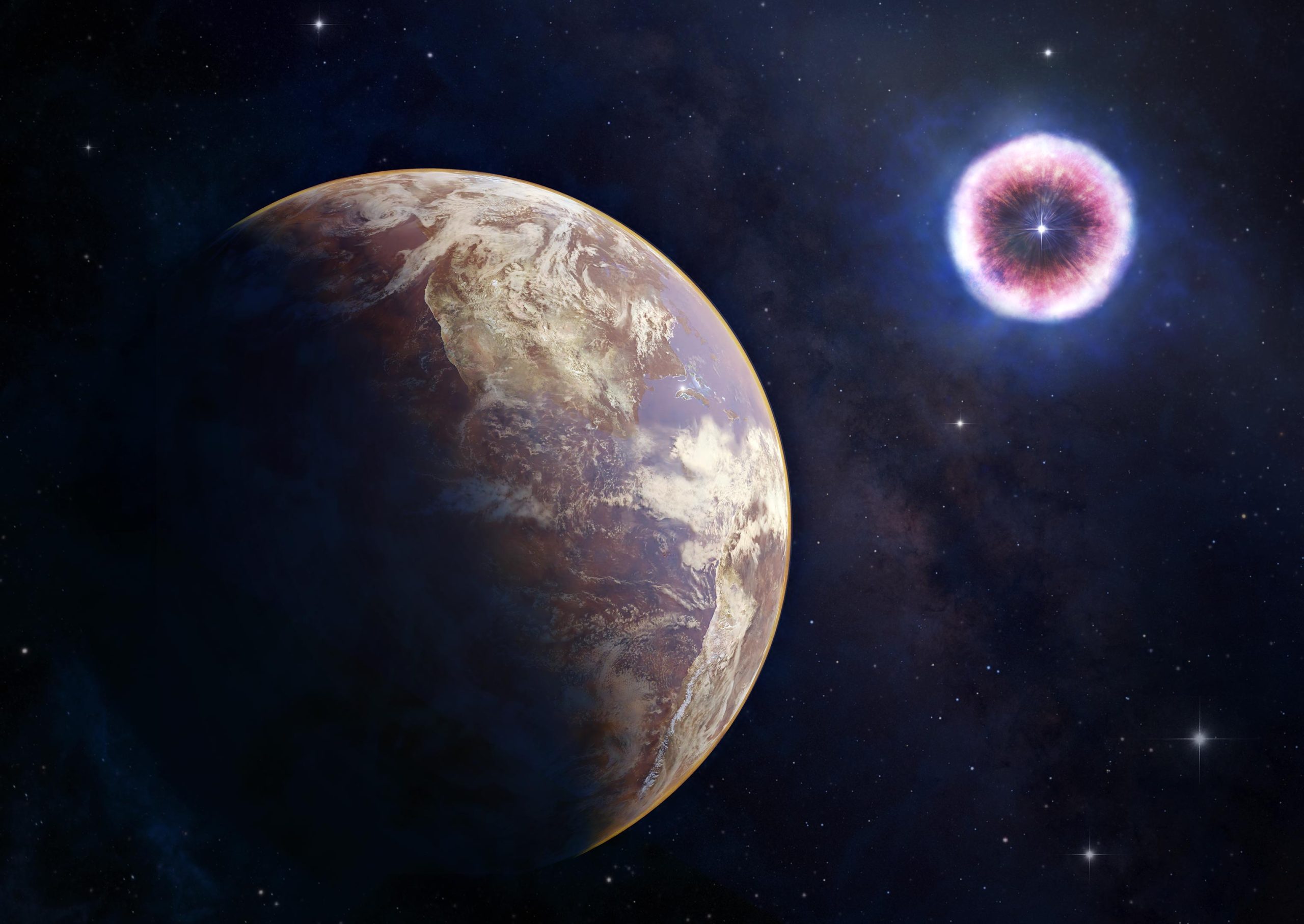
A new study using data from NASA's Chandra X-ray Observatory and other telescopes has found that X-rays from supernova explosions could significantly damage the atmospheres of planets within about 160 light-years, potentially impacting life as we know it. Earth is currently in a safe space, but may not have been in the past. The study suggests that the areas within the Milky Way galaxy where conditions would be conducive for life as we know it would be smaller. Follow-up observations of interacting supernovae are urged for months and years after the explosion.