Tag

Homo Heidelbergensis

All articles tagged with #homo heidelbergensis

Levant cave sealed for 300,000 years reveals advanced early-human life
history21 days ago

Levant cave sealed for 300,000 years reveals advanced early-human life

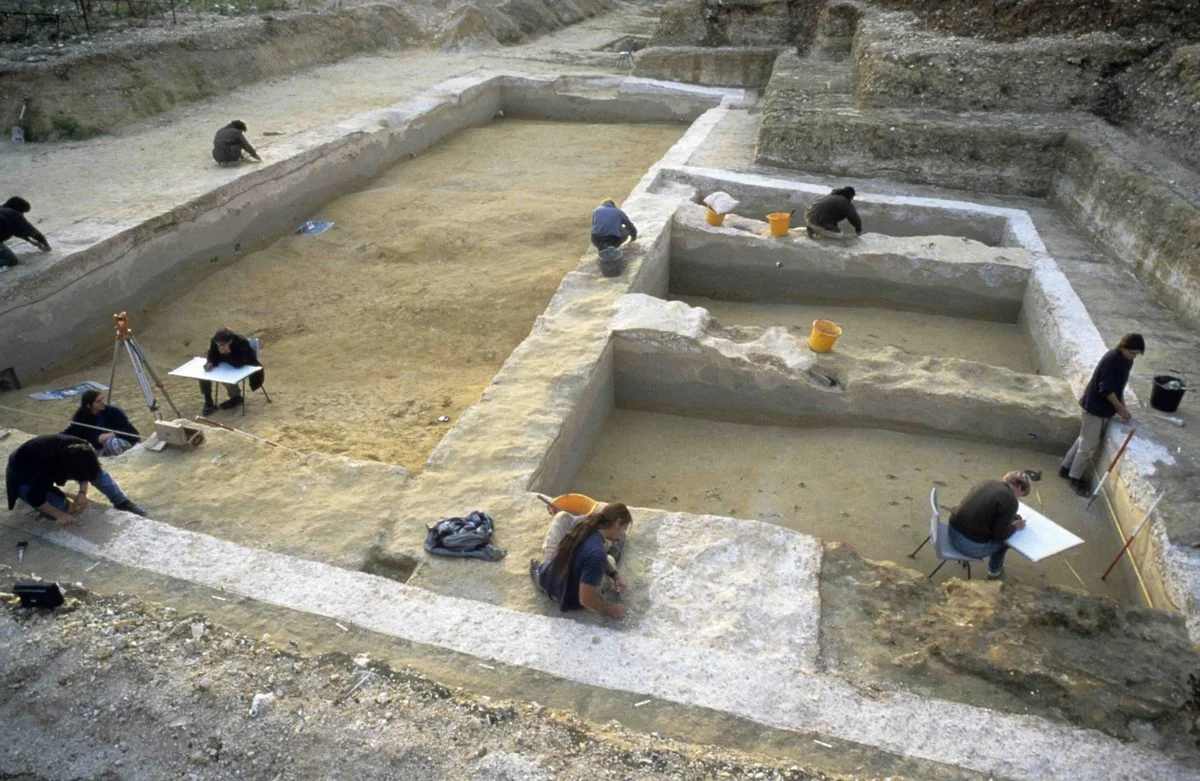
Archaeologists in Israel uncovered a remarkably preserved cave near Fureidis (south of Haifa) dating to about 400,000–250,000 years ago, likely from the Acheulo-Yabrudian culture. The site shows evidence of controlled fire, hunting, flint quarrying, and sophisticated stone tools (side scrapers and handaxes), suggesting behaviors that would later be hallmarks of Neanderthals and modern humans. No human remains were found, but researchers think the occupants may have been archaic Homo heidelbergensis or related populations. The cave stayed largely sealed after its roof collapsed, making it a rare prehistoric time capsule that sheds light on daily life, social organization, and the transitional phase of human evolution in the Levant.

Ancient 430,000-Year-Old Wooden Digging Stick Found in Greece Rewrites Prehistoric Tool History
archaeology1 month ago

Ancient 430,000-Year-Old Wooden Digging Stick Found in Greece Rewrites Prehistoric Tool History

Archaeologists at Marathousa 1 in southern Greece unearthed two wooden tools dating to about 430,000 years ago, including an 81 cm alder digging stick—the oldest handheld wooden tool known—suggesting Homo heidelbergensis or early Neanderthals used wood alongside stone tools in a glacial lakeshore habitat and expanding our view of early technology.

Ancient woodwork predates Homo sapiens by almost half a million years at Kalambo Falls
science2 months ago

Ancient woodwork predates Homo sapiens by almost half a million years at Kalambo Falls

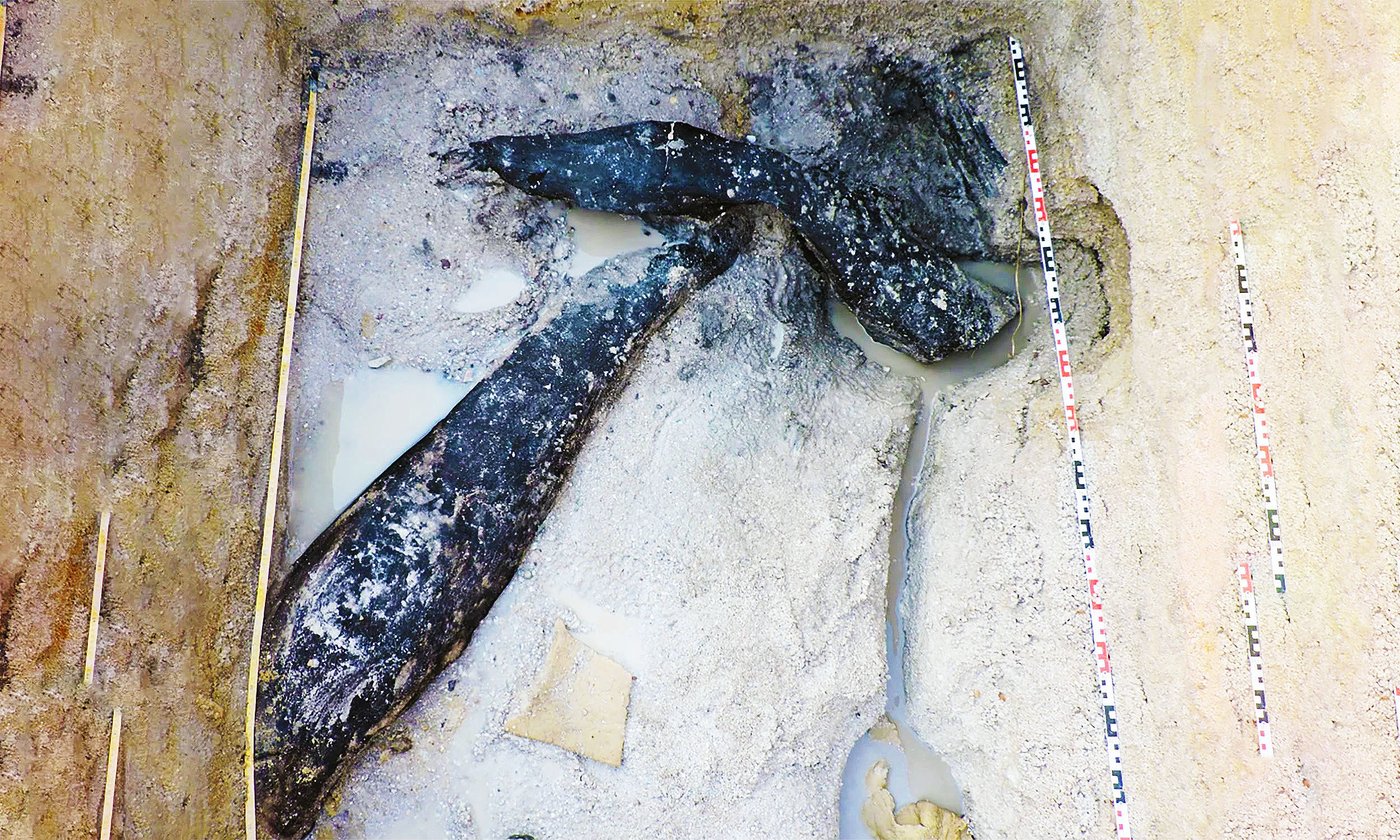
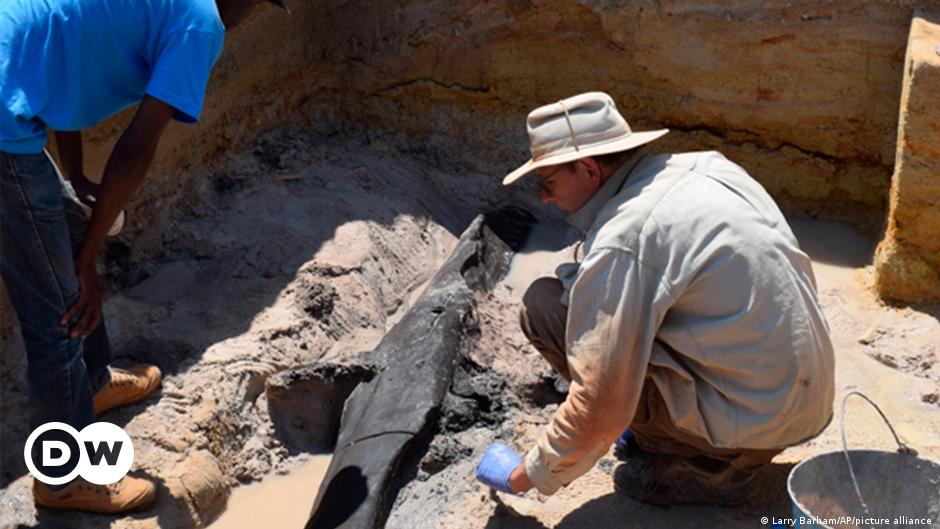
Archaeologists dating well-preserved wood at Kalambo Falls in Zambia report a 476,000-year-old wooden structure formed by interlocking logs with deliberate tool marks, indicating early hominins (perhaps Homo heidelbergensis) shaped wood and planned constructions long before Homo sapiens—rewriting assumptions about the Stone Age and early technology.

Greek Skull Rewritten: A 300,000-Year-Old Relic Belongs to Homo Heidelbergensis
science4 months ago

Greek Skull Rewritten: A 300,000-Year-Old Relic Belongs to Homo Heidelbergensis

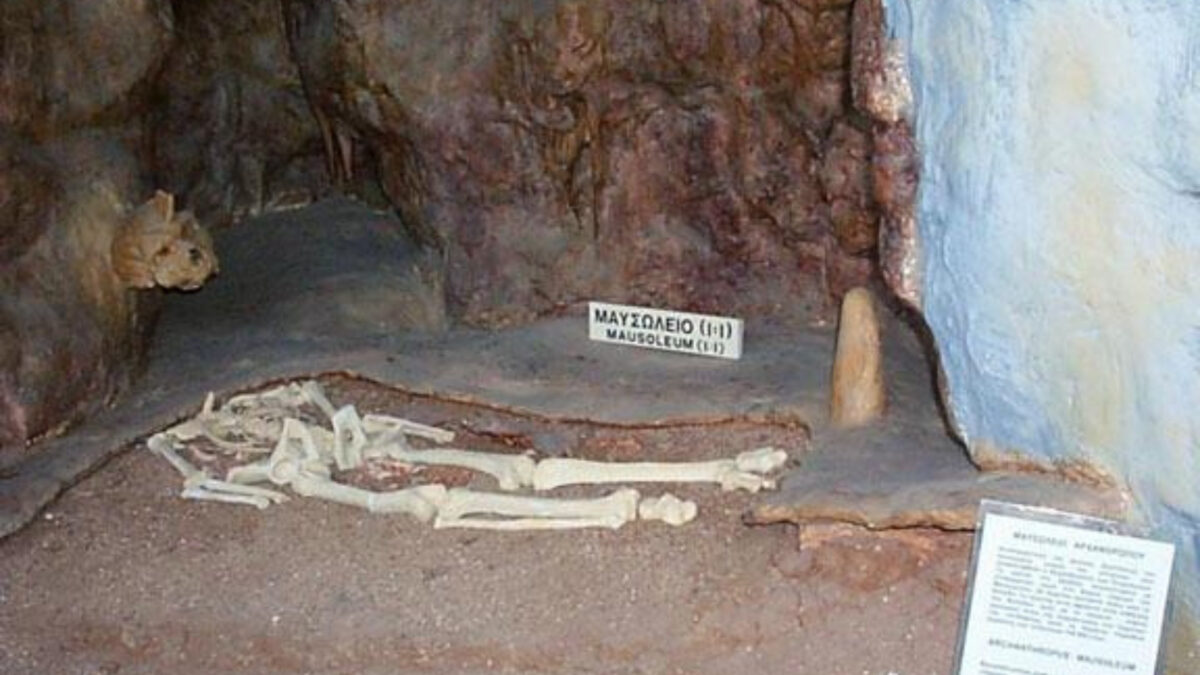
A 300,000-year-old skull found cemented in a Greek cave (the Petralona cranium) has been dated to at least 286,000 years old via uranium-series dating of the surrounding calcite, placing it with Homo heidelbergensis rather than Homo sapiens or Neanderthals. This suggests a widespread Middle Pleistocene population in Europe that coexisted with Neanderthals for over 100,000 years. No DNA can be recovered due to the long warm history of the fossil, and the find adds complexity to how scientists categorize early human relatives.

Half‑Million‑Year‑Old Elephant Bone Hammer Unveils Early European Craftsmanship
science5 months ago

Half‑Million‑Year‑Old Elephant Bone Hammer Unveils Early European Craftsmanship

Archaeologists describe a 500,000-year-old hammer carved from elephant bone found at Boxgrove, the oldest elephant bone tool in Europe and likely made by Neanderthals or Homo heidelbergensis; about 11 cm by 6 cm by 3 cm, it shows shaping marks and contains embedded flint fragments, indicating it was used as a soft hammer to knap stone and revealing sophisticated toolcraft in early Europeans.

Ancient Wooden Structure Challenges Human History Timeline
archaeology1 year ago

Ancient Wooden Structure Challenges Human History Timeline

A groundbreaking discovery at Kalambo Falls in Zambia has revealed wooden structures dating back 476,000 years, challenging the traditional view of early humans as primarily stone tool users. These artifacts, possibly created by Homo heidelbergensis, include a platform or shelter base, a wedge, and a digging stick, indicating advanced woodworking skills. The findings suggest early hominins were more inventive and resourceful than previously thought, using wood to shape their environment long before Homo sapiens emerged. This discovery prompts a reevaluation of the "Stone Age" label, highlighting the significance of wood in early human history.

"The Origins of Human Clothing: A Historical Perspective"
anthropology2 years ago

"The Origins of Human Clothing: A Historical Perspective"

The question of when humans started wearing clothes is difficult to answer due to the lack of surviving clothing artifacts. Evidence from bones, lice evolution, and archaeological findings suggests that Homo heidelbergensis may have worn bear skins around 300,000 years ago, while anatomically modern humans likely began regularly wearing simple clothes around 170,000 years ago. However, different human groups may have started and stopped wearing clothes multiple times throughout history, as seen in the archaeological record of Aboriginal people in Tasmania.

"Zambia Unearths Extraordinary Half-Million-Year-Old Wooden Structure, Rewriting History"
archaeology2 years ago

"Zambia Unearths Extraordinary Half-Million-Year-Old Wooden Structure, Rewriting History"

Archaeologists in Zambia have discovered the world's oldest wooden structure, estimated to be around 476,000 years old. The well-preserved structure, made from the logs of a large-fruited willow tree, predates the existence of Homo sapiens and suggests a higher cognitive ability among ancient ancestors. The find also challenges the notion of Stone Age people as purely nomadic, as the structure indicates a settled lifestyle. The discovery was made near Zambia's Kalambo Falls and provides insights into the intelligence, imagination, and skills of early humans.

Ancient Wooden Structure Preceded Modern Humans
archaeology2 years ago

Ancient Wooden Structure Preceded Modern Humans

Archaeologists have discovered the oldest suspected wooden structure near Zambia's Kalambo Falls, dating back to nearly half a million years ago, before the appearance of Homo sapiens. The site contains four wooden tools, including a notched branch and a cut log, indicating the use of intelligence and skills to create something new. The construction material was preserved due to waterlogging. The findings push back the timeline of human construction and provide insights into human evolution.