Tag

Genetic Variation

All articles tagged with #genetic variation

Machine learning decodes microexon splicing to uncover rare autism-linked variants
science1 month ago

Machine learning decodes microexon splicing to uncover rare autism-linked variants

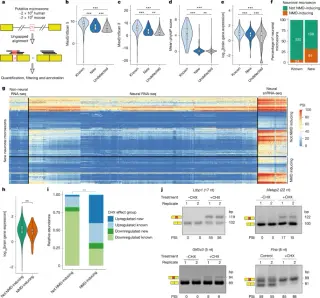
A new study identifies hundreds of previously unknown neuronal microexons and uses machine learning to define the regulatory code governing their splicing. This approach reveals rare genetic variants that disrupt microexon regulation, linking them to autism spectrum disorder in individuals without known genetic causes.

Genome Doubling: The High-Risk Evolutionary Gamble Reshaping Life
science2 months ago

Genome Doubling: The High-Risk Evolutionary Gamble Reshaping Life

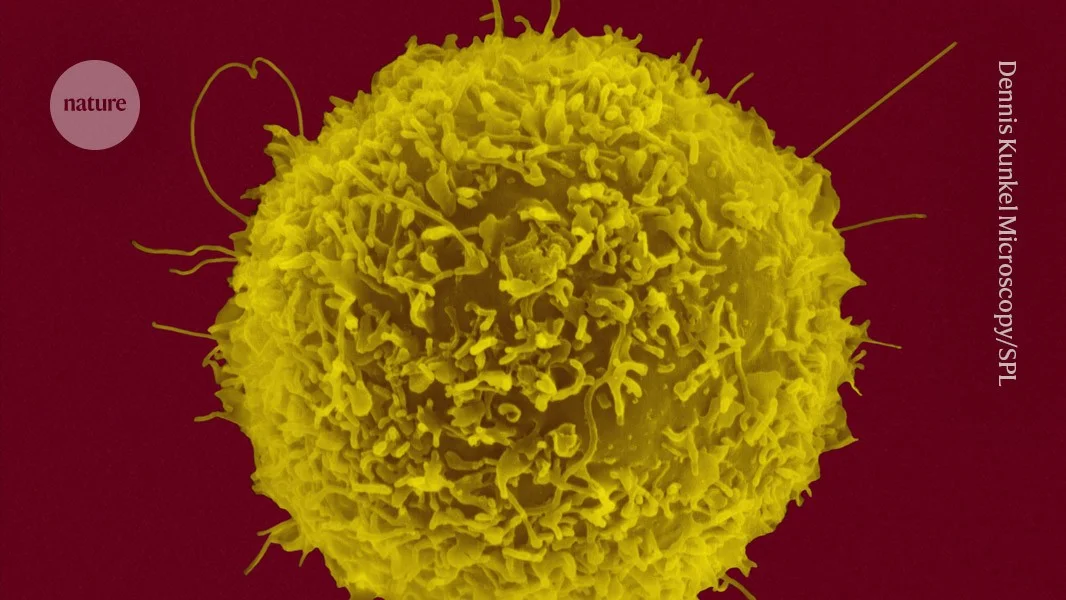
Whole-genome duplication, or polyploidy, is a rare but powerful evolutionary event that doubles an organism's genetic material. While often lethal, successful cases provide a massive source of genetic novelty, allowing rapid adaptation and the evolution of complex traits in plants, animals, and fungi. Recent studies on New Zealand snails and lab yeast reveal how organisms survive this shock and prune excess genes, highlighting polyploidy as a key driver of biodiversity despite its high failure rate.

Comprehensive Insights into Human Genome Variability from the 1000 Genomes Project
science1 year ago

Comprehensive Insights into Human Genome Variability from the 1000 Genomes Project

Scientists have released the most detailed map of human genetic variation by sequencing over 1,000 genomes worldwide, revealing new insights into structural variants, repetitive DNA, and transposons, which could impact understanding of human health and disease. The studies also highlight technological advances that allow for more complete and accurate genome assemblies, including the first gapless human genome and detailed analysis of centromeres and jumping genes.

"Study Reveals Predictable Evolution in Stick Insects"
science2 years ago

"Study Reveals Predictable Evolution in Stick Insects"

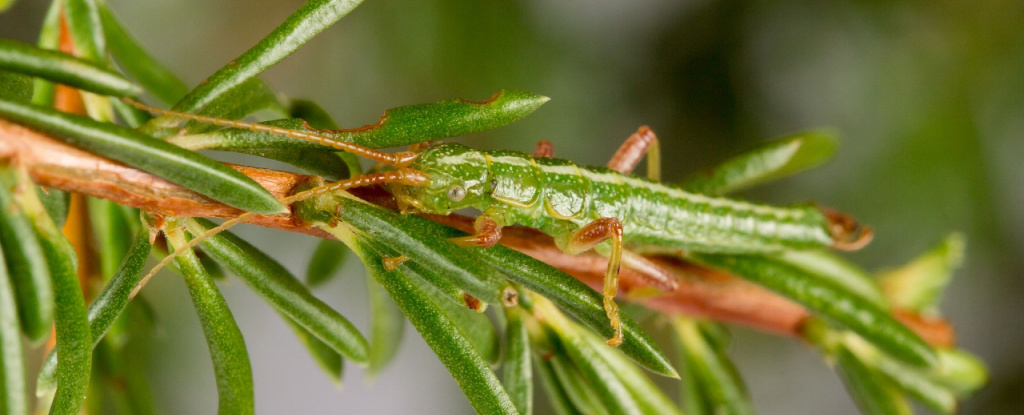
A new study on stick insects, specifically Timema cristinae, reveals that evolution can repeat itself in predictable ways. Over 30 years of data from 10 locations showed that the frequency of green and striped camouflage patterns cycled predictably, suggesting that evolution is both repeatable and complex. This finding challenges the notion that evolution is entirely random and could help scientists predict how organisms might change in response to selection pressures. The study has been published in Science Advances.

"Chernobyl's Radiation-Resistant Worms Defy Genetic Impact"
science2 years ago

"Chernobyl's Radiation-Resistant Worms Defy Genetic Impact"

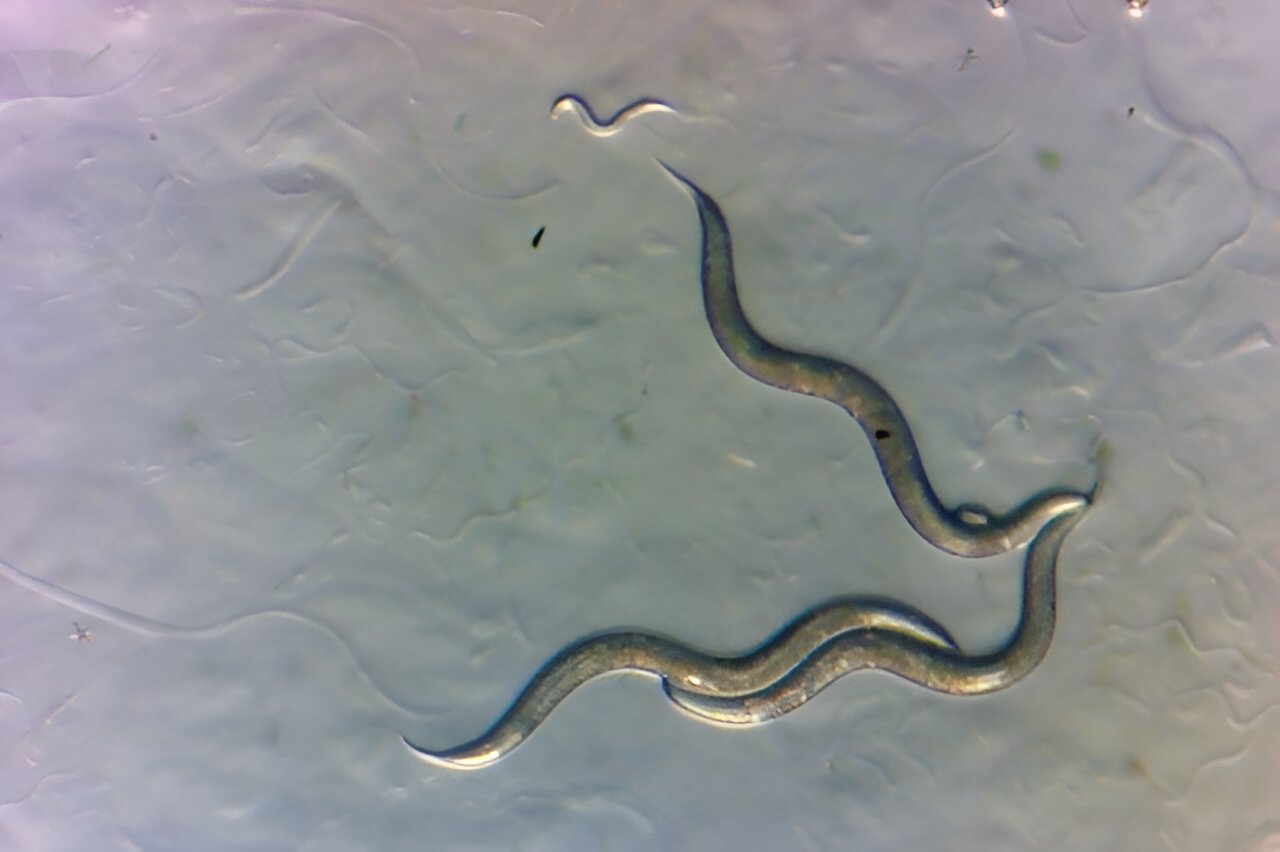
A new study led by researchers at New York University finds that microscopic worms living in the Chornobyl Exclusion Zone have not suffered genetic damage from chronic radiation exposure, suggesting exceptional resilience. The study, which focused on nematodes, revealed that the worms did not show a genetic signature of radiation damage, and their tolerance to DNA damage did not correspond to radiation levels. The findings provide insights into DNA repair and genetic variation, potentially aiding cancer research and our understanding of individual risk factors.

"Genetic Insights from the Born in Guangzhou Cohort Study on East Asian Pregnancy Outcomes"
genetics-research2 years ago

"Genetic Insights from the Born in Guangzhou Cohort Study on East Asian Pregnancy Outcomes"

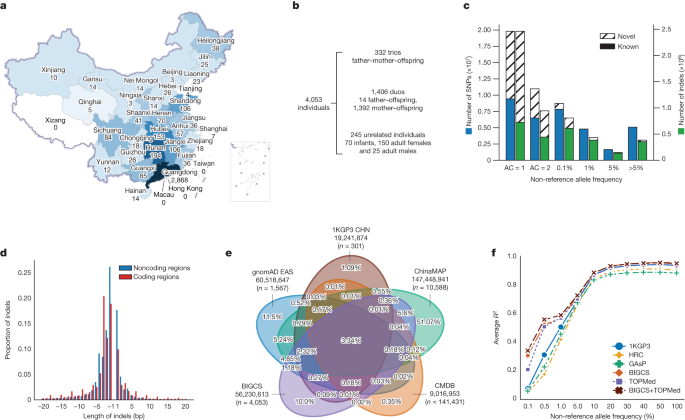
The Born in Guangzhou Cohort Study (BIGCS) has released raw sequencing data approved by The Ministry of Science and Technology of China, enabling generational genetic discoveries. The study's code and software tools are available on Github, and various publicly available software and databases were used for the research. The study references previous genetic studies and cohorts, emphasizing the importance of prospective cohort studies in understanding human genetic variation and disease.

Uncovering the Genetic Diversity of Indigenous Australians: Key to Tailored Treatments
science-and-technology2 years ago

Uncovering the Genetic Diversity of Indigenous Australians: Key to Tailored Treatments

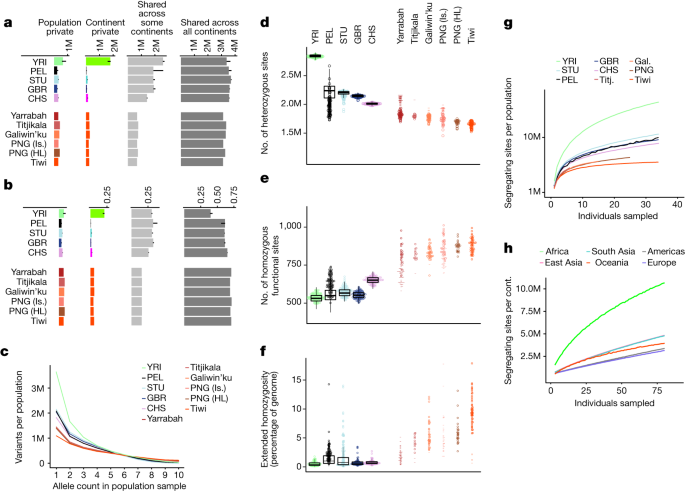
A study analyzing the genetic data of Indigenous Australians from four different regions across northern and central Australia has revealed deep population structure and rich novel genetic variation. The research highlights the need for greater representation of Indigenous populations in genomic studies and reference databases. Indigenous Australians exhibit unique genetic ancestry, with high levels of population-private variation and reduced heterozygosity. The study also emphasizes the importance of broad sampling to capture the full diversity of common and rare alleles in Indigenous populations. The findings have implications for medical research and clinical practice, as well as the understanding of human genetic variation.

"Rare White Alligator Born at Florida Park: A Phenomenal Sight"
wildlife3 years ago

"Rare White Alligator Born at Florida Park: A Phenomenal Sight"

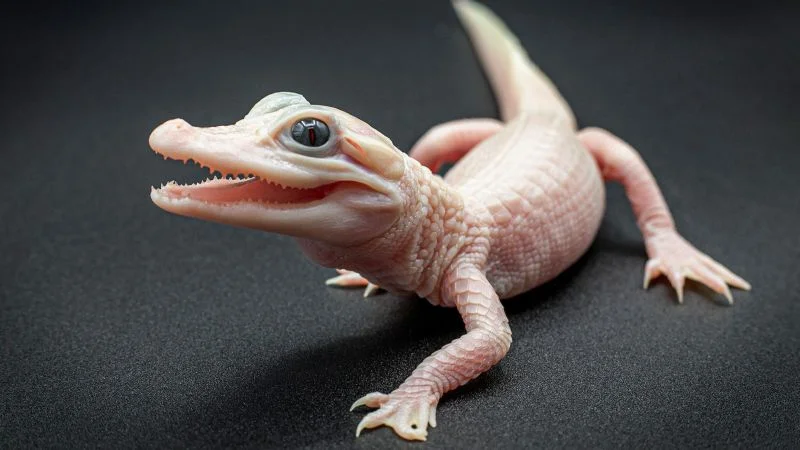
Gatorland in Orlando has announced the birth of an extremely rare white leucistic alligator, the first of its kind born in human care and one of only eight known in the world. Leucistic alligators have a white coloration with patches of normal coloration and blue eyes, distinguishing them from albino alligators. The baby alligator, a female, is in good health and will be on display at the park next year. The American alligator population, once endangered, now numbers around 5 million.

"The Surprising Influence of the 'Little Brain' on Human Cognitive Advancement"
science-and-technology3 years ago

"The Surprising Influence of the 'Little Brain' on Human Cognitive Advancement"

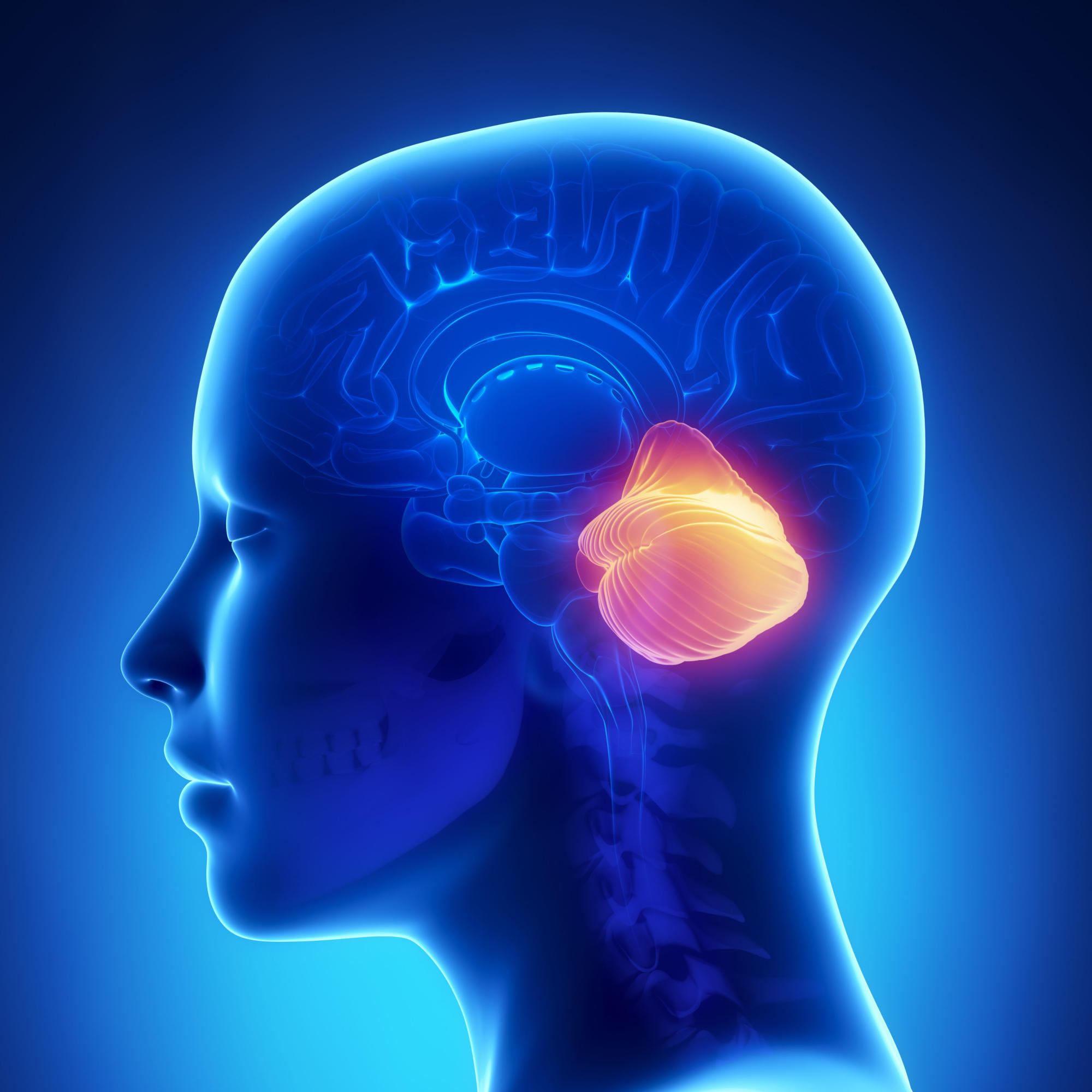
Researchers at Heidelberg University have mapped the development of the cerebellum in humans, mice, and opossums, revealing its complex structure and significant role in human cognitive evolution. The study focused on Purkinje cells and genetic variations over 160 million years, shedding light on the cellular and molecular characteristics of cerebellum development. The findings suggest that the expansion of specific types of Purkinje cells during human evolution supports higher cognitive functions. The research also identified genes with activity profiles that differ between humans and mice, which could provide valuable insights for biomedical research on neurodevelopmental disorders and childhood brain tumors.