Tag

Iberian Peninsula

All articles tagged with #iberian peninsula

Ancient Iberian Hoard Uncovers Meteorite Iron Forged Before Iron Age
science9 days ago

Ancient Iberian Hoard Uncovers Meteorite Iron Forged Before Iron Age

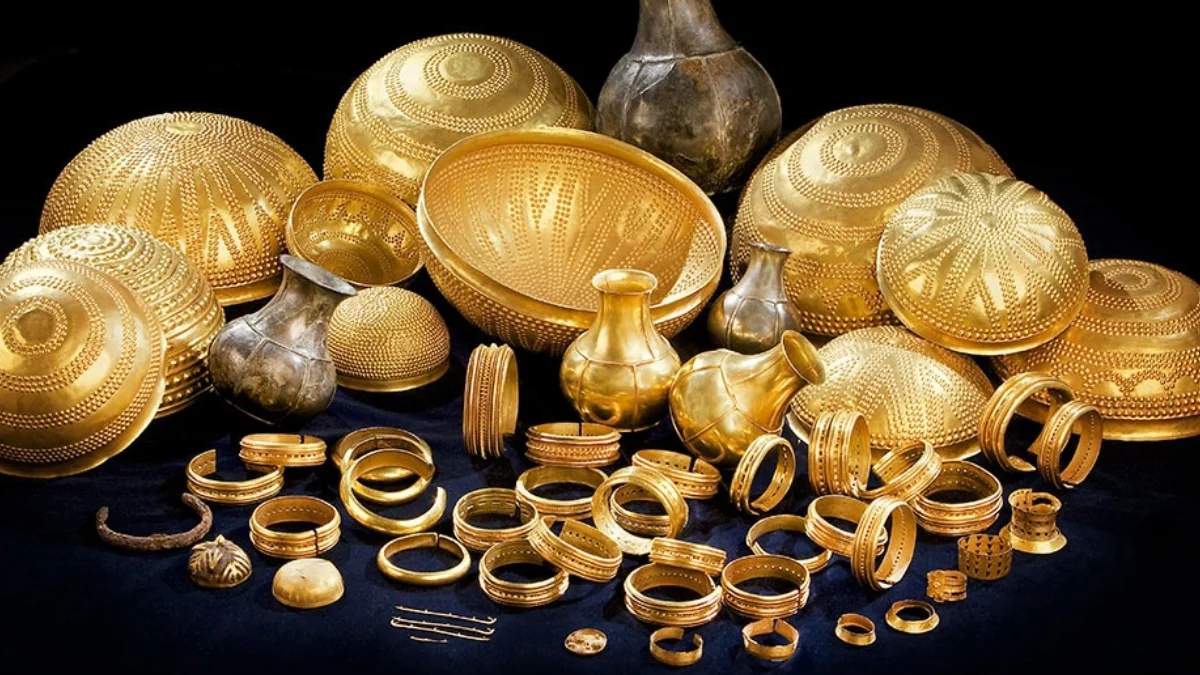
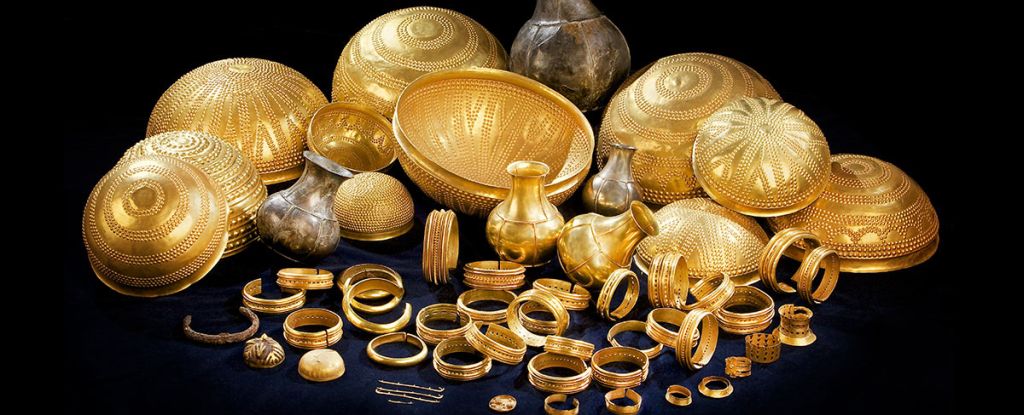
Researchers analyzing two corroded iron pieces from the 3,000-year-old Treasure of Villena in Spain determined they are meteoritic iron, making them the first such objects identified on the Iberian Peninsula and evidence of iron from space centuries before terrestrial iron smelting began. Nickel-rich signatures and other chemical markers support a extraterrestrial origin despite heavy corrosion; researchers caution that non-invasive follow-up is needed to strengthen the findings.

Bronze Age Iberia Unearths Meteoric Iron in Treasure of Villena
archaeology10 days ago

Bronze Age Iberia Unearths Meteoric Iron in Treasure of Villena

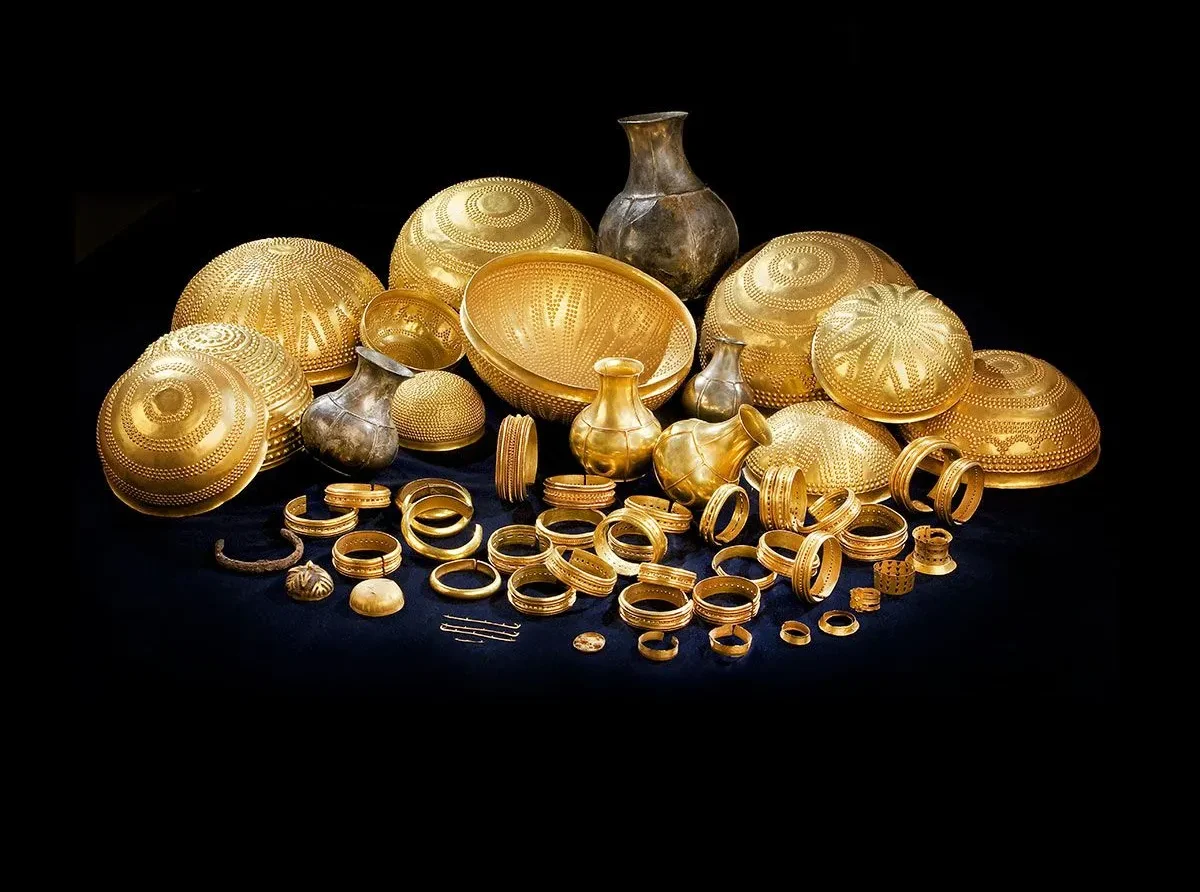
Testing two ferrous-looking pieces from Spain's Treasure of Villena (c. 1400–1200 BCE) indicates they were made from meteoritic iron, inferred from elevated nickel content measured by mass spectrometry; this places meteoritic iron among Iberian Bronze Age metalwork and suggests ironworking began earlier in Iberia than previously thought, though corrosion limits conclusive proof and further non-invasive analyses are planned.

Iberia blackout 2025 blamed on a cascade of grid factors
technology2 months ago

Iberia blackout 2025 blamed on a cascade of grid factors

An unprecedented blackout in April 2025 cut power across Spain and Portugal, with some areas offline for up to 16 hours. Entso-e’s final report says there was no single cause; a mix of interacting factors on the Spanish grid—voltage controls not aligned with the grid operator, manual voltage management slowing responses, Spain’s wider voltage range, and inadequate reactive power assets—triggered a sudden voltage rise and cascading generation. Portugal was affected due to its close interconnection. The report stops short of blame but recommends better coordination among transmission and distribution operators and other energy-system players to prevent a recurrence.

Meteoric Iron Rewrites Iberian Bronze Age Metalwork
science4 months ago

Meteoric Iron Rewrites Iberian Bronze Age Metalwork

Testing two ferrous-looking items from the Villena Treasure—the hollow iron hemisphere and a bracelet—found evidence they are made of meteoritic iron, indicated by nickel content measured despite heavy corrosion. Dating places them around 1400–1200 BCE, earlier than the Iberian Iron Age’s terrestrial iron production (~850 BCE), suggesting advanced metallurgical skills in Iberia over 3,000 years ago. While the results are not conclusive due to corrosion, non-invasive methods could further confirm the meteoritic origin and timing.

Ancient Gibraltar Hearth: Neanderthal Glue Production Site?
archaeology1 year ago

Ancient Gibraltar Hearth: Neanderthal Glue Production Site?

Archaeologists have uncovered a 65,000-year-old hearth in Gibraltar, believed to be a Neanderthal "glue factory" used to produce tar for hafting tools and weapons. This discovery highlights the Neanderthals' advanced engineering skills, as they precisely controlled fire to distill resin from rockrose plants. The process involved creating a sealed environment to prevent oxygen from burning the resin, showcasing their ability to manage complex tasks and work collaboratively.

Alien Metal Discovered in Ancient Treasure Hoard
science-and-technology1 year ago

Alien Metal Discovered in Ancient Treasure Hoard

Researchers have discovered that two corroded artifacts from the Treasure of Villena, a Bronze Age cache in Spain, are made from meteoritic iron, suggesting advanced metalworking techniques in Iberia over 3,000 years ago. The iron bracelet and hollow hemisphere, initially puzzling due to their ferrous appearance, were tested and found to contain high nickel content, indicative of meteoritic origin. This aligns them with the rest of the collection, dating back to 1400-1200 BCE, and marks them as the first known meteoritic iron artifacts in the Iberian Peninsula.

Scientists Uncover Why Orcas Are Ramming Boats
scienceenvironment2 years ago

Scientists Uncover Why Orcas Are Ramming Boats

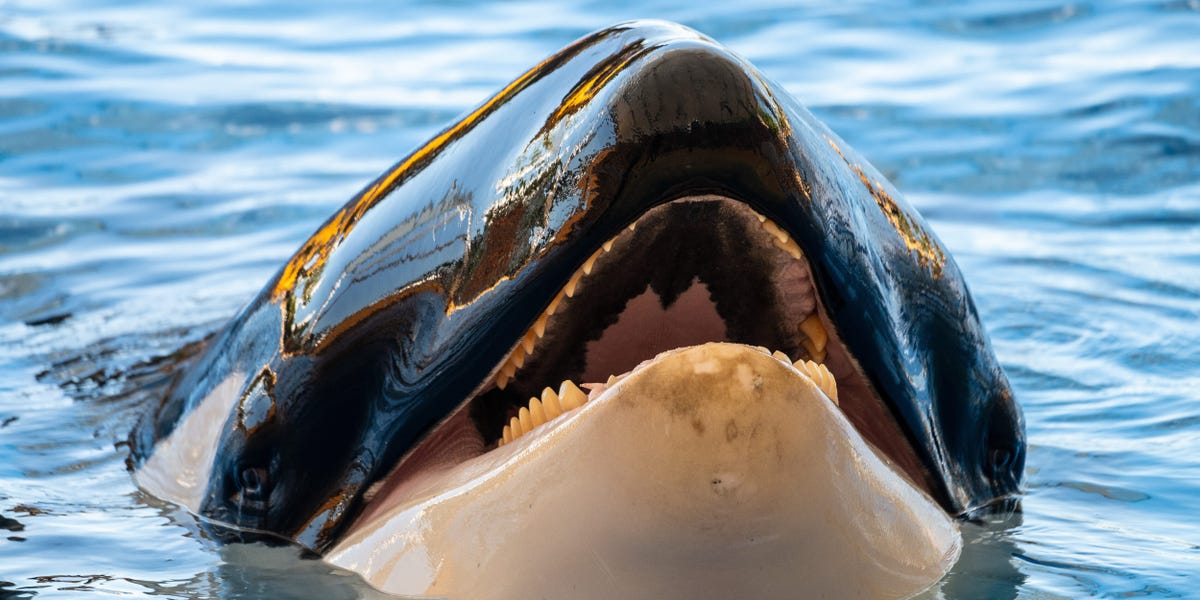
Scientists believe that orcas ramming boats around the Iberian Peninsula is a playful behavior rather than aggression. The trend, started by curious juvenile orcas, has spread through the population as a form of entertainment due to increased tuna populations reducing their hunting time. Despite the damage, no injuries have been reported.

"Scientists Reveal Teen Orcas' Boat Attacks Are Playful Antics"
environment2 years ago

"Scientists Reveal Teen Orcas' Boat Attacks Are Playful Antics"

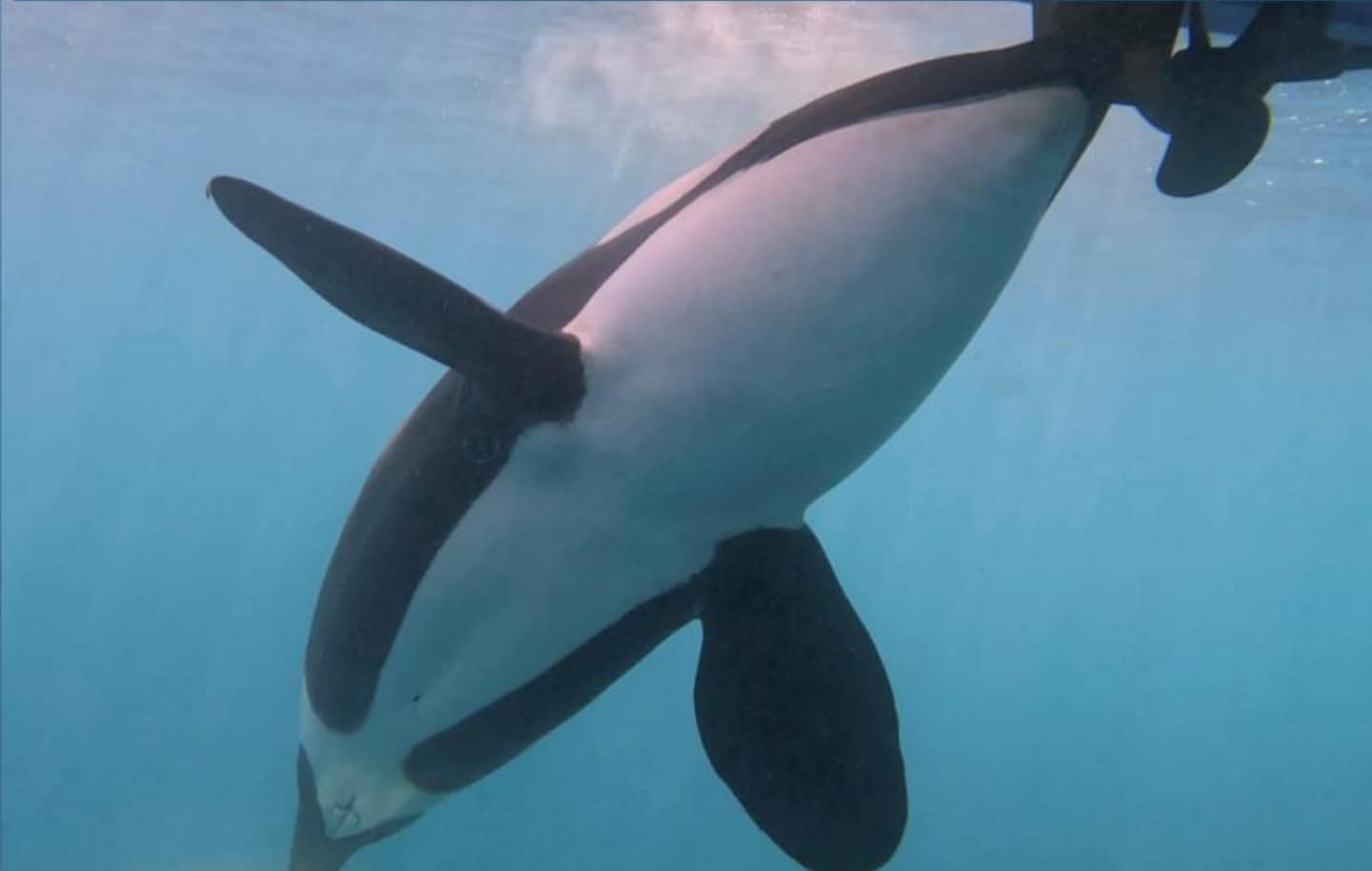
Scientists believe that the recent spate of orca attacks on boats off the Iberian Peninsula is not due to aggression but rather playful behavior by juvenile whales. The orcas, mostly young males, are likely engaging with boat rudders as a form of entertainment, similar to human fads. Researchers are exploring methods to deter this behavior without harming the whales, such as altering rudder surfaces and using sound devices.

"Scientists Probe Orcas' Boat-Sinking Spree"
environment2 years ago

"Scientists Probe Orcas' Boat-Sinking Spree"

An international group of scientists has concluded that the recent trend of orcas ramming and sinking boats off the coasts of Spain, Portugal, France, and Morocco is likely due to young, bored orcas engaging in playful behavior. The orcas, particularly juveniles, have been interacting with boat rudders as a form of entertainment, a behavior that has increased as their primary prey, bluefin tuna, has become more abundant. The scientists recommend boaters avoid areas with high orca activity and use deterrents to prevent interactions.

"Bronze Age Treasure: Extraterrestrial Metal Unearthed on the Iberian Peninsula"
archaeology2 years ago

"Bronze Age Treasure: Extraterrestrial Metal Unearthed on the Iberian Peninsula"

The Villena Treasure, a remarkable Bronze Age collection found in Spain, contains artifacts made with iron from a meteorite that crashed into Earth about a million years ago. Recent research has revealed that two of the iron objects in the treasure were crafted from extraterrestrial material, shedding light on Late Bronze Age metallurgical practices and demonstrating how ancient cultures innovated with new technologies. These artifacts not only serve as historical treasures but also provide insight into the development of new technologies and societal evolution, making them the first and oldest meteoritic iron artifacts discovered on the Iberian Peninsula.

Orcas Continue to Pose Threat to Sailors, Sinking Boats in Europe and Morocco
environment2 years ago

Orcas Continue to Pose Threat to Sailors, Sinking Boats in Europe and Morocco

Orcas off the coast of the Iberian Peninsula have been ramming and sinking boats, causing concern among sailors. Marine biologists are studying this phenomenon, theorizing that the behavior may be a learned fad among curious young orcas. Some researchers believe the ramming is a playful interaction, while others suggest it could be an adverse behavior resulting from a bad experience. Conservationists and yacht clubs are working together to protect the endangered orcas and provide safety protocols for sailors encountering them, including staying quiet and charting routes closer to shore.