Tag

Joint Pain

All articles tagged with #joint pain

Nine Red Flags That Could Signal Chronic Inflammation
health12 days ago

Nine Red Flags That Could Signal Chronic Inflammation

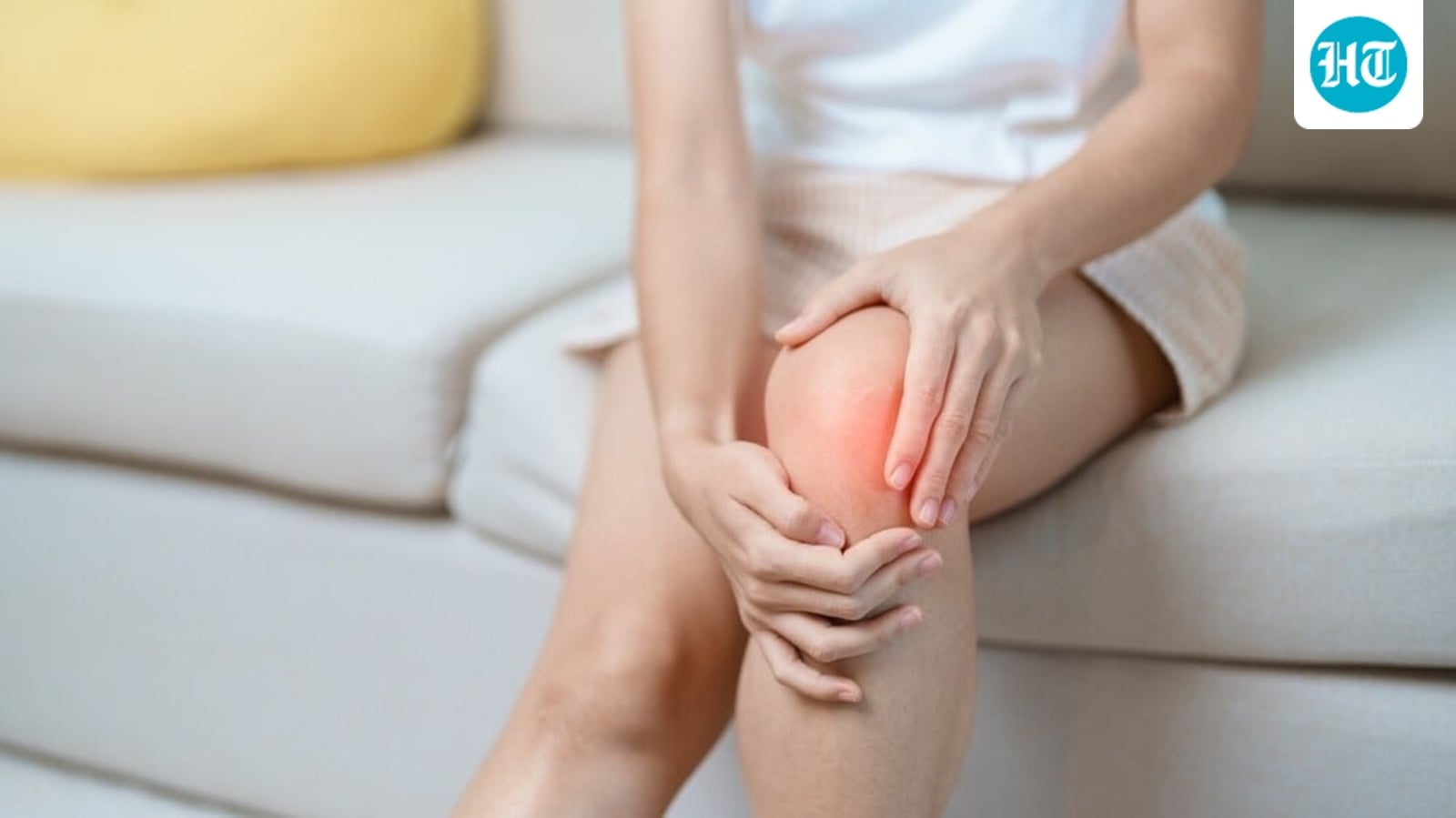
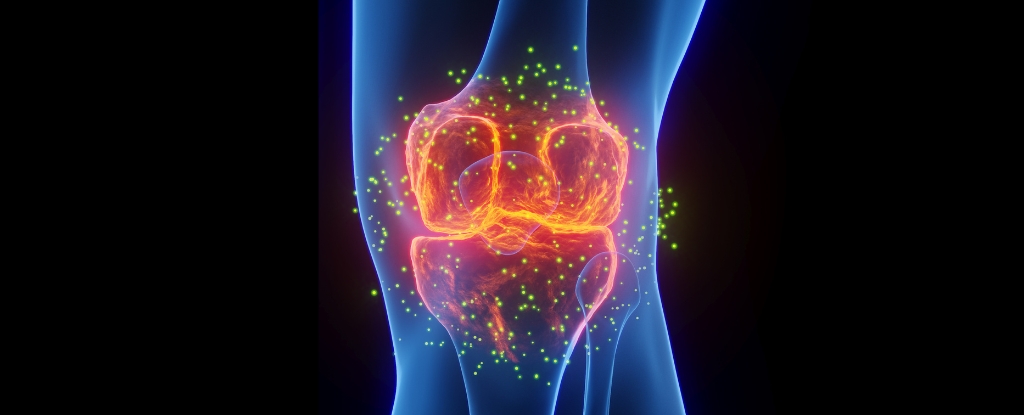
Chronic inflammation isn’t just aging or a single disease. Experts describe persistent fatigue, joint pain and stiffness, unexpected weight changes, skin issues, poor sleep, malaise, GI symptoms, fevers, and cognitive fog as potential red flags. Diagnosis can be challenging because there’s no single gold-standard test; doctors rely on history, physical exams, and tests like ANA, C-reactive protein, and ESR. Start with a primary care physician and consider rheumatology if symptoms suggest inflammatory disease. Risk factors include genetics, smoking, stress, excess abdominal fat, poor sleep, and processed-food diets. Lifestyle steps—quality sleep, regular exercise, healthy weight, Mediterranean diet, and avoiding smoking—can help reduce inflammation. Ensure not to self-diagnose; consult a clinician for proper evaluation.


Exercise: The Unexpected Frontline Treatment for Arthritic Joints
health3 months ago

Exercise: The Unexpected Frontline Treatment for Arthritic Joints

New evidence suggests regular, guided physical activity should be a first-line treatment for osteoarthritis to reduce pain and improve mobility, often outperforming temporary fixes like drugs or injections. While some patients are steered toward surgery, many benefit from supervised exercise that strengthens the whole joint and may lower systemic inflammation. Aerobic activities such as brisk walking, swimming, or cycling tend to yield the largest short-term pain relief, with yoga, tai chi, pilates, and resistance training also helping. The key is a sustainable, professionally guided plan—the best type of exercise is the one a person can consistently do—to manage symptoms and potentially reduce the need for invasive procedures over the long term.

Rheumatoid Arthritis: More Than Joint Pain—Spotting the Early Signs
health3 months ago

Rheumatoid Arthritis: More Than Joint Pain—Spotting the Early Signs

Rheumatoid arthritis is an autoimmune disease marked by joint pain, morning stiffness, swelling, and fatigue; early diagnosis and treatment with DMARDs and biologics, along with physical therapy, regular movement, sleep, stress management, and an anti-inflammatory diet, can slow progression and protect joints, though symptoms can wax and wane and may include mood changes and other systemic effects.

Chill-Proof Joints: Essential Winter Pain-Relief Picks
shopping7 months ago

Chill-Proof Joints: Essential Winter Pain-Relief Picks

Colder weather can worsen joint stiffness by reducing circulation and thickening synovial fluid; this HuffPost Shopping guide lists practical, affordable relief options—from massage balls and heated knee massagers to magnesium lotion, compression socks, foam rollers, leg massagers, arthritis gels, and a heated blanket—with brief descriptions and price points to help readers ease winter joint pain.

Top Dietary Tips to Prevent Gout and Lower Uric Acid Levels
health8 months ago

Top Dietary Tips to Prevent Gout and Lower Uric Acid Levels

High uric acid levels, which can cause gout and joint pain, are often triggered by certain foods rich in purines. To manage and prevent symptoms, it is recommended to avoid red meats, organ meats, certain seafood, processed foods, alcohol, excessive lentils, sugary drinks, and high-fat dairy products. Making dietary and lifestyle changes can significantly reduce flare-ups and long-term health risks.

Expert Reveals Exercise as Key to Easing Joint Pain
health10 months ago

Expert Reveals Exercise as Key to Easing Joint Pain

Experts emphasize that regular movement and exercise are the most effective treatments for joint pain and osteoarthritis, yet many patients are not receiving this guidance, leading to unnecessary surgeries and worsening conditions. Exercise helps protect joint cartilage, strengthen muscles, reduce inflammation, and improve overall joint health, making it a crucial, non-invasive approach to managing and preventing osteoarthritis.

Rethinking the 10,000 Steps Goal: When Walking Might Not Be Beneficial
health10 months ago

Rethinking the 10,000 Steps Goal: When Walking Might Not Be Beneficial

While walking 10,000 steps daily is popular for health benefits, it is not suitable for everyone. Individuals with unstable heart conditions, advanced peripheral artery disease, severe musculoskeletal pain, recent surgery, or acute injuries should avoid this target, as it can worsen their health. Instead, personalized, moderate activity levels are recommended for these groups.

Global Alert: Chikungunya Outbreaks and Rising Risks
health1 year ago

Global Alert: Chikungunya Outbreaks and Rising Risks

The WHO has issued a warning about the resurgence of chikungunya, a mosquito-borne virus causing severe joint pain that can last years, with risks increasing globally due to climate change. Prevention focuses on eliminating stagnant water, using repellents, and community efforts, as there is no vaccine yet. The virus spreads through Aedes mosquitoes, not person-to-person contact, and vulnerable groups include the elderly and those with weakened immune systems.

Herb Offers Natural Relief for Arthritis Joint Pain
health1 year ago

Herb Offers Natural Relief for Arthritis Joint Pain

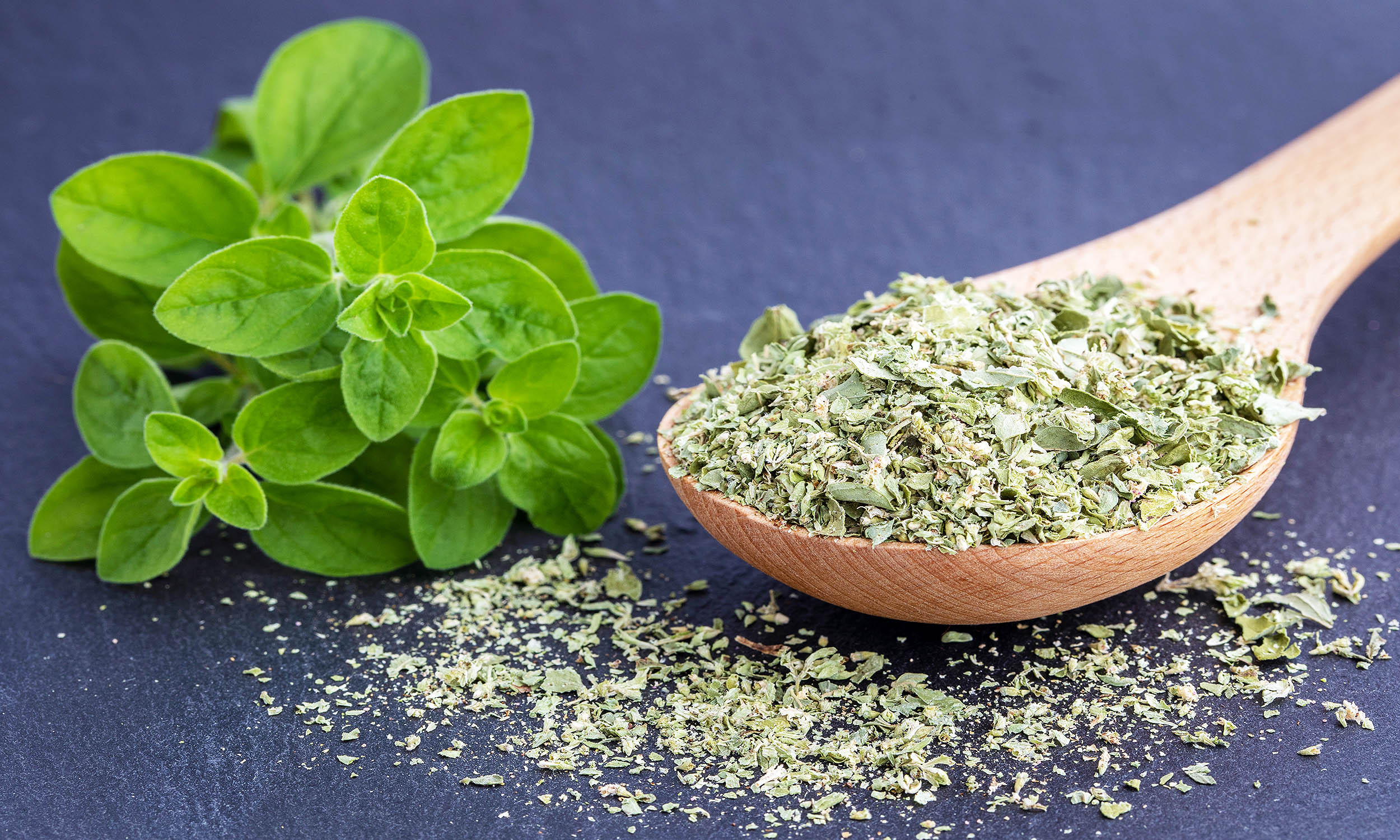
Oregano, a common kitchen herb, contains beta-caryophyllene, which has been shown to reduce joint pain and inflammation, making it a potential dietary aid for those with osteoarthritis. While not a cure-all, incorporating oregano into meals may offer subtle health benefits alongside traditional treatments. This highlights the broader potential of everyday foods in managing chronic conditions.

Unlocking the Benefits of Collagen: From Wrinkles to Wellness
health-and-wellness1 year ago

Unlocking the Benefits of Collagen: From Wrinkles to Wellness

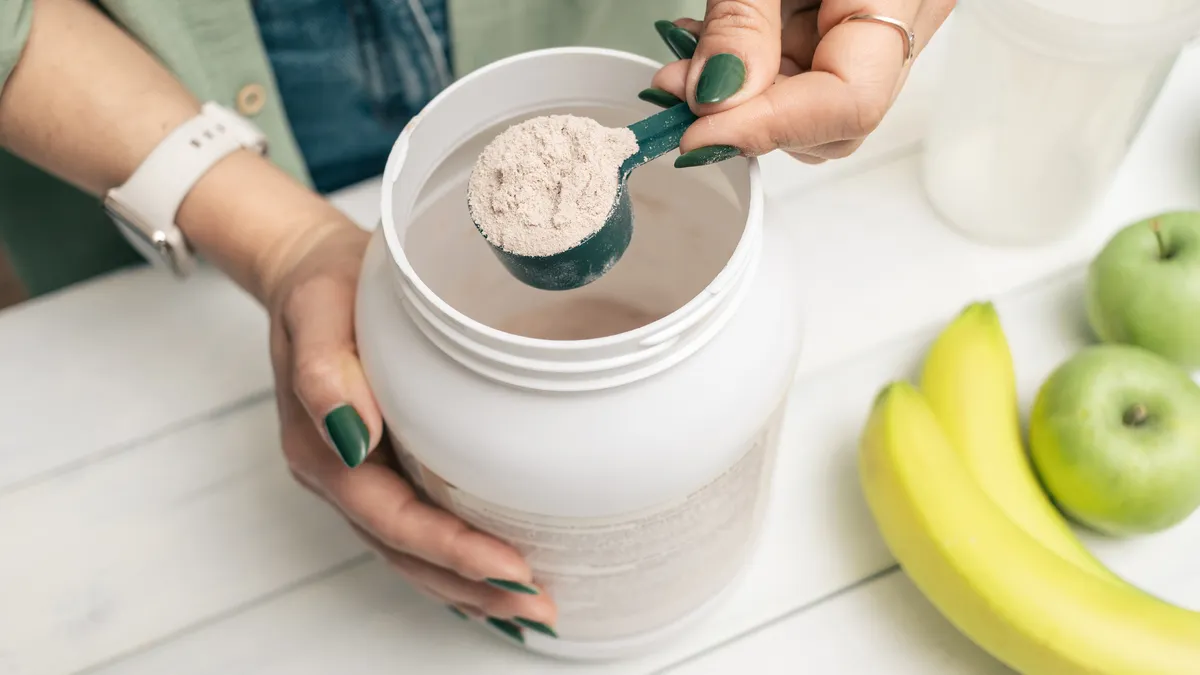
Collagen supplements are gaining popularity for their potential benefits in improving skin elasticity, reducing joint pain, and promoting bone and hair health. As a key protein in the body, collagen production declines with age, leading to wrinkles and joint issues. While supplements can help counteract these effects, they may contain animal products and allergens, and their regulation and effectiveness are not fully established. A balanced diet with collagen-rich foods is recommended alongside supplements for optimal health benefits.