Tag

Habitat

All articles tagged with #habitat

Earth Could Host Life for Another 1.8 Billion Years, New Study Finds
science1 month ago

Earth Could Host Life for Another 1.8 Billion Years, New Study Finds

New research suggests life on Earth could persist for roughly 1.8 billion more years as the Sun brightens and atmospheric CO2 falls. The study, based on 29 climate models, finds that plant life could endure longer if CAM photosynthesis remains prevalent, potentially up to about 1.84–1.87 billion years under certain weathering scenarios, while other plant types could end sooner (around 1.35–1.84 billion years). The timeline is tied to solar luminosity and the carbonate-silicate cycle, with life likely ending well before the Sun becomes a red giant due to ocean loss and extreme heat. The authors caution that these results assume current photosynthesis and call for more 3-D modeling to better constrain the timescales.

Cephalopods challenge the social brain rule: ecology drives big brains
science1 month ago

Cephalopods challenge the social brain rule: ecology drives big brains

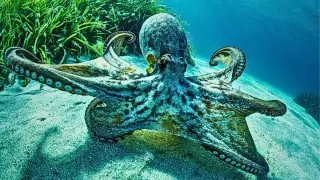
New research argues big brains aren’t solely a product of social living. An analysis of 79 cephalopod species shows habitat and ecological complexity better predict brain size than sociality, with bottom-dwelling, shallow-water species having larger brains even when solitary. The findings support the cultural brain hypothesis, which posits brains evolve to store and process information learned either socially or asocially, implying multiple evolutionary routes to intelligence beyond social structures. While correlation cannot prove causation, the study suggests ecology as a primary driver of cephalopod brain size and invites reevaluation of brain-evolution theories.

NASA maps a multi-mission sprint toward a permanent Moon base
space3 months ago

NASA maps a multi-mission sprint toward a permanent Moon base

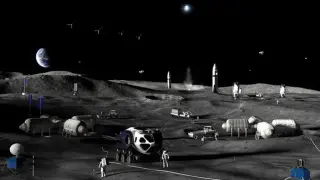
NASA unveiled a multi-mission Artemis roadmap to lay the groundwork for a sustained lunar base, featuring uncrewed landers, rovers and drones from Blue Origin, Astrobotic, Intuitive Machines, Astrolab and Lunar Outpost, with MoonFall drones (built by Firefly Aerospace) targeting a 2028 launch. The plan aims to establish semi-habitable infrastructure by 2032 and full surface habitats by 2036, while astronauts are expected to land on the Moon in 2028 (potentially twice that year). Whether the timeline holds depends on commercial partners delivering on schedule.

Sword-horned Spinosaurus reveals inland river hunter, upending coastal predator idea
science6 months ago

Sword-horned Spinosaurus reveals inland river hunter, upending coastal predator idea

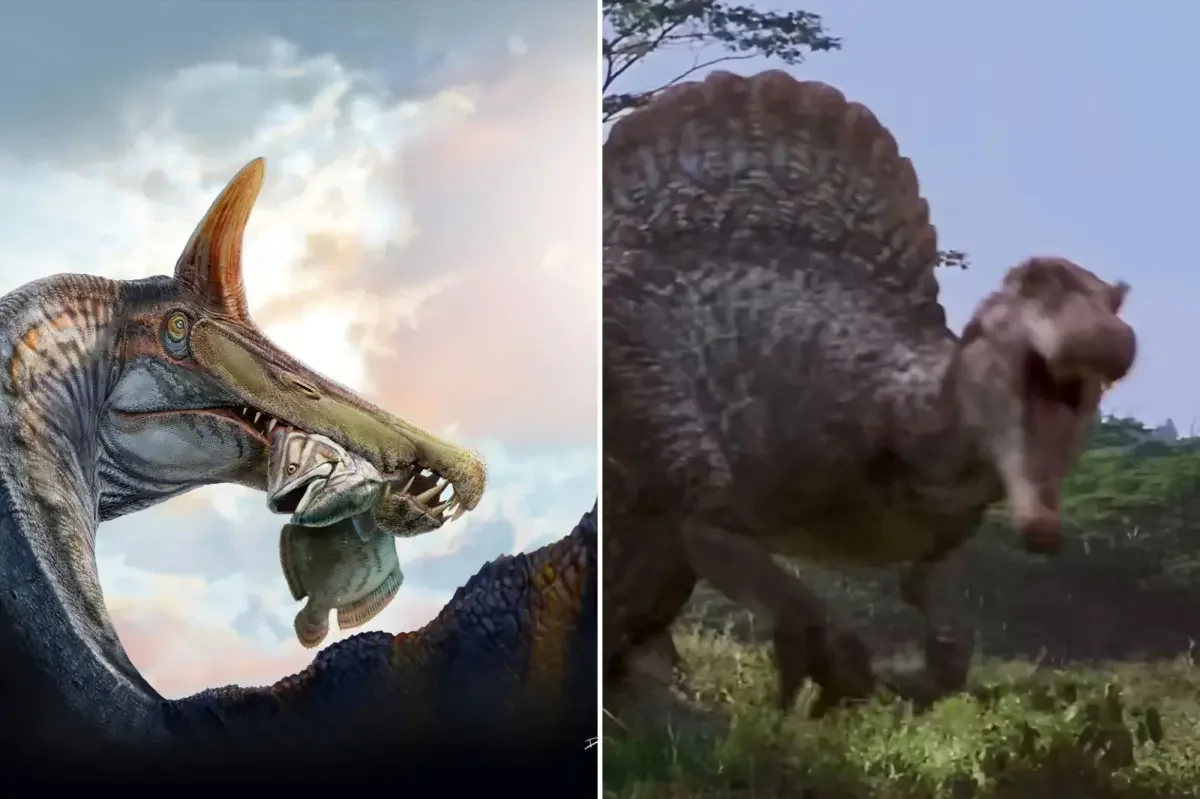
Paleontologists in Niger announce a new Spinosaurus species, Spinosaurus mirabilis, featuring a 20-inch sword-like horn and a unique jaw arrangement, discovered inland far from the coast. The fossil suggests this fish-eating predator lived in forested river systems and grew to roughly the size of a Tyrannosaurus rex, with a sail-like back, challenging the view that Spinosaurus hunted exclusively in marine environments.

Elusive Humboldt marten resurfaces in California forests with about 500 individuals remaining
environment7 months ago

Elusive Humboldt marten resurfaces in California forests with about 500 individuals remaining

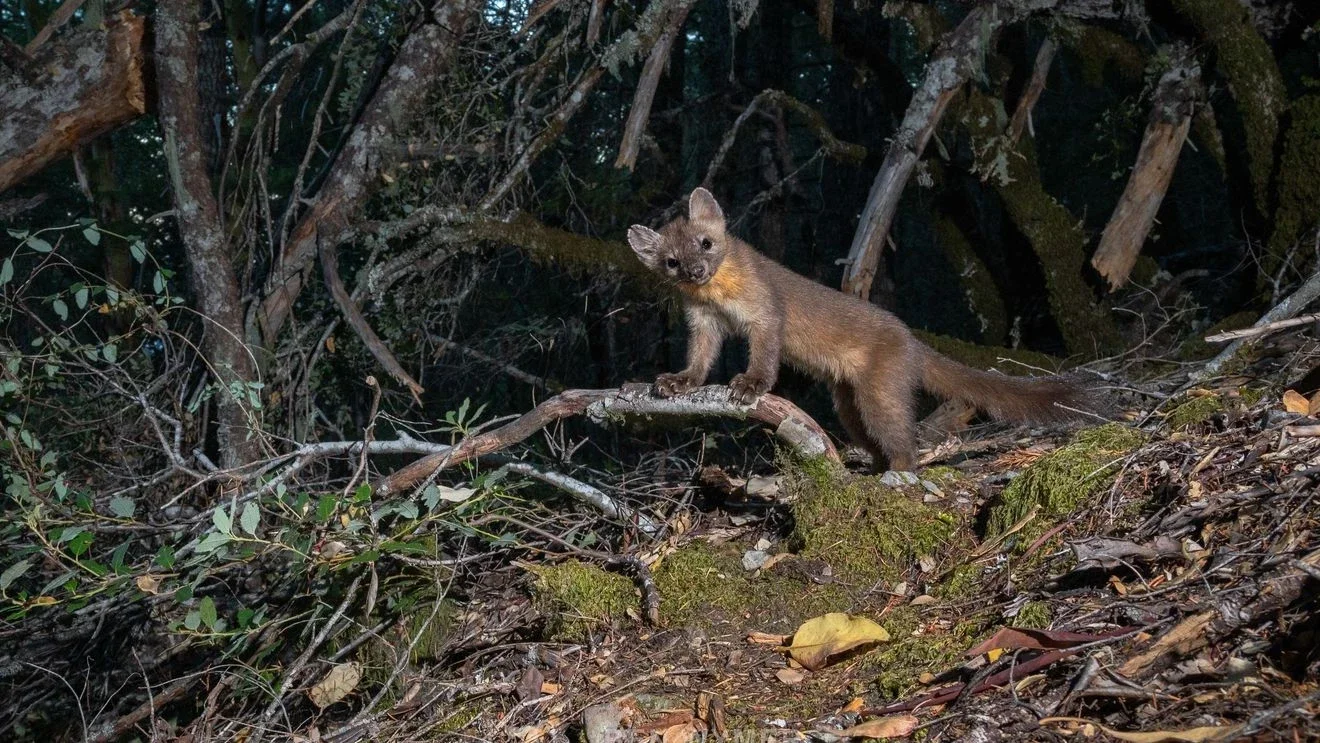
A rediscovered coastal marten (Humboldt marten) in northern California is estimated to number about 500 individuals, occupying roughly 5% of its historic range. Researchers used 135 remote cameras and 285 hair snares over 400 square kilometers to gather data, finding 28 males and 18 females and a density of about one marten per three square kilometers. The species favors complex, high-canopy forests with large trees, snags, and hollow logs. Habitat loss, climate change, and logging threaten its survival, underscoring the need for forest protection and continued monitoring.

Coastal martens mapped: OSU study reveals habitat preferences and a 46-individual snapshot
science7 months ago

Coastal martens mapped: OSU study reveals habitat preferences and a 46-individual snapshot

Oregon State University researchers conducted a three-month study in 2022 in a 150-square-mile coastal area near Klamath to map the coastal marten’s population and habitat using hair-based genetic analysis, identifying 46 martens (28 males, 18 females). Martens favored high-elevation, snow-rich ridges and lower-elevation riparian/coastal forests with complex structure—forests with more than 50% canopy, many large trees, snags, and coarse woody debris. The coastal marten, once ranging from northern Oregon to northern California, declined due to fur trapping; current distribution and demography remain incompletely understood, underscoring the need for further conservation-focused research.

"NASA Seeks Volunteers for Yearlong Mars Simulation Mission"
space-exploration2 years ago

"NASA Seeks Volunteers for Yearlong Mars Simulation Mission"

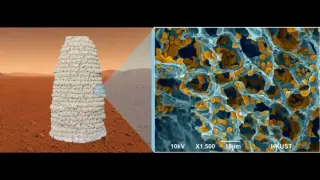
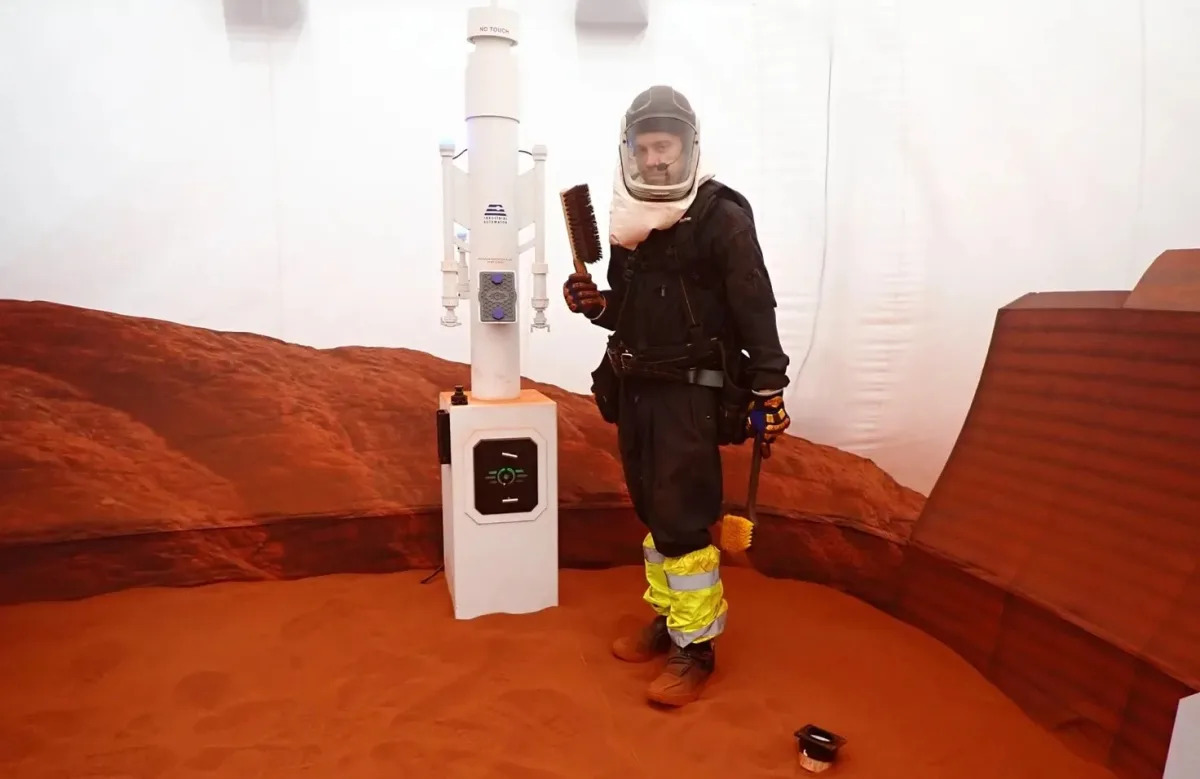
NASA is seeking volunteers for its yearlong simulated Mars mission, CHAPEA 2, starting in spring 2025, where four crew members will live in a 3D-printed habitat in Houston to simulate life on Mars. Applicants must be US citizens aged 30-55 with a master’s degree in a STEM field, English proficiency, and professional experience, and the mission involves habitat maintenance, crop growing, and simulated spacewalks. The first mission is currently underway, and applications are open until April 2.

"Uncovering the Groundhog Day Phenomenon: From Climate History to Strange Celebrations"
animals2 years ago

"Uncovering the Groundhog Day Phenomenon: From Climate History to Strange Celebrations"

Groundhogs, including Punxsutawney Phil, are more than just weather predictors on Groundhog Day. They are true hibernators, with a reduced metabolism and lowered body temperature during winter dormancy. Emerging in February, not to see their shadow, but to find a mate, groundhogs have intricate burrow systems for protection. Despite their solitary nature, they can be territorial and aggressive, and their extensive burrows can cause damage to gardens and agricultural crops.

Unusual Coexistence: Sharks Thrive in Australian Sponge Habitats
marine-biology2 years ago

Unusual Coexistence: Sharks Thrive in Australian Sponge Habitats

Researchers in Australia have made an unexpected discovery of banded sand catsharks, a small shark species, living inside sponges. The sharks, which are vulnerable to predation by larger sharks and fish, may use the sponges as a hiding place during the day to avoid becoming prey themselves. The researchers found as many as 30 sharks packed into a single sponge and suspect that the sponges may benefit from the sharks' presence by having protection from small fish or invertebrates that would otherwise feed on them. Further investigation is needed to understand the full extent of this behavior and its implications.

Living on Mars: Volunteers Begin Year-Long Stay in NASA's 3D-Printed Habitat
space-exploration3 years ago

Living on Mars: Volunteers Begin Year-Long Stay in NASA's 3D-Printed Habitat

Four volunteers have moved into Mars Dune Alpha, a 3D-printed habitat designed by BIG for NASA's CHAPEA program. The volunteers, consisting of a research scientist, an engineer, a science officer, and a medical officer, will spend one year living and working inside the structure to evaluate its feasibility for long-duration missions to Mars. The simulation will help NASA gather data on cognitive and physical performance, resource limitations, equipment failure, communication delays, and other environmental stressors. The habitat was 3D-printed by Icon and is located at the Johnson Space Center in Houston.