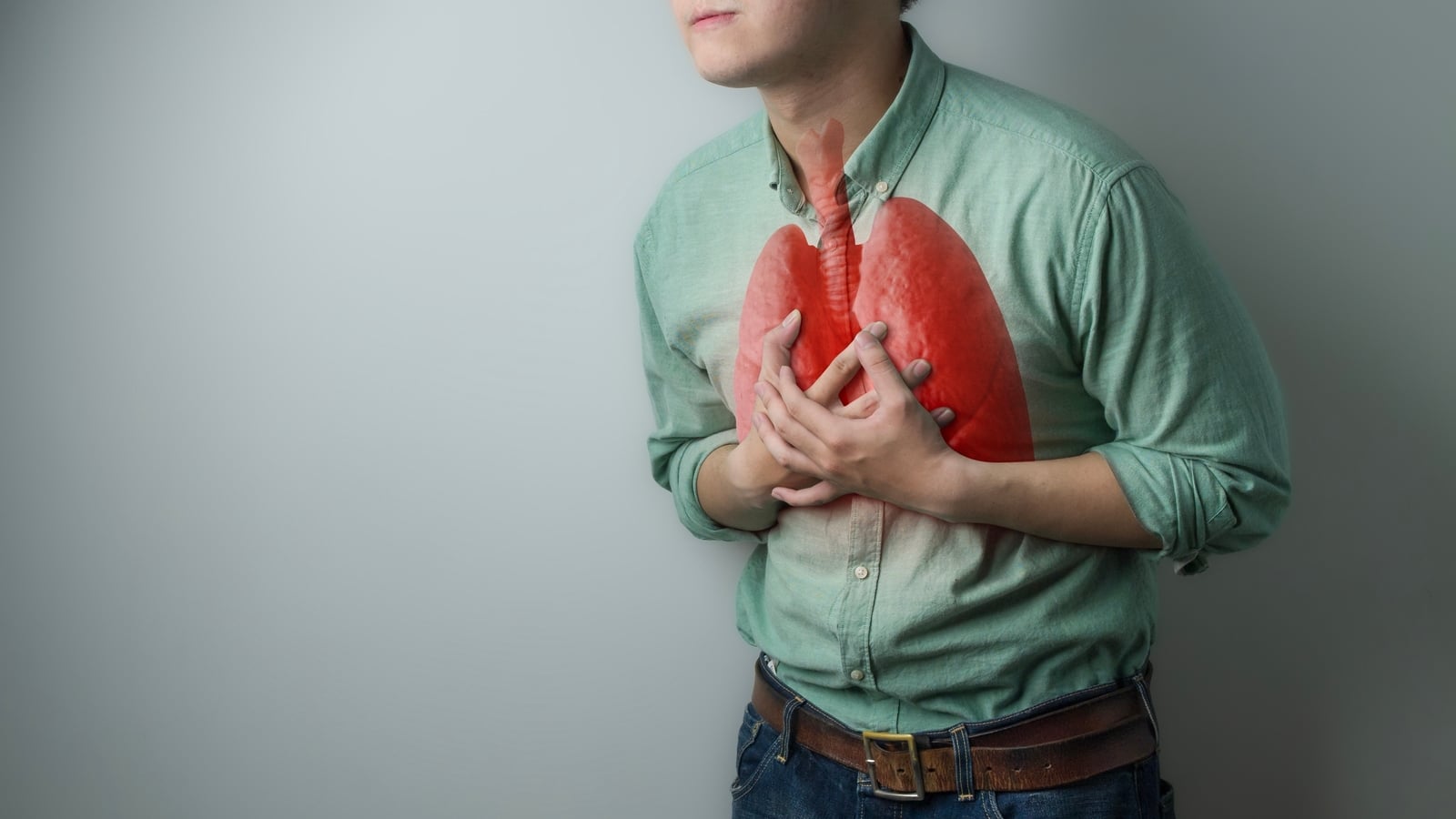
Experts say the lungs can repair after quitting smoking, improving health, but recovery varies by person and age; some damage or genetic changes may persist, so quitting earlier and maintaining a healthy lifestyle (e.g., exercise) is advised.
A Kentucky teenager’s attempt to “look cool” by vaping led to two pneumothorax episodes, requiring an 18-inch chest tube and later a pleurodesis to re-expand his lung. After quitting, he still experiences pain, and his mother is urging nationwide restrictions on vaping to protect youths, highlighting ongoing concerns about vaping-related health risks among teens and young adults.
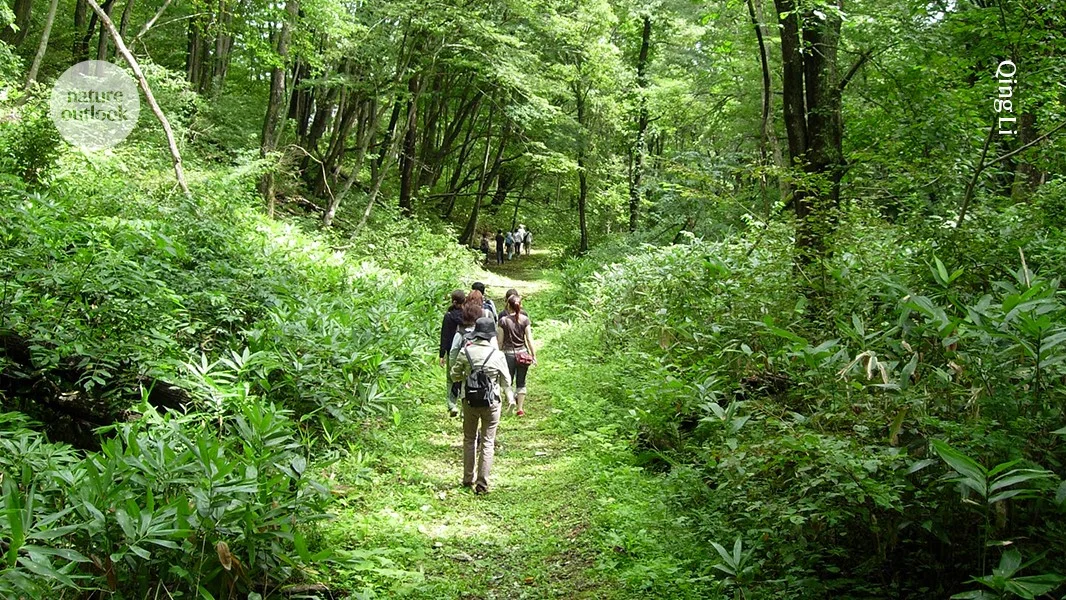
Nature Outlook reports that time spent in forests may support respiratory health beyond stress relief, via inhaled BVOCs (phytoncides such as terpenes) released by trees that can bolster immune function (including natural killer cells) and reduce inflammatory signals linked to asthma and COPD. However, the evidence is still limited and mostly correlational, with small studies and short follow-ups, so more rigorous trials are needed; in parallel, reducing pollution and restoring forests could offer substantial public-health benefits.
Dr. Gurmeet Singh Chabbra emphasizes that while some lung damage from smoking and pollution may be irreversible, lifestyle changes such as quitting smoking, exercising, improving indoor air quality, eating antioxidant-rich foods, staying hydrated, practicing breathing exercises, and getting vaccinated can help restore lung function and prevent further harm.
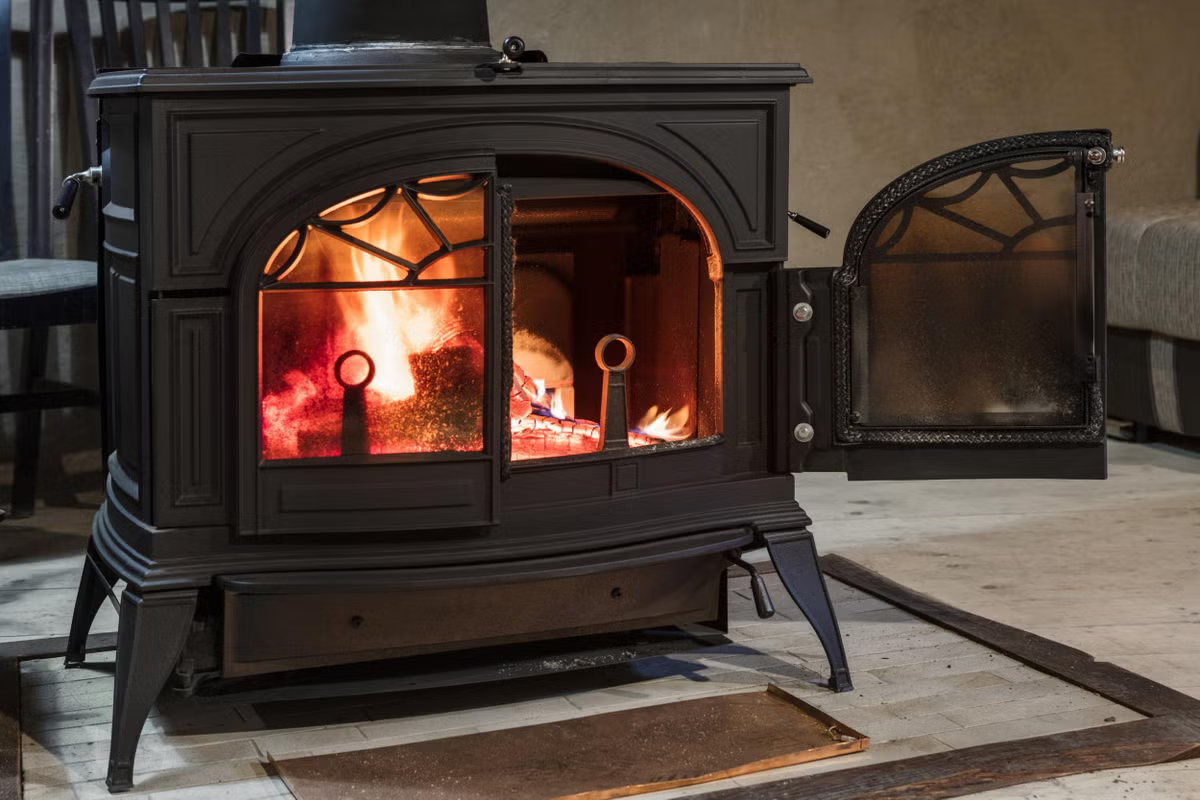
A study links indoor wood burning to increased lung damage, showing that it causes faster decline in lung function similar to cigarette smoke, raising health concerns despite its popularity in affluent areas.
The article emphasizes the importance of exercising often-overlooked body parts such as the brain, lungs, wrists, and toes to improve overall health and prevent decline, offering specific exercises and habits for each area.
The article discusses how lung health reflects overall aging and offers simple at-home tests to assess lung capacity, along with tips for improving lung function through exercise, diet, and lifestyle changes to promote healthier aging.
A study by the University of Technology Sydney found that moon dust is less toxic to human lungs than urban air pollution, suggesting it may not cause long-term respiratory damage, unlike silica dust. Despite its abrasiveness, moon dust's toxicity is minimal, which could benefit future lunar missions like NASA's Artemis program, aiming for a sustained human presence on the Moon.
A recent study found that people with COPD have significantly more carbon particles in their lungs than smokers, with larger and more carbon-laden alveolar macrophages, indicating greater soot accumulation in COPD patients.
A new treatment using the monoclonal antibody benralizumab has shown significant promise in managing severe asthma and COPD attacks, marking the first major breakthrough in 50 years. The treatment, which involves a higher single dose injection during flare-ups, was found to be more effective than traditional steroid tablets, reducing the need for further treatment by 30% and improving patients' quality of life. This advancement could transform care for millions worldwide, offering a safer alternative with fewer side effects than steroids.
A study from Copenhagen suggests that high doses of vitamin B3, specifically nicotinamide riboside, can significantly reduce lung inflammation in patients with chronic obstructive pulmonary disease (COPD). This form of vitamin B3 is converted into NAD+, a molecule that may enhance the immune system, which is often weakened in COPD patients. While the study shows promise for improving symptoms, experts caution against self-medication due to potential side effects and emphasize the need for further research. COPD affects 1.2 million people in Britain, with cases expected to rise.
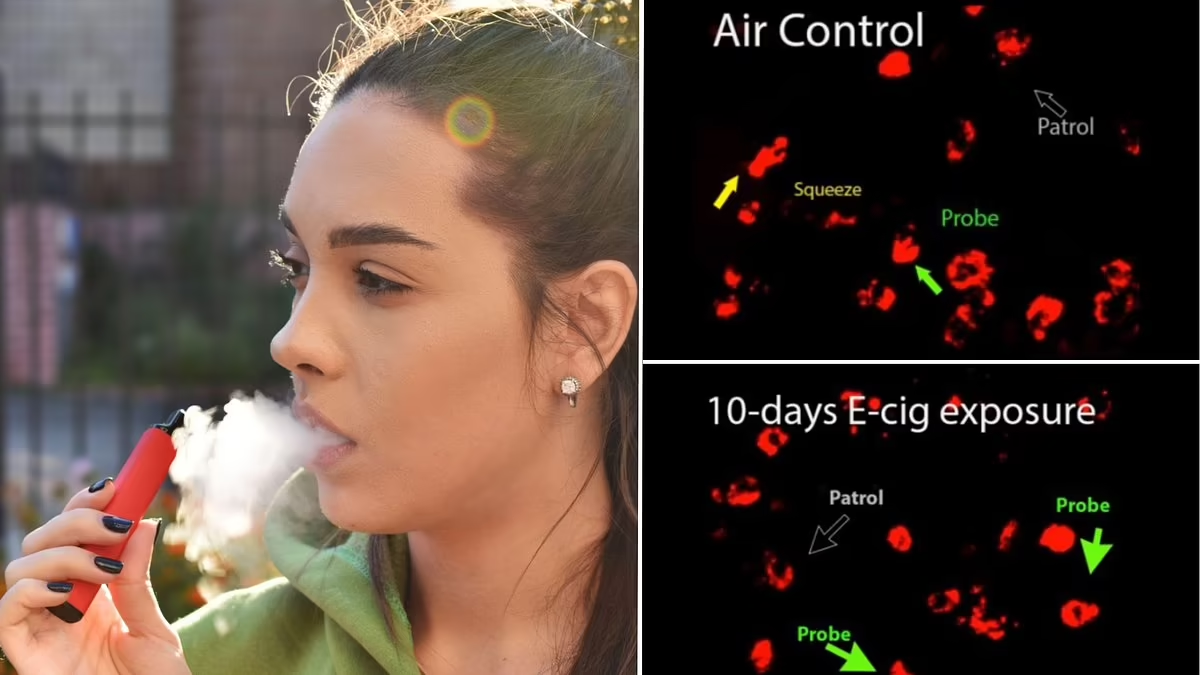
A study by McGill University researchers has found that berry-flavoured e-cigarettes can significantly impair lung immune cells, specifically alveolar macrophages, in mice, making them less effective at clearing bacteria and potentially leading to severe respiratory issues. The study highlights that complex vape flavours, like berry, may pose greater health risks compared to flavourless or menthol vapes. While the research was conducted on mice, it raises concerns about the safety of flavoured e-cigarettes, especially those marketed towards young people.
Here are 5 natural detox drinks that may benefit lung health: warm lemon water, garlic water, beetroot juice, green tea, and turmeric milk, each offering potential antimicrobial, antioxidant, and anti-inflammatory properties that could help improve lung function and reduce inflammation.
A study from Anglia Ruskin University reveals that nicotine-free e-cigarettes can still cause oxidative stress, inflammation, and blood vessel breakdown in human lung tissue cells, similar to nicotine-containing e-cigarettes. The absence of nicotine doesn't necessarily make the vapes safer for lung tissue, as an abundance of the protein ARF6 in nicotine-free vapes is found to be responsible for lung tissue damage. The study highlights the need for further investigation into the potential development of lung injury from vaping, especially in relation to Acute Respiratory Distress Syndrome (ARDS). With concerns rising about the health consequences of vaping, particularly among young teenagers, research into its health impact is still in its early stages.
Diabetes, both type 1 and type 2, increases susceptibility to respiratory viral infections such as influenza and SARS-CoV-2. A study in mice found that hyperglycemia impairs lung antiviral immunity, leading to delayed viral clearance and increased mortality. The impaired immune response was characterized by reduced numbers of lung CD4+ and CD8+ T cells, B cells, and dendritic cells (DCs), as well as lower antibody production. Insulin-mediated glucose lowering reversed these effects, highlighting the importance of glucose control in preventing severe viral lung disease in individuals with diabetes.