Tag

Leafy Greens

All articles tagged with #leafy greens

There’s no healthiest leafy green—eat a mix for best nutrition
nutrition21 days ago

There’s no healthiest leafy green—eat a mix for best nutrition

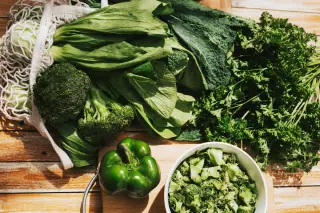
There’s no single healthiest leafy green; nutrient density varies and watercress is notably rich per calorie, but variety is best: darker greens tend to be richer in nutrients while lighter greens still provide fiber, hydration and vitamins. To maximize absorption of fat-soluble vitamins, pair greens with healthy fats and consider cooking. For safety, heat greens to about 160F to reduce pathogens and wash thoroughly; storage matters—whole greens stay fresh 1–2 weeks, and storing unwashed can extend life. In short, eat a mix of greens to get a broad nutrient profile and lower disease risk.


Cyclospora Outbreak Keeps Greens on Edge: When Can You Safely Eat Salad Again?
health1 month ago

Cyclospora Outbreak Keeps Greens on Edge: When Can You Safely Eat Salad Again?

Public health officials warn that the cyclosporiasis outbreak linked to leafy greens continues into summer, with hundreds of cases across multiple states and Taylor Farms voluntarily removing iceberg lettuce sourced from central Mexico. Experts say it’s unlikely all contaminated produce has been found, so many shoppers must weigh personal risk. A three-tier approach guides decisions: avoid raw lettuce entirely if highly risk‑averse; buy whole, peeled, and thoroughly washed heads of lettuce (preferably locally grown) for moderate risk; for high-risk individuals, refrain from all leafy greens for now. If consumed, ensure greens are cooked to at least 158°F, which kills the parasite. With temperatures staying warm, the outbreak could persist until August, though risk may ease when temps drop and as surveillance improves—meaning regional case numbers should inform choices.

Leafy Greens in the Spotlight as Cyclospora Outbreak Expands
health1 month ago

Leafy Greens in the Spotlight as Cyclospora Outbreak Expands

A U.S. Cyclospora outbreak is likely linked to raw leafy greens, especially lettuce, though the exact source remains unknown. The parasite is difficult to study and trace, often spreading via mixed bagged salads or produce imported from Central/South America. Cooking can kill the parasite, but most produce is eaten raw, and limited lab cultivation and reduced public health resources complicate outbreak investigations. This could become the largest Cyclospora outbreak to date.

Leafy Greens Linked to Lower COPD Risk via Vitamin K1
health2 months ago

Leafy Greens Linked to Lower COPD Risk via Vitamin K1

A large Australian study from Edith Cowan University, published in The American Journal of Clinical Nutrition, found that higher dietary vitamin K1 from leafy greens (e.g., spinach and kale) is linked to a lower risk of chronic obstructive pulmonary disease (COPD). Over 179,000 adults were followed for a decade, and those with the highest K1 intake were about 16% less likely to develop COPD and showed stronger lung function. The researchers suggest vitamin K1 helps protect lung elastic fibers, while vitamin K2 did not reduce COPD risk. Smoking remains the major COPD risk factor, with diet possibly counteracting some damage but not replacing quitting and pollution reduction.

Michigan Faces Rapid Cyclospora Surge as Cases Reach 572
health2 months ago

Michigan Faces Rapid Cyclospora Surge as Cases Reach 572

Michigan’s cyclosporiasis cases have jumped to 572 as of July 4, 2026, up from 170 on June 30, with the largest rise in southeast Michigan; no single grower or produce type has been identified. MDHHS is coordinating with local health departments and MDARD and will update guidance as needed. Foods previously linked to Cyclospora outbreaks include bagged salad mixes, cilantro, basil, raspberries, snow peas and green onions. Businesses handling raw produce should take precautions (e.g., avoid prewashed greens, wash and cook certain items); consumers—especially high-risk groups—should cook when possible, thoroughly wash produce, sanitize surfaces, and refrigerate promptly. If you develop symptoms like ongoing diarrhea, contact a healthcare provider and local health department.

Leafy greens linked to lower COPD risk, new study suggests
health2 months ago

Leafy greens linked to lower COPD risk, new study suggests

In a large observational study of 179,062 people over about 10.5 years, higher vitamin K1 intake—mainly from leafy greens like spinach and kale—was associated with better lung function and a 16% lower COPD risk, with stronger effects among smokers and those in high-risk occupations; vitamin K2 showed no link. While not proving causation, researchers say increasing leafy greens could be a practical way to boost lung health by raising vitamin K1 intake.

Greens, Fish, and Berries: Foods Experts Say Can Help Lower Dementia Risk
health2 months ago

Greens, Fish, and Berries: Foods Experts Say Can Help Lower Dementia Risk

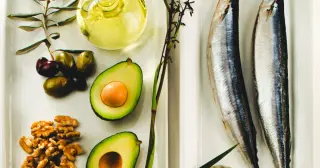
Dementia specialists say adding a few brain-boosting foods to your regular meals can help protect cognitive health. The trio highlighted includes leafy greens (daily servings), fatty fish rich in omega-3s (two to three servings per week), and blueberries (daily or regular intake). Experts emphasize these foods support heart and vascular health, provide key nutrients like folate, vitamin E, lutein, and DHA, and should be part of an overall brain-health lifestyle—along with exercise, sleep, social engagement, and stress management—since no single food can prevent dementia.

Six common Indian foods may help calm chronic inflammation, doctor says
lifestyle2 months ago

Six common Indian foods may help calm chronic inflammation, doctor says

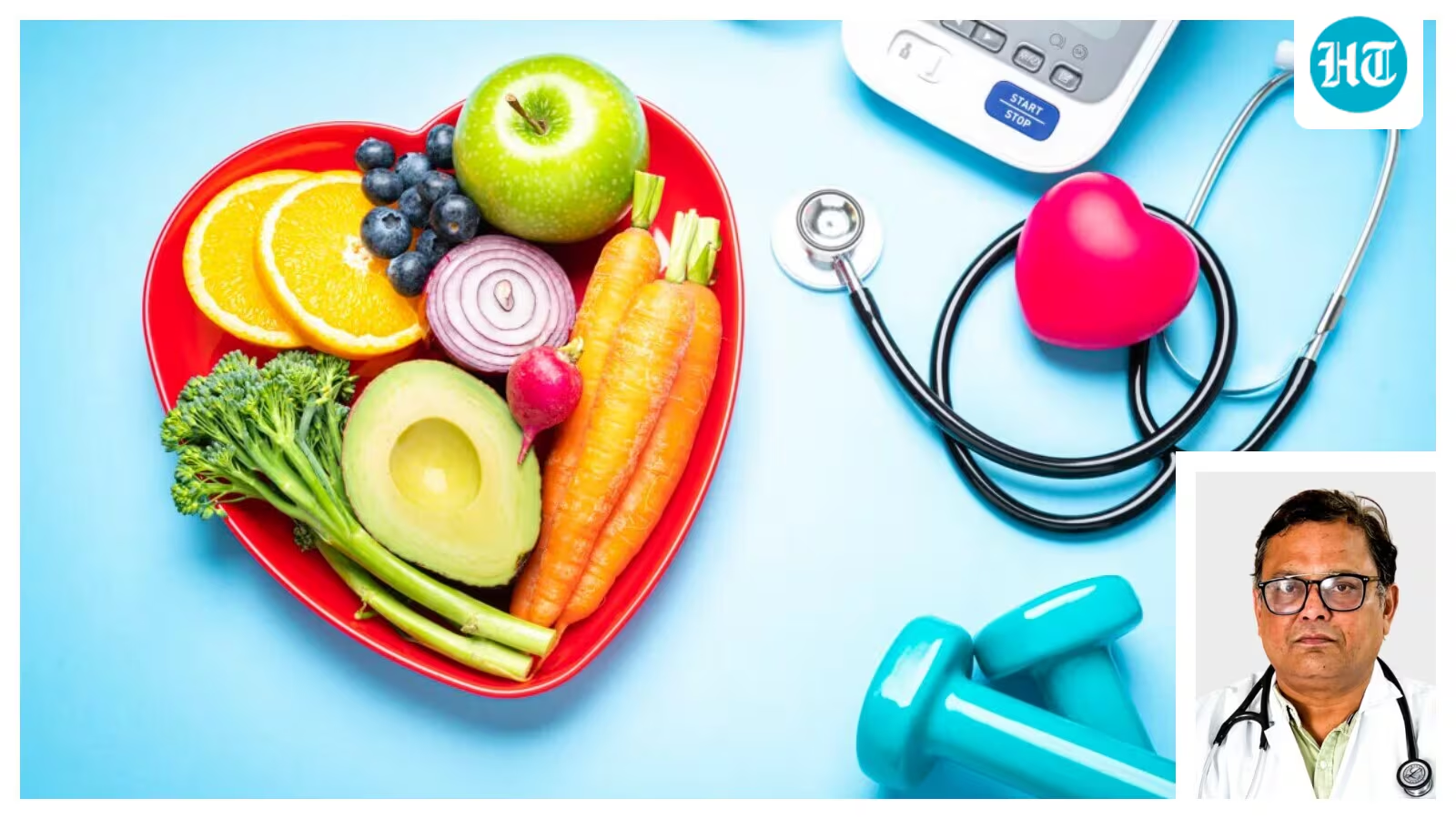
Chronic inflammation linked to heart disease, diabetes and joint issues can be supported by six everyday Indian foods identified by Dr. Meenakshi Jain—turmeric, ginger, leafy greens, pulses/legumes, flaxseeds and nuts, garlic and onions—used regularly as part of a balanced diet, along with walking, yoga and stress management; consult a healthcare provider before major dietary changes.

Brain-Protective Diet: Greens, Fish and Berries Highlighted by Experts for Dementia Prevention
health2 months ago

Brain-Protective Diet: Greens, Fish and Berries Highlighted by Experts for Dementia Prevention

Experts say there is no single dementia-preventing food; instead, a brain-healthy pattern—daily leafy greens, two to three weekly servings of omega-3–rich fatty fish (salmon, mackerel, sardines), and regular blueberries—coupled with sleep, physical activity, social engagement and vascular health provides the strongest cognitive protection.

Green power trio: vegetables dietitians say boost brain, heart, and gut health
health3 months ago

Green power trio: vegetables dietitians say boost brain, heart, and gut health

Dietitians say leafy greens and cruciferous vegetables are the top picks for brain, heart, and gut health thanks to fiber, vitamins, minerals, and anti-inflammatory compounds; broccoli sprouts are highlighted for their sulforaphane content and gut-supporting effects; beets, garlic, and onions are honorable mentions; variety is key—rotating these vegetables broadens the range of beneficial compounds and supports inflammation reduction, blood flow, and gut microbiome health across all three systems.

Bagged Greens Pose Real Safety Risks, Experts Warn
food-and-drink4 months ago

Bagged Greens Pose Real Safety Risks, Experts Warn

A HuffPost piece explains that prewashed bagged greens are among the riskiest grocery items due to contamination by pathogens like E. coli, listeria, and salmonella, which can spread across the supply chain. Washing at home doesn’t reliably remove these pathogens, and mixing greens from multiple farms in processing can amplify spread. For safer shopping, check recalls and expiration dates, choose visibly fresh bags with minimal moisture, minimize temperature changes, and refrigerate properly; buying whole heads of lettuce or spinach can reduce risk. If you must buy bagged greens, follow precautionary steps and discard any bags that show signs of spoilage or recalls.

Potassium-rich foods like bananas may significantly reduce heart failure and arrhythmia risks
health1 year ago

Potassium-rich foods like bananas may significantly reduce heart failure and arrhythmia risks

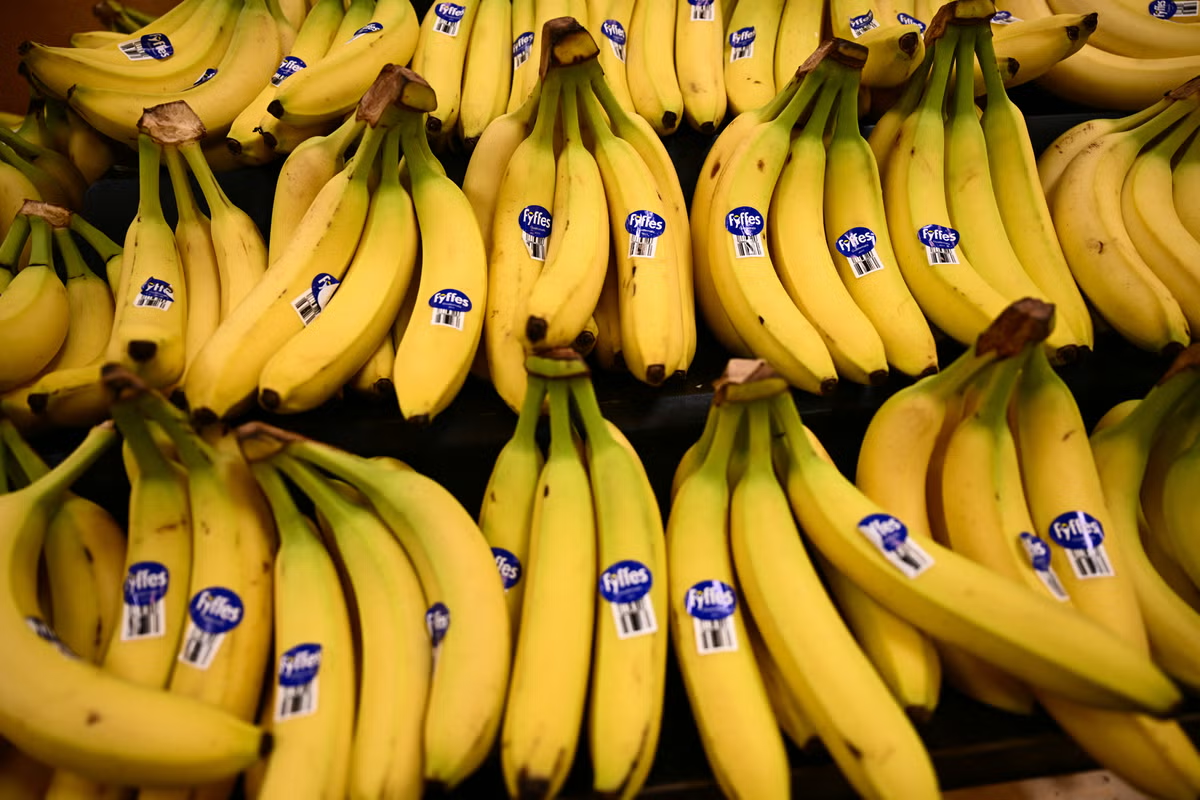
A new study suggests that eating potassium-rich foods like leafy greens and bananas can reduce the risk of heart disease by 24% by helping the body eliminate excess sodium, which is linked to cardiovascular problems. The research highlights the importance of a diet high in potassium and low in processed foods to support heart health.