Tag

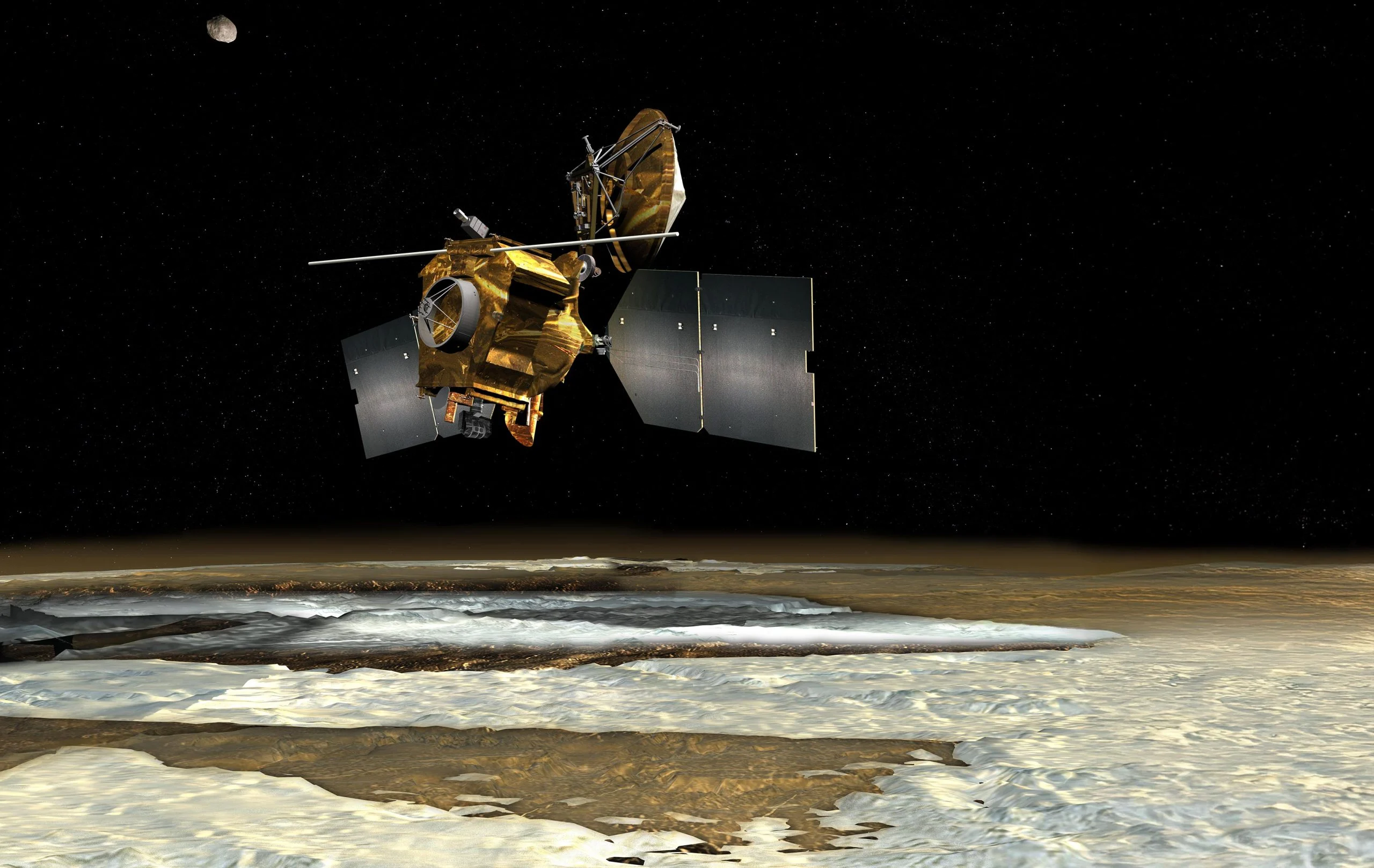
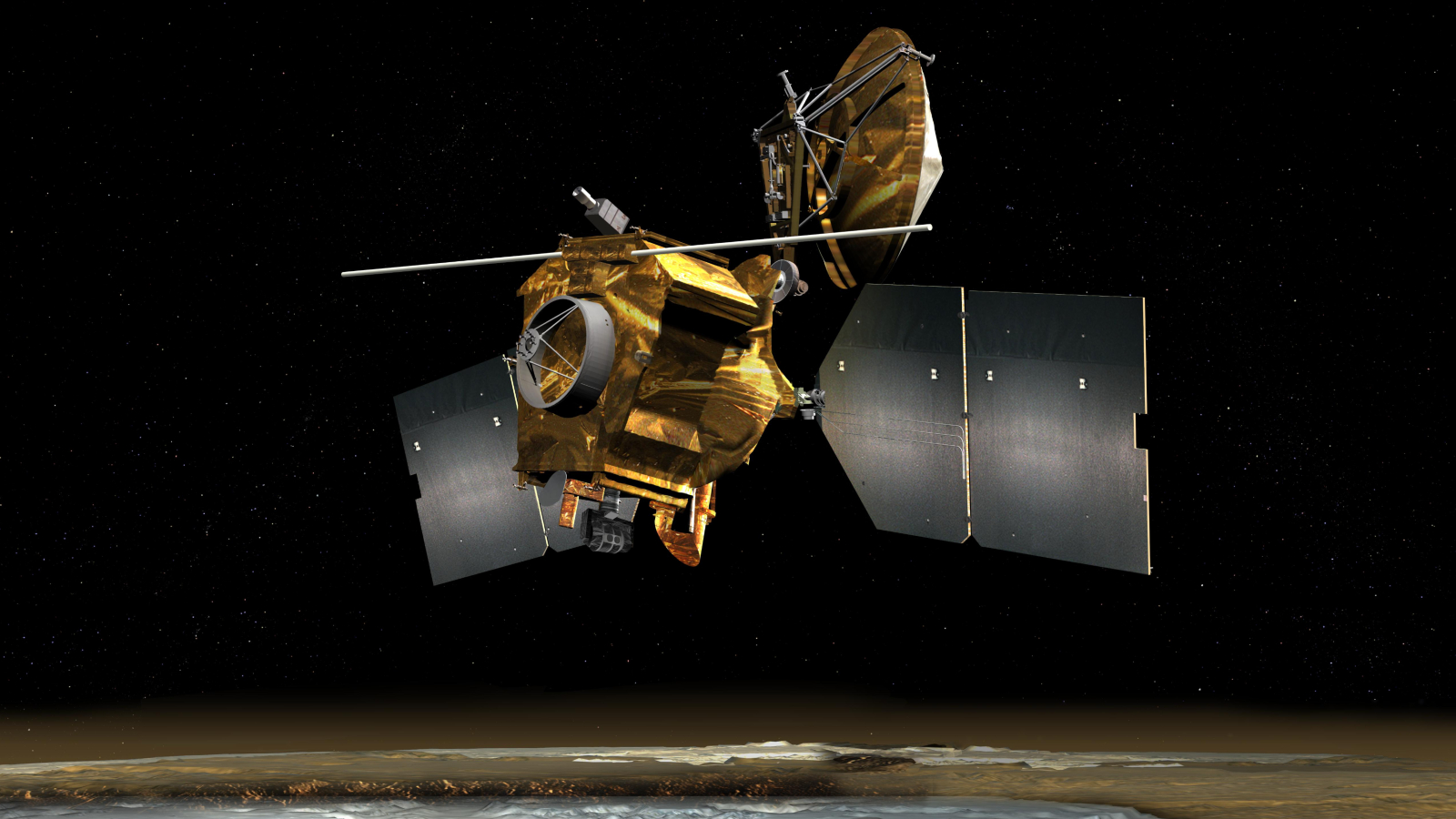
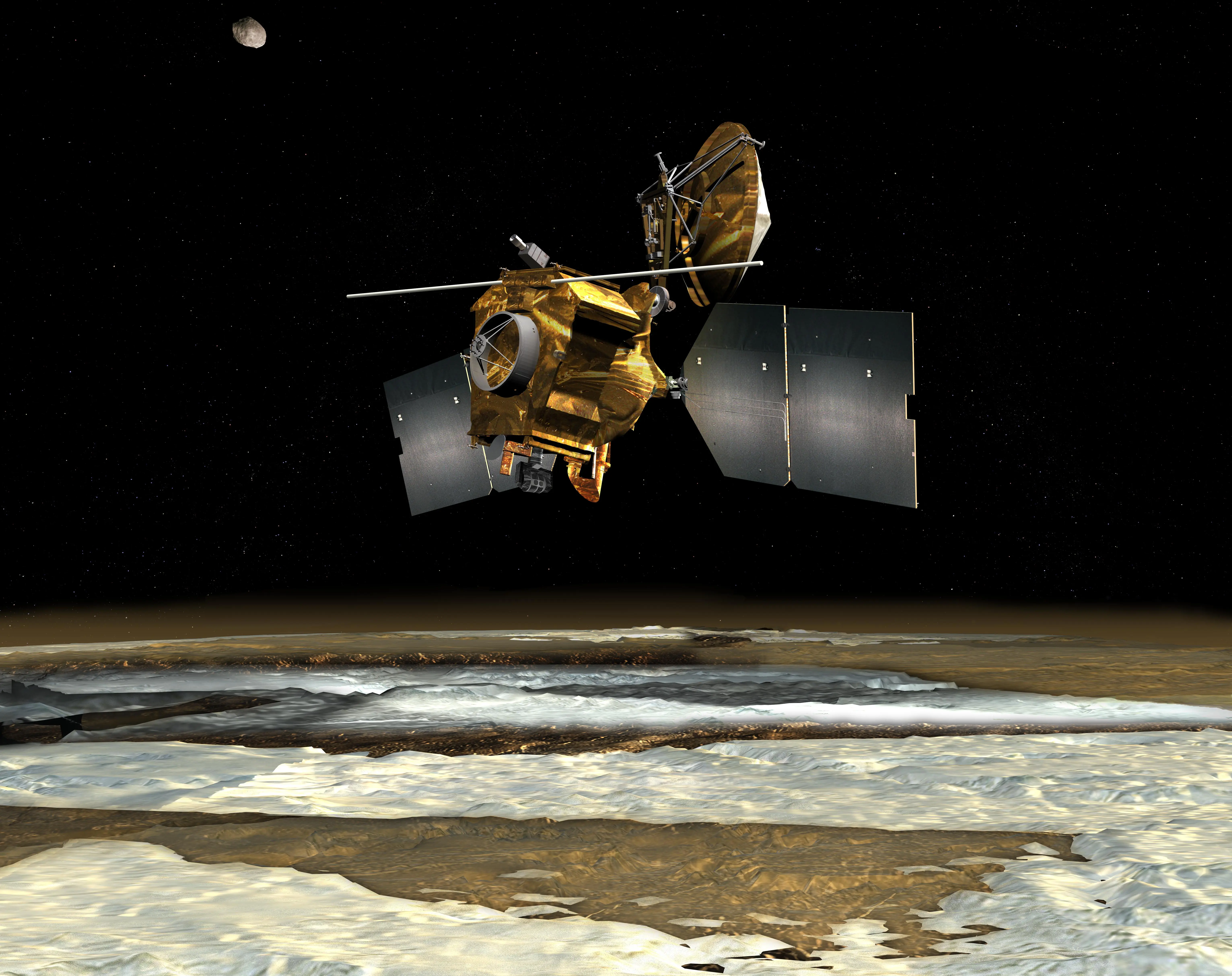
Mars Reconnaissance Orbiter

All articles tagged with #mars reconnaissance orbiter

Martian Gullies Rewritten: CO2 Ice, Not Water, Likely Carved the Terrain
space-and-spaceflight26 days ago

Martian Gullies Rewritten: CO2 Ice, Not Water, Likely Carved the Terrain

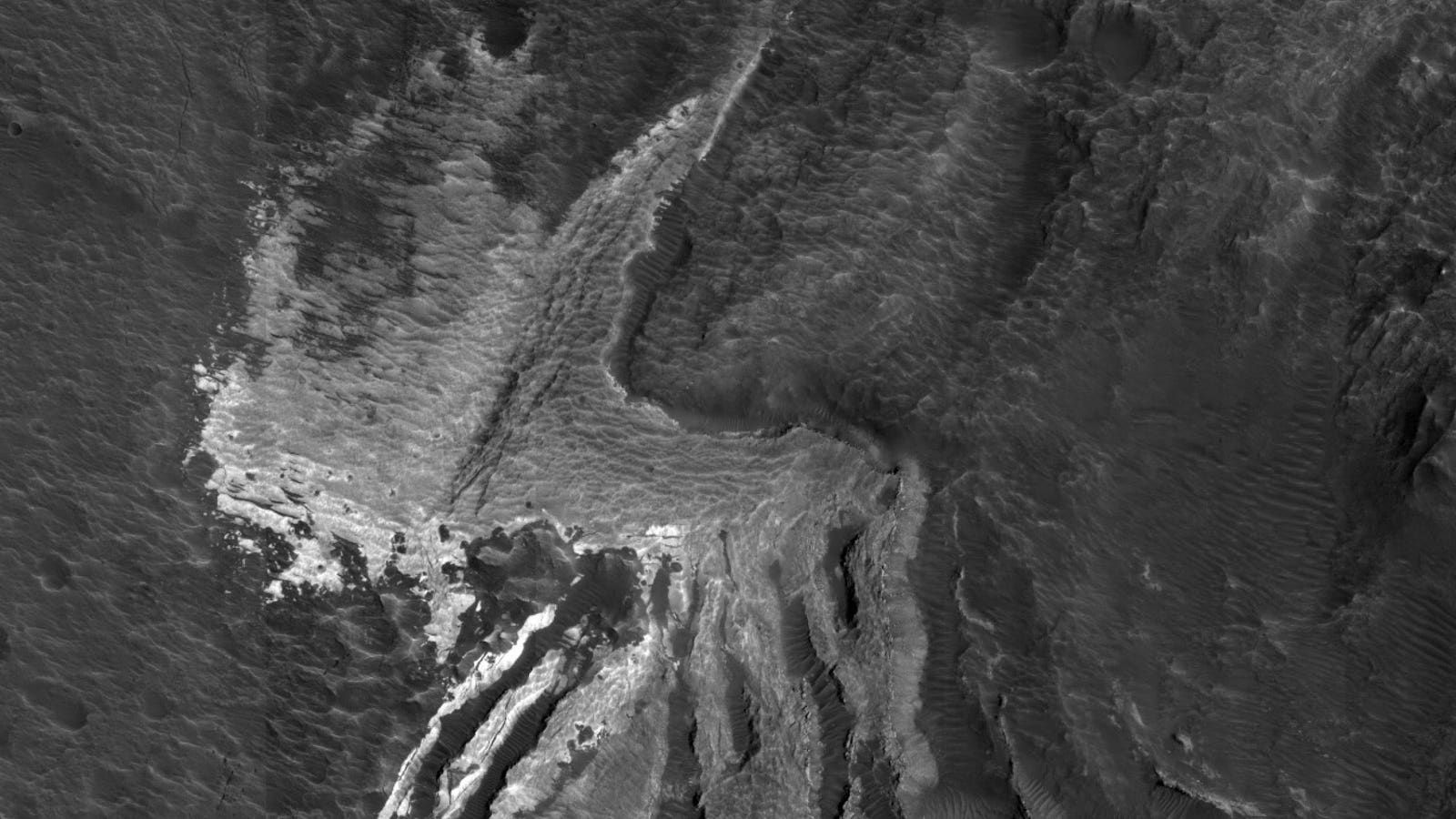
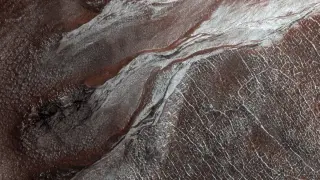
A new arXiv preprint analyzing Mars Express and MRO data suggests Martian gullies aren’t carved by liquid water—and CO2 geysers aren’t the culprit either. The authors favor CO2-ice–driven sublimation or avalanche-like flows during the late stages of seasonal ice loss, based on a lack of spectral water signals and a timing mismatch with geyser activity, though the work remains a preprint not yet peer-reviewed.
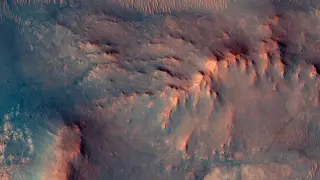
Mars Orbiter Captures Perseverance Completing a Martian Marathon
space-exploration3 months ago

Mars Orbiter Captures Perseverance Completing a Martian Marathon

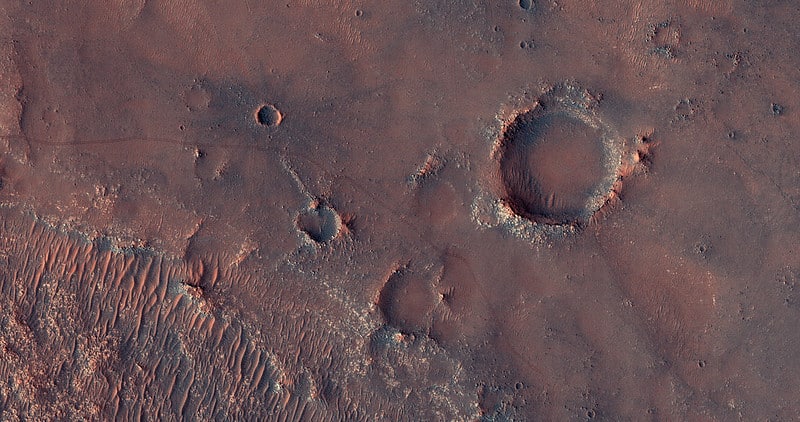
NASA’s Mars Reconnaissance Orbiter captured Perseverance finishing the 26.2-mile Martian marathon in Jezero Crater on June 14, 2026, a milestone that accompanies the rover’s ongoing science—imagery, samples and potential biosignatures—with a orbital perspective on its continued exploration; nearby, Opportunity also reached marathon distance in more than a decade of driving.

Mars Reconnaissance Orbiter Enhances Water Search with New Maneuver
space-exploration1 year ago

Mars Reconnaissance Orbiter Enhances Water Search with New Maneuver

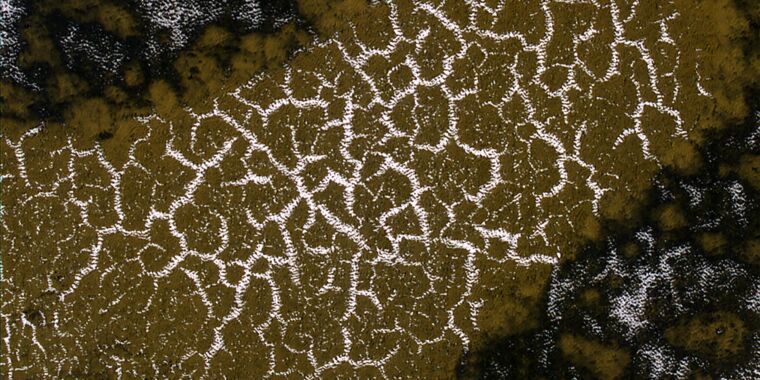
NASA's 19-year-old Mars Reconnaissance Orbiter has performed a rare 120-degree 'very large roll' to improve its radar imaging of Mars' subsurface, allowing for clearer detection of materials like ice, which is crucial for future missions. This maneuver, which involves risks and is limited to once or twice a year, enhances the SHARAD instrument's ability to peer deeper into the planet's surface.

Mysterious Hole on Mars Baffles Scientists
space-exploration2 years ago

Mysterious Hole on Mars Baffles Scientists

A mysterious hole on Mars' Arsia Mons, captured by NASA's Mars Reconnaissance Orbiter, could potentially lead to underground lava tubes that might serve as shelters for future astronauts. However, its true nature remains uncertain, as it could also be just a pit or shaft without any connection to larger subterranean structures. Further exploration, possibly by robotic missions, is needed to determine its significance.