Tag

Mesopotamia

All articles tagged with #mesopotamia

Ancient Tell Brak burial hints at one of the world’s oldest child-abuse cases
archaeology1 hour ago

Ancient Tell Brak burial hints at one of the world’s oldest child-abuse cases

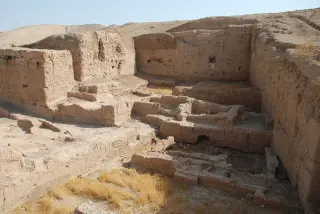
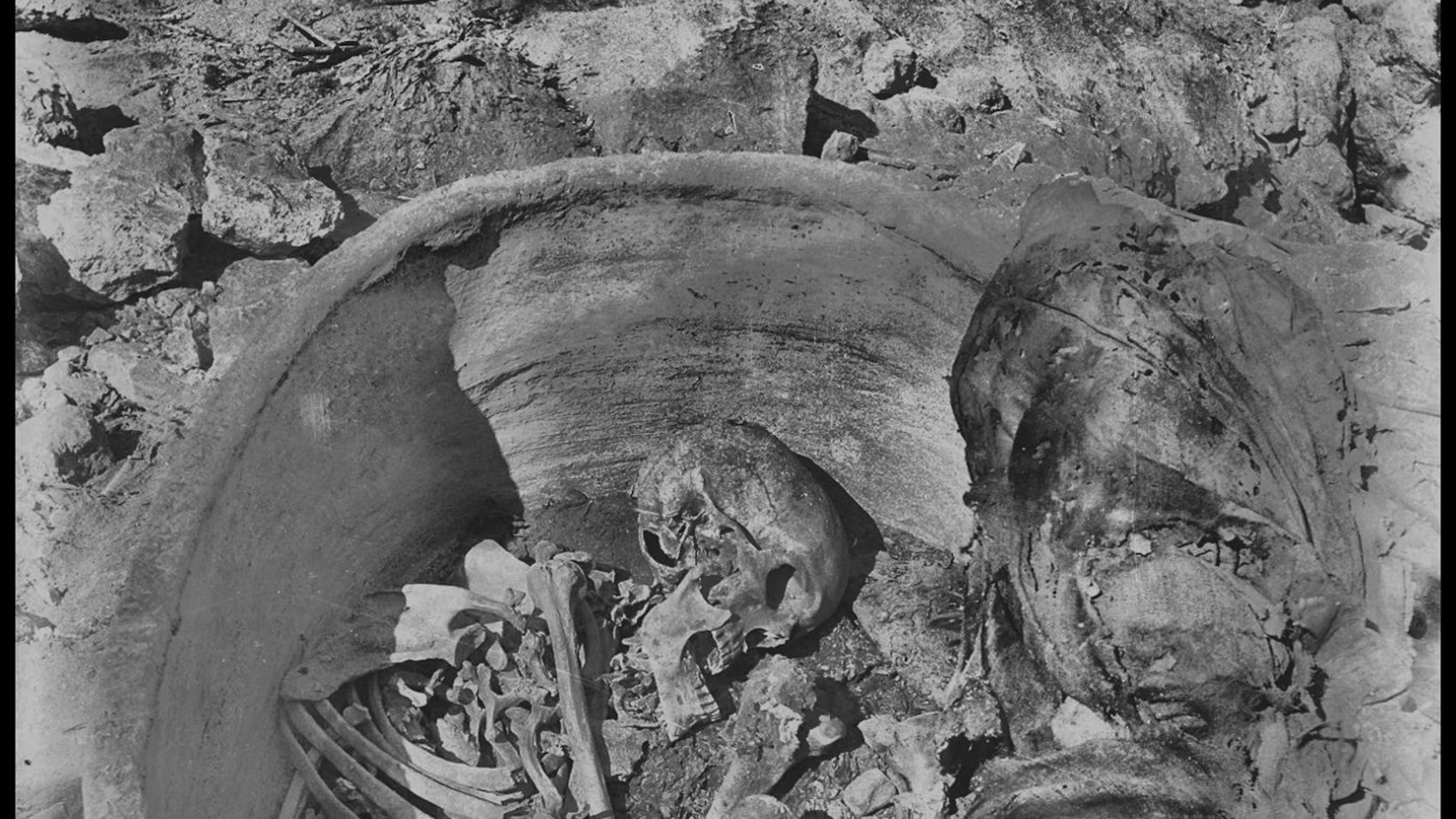
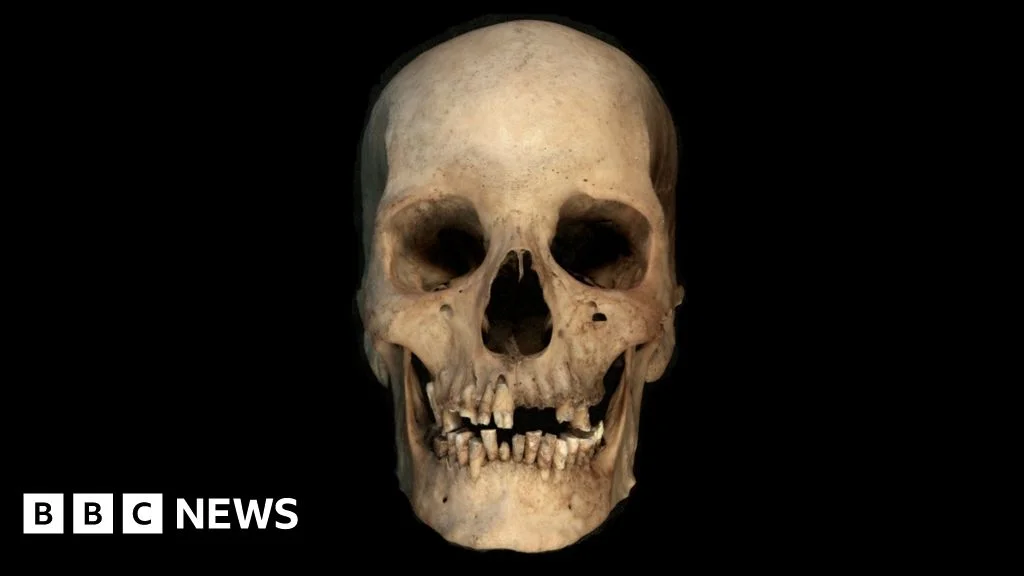
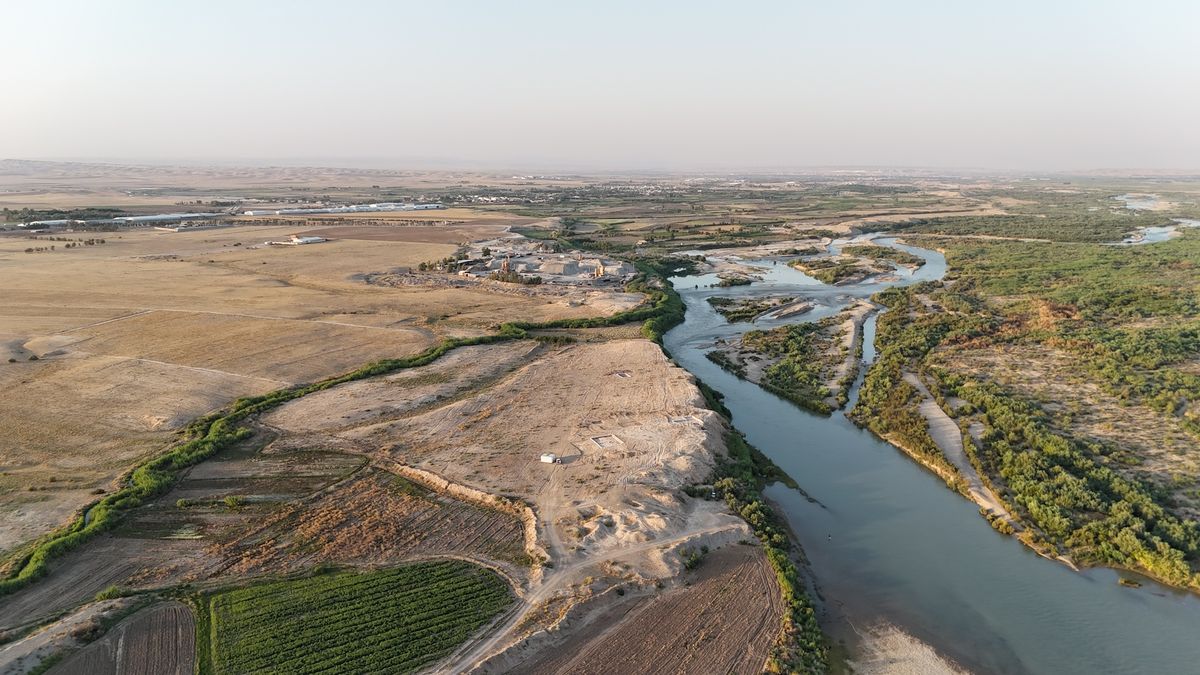
A 6,000-year-old infant buried in Tell Brak (NE Syria) shows multiple injuries—including rib fractures near the sternum, unusual growth in the thigh bone, and skull lesions—consistent with non-accidental trauma rather than disease or accident. Some fractures were healing, indicating the child survived after injury. After ruling out birth injuries, bone disease, rickets, and other illnesses, researchers describe the case as caregiver-induced violence. This rare evidence, set against Tell Brak’s early urban growth, sheds light on risks faced by children in one of the world’s first cities.

4,500-Year-Old Skeleton Bridges North Africa and Mesopotamia in a Single Genome
science2 months ago

4,500-Year-Old Skeleton Bridges North Africa and Mesopotamia in a Single Genome

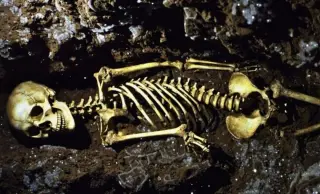
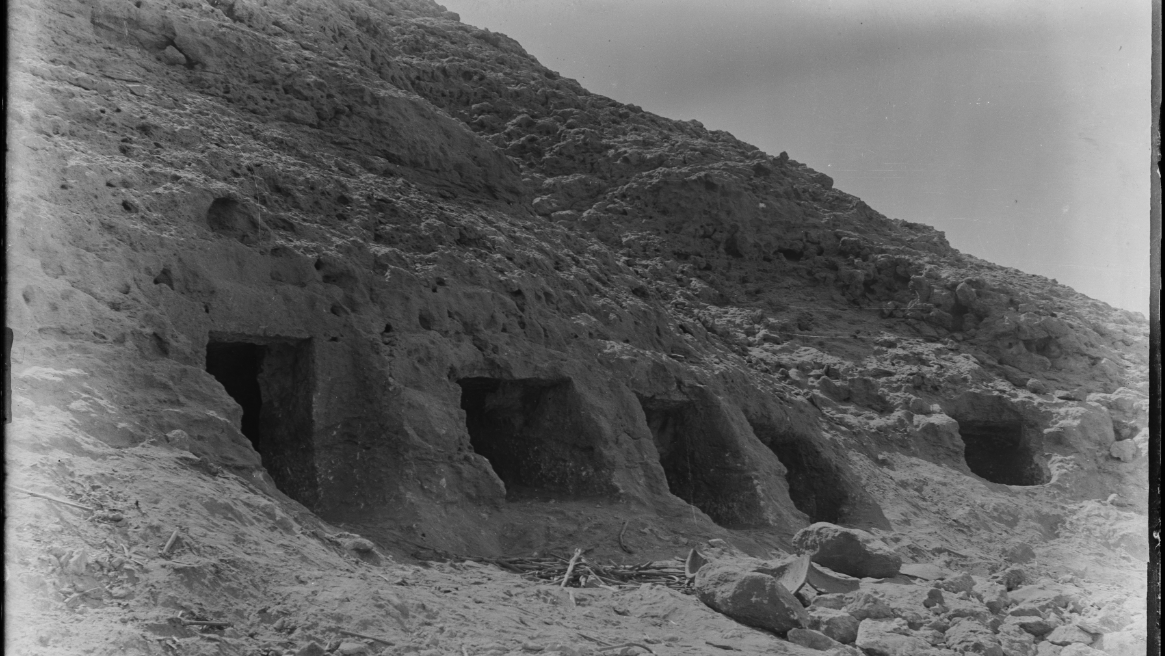
DNA from a 4,500-year-old Egyptian skeleton yielded the oldest complete genome from Old Kingdom Egypt, showing ~80% ancestry from North Africa (Morocco) and ~20% from Mesopotamia, evidence of early gene flow between Egypt and Mesopotamia during the rise of Pharaonic civilization; isotopic data place the individual in the Nile Valley and his burial suggests higher social status, highlighting a more interconnected ancient world and guiding future ancient-genome recovery.

Ancient Egyptian DNA analysis uncovers unexpected foreign ancestry
science1 year ago

Ancient Egyptian DNA analysis uncovers unexpected foreign ancestry

Scientists decoded the full DNA of a 5,000-year-old ancient Egyptian man, revealing a mixed ancestry from North Africa and Mesopotamia, providing new insights into early Egyptian origins and population movements. The well-preserved DNA was obtained from a burial in Nuwayrat, and the study highlights cultural exchanges between Egypt and the Fertile Crescent.

Ancient Iraqi Artifacts Reveal Collapse of Early Civilization
archaeology1 year ago

Ancient Iraqi Artifacts Reveal Collapse of Early Civilization

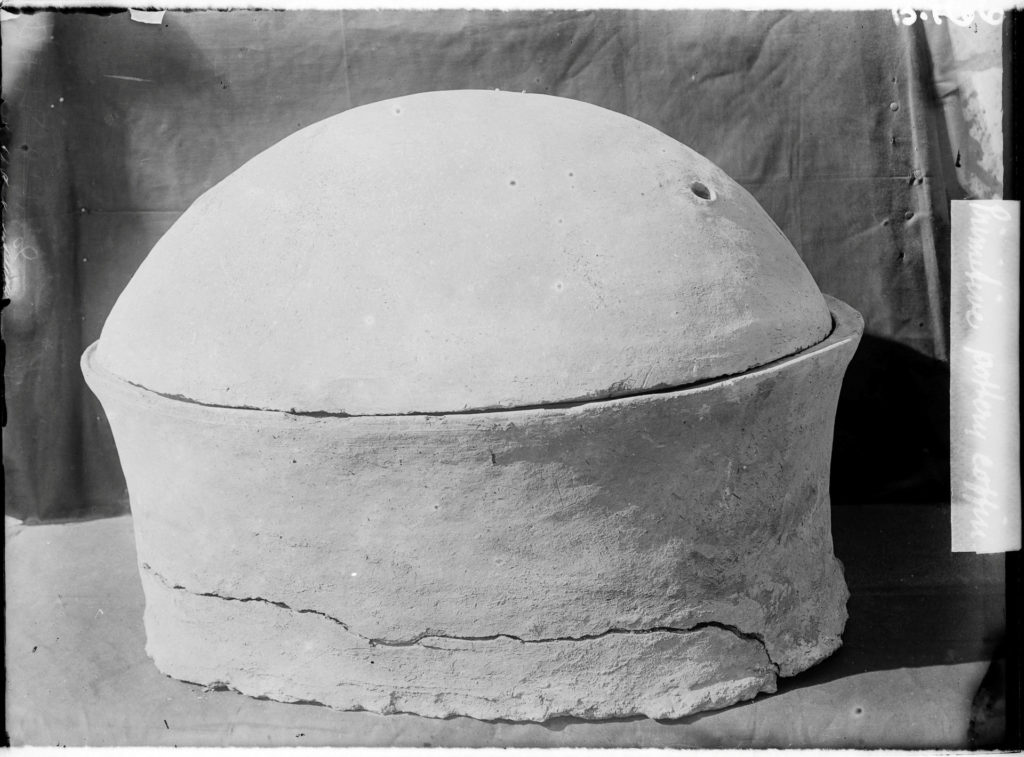
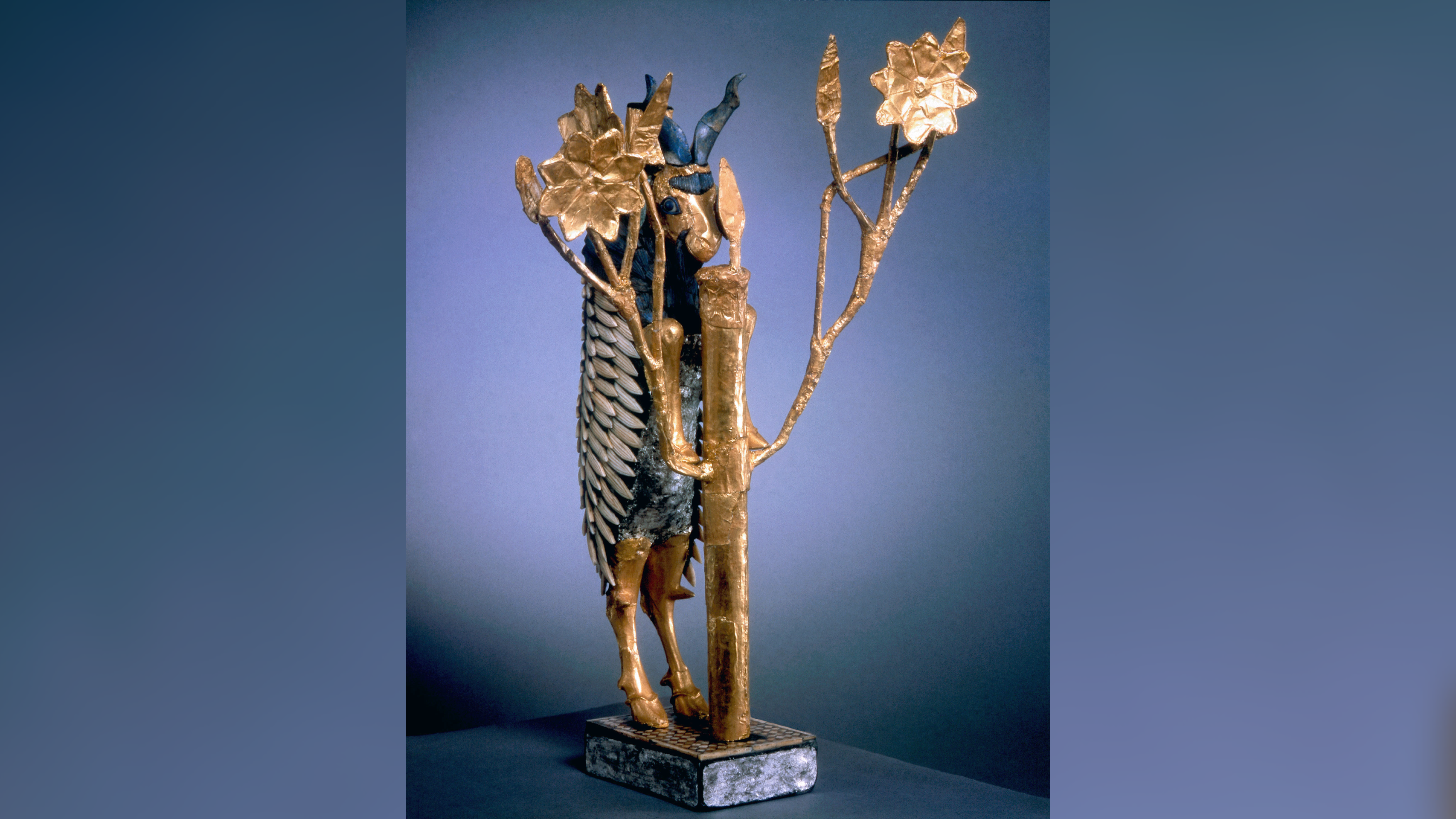
Excavations at the Shakhi Kora site in northeastern Iraq have uncovered artifacts from the fifth millennium B.C., suggesting the presence of one of the world's earliest government institutions. The discovery of numerous clay bowls, likely used to distribute food in exchange for labor, indicates a form of centralized authority in ancient Mesopotamia. However, the site was abandoned without signs of violence or environmental stress, possibly reflecting a rejection of centralized power. This finding challenges the notion that hierarchical governance was inevitable in early complex societies.

"Scientists Uncover Earliest Recorded Romantic Kiss from 4,500 Years Ago"
history-and-culture2 years ago

"Scientists Uncover Earliest Recorded Romantic Kiss from 4,500 Years Ago"

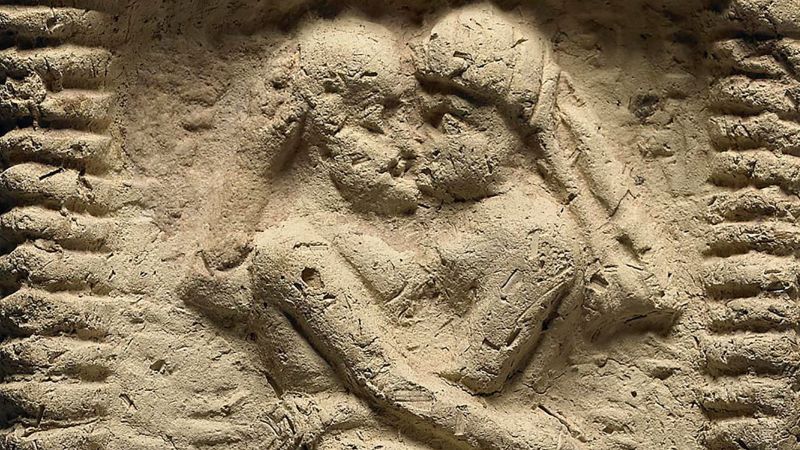
A recent study published in the journal Science revealed that kissing dates back at least 4,500 years, pushing back the history of the practice by about 1,000 years. The findings were based on references to kissing found on thousands of clay tablets from Mesopotamia. This discovery challenges the previous belief that romantic kissing originated in India, as it was widely known among Assyriologists that evidence of kissing existed in Mesopotamia even earlier than in India. The study also explores the cultural and evolutionary significance of kissing, shedding light on taboos and practices surrounding romantic intimacy in ancient Mesopotamia and other cultures.

Mysterious Magnetic Anomaly Found in Mesopotamian Bricks
science-and-technology2 years ago

Mysterious Magnetic Anomaly Found in Mesopotamian Bricks

Scientists studying Mesopotamian bricks have discovered traces of a magnetic anomaly from the Levantine Iron Age, shedding light on the strength of Earth's magnetic field 3,000 years ago. By subjecting the bricks to extreme heat and comparing the original magnetic field with a recreated one, researchers were able to date the bricks and develop a new technique for dating ancient artifacts. This innovative method may revolutionize the field of archeology and provide insights into the periodic peaks of Earth's magnetic field throughout history.

Mysterious Magnetic Anomaly Unveiled by Mesopotamian Bricks
archaeology2 years ago

Mysterious Magnetic Anomaly Unveiled by Mesopotamian Bricks

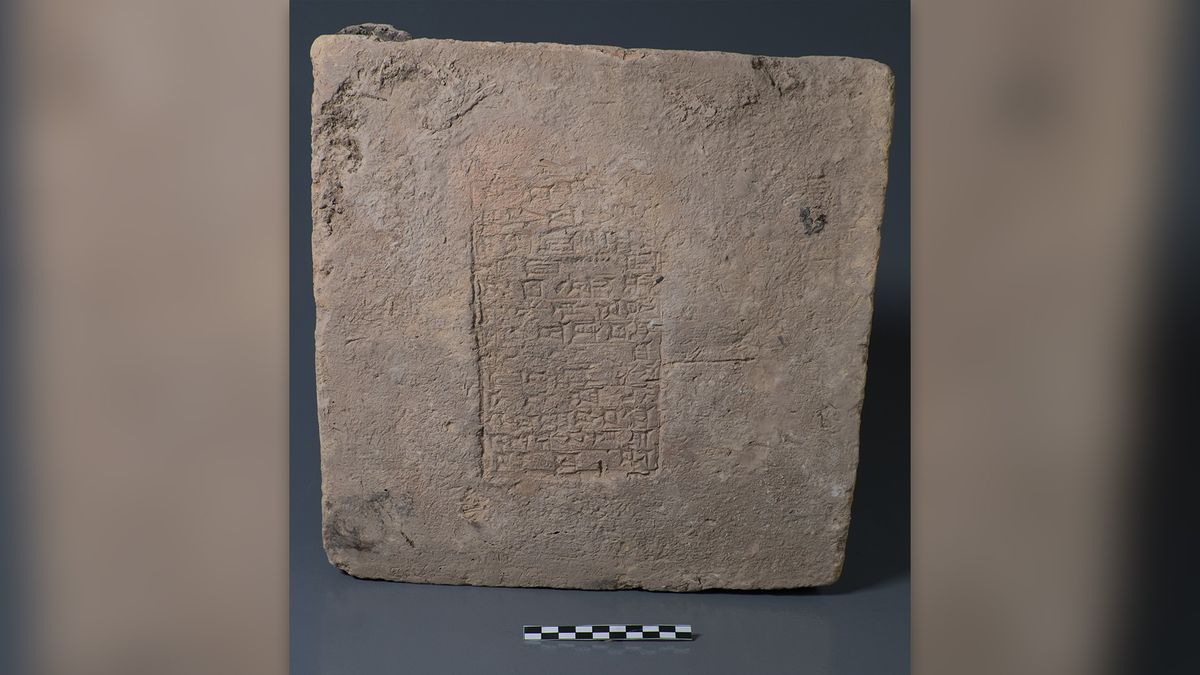
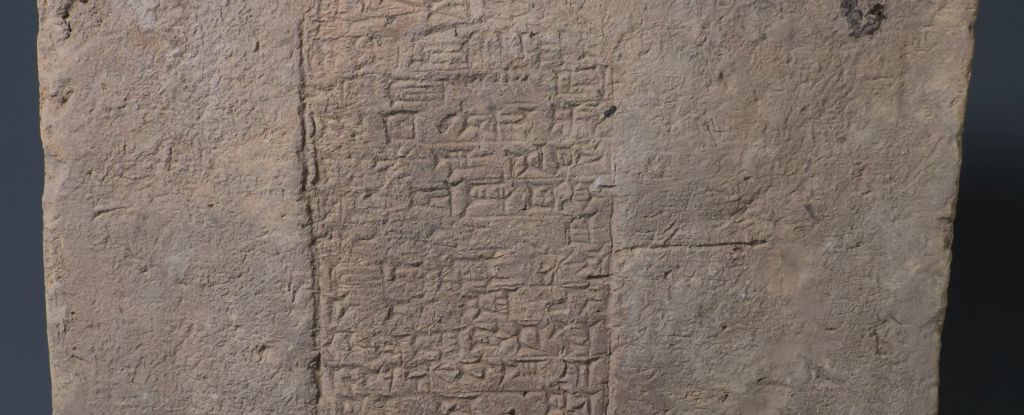
Ancient Mesopotamian bricks, dating back to the third and first millennia B.C., have helped confirm a mysterious anomaly in Earth's magnetic field that occurred 3,000 years ago. Iron oxide grains within the clay of these bricks recorded changes in Earth's magnetic field when they were heated, allowing scientists to reconstruct changes in the magnetic field over time. This finding not only sheds light on the ancient anomaly but also provides a new method for dating artifacts that do not contain organic material.

Unveiling Ancient Mesopotamian Bricks' Magnetic Anomaly
archaeology2 years ago

Unveiling Ancient Mesopotamian Bricks' Magnetic Anomaly

Analysis of ancient Mesopotamian bricks from modern-day Iraq has revealed a dramatic spike in the Earth's magnetic field around 3,000 years ago. The bricks, containing iron oxide, were heated and cooled to erase the ancient magnetic signature and establish a ratio between the object's magnetic charge in the past and under controlled laboratory conditions. This alternative method of artifact dating, known as archaeomagnetic techniques, provides a more precise chronological record compared to traditional methods like carbon dating. The findings shed light on the Levantine Iron Age geomagnetic anomaly and offer insights into ancient Mesopotamia.

Unveiling Mesopotamian Bricks' Clues to Ancient Magnetic Anomaly
archaeologygeophysics2 years ago

Unveiling Mesopotamian Bricks' Clues to Ancient Magnetic Anomaly

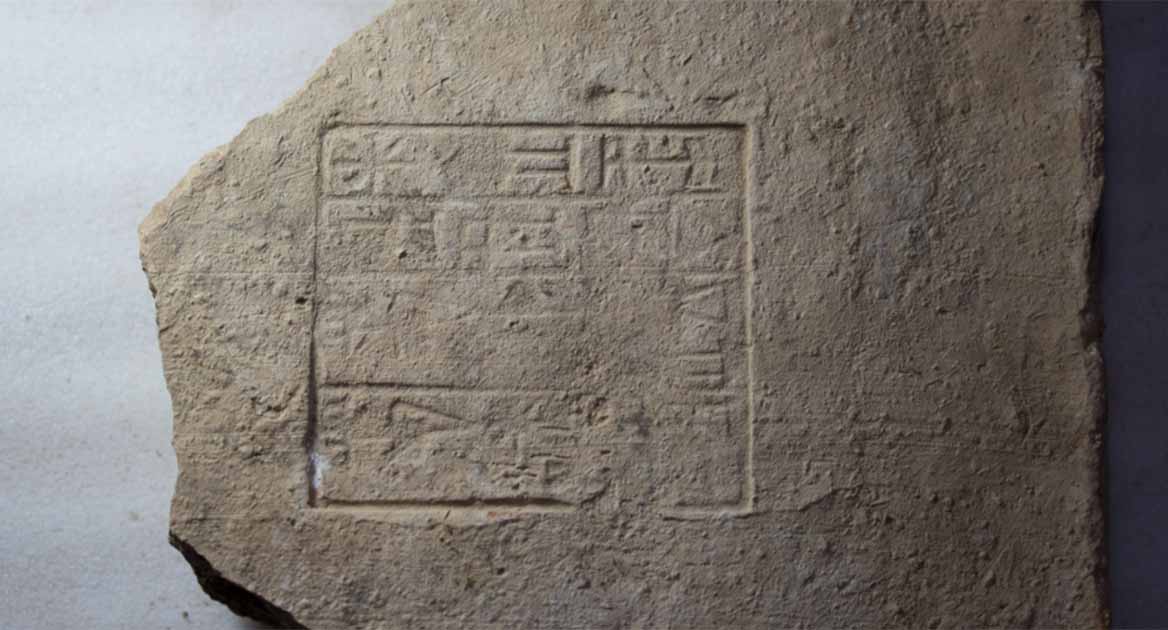
Ancient Mesopotamian bricks containing iron oxide grains are providing scientists with valuable insights into changes in Earth's magnetic field. By dating the bricks using a stamped description, researchers can determine the age of the bricks and study the geological records they contain. This method allows for a better understanding of how the planet's magnetic field has evolved over time, which could aid in predicting its future behavior. The study also confirmed the existence of the Levantine Iron Age geomagnetic anomaly and revealed short, dramatic fluctuations during the reign of Nebuchadnezzar II.

Unveiling Mesopotamia's Magnetic Anomaly Through Ancient Bricks
science2 years ago

Unveiling Mesopotamia's Magnetic Anomaly Through Ancient Bricks

Inscriptions on Mesopotamian bricks from over 3,000 years ago have provided evidence of a curious strengthening of the Earth's magnetic field known as the Levantine Iron Age geomagnetic Anomaly. By measuring the magnetism of iron oxide grains in the bricks, researchers have found that the magnetic field in the Middle East was almost twice as strong during this period compared to a thousand years earlier. The study has also helped to refine the chronology of the reigns of Mesopotamian kings and has shed light on the rapid fluctuations that the geomagnetic field can undergo.