Tag

Mycorrhizal Fungi

All articles tagged with #mycorrhizal fungi

Desert moss hosts surprising fungal partners, reshaping plant history
science9 days ago

Desert moss hosts surprising fungal partners, reshaping plant history

Researchers found mycorrhizal fungi inside desert moss, with branching structures in the moss leaves suggesting a potential moss–fungi symbiosis. The fungal communities inside moss differed from surrounding soil, implying a deliberate association rather than contamination. If confirmed, this could reshape moss biology and illuminate how plants first moved from sea to land.

Planet-Spanning Fungal Web Revealed: A Hidden Network Linking Plants and Carbon Storage
science1 month ago

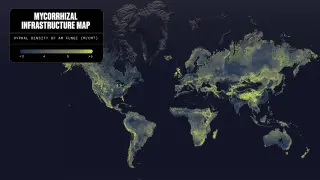
Planet-Spanning Fungal Web Revealed: A Hidden Network Linking Plants and Carbon Storage

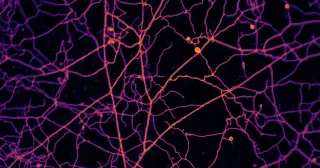
Scientists have mapped a massive underground network of arbuscular mycorrhizal fungi that spans an estimated 110 quadrillion kilometres, connecting plant roots, aiding nutrient absorption, and transporting carbon to soils. The densest networks are in natural ecosystems like grasslands and wetlands, while intensive farming reduces these networks, with implications for crop resilience and climate regulation; protecting and restoring them could boost food security and reduce fertilizer use.

Global map reveals Earth's gigantic underground fungal networks could span a tenth of the Milky Way
science1 month ago

Global map reveals Earth's gigantic underground fungal networks could span a tenth of the Milky Way

A global study maps arbuscular mycorrhizal fungal networks using 16,669 soil cores and AI, revealing dense underground hyphal networks that connect most land plants and drive carbon and nutrient exchange. Wild grasslands host the densest networks, with topsoil containing a large share of global fungal biomass, and croplands showing about 50% lower density. If laid end-to-end, the hyphae would stretch about 68 quadrillion miles (110 quadrillion kilometers), roughly 10% of the Milky Way’s width, highlighting their key role in the carbon cycle and informing biodiversity, climate, and agricultural strategies.

Earth's Hidden Fungal Webs Stretch 68 Quadrillion Miles
science1 month ago

Earth's Hidden Fungal Webs Stretch 68 Quadrillion Miles

Scientists using machine learning and high-resolution imaging mapped the planet's vast underground networks of arbuscular mycorrhizal fungi, finding filaments totaling about 68 quadrillion miles and storing around 300 megatons of carbon—roughly 4-6 times the carbon contained by all humans—highlighting fungi's key role in plant nutrition and global carbon cycling.

Mars Fungi Could Turn Red Dust into Farmable Soil
science1 month ago

Mars Fungi Could Turn Red Dust into Farmable Soil

Researchers propose using fungi to transform Martian regolith—an alkaline, toxic, nutrient-poor soil—into crop-friendly soil that can host beneficial microbes and plants. Fungal species like Trichoderma and hardy extremophiles, along with mycorrhizal fungi, could enhance nutrient availability and soil structure, potentially reducing the need to ship soil from Earth. While promising, many questions remain about crop safety, radiation, and how to validate the approach; there are also early signs from algae-based Martian-resource fertilizers showing progress toward growing food on Mars.

Chickpeas Thrive in Moon Soil Simulant, Pioneering Lunar Agriculture
space4 months ago

Chickpeas Thrive in Moon Soil Simulant, Pioneering Lunar Agriculture

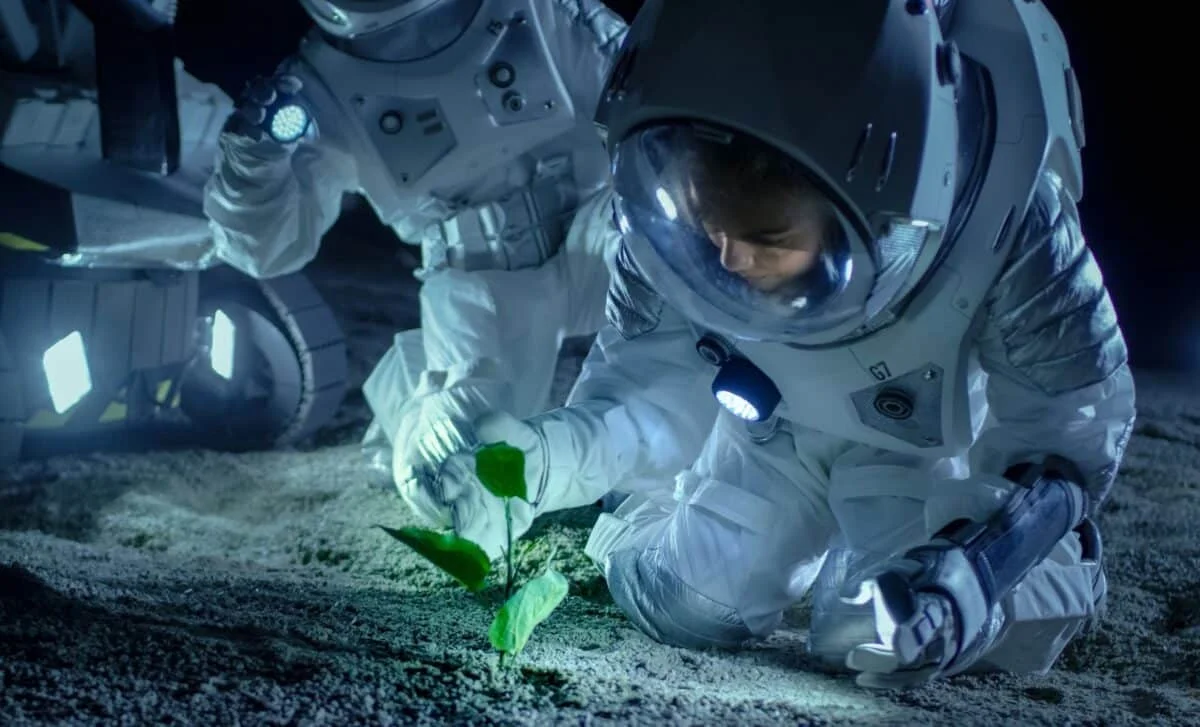
Researchers at UT Austin (with Texas A&M) grew chickpeas in a lunar soil simulant using vermicompost and arbuscular mycorrhizal fungi, a first step toward farming on the Moon for long missions; the crops survived longer with fungi and showed reduced uptake of harmful metals, but scientists still need to assess safety and nutritional value before declaring them a viable astronaut food source.

Fungi's Crucial Role in Forest Restoration and Ecosystem Health
environment11 months ago

Fungi's Crucial Role in Forest Restoration and Ecosystem Health

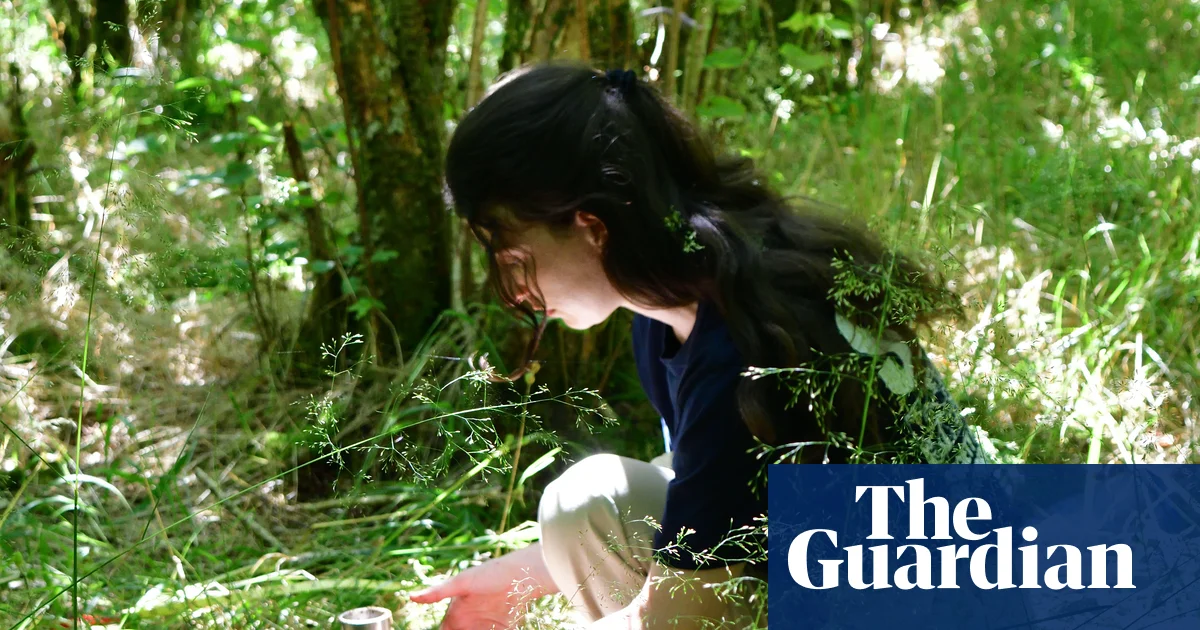
Scientists are exploring the role of fungi in restoring Britain's ancient hazelwoods and temperate rainforests, emphasizing the importance of subterranean microbial communities in forest health and regeneration, with efforts spanning from Scotland to global sites like Colombia to develop a comprehensive understanding and strategies for ecosystem revival.

Gophers: The Unsung Heroes of Mount St. Helens' Revival
environment1 year ago

Gophers: The Unsung Heroes of Mount St. Helens' Revival

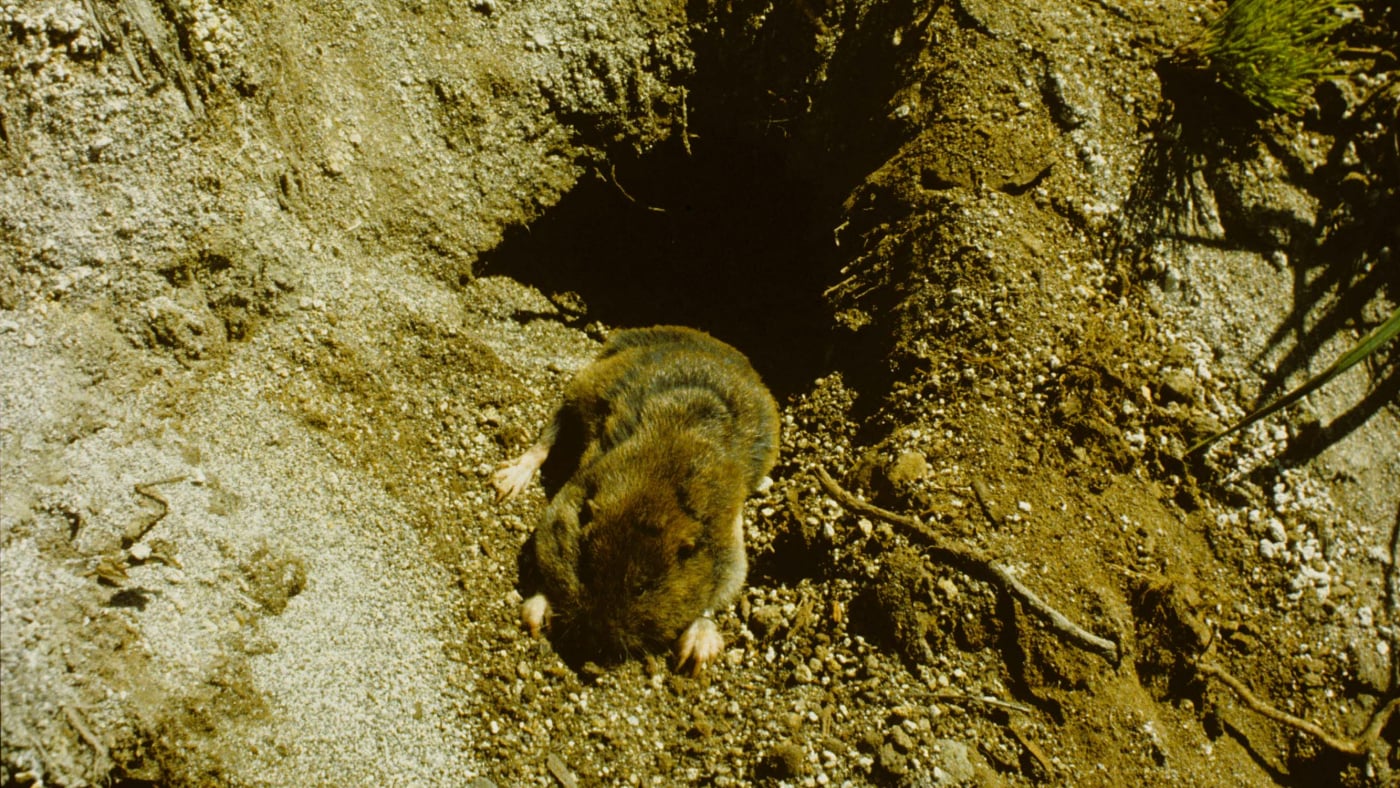
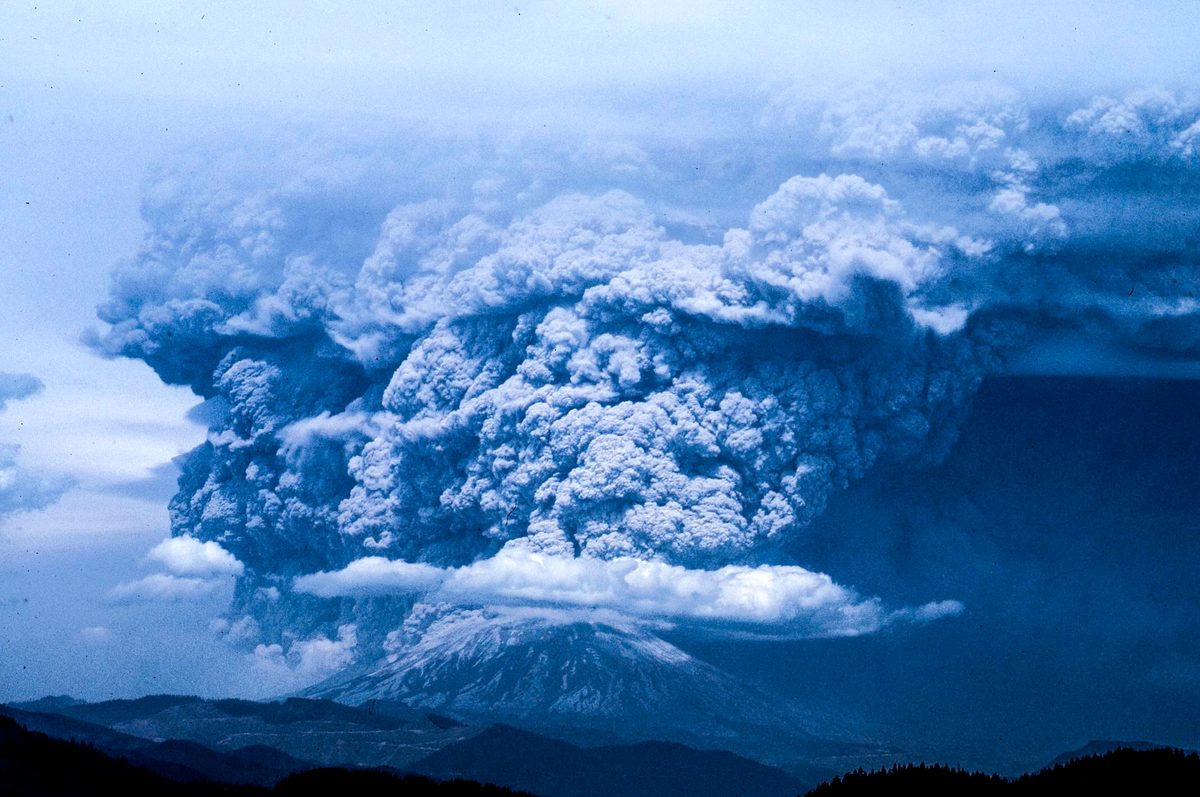
After the 1980 eruption of Mount St. Helens, scientists introduced pocket gophers to the devastated landscape to study their impact on ecosystem recovery. Despite their brief 24-hour stay, the gophers' digging and the introduction of spores and fungi significantly boosted plant growth, transforming barren areas into thriving ecosystems over decades. This experiment highlights the potential of using natural processes to aid habitat recovery after environmental disasters.

Gophers' Role in Reviving Mount St. Helens' Landscape
environment1 year ago

Gophers' Role in Reviving Mount St. Helens' Landscape

Scientists have discovered that northern pocket gophers can significantly aid in the restoration of devastated landscapes, such as Mount St. Helens after its 1980 eruption. By burrowing, these rodents help distribute beneficial microbes, including mycorrhizal fungi, which enhance plant growth and resilience. This process has led to a remarkable recovery of plant life in areas where gophers were introduced, highlighting the critical role of microbial communities in ecosystem recovery.

Gophers' Role in Reviving Mount St. Helens Ecosystem
environment1 year ago

Gophers' Role in Reviving Mount St. Helens Ecosystem

After the 1980 eruption of Mount St. Helens, scientists introduced gophers to the devastated landscape to test their potential in aiding ecological recovery. The gophers' activity helped bring beneficial bacteria and fungi to the surface, significantly enhancing plant regrowth. This experiment, initially intended to observe short-term effects, has shown lasting benefits, with the gopher-affected areas still thriving 40 years later. The study highlights the critical role of microbes and fungi in ecosystem recovery, as seen in the contrasting regrowth between old-growth and clearcut forests affected by the eruption.

Gophers' Remarkable Role in Reviving Mount St. Helens
environment1 year ago

Gophers' Remarkable Role in Reviving Mount St. Helens

After the 1980 eruption of Mount St. Helens, scientists introduced gophers to the devastated landscape to aid in ecological recovery. The gophers' burrowing activities helped unearth beneficial microbes and fungi, significantly enhancing soil health and biodiversity. A recent study highlights the long-term positive impact of this intervention, showing increased microbial activity and plant growth in areas where gophers were introduced. This underscores the crucial role of soil microbes and fungi in ecosystem restoration.

"Climate Change Disrupts Tree-Fungi Symbiosis"
environment2 years ago

"Climate Change Disrupts Tree-Fungi Symbiosis"

A study published in PNAS reveals that climate change is causing tree populations to move away from the soil fungi that sustain them, particularly in northern latitudes. This migration lag is due to the trees relocating to soils lacking the necessary mycorrhizal fungi, which are crucial for their nutrient uptake and survival. The research highlights the importance of understanding and protecting these symbiotic relationships to mitigate the impacts of climate change on forest ecosystems.

Uncovering the Role of Soil Fungi in Global Forest Diversity Gradient
science2 years ago

Uncovering the Role of Soil Fungi in Global Forest Diversity Gradient

A study published in Nature Communications Biology suggests that soil fungi, particularly mycorrhizal fungi, may be influencing global forest diversity. The research indicates that mycorrhizal fungi, which form mutually beneficial relationships with plant roots, counteract the effects of harmful soil pathogens, potentially influencing global patterns of forest diversity. The study used data from 43 Forest Global Earth Observatory (ForestGEO) plots and found evidence for both diversity-promoting effects of arbuscular fungi and diversity-reducing effects of ectomycorrhizal fungi, shedding light on the role of soil microbes in driving global biodiversity patterns.