Tag

Over 50

All articles tagged with #over 50

Chair-Driven Core: 5 Moves to Trim the Waist After 50
mind-body9 days ago

Chair-Driven Core: 5 Moves to Trim the Waist After 50

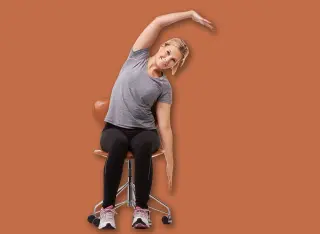
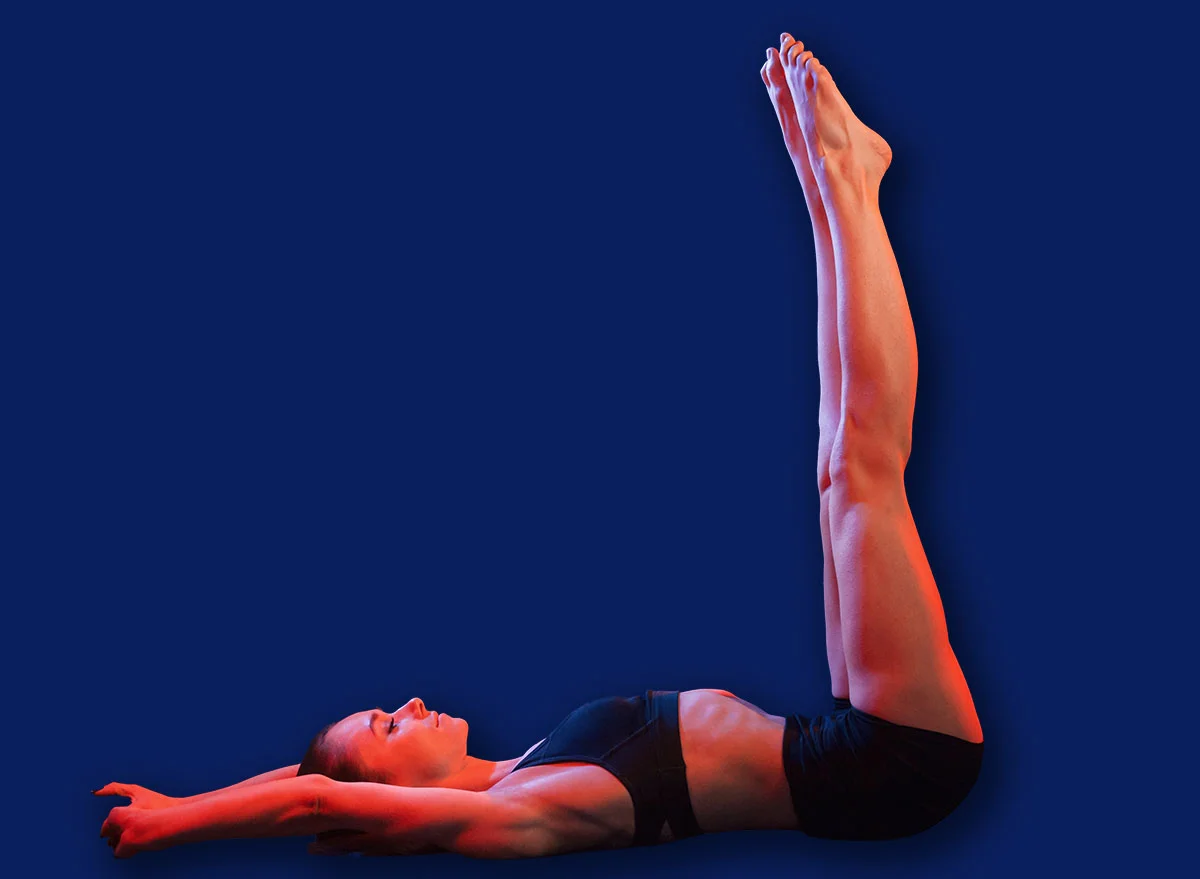
Cardio alone often isn’t enough to trim belly fat after 50. This trainer-backed guide promotes five chair-based moves—Seated Knee Tucks, Seated Russian Twists, Seated Leg Extensions with Lean Back, Chair Marches, and Seated Side Bends—to strengthen the lower abs and obliques, improve posture, and boost core stability. Performed on a sturdy chair with controlled technique, each exercise targets midsection muscles and can be done in 2–3 sets of 10–15 reps (or 20 marches), offering a low-impact option that’s easier on joints than floor workouts while supporting spine alignment.

Five Standing Core Movements to Slim a Post-50 Belly
fitness22 days ago

Five Standing Core Movements to Slim a Post-50 Belly

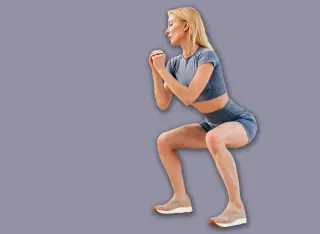
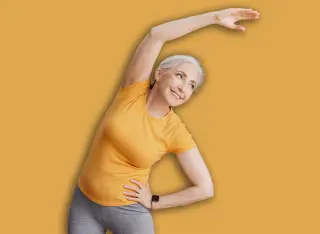
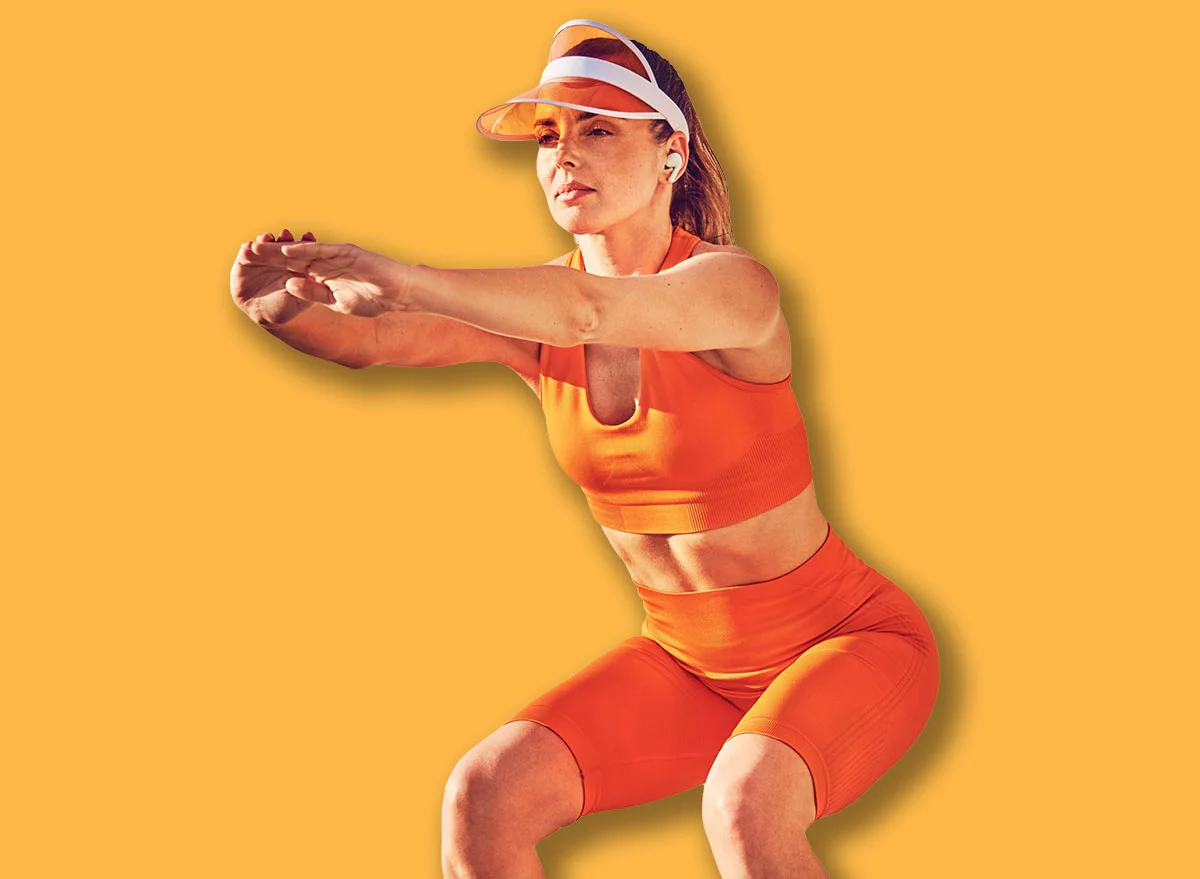
Crunches aren’t the answer for apron belly after 50. Fat loss isn’t spot-specific, so the article promotes standing movements that engage the core and larger muscle groups to boost calorie burn and improve posture. It lists five exercises—Standing Knee Drives, Torso Rotations, Side Bends, Bodyweight Squats, and Hip Hinges—each with step-by-step instructions and sets/reps to help flatten the belly over time.

First Light Arm Strength: Five Moves for Men 55 and Up
fitness1 month ago

First Light Arm Strength: Five Moves for Men 55 and Up

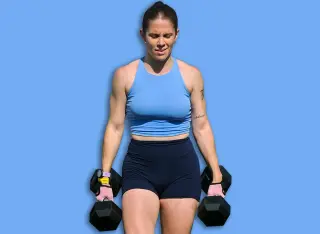
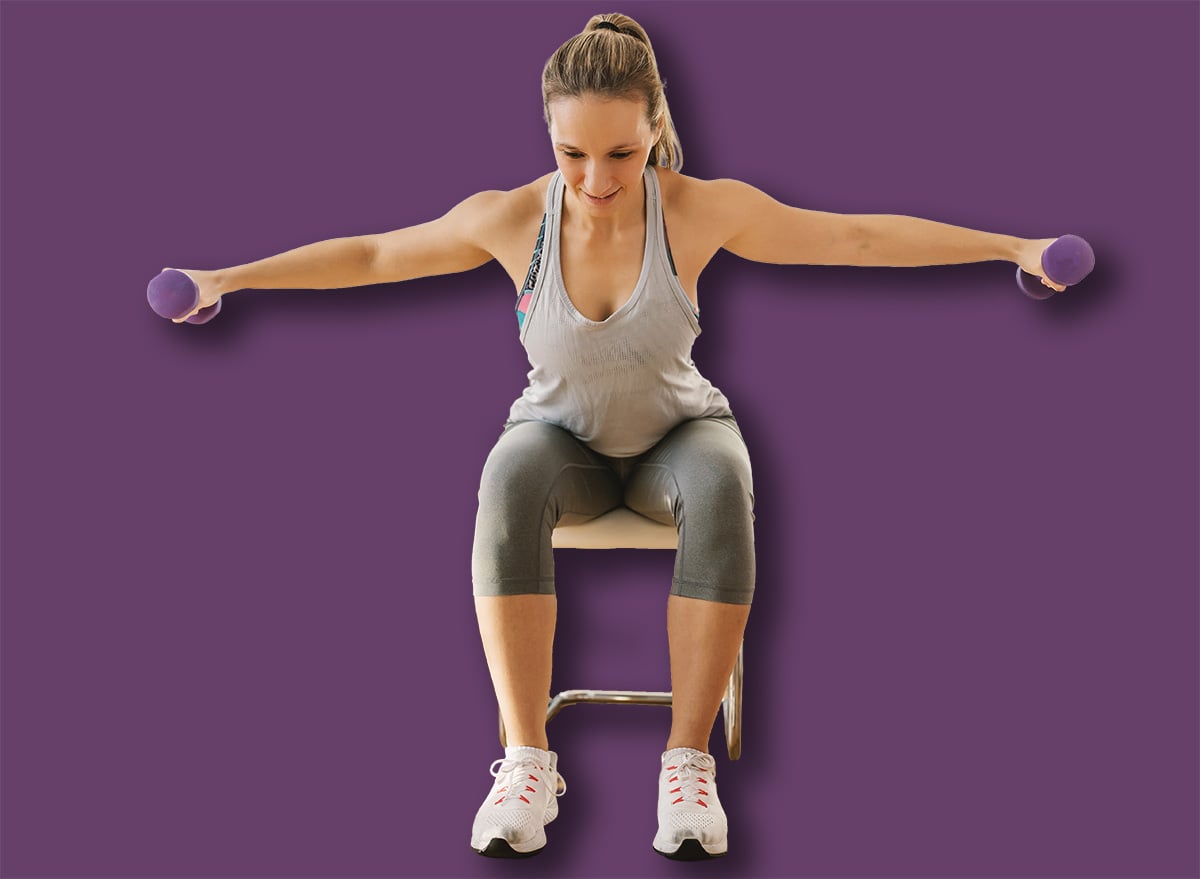
Arm strength naturally declines after age 55 due to sarcopenia, hormones, and a more sedentary life. A fitness expert advises a simple morning routine that prioritizes grip/forearms, then triceps, and emphasizes the rear delts and rotator cuff for shoulder longevity. The five exercises recommended are rope cable tricep pushdowns, farmer’s carry, Zottman curls, lying side lateral raises, and rear delt machine fly with protraction—chosen for low joint stress and minimal equipment to support independence and everyday function.

Why Over-50s Might Benefit From Cutting Back on Daily Showers
health2 months ago

Why Over-50s Might Benefit From Cutting Back on Daily Showers

Dermatologists say skin tends to dry out and thin with age, so daily showers aren’t always ideal for those over 50. Shower frequency should depend on sweat, body odor, and climate, with recommendations ranging from about two to three times a week for dry skin to twice daily in hot, humid weather for the active; on non-shower days, spot-cleaning the underarms and groin is fine. Use short, lukewarm showers with gentle, fragrance-free soap (bar soap can be harsh), and moisturize daily to lock in moisture as you age.

50+ Adults Urged to Prioritize Skin Cancer Screenings for Early Detection
health3 months ago

50+ Adults Urged to Prioritize Skin Cancer Screenings for Early Detection

An oncologist aged 50+ urges people over 50 to routinely screen for skin cancer, stressing that it’s the most common cancer and is highly treatable when detected early. Screenings combine self-exams and professional skin checks, with risk assessments (such as the American Cancer Society’s CancerRisk360) guiding personalized screening plans. He also emphasizes not skipping other essential screenings for those 50+, including colorectal cancer (colonoscopy every 10 years starting at 45 or earlier for higher risk) and lung cancer (annual low‑dose CT for high‑risk individuals), underscoring the importance of following up on any concerning findings.

Five Daily Moves to Rebuild Upper-Body Strength After 50
mind-body3 months ago

Five Daily Moves to Rebuild Upper-Body Strength After 50

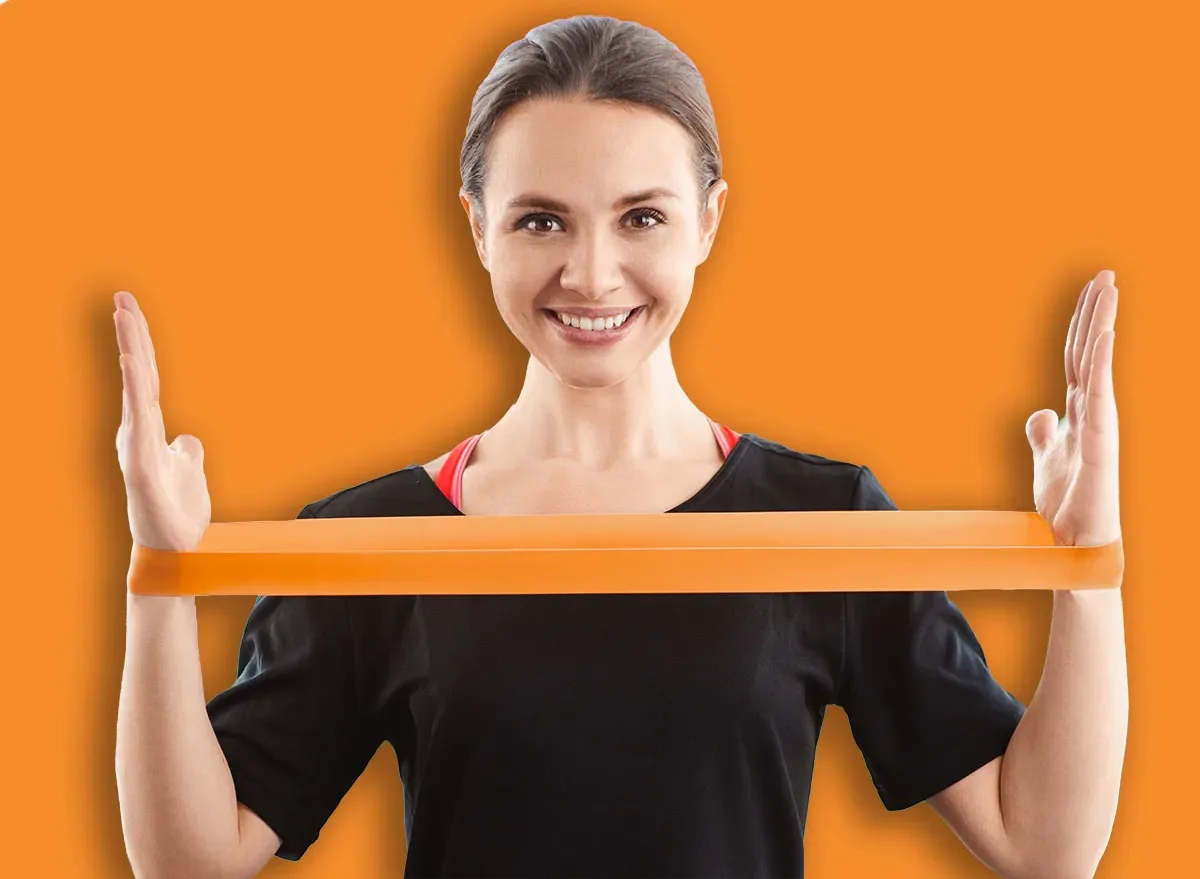
An expert-backed guide lists five multi-muscle moves to rebuild upper-body strength after 50: incline pushups, standing band rows, standing overhead band presses, farmer’s carry, and band pull-aparts. Per Karen Ann Canham, these standing, band- and bodyweight-based exercises improve coordination, posture, and joint stability more effectively than machines, emphasizing quality movement and consistency over heavy loads. Follow the suggested sets/reps: 2–3 sets of 8–12 (or 10–15 for rows), 2–3 sets of 8–12 for presses, 3 rounds of 30–60 seconds for farmer’s carries, and 2–3 sets of 12–20 for pull-aparts.

Five-Minute Morning Circuit to Flatten Belly Overhang After 50
fitness4 months ago

Five-Minute Morning Circuit to Flatten Belly Overhang After 50

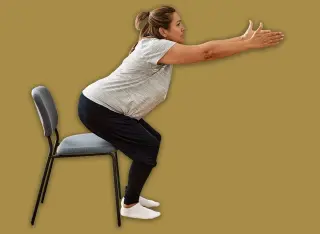
A five-minute, bodyweight morning circuit for people over 50 that boosts circulation, activates the deep core, and improves posture to reduce belly overhang. The routine combines Standing March with Core Brace, Bodyweight Squat to Reach, and Incline Plank Shoulder Taps in 40-second work intervals with 20 seconds of rest, repeated twice, and is meant to be done first thing in the morning along with habits like adequate protein intake and upright movement to support gradual fat loss around the midsection.

"Experts Recommend Strength Training Tri-Weekly for Over 50s Weight Loss"
health-and-fitness2 years ago

"Experts Recommend Strength Training Tri-Weekly for Over 50s Weight Loss"

Experts suggest that for individuals over 50, strength training at least three times a week is essential for weight loss and maintaining muscle mass, which is crucial for a healthy metabolism. Hormonal changes, reduced estrogen levels, and a more sedentary lifestyle contribute to weight gain during this period. Tips for weight loss include incorporating aerobic exercise, embracing resistance training, cutting back on processed sugars, limiting snacking, prioritizing fiber, reducing stress, protecting sleep, and adopting a Mediterranean-style diet. It's important to consult with a doctor or registered dietitian if there's no success after trying these methods consistently.

"Proven Steps to Attain a Flat Belly After 50, as Advised by Experts"
health-and-wellness2 years ago

"Proven Steps to Attain a Flat Belly After 50, as Advised by Experts"

Achieving a flat belly over 50 requires a combination of healthy lifestyle choices, including setting realistic goals, consulting with a doctor, eating a balanced diet, incorporating regular exercise, getting quality sleep, and staying consistent while monitoring progress. It's important to focus on sustainable, realistic changes rather than quick fixes, and to personalize the approach based on individual goals and needs.