Tag

Panspermia

All articles tagged with #panspermia

3I/ATLAS as a Cosmic Seeder: Loeb Proposes Directed Panspermia
science58 minutes ago

3I/ATLAS as a Cosmic Seeder: Loeb Proposes Directed Panspermia

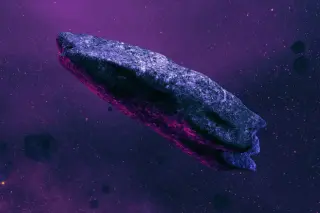
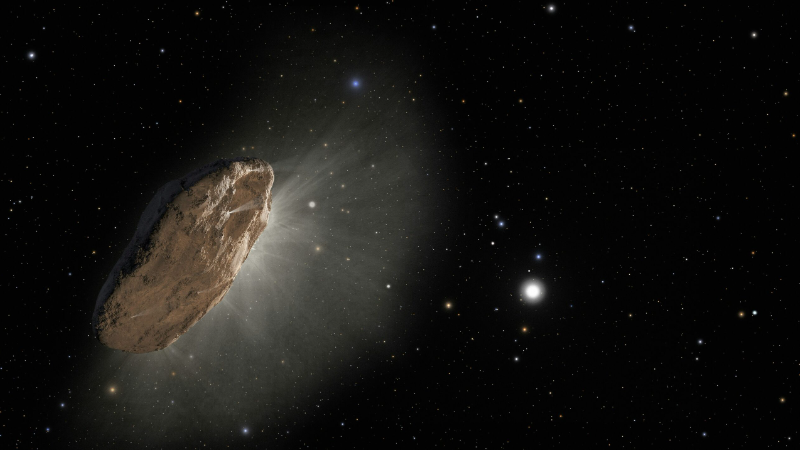
Harvard astronomer Avi Loeb suggests the interstellar visitor 3I/ATLAS could have seeded life across the Solar System via natural panspermia or even directed panspermia; while controversial, he argues that ice-encased life might survive transit and proposes intercepting future interstellar objects to test for extrasolar biology and compare it with Earth life.

Interstellar Seed? Loeb Suggests 3I/ATLAS Might Have Seeded Life Here
science15 hours ago

Interstellar Seed? Loeb Suggests 3I/ATLAS Might Have Seeded Life Here

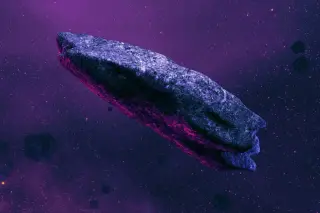
Harvard astronomer Avi Loeb proposes that the interstellar visitor 3I/ATLAS could have seeded life in the Solar System, either by ice-embedded life released as it traveled or through directed panspermia by an advanced civilization; while the idea is controversial and debated, Loeb argues that intercepting such objects could help determine if extrasolar life resembles Earth life, a notion that would have profound implications for our understanding of life's origins.

Earth-to-Venus Panspermia: Life Could Reach Venus' Clouds
space1 month ago

Earth-to-Venus Panspermia: Life Could Reach Venus' Clouds

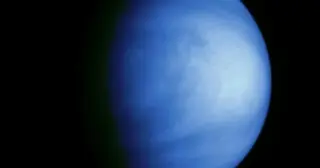
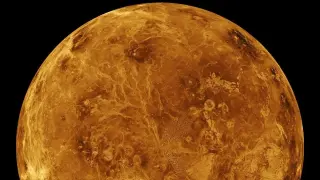
New modeling using the Venus Life Equation suggests Earth-origin material can survive ejection, travel to Venus, and disperse in Venus’ clouds, with hundreds of billions of Earth‑origin cells potentially transferred and some remaining viable; while not proving life exists there, the study shows Earth–Venus panspermia is plausible and could imply any Venus cloud life might have Earth origins.

Russia's 'Noah's Ark' Spacecraft Returns with Living Creatures
science8 months ago

Russia's 'Noah's Ark' Spacecraft Returns with Living Creatures

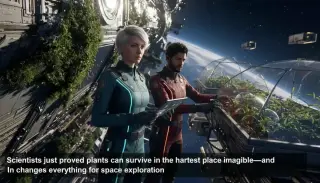
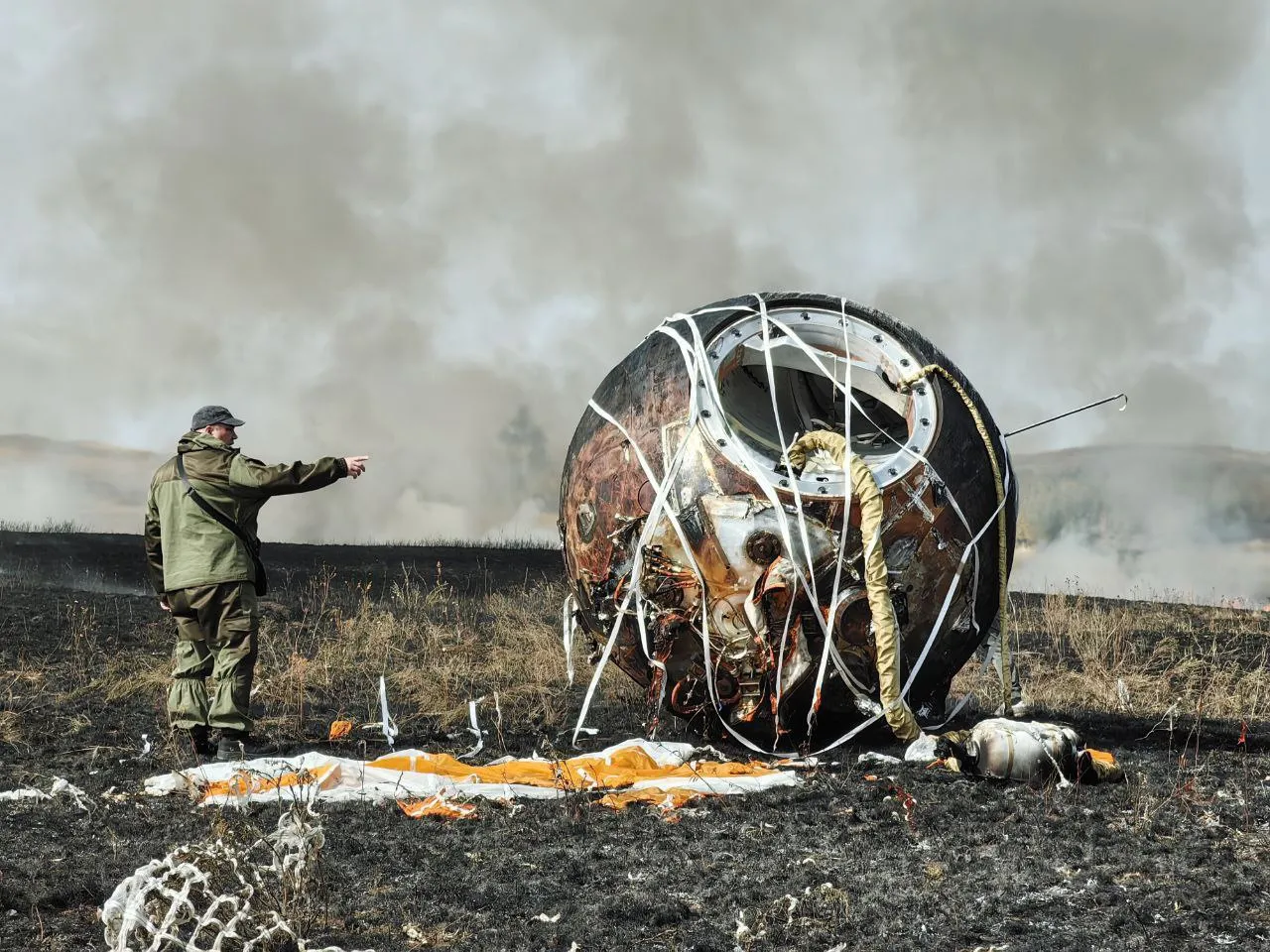
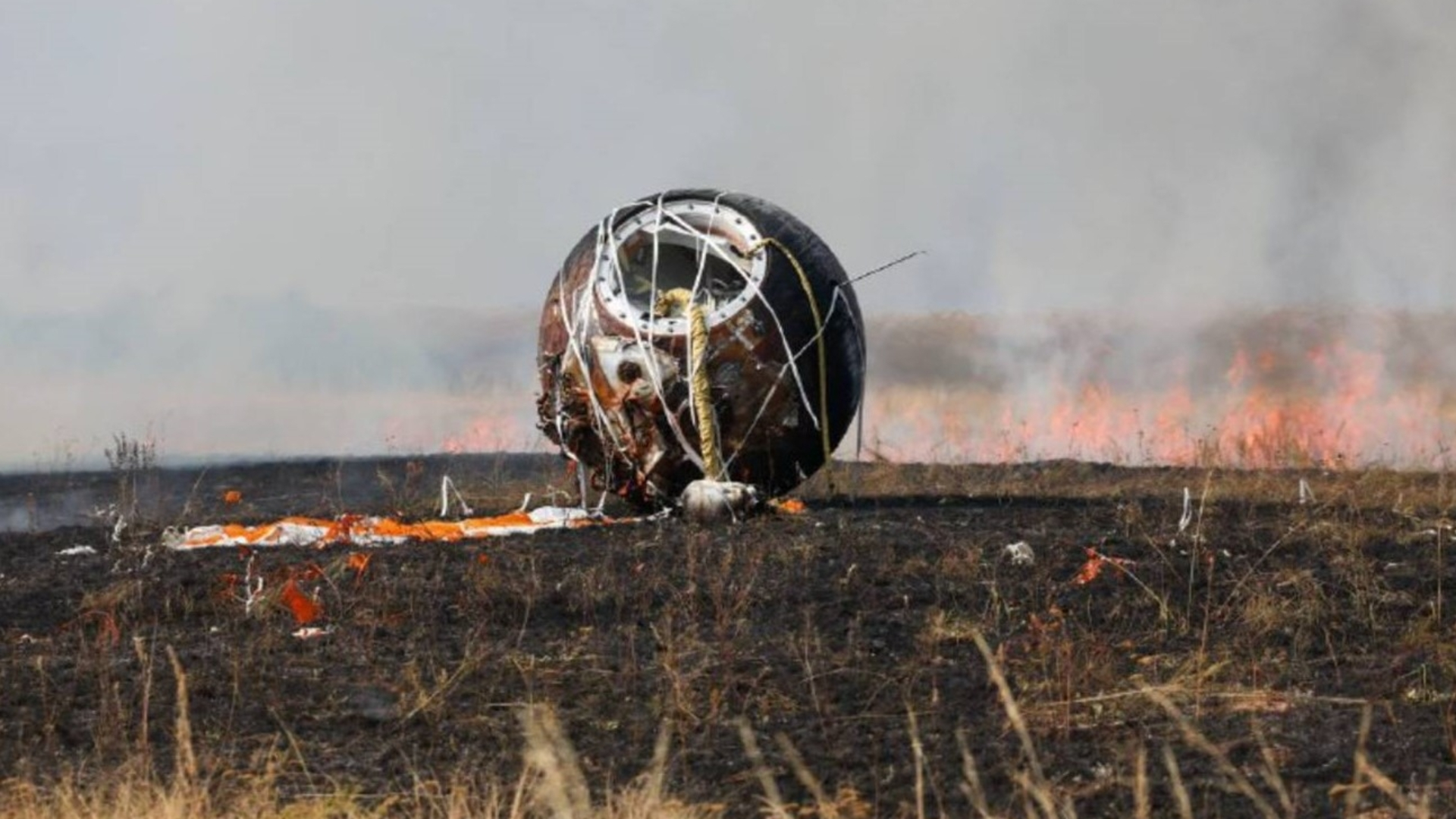
Russia's Bion-M No 2 satellite experiment aimed to test the panspermia theory by sending microbes, mice, and seeds into space to see if microorganisms could survive re-entry, potentially supporting the idea that life could spread between planets. The spacecraft crash-landed with some animals perishing, but the experiment provides insights into how space phenomena affect living organisms and the possibility of life transfer across planets.

Reevaluating Human Origins Beyond Darwinian Theory
science9 months ago

Reevaluating Human Origins Beyond Darwinian Theory

The book 'Where Did We Come From? The Origin and Evolution of Life' by Rosenberg and Zilber-Rosenberg explores various theories of life's origins, from religious narratives to scientific hypotheses like chemical evolution and panspermia, and discusses the evolution of Darwinian theory, emphasizing the role of microbes and cooperation in evolution, culminating in their own concept of the hologenome as a key driver of evolution.

science9 months ago

Reevaluating Origins: A Critique of Darwinian Theory

The book 'Where Did We Come From?' by Rosenberg and Zilber-Rosenberg explores various theories of life's origins, from religious narratives to scientific hypotheses like chemical evolution and panspermia, and introduces their own concept of the hologenome, emphasizing the role of microbes in evolution and challenging traditional Darwinian views. The authors also discuss the relationship between science and religion, the evolution of evolutionary theory, and the implications of their ideas for society.

Earth Bacteria Quickly Colonize Asteroid Ryugu Sample
science1 year ago

Earth Bacteria Quickly Colonize Asteroid Ryugu Sample

A recent study involving samples from the asteroid Ryugu, collected by the Hayabusa2 mission, found organic matter resembling microbial life. However, the findings likely result from contamination, as the characteristics of the organic material match terrestrial life. This study highlights the challenges of sterilization in space missions and suggests that while panspermia remains unproven, asteroids contain organic materials that could support life beyond Earth.

Earth Bacteria Found on Asteroid Ryugu Sample
science1 year ago

Earth Bacteria Found on Asteroid Ryugu Sample

Scientists from Imperial College London found that microbes discovered on samples from asteroid 162173 Ryugu, collected by Japan's Hayabusa 2 mission, are likely Earth-originating rather than extraterrestrial. The study, published in Meteoritics & Planetary Science, suggests that these microbes thrived on the organic material present on the asteroid, highlighting the challenges of contamination in space missions. This finding does not support the panspermia hypothesis, which posits that life could have originated from space.

Terrestrial Bacteria Thrive in Ryugu Asteroid Sample Despite Precautions
science1 year ago

Terrestrial Bacteria Thrive in Ryugu Asteroid Sample Despite Precautions

Researchers from Imperial College London found that a sample from asteroid Ryugu, returned by the JAXA Hayabusa 2 mission, was rapidly colonized by terrestrial microorganisms despite strict contamination controls. The study highlights the challenges of preventing Earth microbes from contaminating extraterrestrial samples, as even cleanroom environments are not foolproof. This finding underscores the difficulty of maintaining sample integrity in space missions and suggests that terrestrial life can easily exploit extraterrestrial organic material, supporting aspects of the panspermia hypothesis.