Tag

Photosphere

All articles tagged with #photosphere

Sun reveals 20-kilometer plasma whirlpools linked to corona heating mystery
space22 days ago

Sun reveals 20-kilometer plasma whirlpools linked to corona heating mystery

New high-resolution images from the NSF’s Inouye Solar Telescope show 20-km-wide plasma vortices at the edges of magnetic flux on the Sun’s surface, caused by Kelvin-Helmholtz instability. These swirling motions could braid magnetic fields and help channel energy from the surface into the corona, offering a potential piece of the coronal-heating puzzle, but the authors caution they have not quantified the energy contribution and call for independent confirmation with even more powerful instruments.

Sun's Surface Reveals First Kelvin-Helmholtz Vortices in Record-Resolution Image
science29 days ago

Sun's Surface Reveals First Kelvin-Helmholtz Vortices in Record-Resolution Image

Researchers using the Daniel K. Inouye Solar Telescope in Hawaii produced the Sun’s highest-resolution image of its visible surface, revealing minute vortex-like plasma patterns at granule edges in a magnetically active area and linking them to Kelvin-Helmholtz instabilities, offering the first confirmed evidence of these processes on the Sun and potential clues to coronal heating and how magnetic energy moves across the surface.


The Sun's Hidden Odyssey: Photons Spend Thousands to Millions of Years in the Solar Interior
space3 months ago

The Sun's Hidden Odyssey: Photons Spend Thousands to Millions of Years in the Solar Interior

Light takes about eight minutes to reach Earth, but the energy it carries was generated in the Sun’s core tens of thousands to millions of years ago. In the radiative zone, photons undergo a slow, random-walk diffusion, with a commonly cited average travel time of ~170,000 years from core to surface. The photons that finally escape the photosphere are new particles carrying energy that’s been migrating outward for a very long time, and the famous phrase “the photon you see now is 100,000 years old” is a simplification. Some analyses (Kelvin–Helmholtz considerations) push the relevant energy-migration timescale to tens of millions of years, meaning the eight-minute Earthward leg is only the final step in a prolonged solar interior journey.

Unveiling Betelgeuse's Mysterious "Great Dimming" with 15 Years of Data
astronomy2 years ago

Unveiling Betelgeuse's Mysterious "Great Dimming" with 15 Years of Data

A team of astronomers has used 15 years of data from the STELLA robotic telescope to study the "Great Dimming" event of Betelgeuse, a red supergiant star. The data revealed five distinct layers of the star's photosphere and showed that the variations in the innermost layer were in line with the star's brightness variations. The analysis also identified two powerful shockwaves in the photosphere, which caused an outflow of material and subsequent infall across the layers. The star returned to its normal state in early 2022.

NASA's Solar Probe Mission Reveals Secrets of Solar Wind and Protects Earth from Internet Apocalypse.
science3 years ago

NASA's Solar Probe Mission Reveals Secrets of Solar Wind and Protects Earth from Internet Apocalypse.

The Parker Solar Probe has discovered the source of solar wind, uncovering fine structures of the wind where it generates near the photosphere. The coronal holes act like showerheads, where jets appear on the sun's surface in the form of bright spots, marking where the magnetic field passes in and out of the photosphere. The fast solar wind is created by the reconnection of magnetic fields within these funnel structures, providing the energy source of the fast solar wind.

Unveiling the Sun's Secrets: Stunning Images from Earth's Most Powerful Solar Telescope.
science3 years ago

Unveiling the Sun's Secrets: Stunning Images from Earth's Most Powerful Solar Telescope.

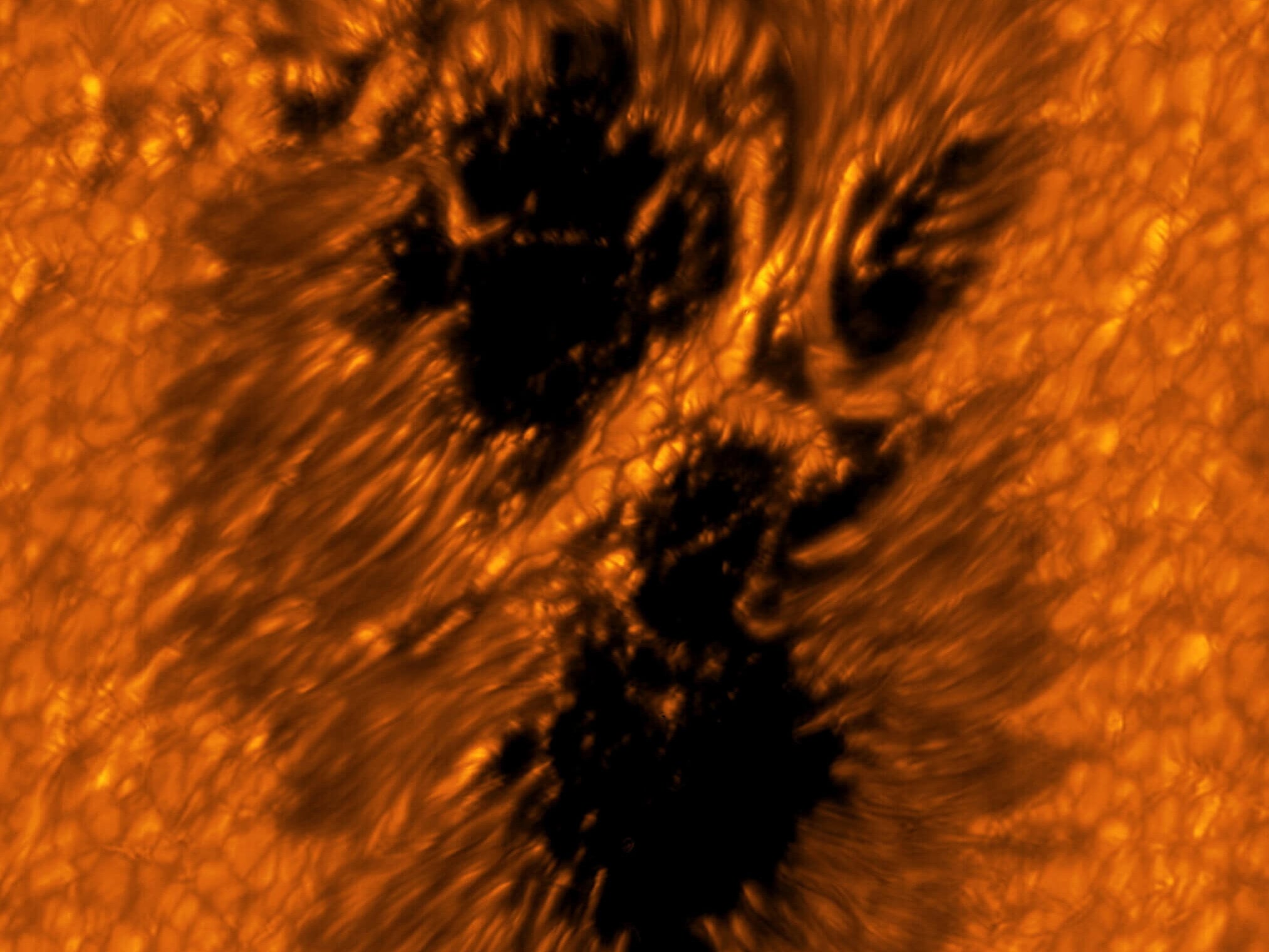
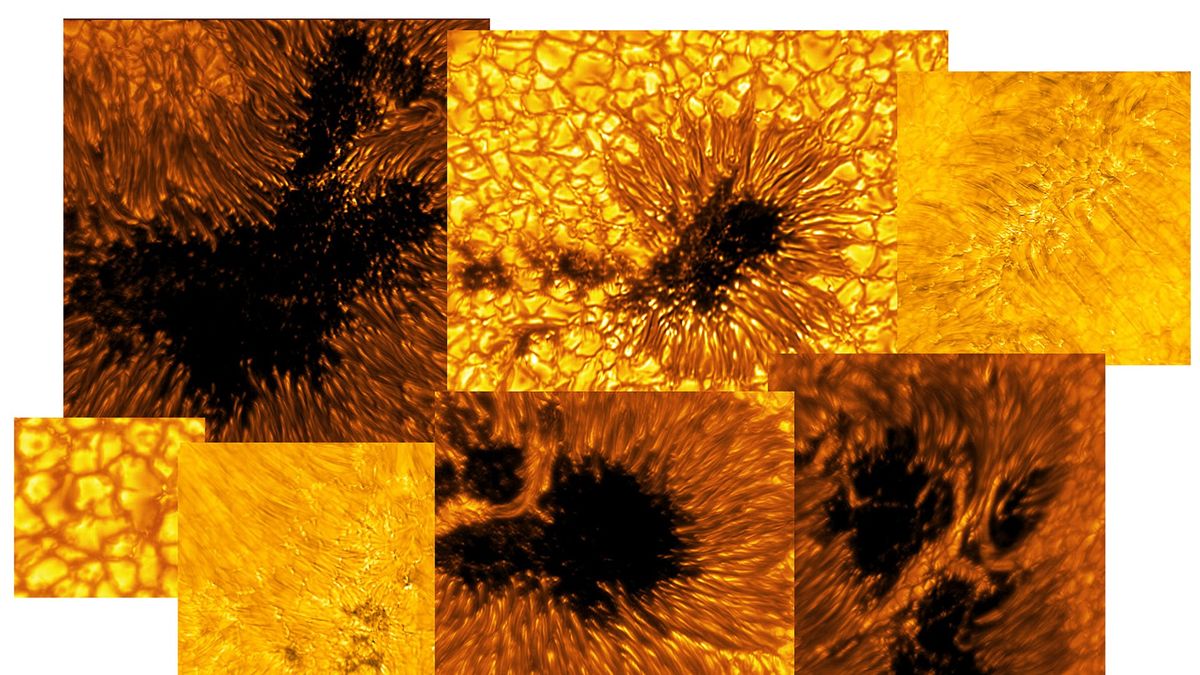
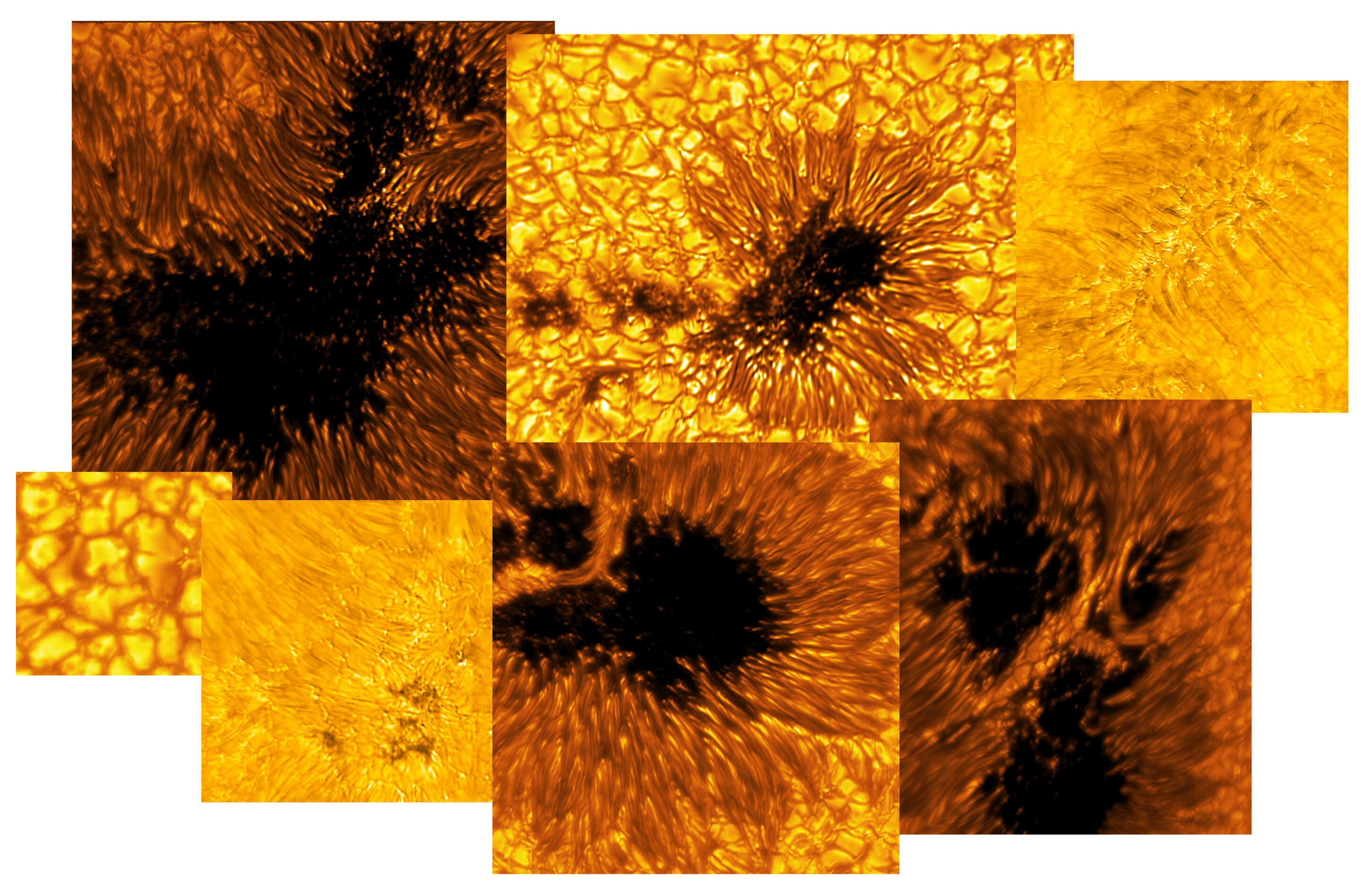
The Daniel K. Inouye Solar Telescope has captured stunning images of the Sun, including larger-than-Earth sunspots and tranquil regions of the photosphere. The telescope's unique capacity to gather data with unprecedented precision will aid solar scientists in comprehending the Sun's magnetic field and the drivers behind solar storms more effectively. The images represent a small fraction of the data gleaned from the Cycle 1 observing window, and the Inouye Solar Telescope is expected to reveal more findings from the scientific community, promising "spectacular views of our solar system's most influential celestial body."

Stunning Sun Photos Captured by Earth's Most Powerful Telescope.
science-and-astronomy3 years ago

Stunning Sun Photos Captured by Earth's Most Powerful Telescope.

The Daniel K. Inouye Solar Telescope (DKIST) has captured high-resolution images of the sun's three-layered atmosphere, including rare glimpses of decaying sunspots. The telescope used a powerful camera called the Visible-Broadband Imager to capture fine features on the sun's surface, revealing dark, relatively cool patches where strong magnetic fields reside. Scientists hope to use this data to answer some of the biggest questions about the sun, such as why its outer atmosphere is much hotter than its visible surface and how its magnetic fields abruptly reshape and blast out powerful jets of plasma from the solar atmosphere.

Stunning Solar Telescope Images Unveiled by Daniel K. Inouye
science3 years ago

Stunning Solar Telescope Images Unveiled by Daniel K. Inouye

The Daniel K. Inouye Solar Telescope has released eight new images of the sun, featuring sunspots and quiet regions of the sun obtained by the Visible-Broadband Imager. The telescope's unique ability to capture data in unprecedented detail will help solar scientists better understand the sun's magnetic field and drivers behind solar storms. The recently inaugurated telescope is in its Operations Commissioning Phase, during which the observatory is slowly brought up to its full operational capabilities.