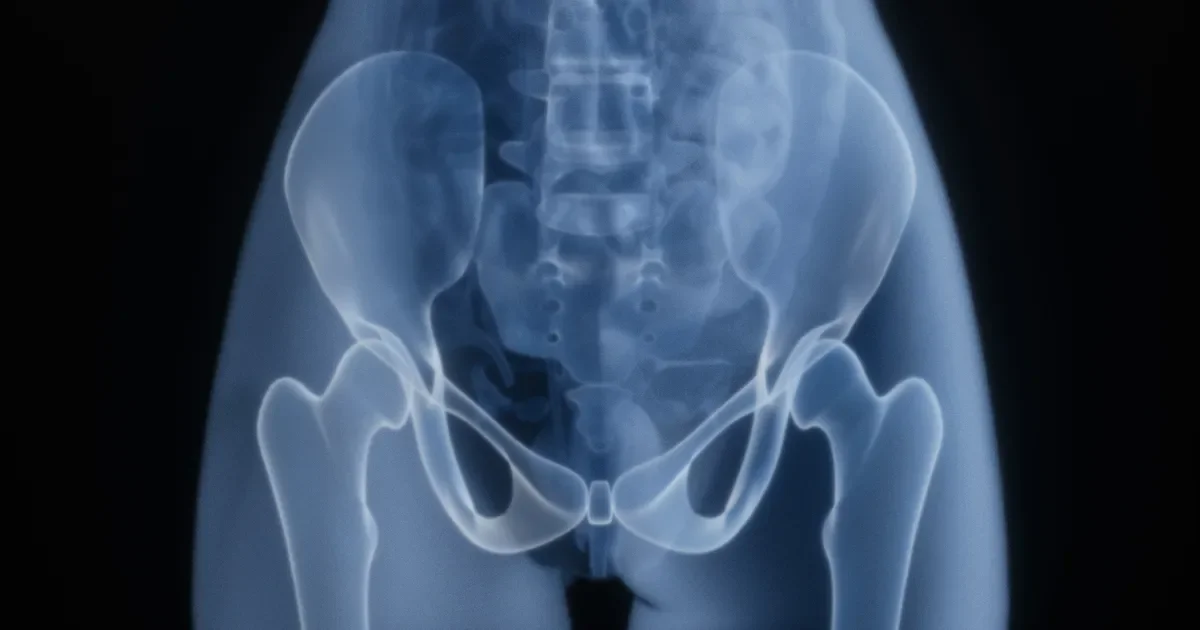
GPR133 bone-switch found; prune diet shown to preserve bone in postmenopausal women
Researchers have identified GPR133 (ADGRD1) as a master switch in bone-building cells; when activated by the compound AP503, it boosts osteoblast activity and suppresses bone-destroying cells in mice, reversing early bone loss and hinting at a future osteoporosis drug. At the same time, a Penn State prune trial found that postmenopausal women who eat 50–100 g of prunes daily maintain cortical bone density and estimated strength over 12 months, using 3D bone measurements. Together, the studies underscore prevention over reversal—bone loss begins well before fractures, with perimenopause a critical window—and while the drug findings are preclinical, the prune results offer an immediately actionable dietary approach, plus ongoing trials into perimenopause. Human trials are still needed, but these lines point to new bone-health strategies.