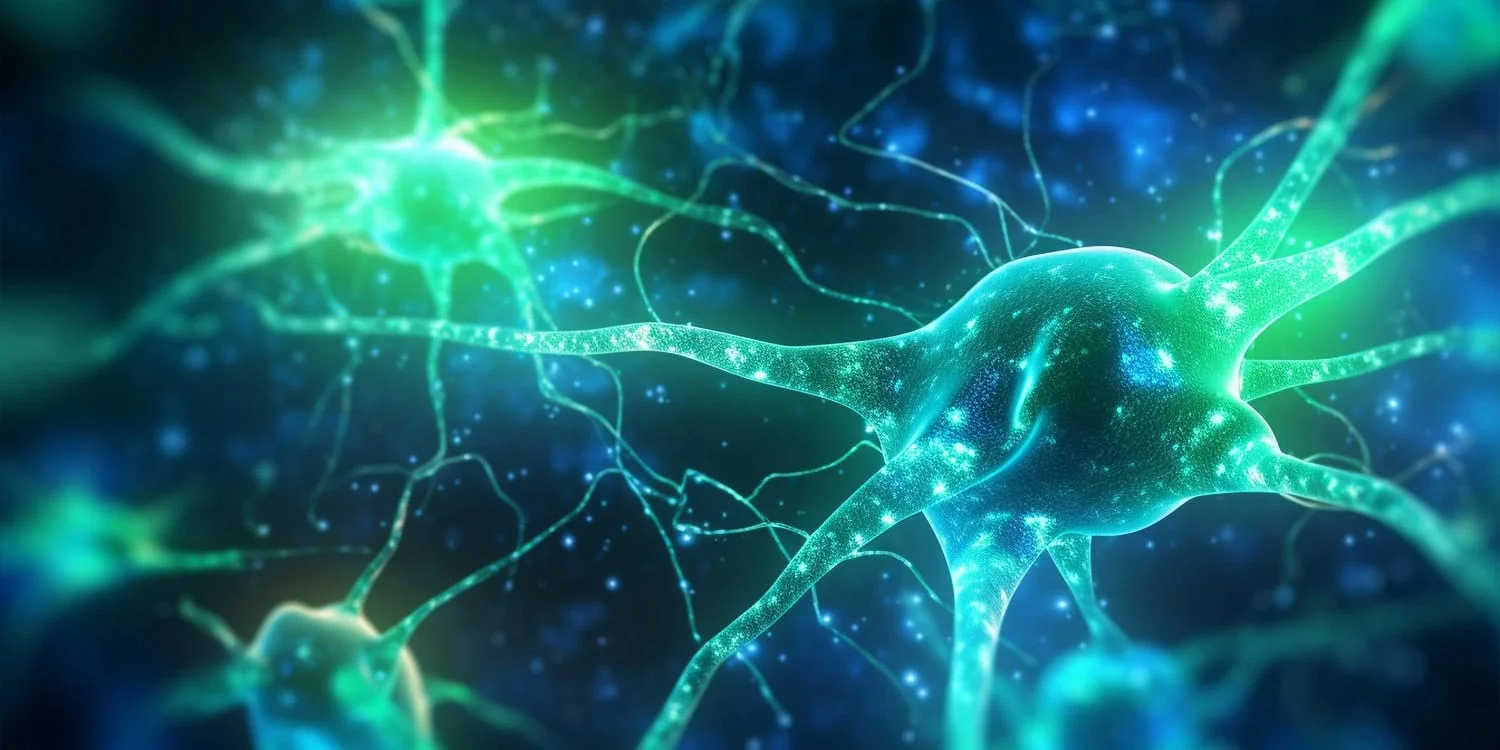
New research from UC San Diego reveals that brain activity in limbic and cortical regions tracks the specific shape of each breath on a millisecond scale, rather than just the rate. This finding suggests a tighter link between respiration and cognition than previously thought, potentially offering future warning signs for sudden death in epilepsy.
A Psychophysiology study reported by PsyPost shows spontaneous sighs help reset breathing variability and are linked to pupil-dilation changes that reflect arousal, suggesting sighing supports physiological balance and alertness during long, dull tasks. In two experiments, sighs reduced later breathing variability after deep breaths, and increased pupil dilation aligned with arousal cycles; however, there was no immediate improvement in reaction times or self-reported focus. When participants breathed slowly on purpose, sighing declined, implying deliberate breathing can override the natural urge to sigh. Limitations include potential yawning confounding sigh detection and the tasks being relatively easy; more research is needed to see if sighing can tangibly boost performance in demanding environments.
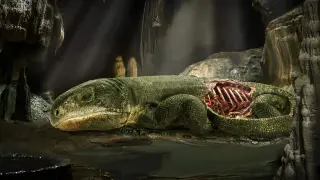
A 289-million-year-old Captorhinus aguti fossil from Oklahoma preserves three-dimensional skin and tissues, including proteins, revealing rib-based (costal) breathing and the oldest known protein remnants in fossils, offering new insight into early amniote evolution.
A 289-million-year-old mummy fossil of Captorhinus aguti from Oklahoma shows a complete rib cage and cartilage sternum, preserved in three dimensions, providing the oldest evidence of costal (rib-based) respiration in amniotes and suggesting this rib-powered breathing system underpins modern reptiles, birds, and mammals; neutron tomography enabled the reconstruction of its early breathing apparatus.
A new study across 44 insect species shows that the tracheal system in insects wouldn’t need dramatic expansion as size increases, meaning the ancient giants like Meganeuropsis permiana could still deliver oxygen efficiently. The finding undermines the long-held oxygen-constrain hypothesis and suggests giant bugs weren’t blocked by atmospheric oxygen after all; other factors—predation by aerial vertebrates, heat buildup during flight, molting/structural constraints, and open circulation—likely helped limit insect size, with future research exploring the role of air sacs in ventilation.
New findings in The Journal of Neuroscience report that breathing timing can influence memory retrieval. In 18 young adults, EEG and a breath sensor linked brain alpha/beta oscillations and memory reactivation to the respiratory cycle: recalling an image cue was more accurate when the cue appeared during inhalation, with memory processing aligning to exhalation. Stronger breath-brain coupling predicted better memory scores, suggesting respiration acts as a scaffold for episodic retrieval. Authors caution that effects are modest and causality isn’t proven, and results reflect spontaneous breathing rather than deliberate breathing exercises.
Breathwork has exploded as a wellness trend, with some techniques easing stress and others promising transformative outcomes. While slower breathing can lower cortisol and rapid methods like Wim Hof may affect CO2/oxygen balance and inflammation, the evidence is mixed and often overstated. Experts warn that many courses charge high fees for claims not yet grounded in solid science, and that breathing is free and best guided by medical advice in risky cases. The takeaway: breathwork can have real effects, but hype should be tempered by evidence and safety considerations.
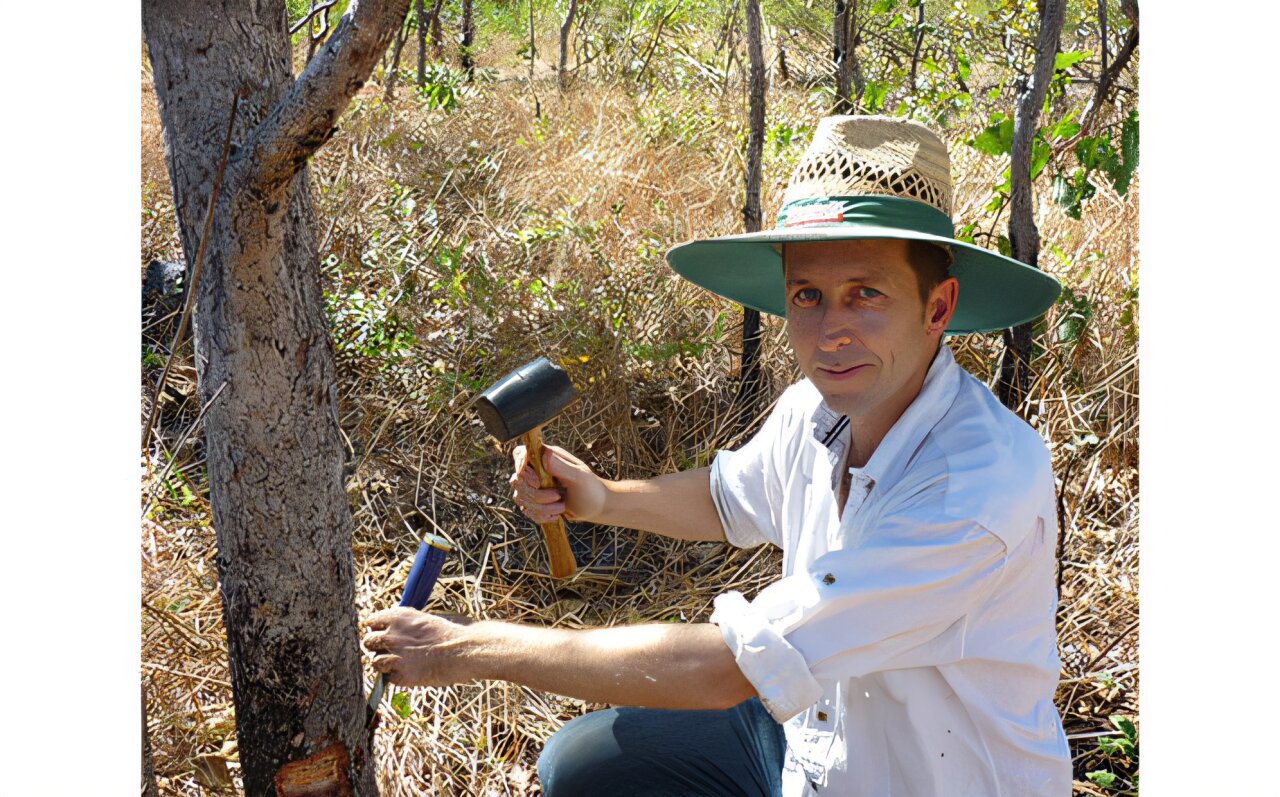
New research suggests that under a warming climate, trees may release less CO₂ than previously predicted due to their ability to adapt to temperature changes over long periods, which could impact future climate models and predictions.
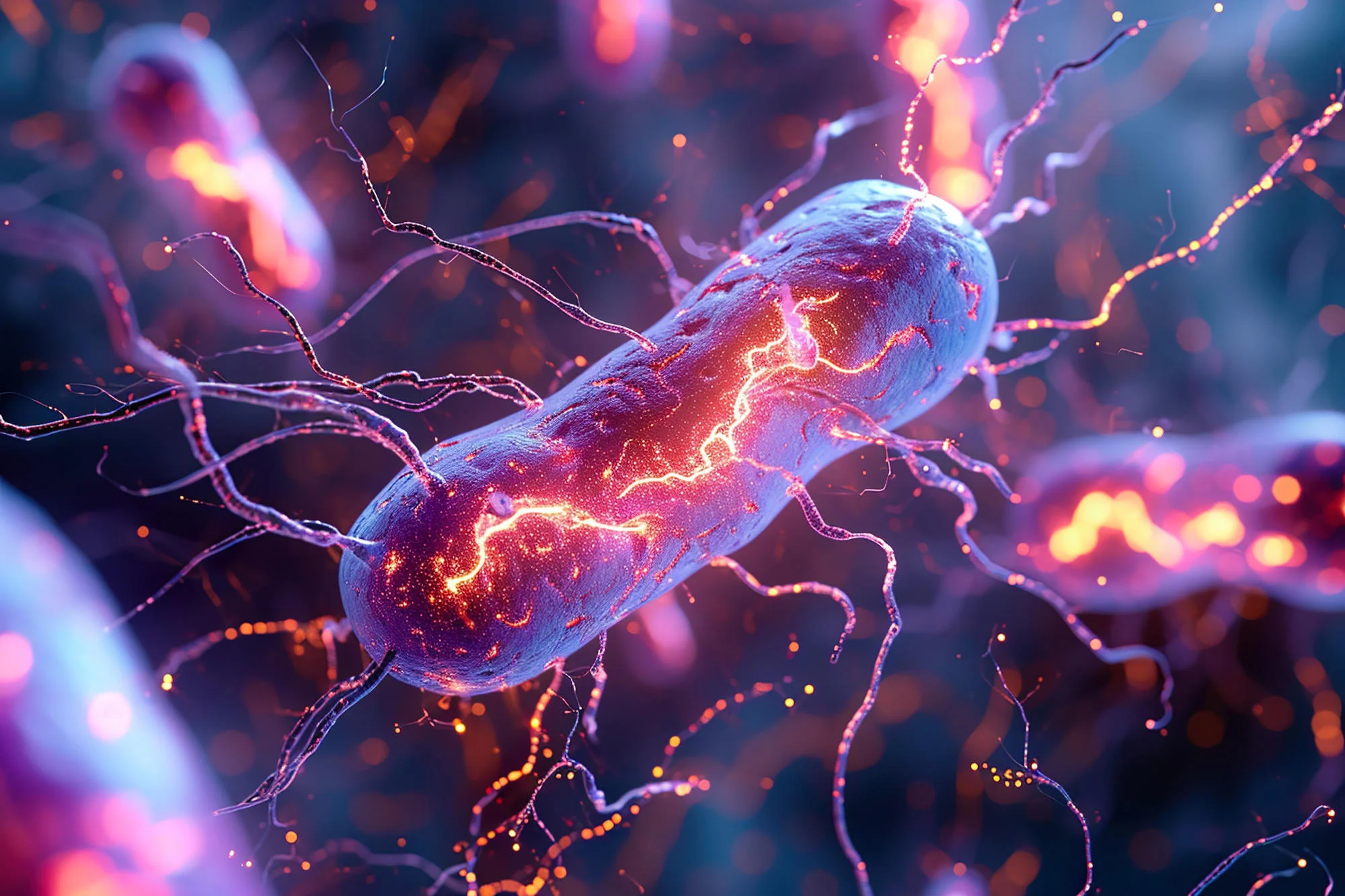
Scientists at Rice University discovered bacteria that breathe by generating electricity instead of using oxygen, revealing a natural process with significant potential for clean energy and biotechnological applications, including wastewater treatment and bioelectronic sensors.