Tag

Respiratory Infections

All articles tagged with #respiratory infections

California Faces Rising HMPV: No Vaccine, What Doctors Warn
health1 month ago

California Faces Rising HMPV: No Vaccine, What Doctors Warn

Wastewater data show high levels of human metapneumovirus (HMPV) across Northern California, with Redwood City reporting the strongest signals, as national cases rise since October 2025. HMPV typically causes cold-like symptoms but can lead to middle-ear infections and life-threatening asthma; there is no vaccine, and diagnosis requires lab testing. Most people recover with rest and fluids, while severe cases may need hospitalization. Preventive steps include good hand hygiene, cleaning surfaces, and staying home when sick.

California Faces a Vaccine-Free HMPV Surge: Key Facts for the Public
health1 month ago

California Faces a Vaccine-Free HMPV Surge: Key Facts for the Public

Public health experts warn that a vaccine-free human metapneumovirus (HMPV) is rising in Northern California, with wastewater data showing high levels in cities like Redwood City and broader spread along the Bay Area and Napa. National cases have been trending up since October 2025. HMPV typically causes cold-like symptoms but can lead to more serious issues such as wheezing, asthma attacks, middle-ear infections, pneumonia, and, in vulnerable individuals, death. There is no vaccine to prevent HMPV; prevention focuses on handwashing, cleaning surfaces, staying home when sick, and seeking medical care if symptoms worsen. Most people recover with rest and fluids, with treatment in severe cases including oxygen, steroids, and IV fluids as needed.

Bay Area Detects Rise in Human Metapneumovirus via Wastewater Signals
health1 month ago

Bay Area Detects Rise in Human Metapneumovirus via Wastewater Signals

Wastewater data show high concentrations of human metapneumovirus (HMPV) across Northern California, signaling a regional uptick in a common respiratory virus that can cause cold- or flu-like illness and, in some people (especially young children, seniors, and the immunocompromised), more serious disease; there is no vaccine or antiviral treatment, so prevention centers on hygiene and staying home when sick, with symptoms typically lasting 2–5 days.

Researchers Unveil Universal Nasal Spray Vaccine Targeting Viruses, Bacteria, and Allergens
health-and-medicine1 month ago

Researchers Unveil Universal Nasal Spray Vaccine Targeting Viruses, Bacteria, and Allergens

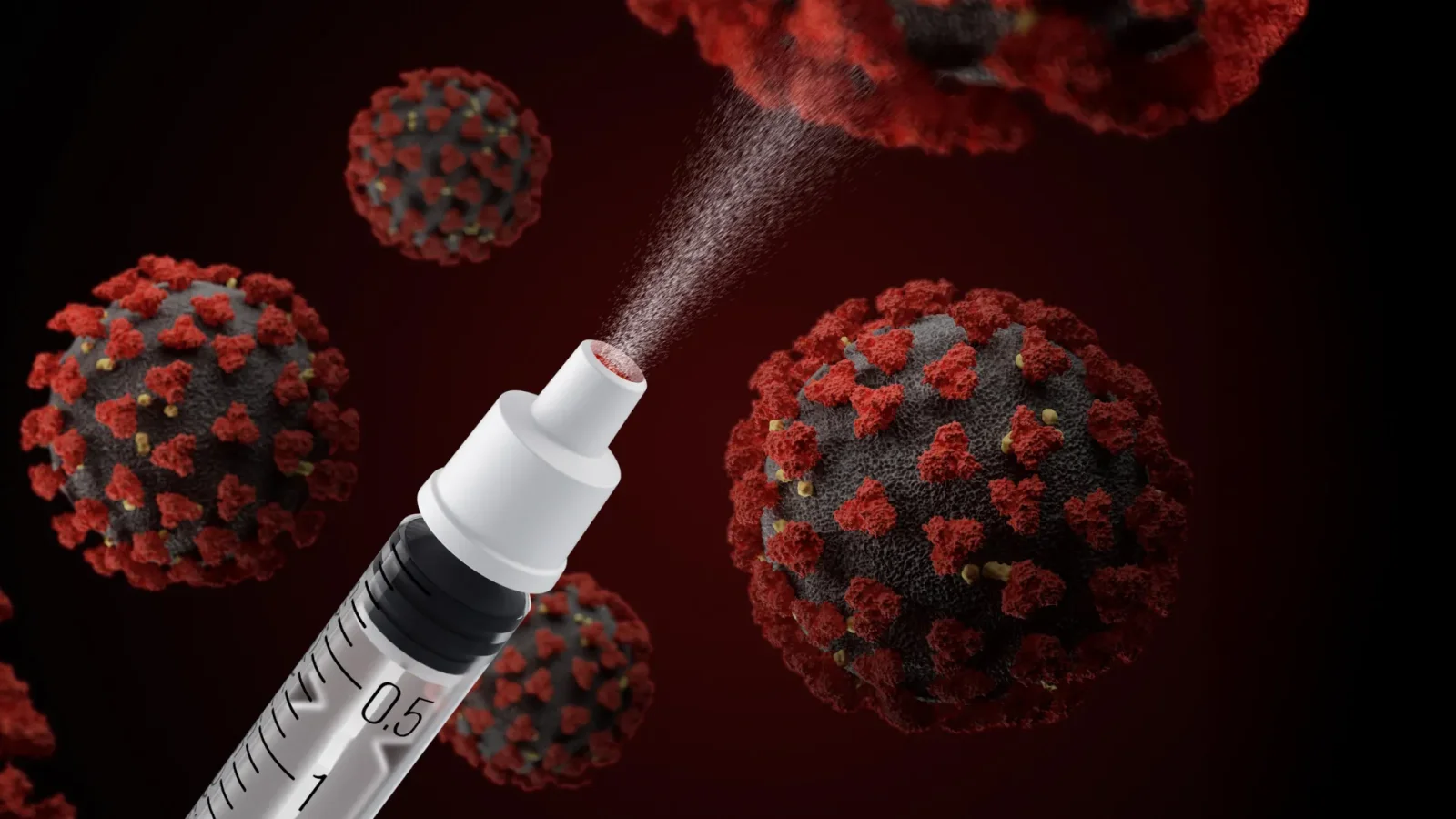
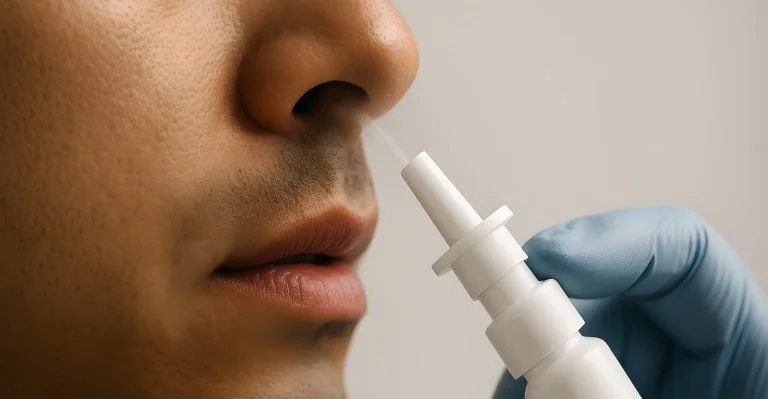
Stanford Medicine researchers have developed a nasal spray vaccine that activates the lungs’ innate immune system to provide months-long protection against a broad range of respiratory threats—including SARS-CoV-2, other coronaviruses, bacterial pneumonia pathogens, and even house dust mite allergens—in mice. If safety and efficacy are shown in humans, the approach could reduce the need for multiple yearly vaccines and idea of rapid protection during outbreaks, with Phase I trials moving forward and an estimated 5–7 years before potential availability.

Mice study hints at nasal vaccine for universal respiratory protection
science1 month ago

Mice study hints at nasal vaccine for universal respiratory protection

Stanford Medicine researchers report an intranasal vaccine that activates innate and adaptive immunity to provide months-long protection in mice against a broad spectrum of respiratory threats—SARS-CoV-2 and other coronaviruses, Staphylococcus aureus, Acinetobacter baumannii, and house dust mite allergen—suggesting a path toward a universal respiratory vaccine, with human safety trials planned next.

Sneeze science: what your nose really tells you about health
health2 months ago

Sneeze science: what your nose really tells you about health

Sneeze science shows it’s a normal, protective reflex triggered by irritants and the trigeminal nerve, not a mystical omen. Causes include allergens, viruses, pollution, and even bright light; the visible blast travels under a metre at about 10 mph. Sneezing can spread infections such as cold, flu and Covid, so cover with a tissue or elbow and use a mask in high-risk settings; overall, sneezing is a routine physiological response influenced by environment and immunity, not a sign of danger.

Vitamin D Deficiency Tied to More Severe Flu Infections
health2 months ago

Vitamin D Deficiency Tied to More Severe Flu Infections

An observational study of 36,258 UK Biobank participants found severe vitamin D deficiency (<15 nmol/L) linked to a 33% higher hospitalization rate for respiratory infections, with each 10 nmol/L increase associated with a 4% drop in hospitalizations; about 18% of Americans have insufficient vitamin D. Experts warn this is not causation, advise testing and doctor guidance before supplementation, and emphasize vaccination and other preventative measures as primary flu defenses.

health2 months ago

Vitamin D Linked to Lower Respiratory Infection Hospitalisations, UK Study Finds

A UK study analyzing about 36,000 adults found that severe vitamin D deficiency (<15 nmol/L) was linked to a 33% higher likelihood of hospital admission for respiratory infections (including flu, pneumonia and bronchitis) compared with those with adequate levels (>75 nmol/L). Moreover, for every 10 nmol/L increase in vitamin D, respiratory infection hospitalisations fell by around 4%. The NHS already recommends a daily 10 microgram vitamin D supplement during autumn and winter, and the vitamin is found in foods like oily fish, red meat, egg yolks and fortified cereals. Published in the American Journal of Clinical Nutrition, the study underscores vitamin D’s potential antiviral benefits and notes older adults and ethnic minority groups are at higher risk of deficiency.

Comprehensive Review Confirms Effectiveness of Masks
health1 year ago

Comprehensive Review Confirms Effectiveness of Masks

A comprehensive review has found that masks, particularly well-fitting respirators, are effective in reducing the spread of respiratory diseases. While previous studies, including those by the Cochrane Collaboration, suggested insufficient evidence, this new review incorporated both randomized controlled trials and laboratory studies, showing that masks work and respirators are even more effective. The findings support the CDC's guidance on using high-grade respirators in high-risk environments and emphasize the importance of wearing the best available mask to prevent respiratory infections.

"WHO Updates Terminology for Airborne Pathogens"
health2 years ago

"WHO Updates Terminology for Airborne Pathogens"

The World Health Organization, in collaboration with major public health agencies and experts, has introduced updated terminology for pathogens that transmit through the air, including those causing respiratory infections like COVID-19 and influenza. The new descriptors aim to provide a common language for discussing the transmission of infectious respiratory particles and include terms such as "infectious respiratory particles" and "airborne transmission." This effort addresses the need for consistent terminology across scientific disciplines and will guide research agendas and public health interventions.

"Study Reveals Limited Effectiveness of Antibiotics for Cough and Bacterial Infections"
health2 years ago

"Study Reveals Limited Effectiveness of Antibiotics for Cough and Bacterial Infections"

A new study shows that antibiotics do not reduce the severity or duration of coughing, even in cases of bacterial infection, highlighting the overprescription of antibiotics for coughs. Researchers found that antibiotics had no effect on cough compared to those who didn’t receive a prescription, and it took the same amount of time for people to recover from their infection regardless of antibiotic use. The study emphasizes the need for more research into proper treatment for cough symptoms and the potential dangers of antibiotic overuse leading to bacterial resistance.

"Uncovering the Mystery: How Doctors Detect COVID Before Testing"
health2 years ago

"Uncovering the Mystery: How Doctors Detect COVID Before Testing"

A 71-year-old man in good health experienced COVID-like symptoms and was diagnosed with COVID by a doctor without a test, which was later confirmed by a PCR test. The doctor's conclusion was likely based on the high prevalence of COVID during the time and the similarity of symptoms with other respiratory infections. The case highlights the variability of COVID symptoms and the importance of testing, especially with at-home tests if symptoms are present.