Tag

Room Temperature

All articles tagged with #room temperature

Polish-led team observes room-temperature supersolid using light-matter hybrid particles
science18 days ago

Polish-led team observes room-temperature supersolid using light-matter hybrid particles

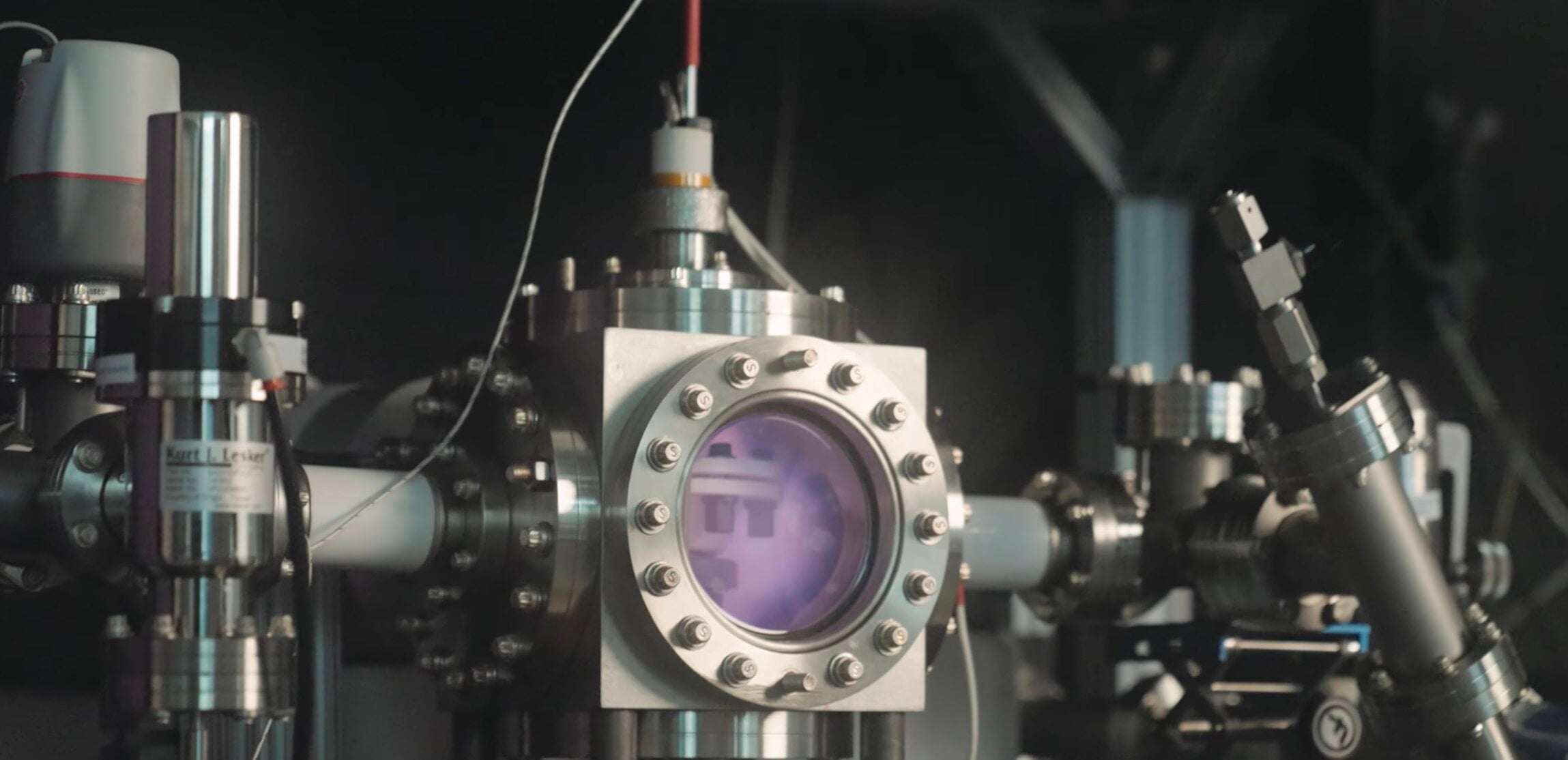
An international research team has successfully observed a supersolid state of matter at room temperature, eliminating the need for extreme cryogenic cooling. The breakthrough, published in Science Advances, utilizes hybrid light-matter particles called exciton polaritons within a liquid-crystal microcavity. This new platform offers electrical tunability and could advance optical computing and sensitive sensors, though the quantum state is transient and requires careful experimental management.


European team observes room-temperature supersolid in light-matter condensate
science19 days ago

European team observes room-temperature supersolid in light-matter condensate

An international research team has successfully observed a supersolid state of matter at room temperature, a breakthrough that eliminates the need for extreme cryogenic cooling. Published in Science Advances, the study demonstrates that this exotic quantum phase can be generated using liquid-crystal microcavities and organic semiconductors. The findings suggest new pathways for developing practical quantum photonic devices, sensors, and advanced computing systems that operate under standard environmental conditions.

Gold Metacrystal Enables Room-Temperature Quantum Light Transport
science4 months ago

Gold Metacrystal Enables Room-Temperature Quantum Light Transport

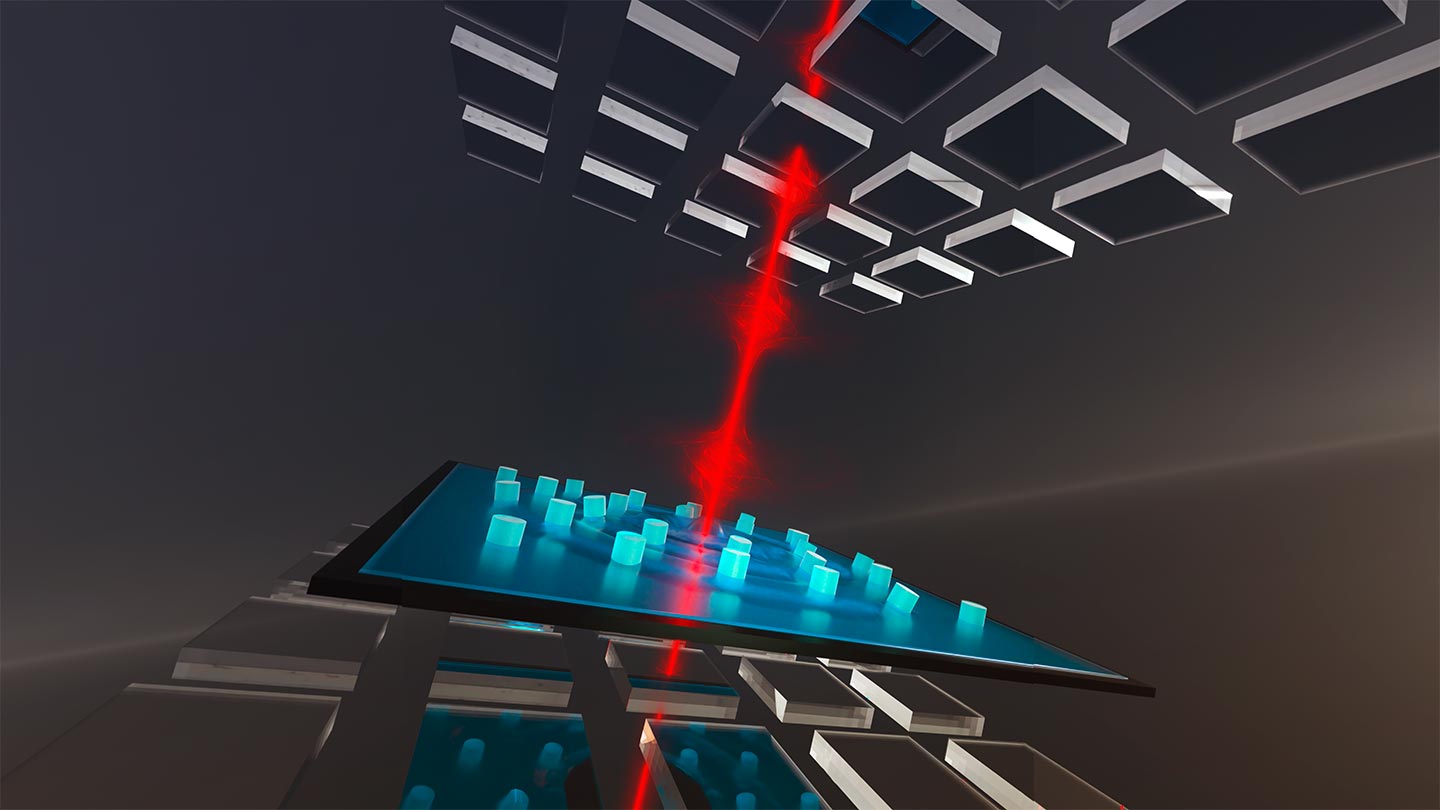
LSU researchers have built a plasmonic metacrystal—a gold-on-glass nano-patterned film—capable of guiding certain quantum states of light at room temperature. By engineering the meta-atoms, the crystal acts as a statistical filter that preserves quantum states without cryogenic cooling, a proof-of-concept with potential applications in quantum computing, communications, and solar energy; future work will explore using the crystal to improve light guiding in solar cells.

Room-temperature quantum effect could enable battery-free electronics
technology5 months ago

Room-temperature quantum effect could enable battery-free electronics

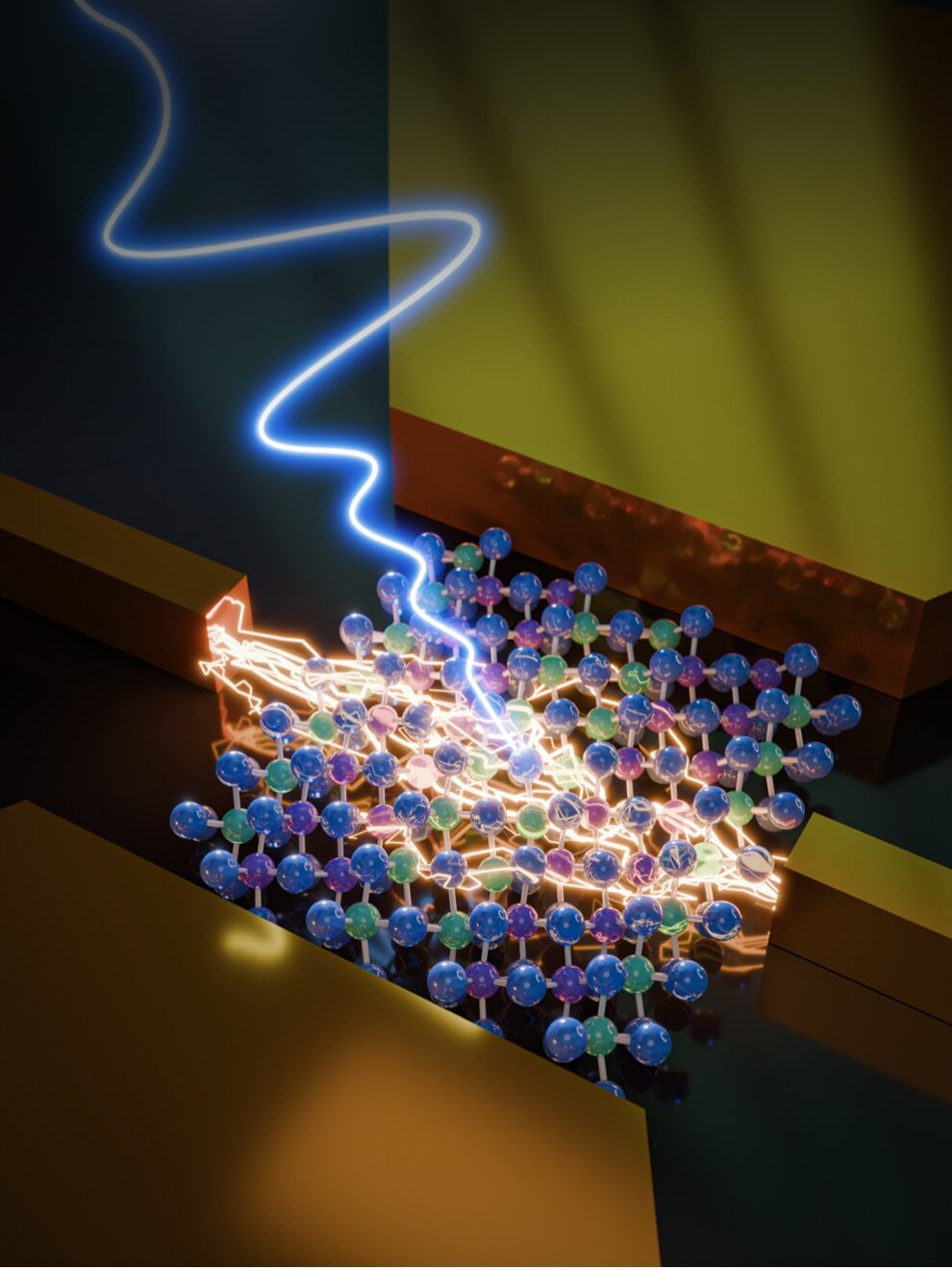
Researchers demonstrate that the nonlinear Hall effect in a topological insulator can convert ambient alternating signals into direct current, remaining stable at room temperature and tunable by temperature. The mechanism shifts from defect-dominated at low temperatures to phonon-driven at higher temperatures, with the signal direction potentially reversing. This could enable battery-free electronics like self-powered sensors and wearables, though practical devices are years away.

Breakthroughs in Room-Temperature Superconductors Spark New Possibilities
science-and-technology2 years ago

Breakthroughs in Room-Temperature Superconductors Spark New Possibilities

Scientists at the University of Illinois Chicago are developing new materials that could enable superconductors to function at room temperature, potentially revolutionizing their applications in power grids and transportation. The research, led by PhD candidate Adam Denchfield, explores rare earth hydrides and proposes new material designs that show promise in computer simulations. These designs aim to achieve superconductivity at higher temperatures without the need for extreme cooling, marking a significant step towards practical room-temperature superconductors.

"First Room-Temperature Topological Quantum Simulator Achieves Strong Light-Matter Interaction"
science-and-technology2 years ago

"First Room-Temperature Topological Quantum Simulator Achieves Strong Light-Matter Interaction"

Researchers at Rensselaer Polytechnic Institute have developed a photonic topological insulator device that operates at room temperature, enabling the study of quantum phenomena without the need for expensive, super-cooled equipment. This advancement could lead to more efficient lasers and broader access to fundamental physics research.

"Korean Scientists' Dubious Superconductor Success Strikes Again"
science-and-technology2 years ago

"Korean Scientists' Dubious Superconductor Success Strikes Again"

Korean scientists, previously behind a debunked superconductor claim, have now asserted the creation of a new compound, PCPOSOS, as the world's first room-temperature, ambient-pressure superconductor. However, their claims were met with skepticism from peer scientists, as no actual sample was presented, and the data provided lacks scientific evidence. The previous debunked claim had caused a stir in the market, with superconductor-related stocks soaring temporarily. The pursuit of a room-temperature, ambient-pressure superconductor remains a highly sought-after goal in the scientific community.

"Room-Temperature Milestone: Controlling Quantum Phenomena and Achieving Heisenberg Microscope"
science-and-technology2 years ago

"Room-Temperature Milestone: Controlling Quantum Phenomena and Achieving Heisenberg Microscope"

Researchers at EPFL have achieved a breakthrough in quantum mechanics by controlling quantum phenomena at room temperature, using an innovative experimental setup that combines quantum physics and mechanical engineering. By creating an ultra-low noise optomechanical system with specialized cavity mirrors and a large mechanical oscillator, they were able to minimize thermal noise and demonstrate optical squeezing, a quantum phenomenon, at room temperature. This achievement opens up new possibilities for quantum technology applications and the study of macroscopic quantum systems.

"Uncovering High-Order Skyrmions and Antiskyrmions"
physics2 years ago

"Uncovering High-Order Skyrmions and Antiskyrmions"

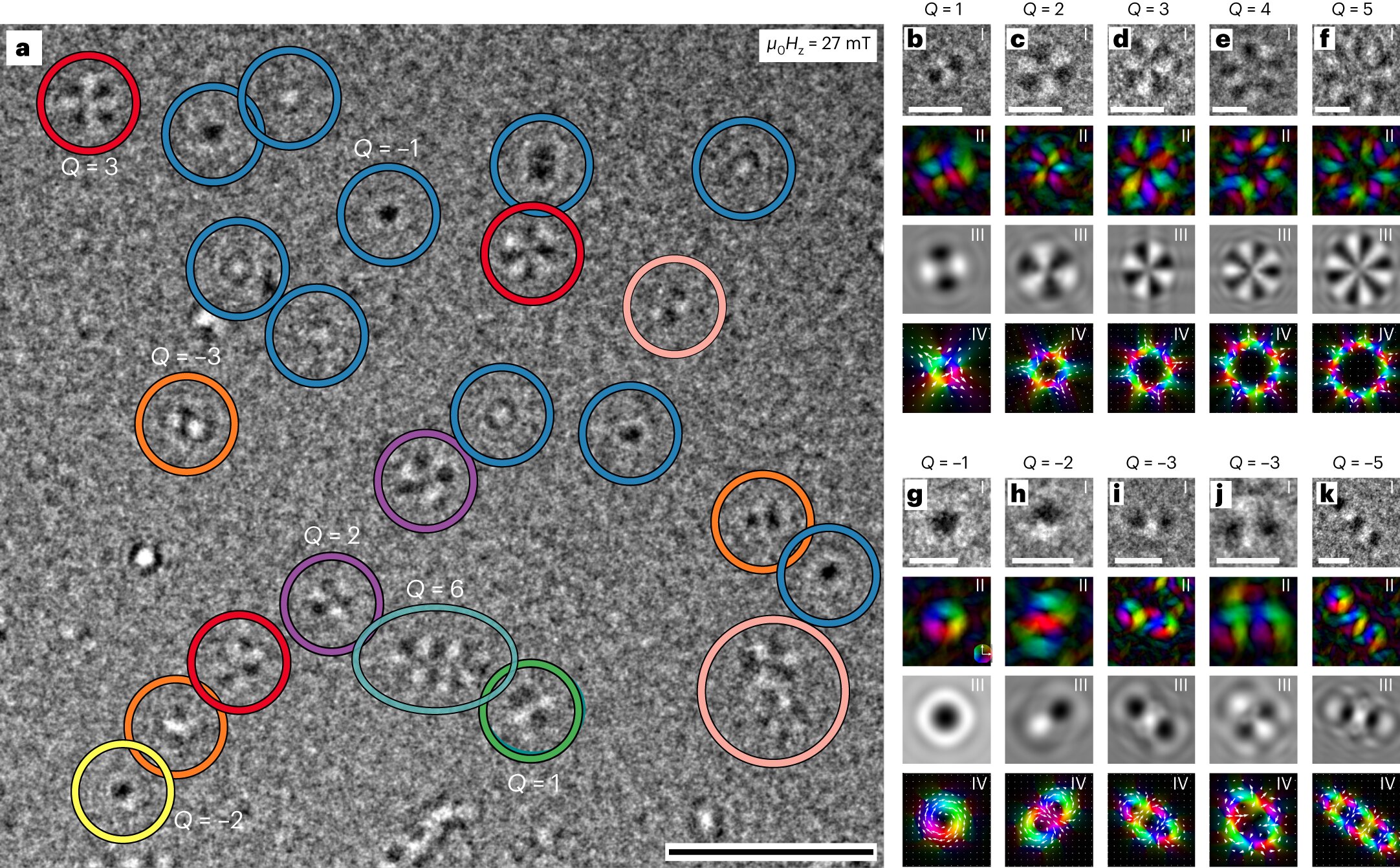
Researchers have discovered co-existing magnetic skyrmions and antiskyrmions of arbitrary topological charge at room temperature in magnetic Co/Ni multilayer thin films, opening up new possibilities for skyrmionics research. These spin objects, resembling tornado-like whirls in magnetic materials, offer potential applications in information storage devices and unconventional computing. The study, published in Nature Physics, also demonstrates the efficient control of the motion of these spin objects, providing insights for the development of skyrmionic devices.