Tag

Rover

All articles tagged with #rover

NASA Eyes PROMISE: a Nuclear-Powered Moon Rover for the South Pole
space1 month ago

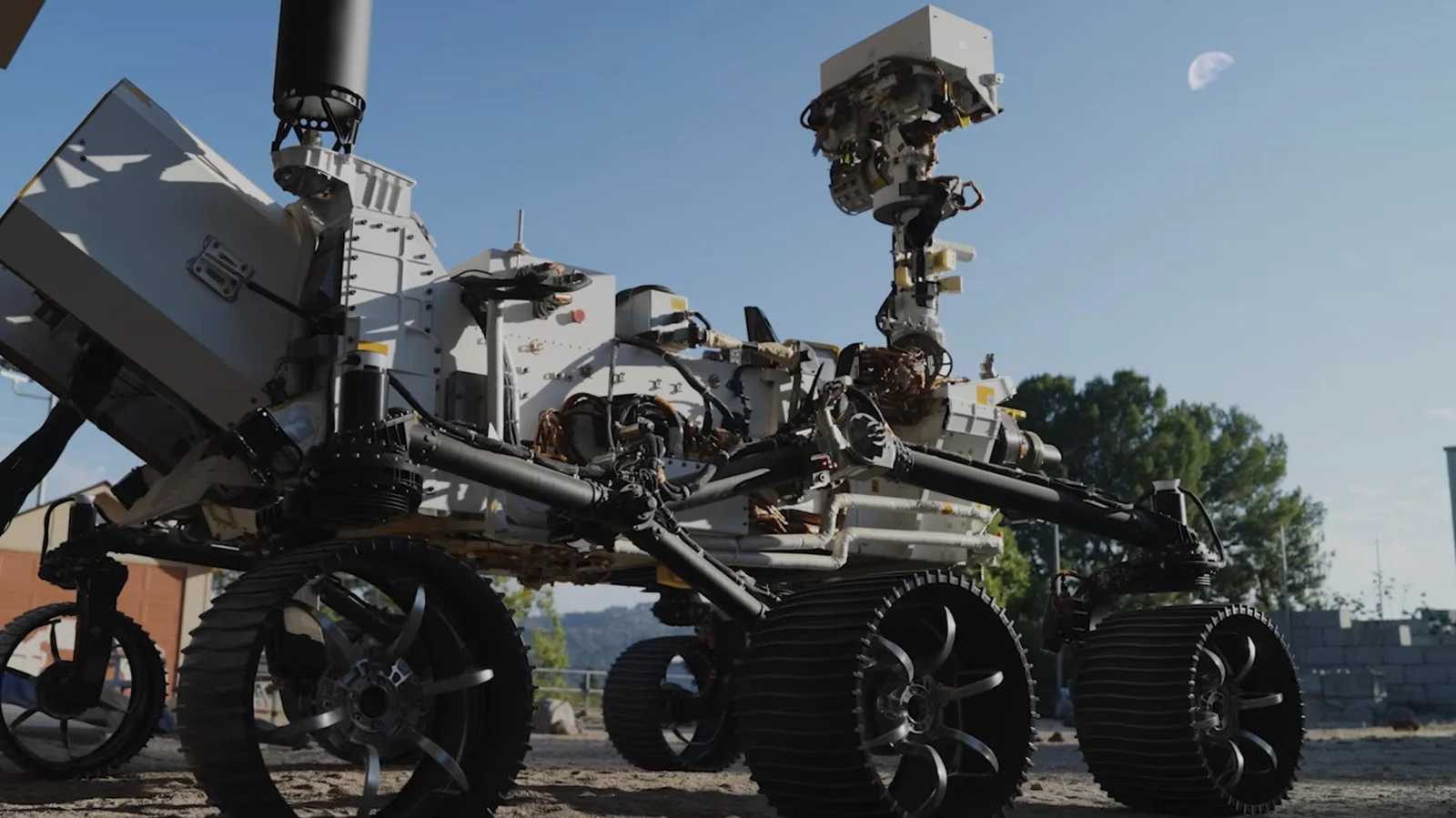
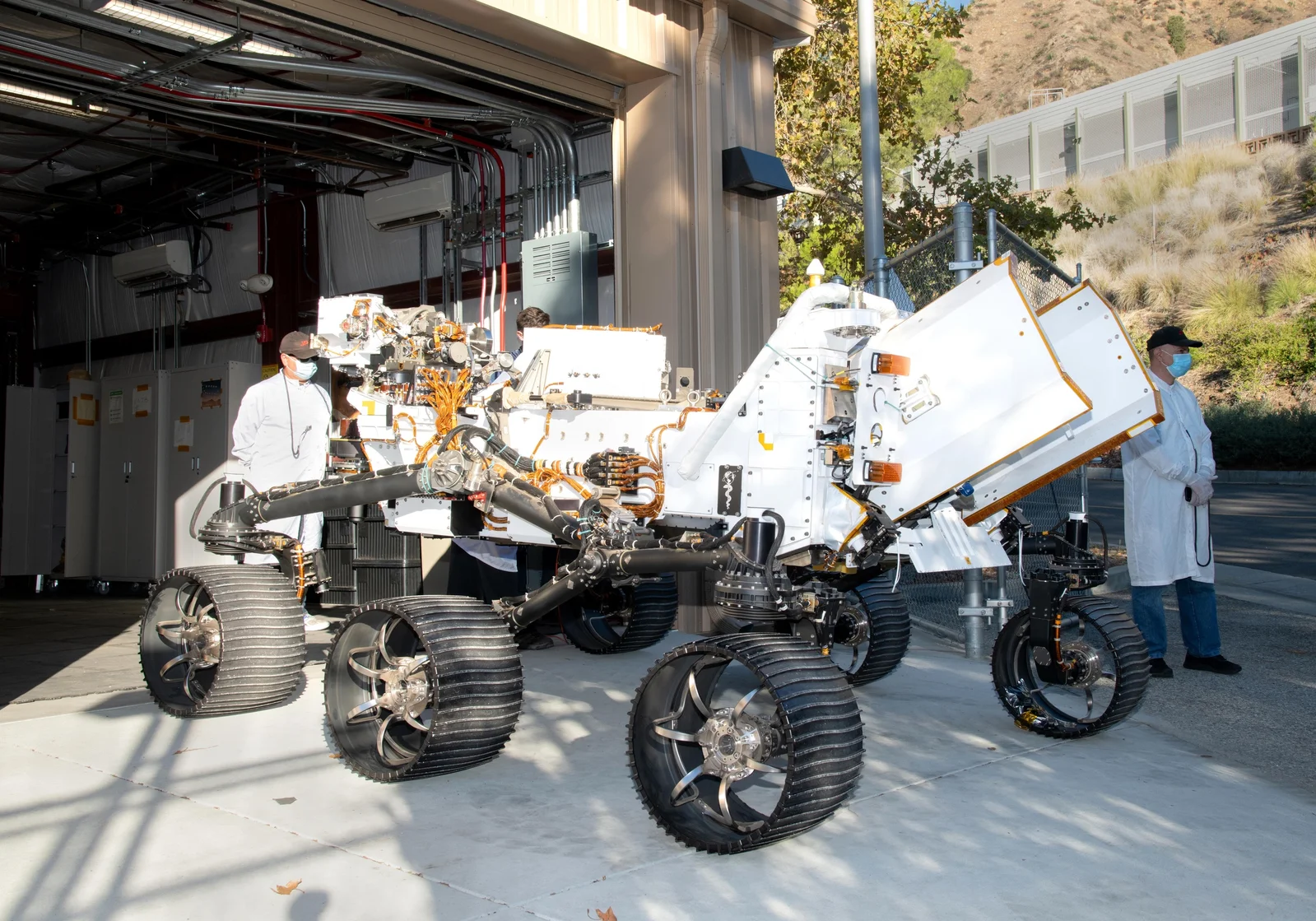
NASA Eyes PROMISE: a Nuclear-Powered Moon Rover for the South Pole

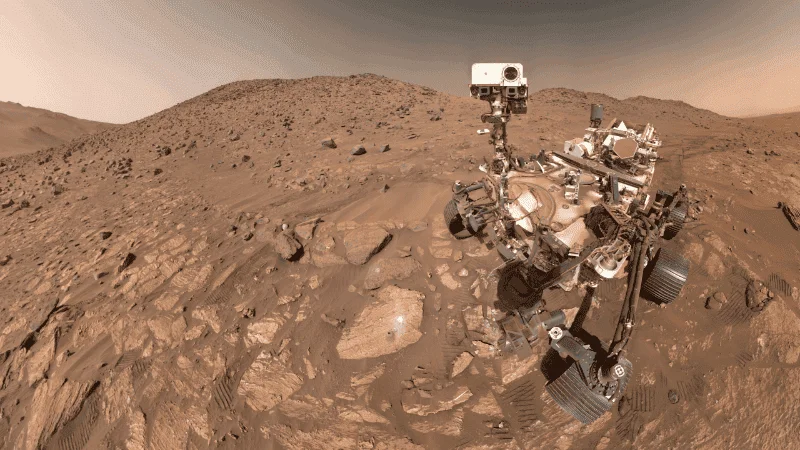
NASA is weighing a mission called PROMISE—a hybrid of Perseverance and Curiosity—to the Moon's south pole, where it would scout for water ice and map the surface and subsurface using a nuclear-powered MMRTG so it can operate without sunlight. The rover is still a concept and needs major upgrades (sensors, instruments, communications, and dust resistance), with cost estimates of $700 million to $1.3 billion and a potential launch in the early 2030s.
Perseverance’s Self-Driving Mars Trek Sets New Distance Record
science1 month ago

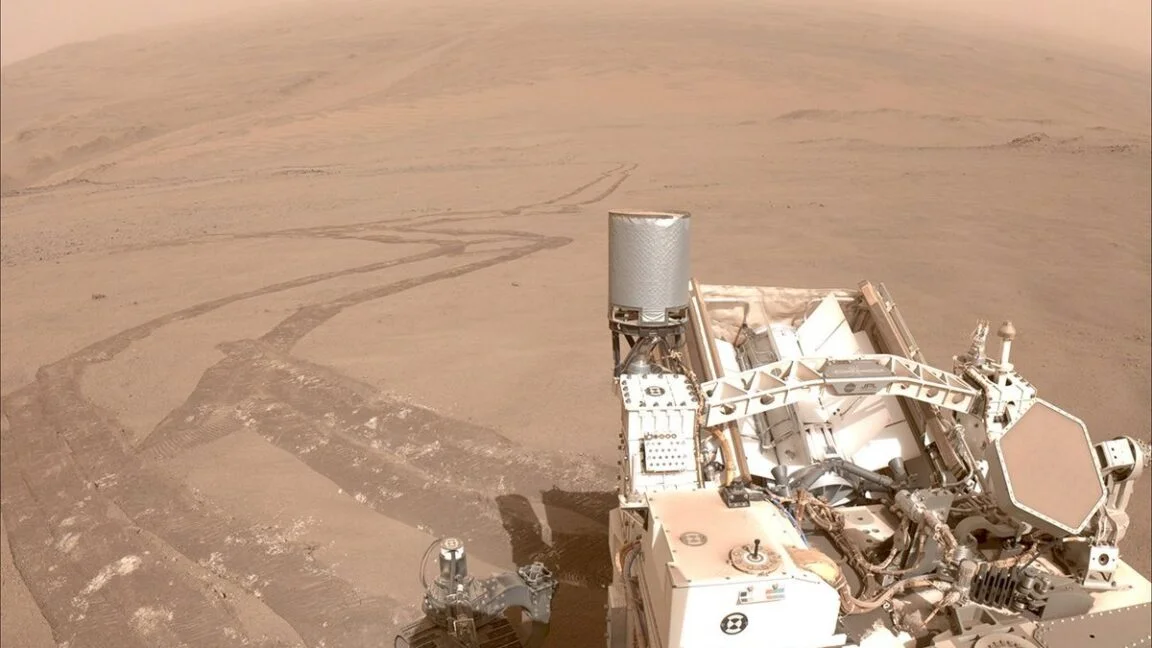
Perseverance’s Self-Driving Mars Trek Sets New Distance Record

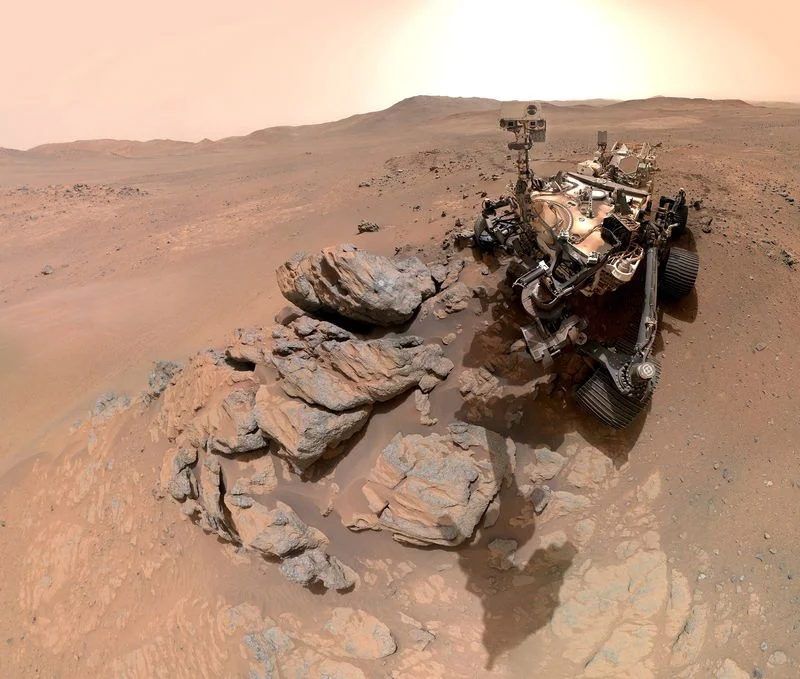
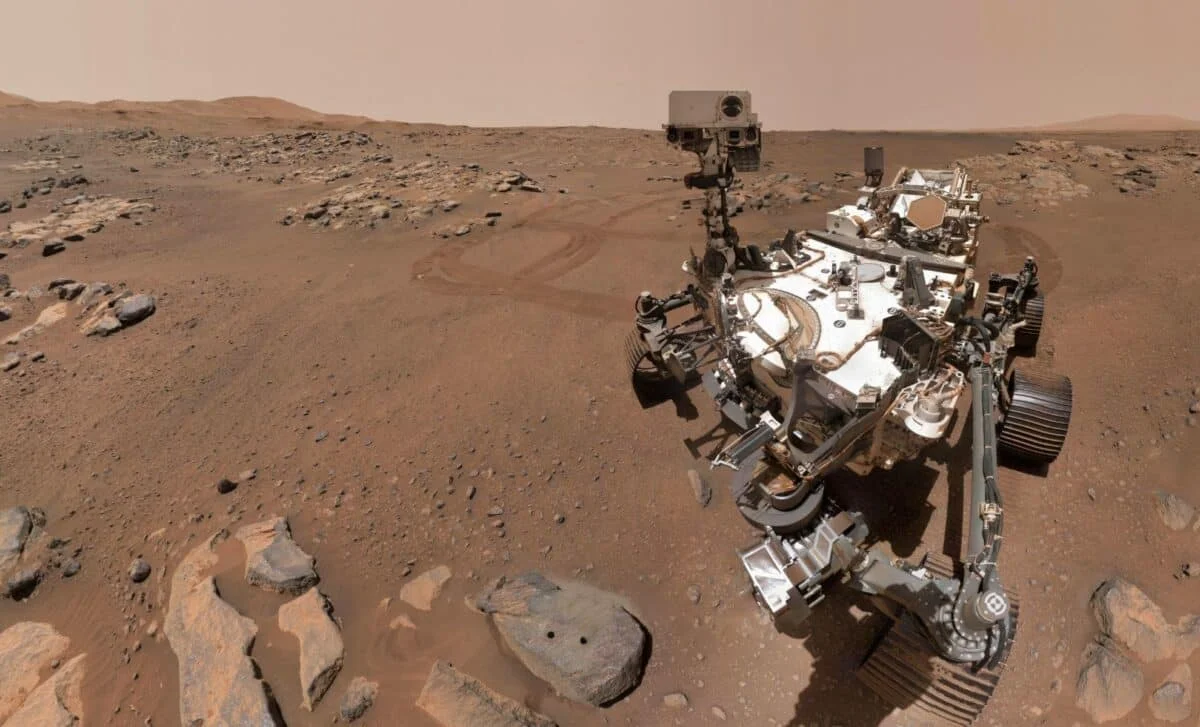
NASA’s Perseverance rover is on track to exceed 45.16 km of driving on Mars, with roughly 90% of its travel autonomous thanks to an onboard Vision Compute Element. This autonomous navigation lets it roam Jezero Crater efficiently, outpacing Curiosity’s driving and maximizing science return, while its RTG power and redesigned wheels promise years of continued exploration.

Billion-dollar question: repurposing Mars rover hardware for the Moon
space1 month ago

Billion-dollar question: repurposing Mars rover hardware for the Moon

NASA is weighing sending PROMISE, a lunar rover built from Mars rover engineering models, to the Moon’s south pole to support a future Moon Base. While NASA officials tout using existing hardware for a quick win, a Planetary Society analysis estimates development and launch could cost roughly $0.7–1.3 billion with readiness in the early 2030s, driven by power, flight-ready instruments, and certification. The plan could affect Curiosity/Perseverance testbeds and hinges on securing a spare RTG, complicating broader mission plans. NASA administrator Jared Isaacman argues costs can stay low if launch costs are restrained and defends repurposing hardware, while questions about nuclear power availability and New Frontiers timing add budgeting uncertainty.

Curiosity uncovers vast honeycomb polygons on Mars, baffling scientists
space1 month ago

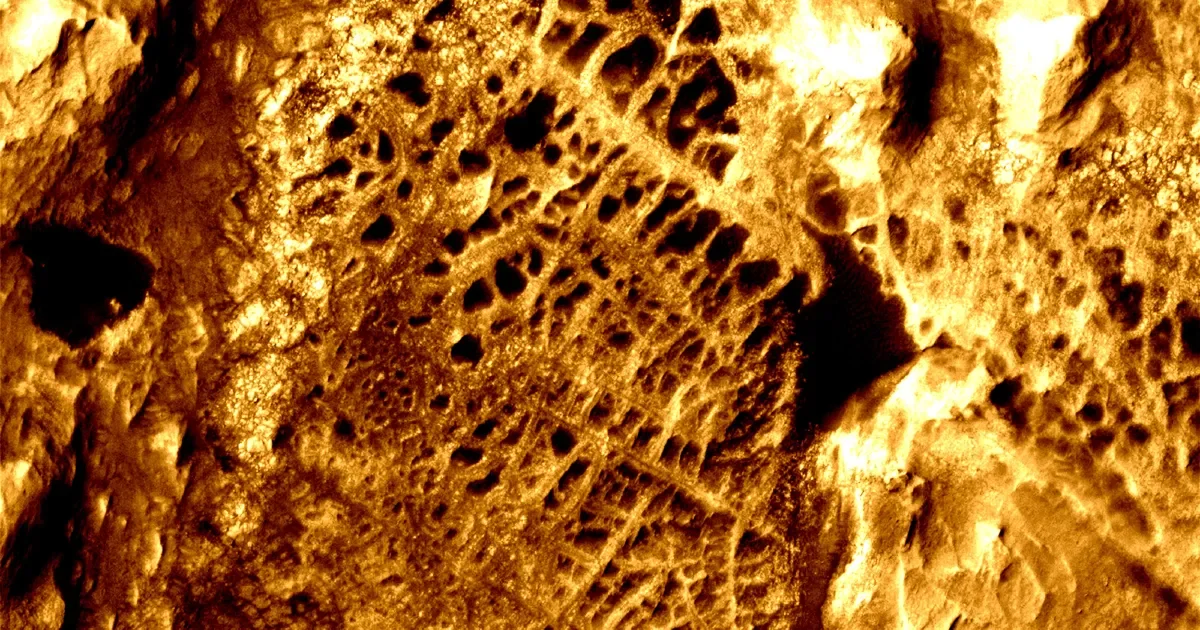
Curiosity uncovers vast honeycomb polygons on Mars, baffling scientists

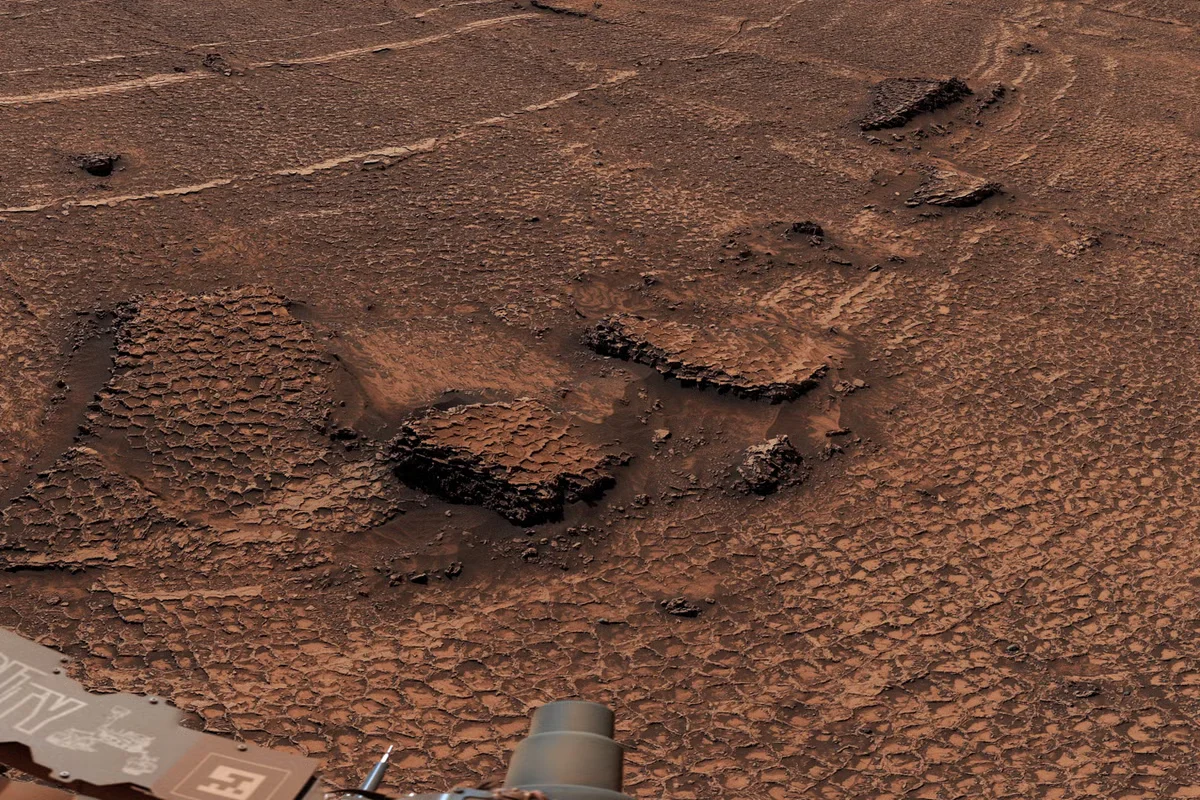
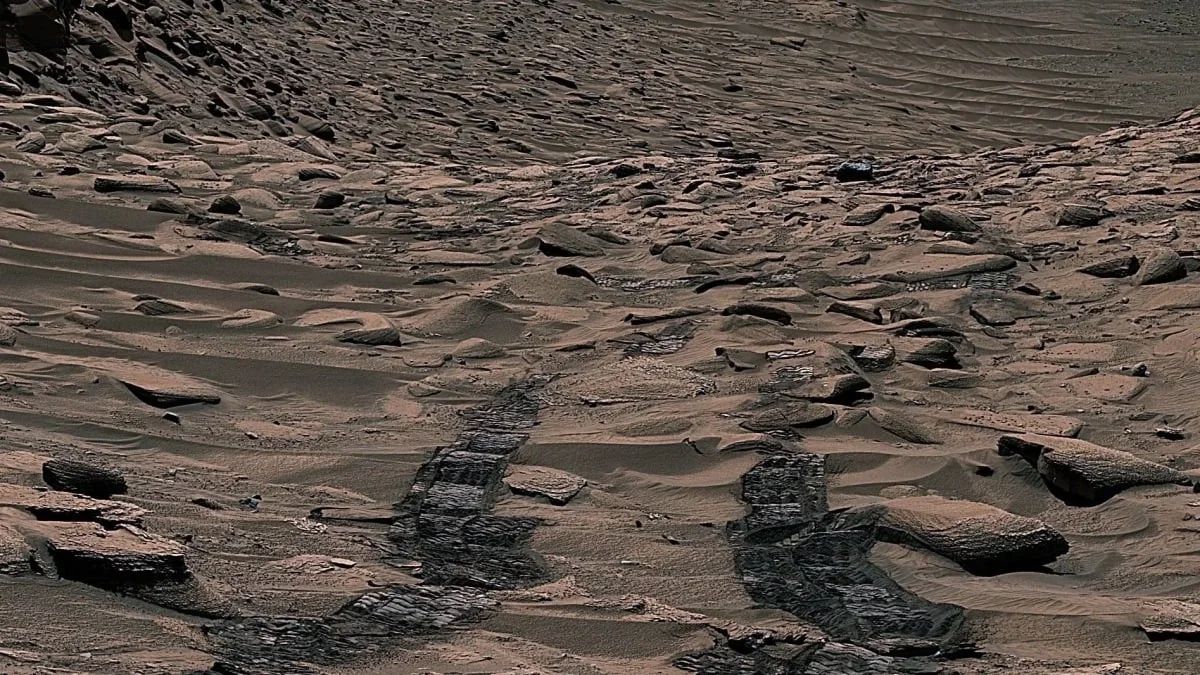
NASA’s Curiosity rover has found a vast field of honeycomb-like polygons on the Martian surface near Valle Grande, with polygons about 1.3 to 3 inches across. Scientists don’t yet know how they formed and are analyzing the data; similar polygonal patterns have appeared before as mud cracks from ancient wet-dry cycles, but the sheer abundance in this location is puzzling and could offer clues about Mars’ past climate and habitability.

Opportunity’s Solar-Powered Odyssey Surpasses Its Limits
space1 month ago

Opportunity’s Solar-Powered Odyssey Surpasses Its Limits

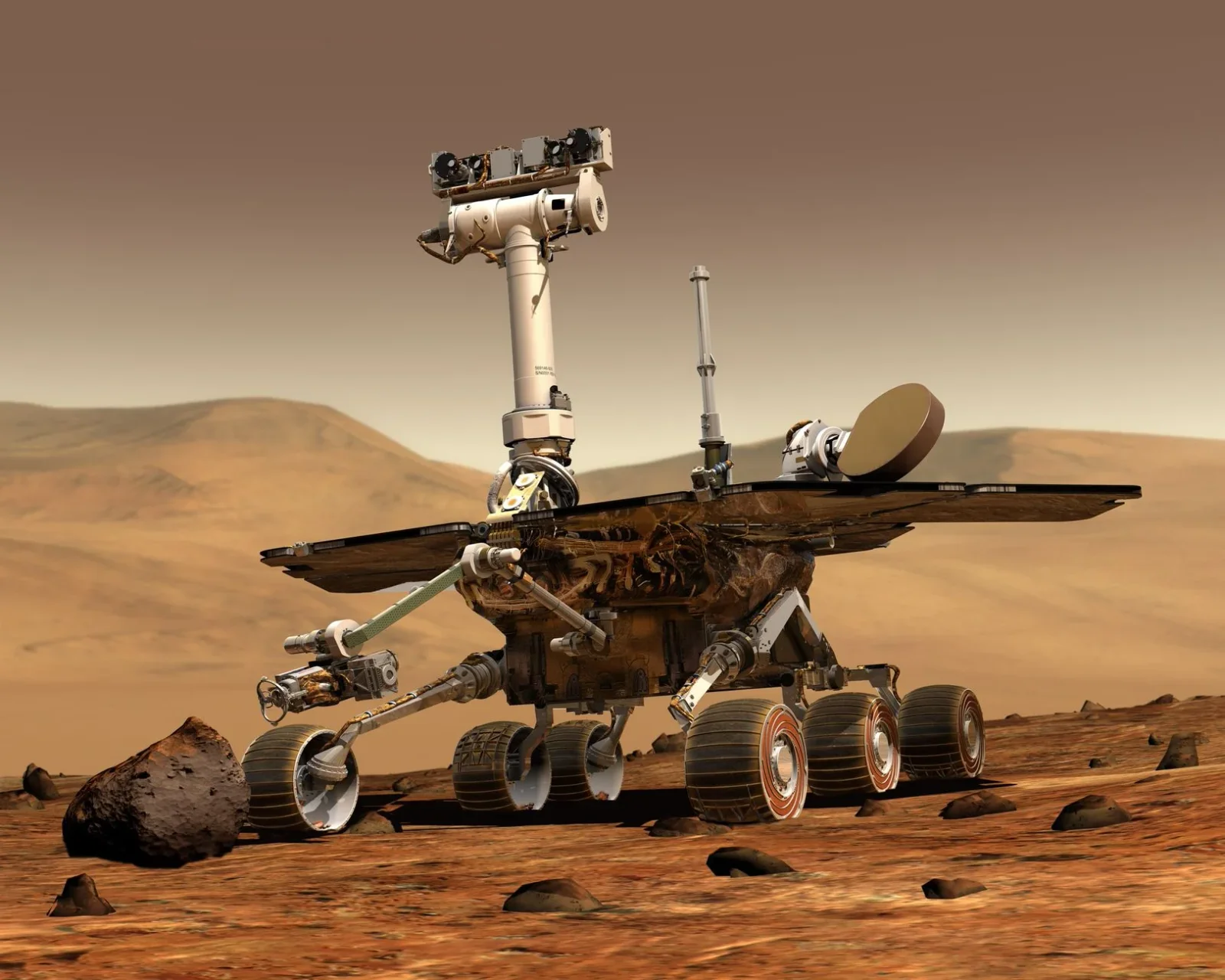
Opportunity exceeded its 90-sol, 600-metre primary mission by driving about 45.16 kilometres over 14.5 years on Mars; a 2018 global dust storm cut sunlight, preventing wake-up after a prolonged discharge and ending with its last transmission on sol 5111. The famous line about a low battery was a human interpretation of telemetry, not the rover’s own words. NASA declared the mission complete in February 2019, and Opportunity’s endurance and geology work shaped later Mars missions and rover design.

NASA's ERNEST Rover Proves Agile Autonomy for Future Moon Missions
technology2 months ago

NASA's ERNEST Rover Proves Agile Autonomy for Future Moon Missions

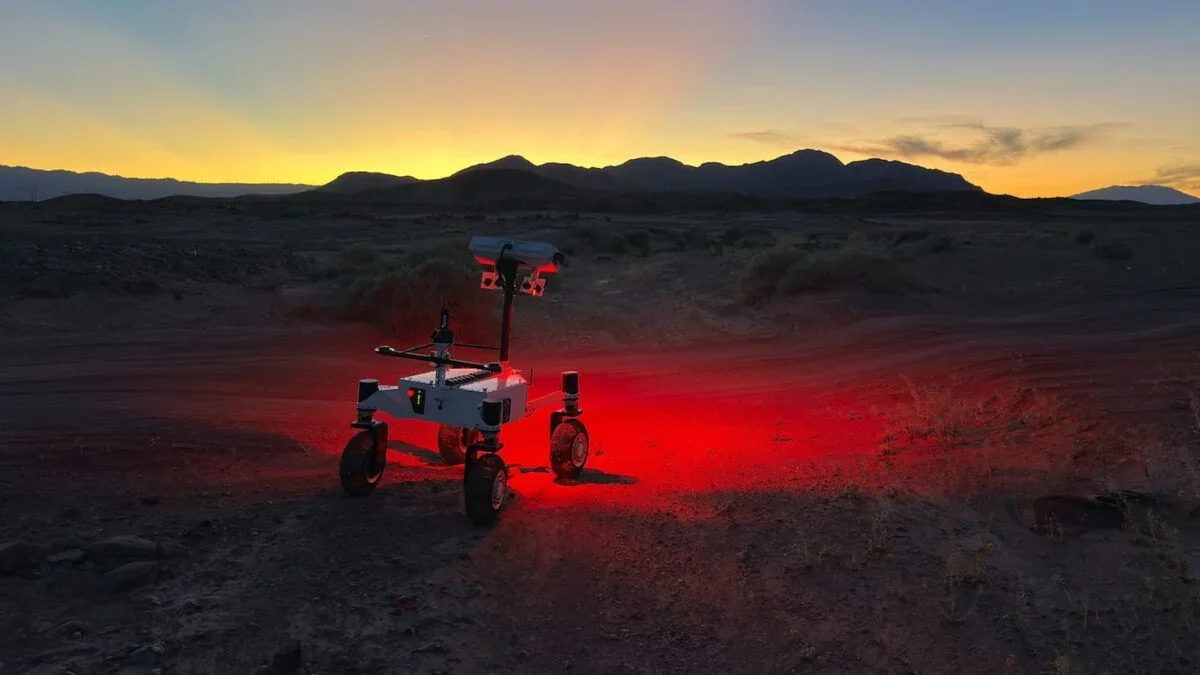
NASA's Jet Propulsion Laboratory is field-testing ERNEST, a compact autonomous rover designed to move faster across rugged terrain for future Moon and Mars missions. In a desert trial, ERNEST reached up to 0.6 mph and covered about 16 miles over roughly 37 hours, using mesh-wheeled propulsion, four steerable wheels, and two powered front joints to switch among gaits like squirming, wheel-walking, and obstacle-climbing. Trained with reinforcement learning, the rover can navigate autonomously and even drive sideways, aiming to reach previously inaccessible regions on upcoming missions.

Curiosity Timelapse Reveals How Martian Sand Moves and Wheels Endure
science4 months ago

Curiosity Timelapse Reveals How Martian Sand Moves and Wheels Endure

NASA released a two‑minute timelapse from the Curiosity rover spanning six years at Gale Crater to study how sand grains shift on the rover’s deck as it climbs Mount Sharp; the footage helps scientists separate wheel‑driven sand from wind‑blown dust, part of broader findings about Mars’ past habitability and ongoing challenges like wheel wear, with Curiosity having traveled about 23 miles since landing in 2012, and NASA continuing engineering tweaks to keep the rover moving.

ESA Eyes Laser-Driven Moon Rover to Probe Ice in Permanently Shadowed Craters
technology4 months ago

ESA Eyes Laser-Driven Moon Rover to Probe Ice in Permanently Shadowed Craters

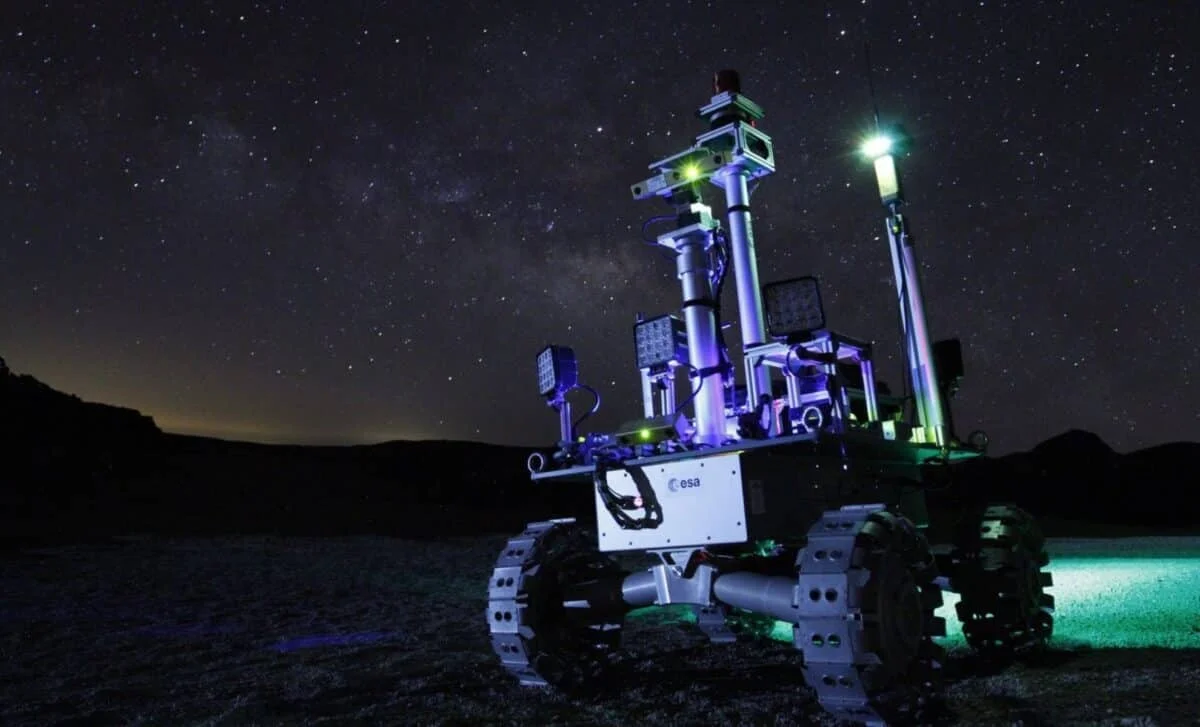
A European concept named PHILIP would power a 250 kg lunar rover with a 500-watt infrared laser from a sunlit lander up to 15 km away, enabling operation in the Moon’s permanently shadowed, ice-rich regions by converting the laser into electricity with modified solar panels; the system also enables two-way data via a modulated retro-reflector, with field tests in Tenerife and plans for prototyping under ESA funding.

Curiosity Encounters Six-Foot Boxwork Ridges, Hinting at Ancient Martian Water and Potential Life
space6 months ago

Curiosity Encounters Six-Foot Boxwork Ridges, Hinting at Ancient Martian Water and Potential Life

NASA’s Mars Curiosity rover is studying six-foot-high “boxwork” ridges on Mount Sharp, likely formed by ancient lakes and groundwater. The minerals, including clay, suggest wet conditions long ago and the possibility of preserved signs of past microbial life. The team has mapped routes through the ridges, plans to leave the area next month, and will continue exploring the sulfate-rich layers to understand Mars’ climate history.

Curiosity Probes Mars Night with Robotic LEDs to Reveal Hidden Rock Layers
space7 months ago

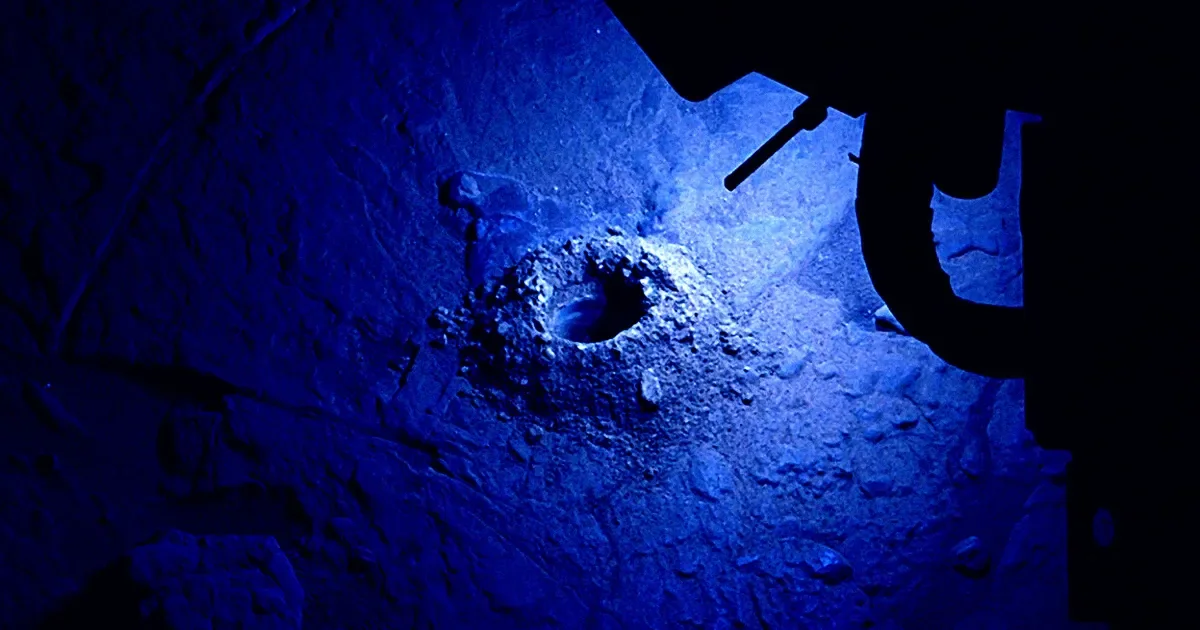
Curiosity Probes Mars Night with Robotic LEDs to Reveal Hidden Rock Layers

NASA’s Curiosity rover lights up Martian darkness with LEDs on its robotic arm to illuminate a rock drill hole—Nevado Sajama—so scientists can study rock layers and boxwork formations that are otherwise shadowed. The true-color image from the Mars Hand Lens Imager shows how nighttime imaging helps geology work, building on 2018 drill improvements and noting a smooth hole drilled on sol 4740.