Tag

Sauropod

All articles tagged with #sauropod

Thailand Pond Find Unmasks Nagatitan: Southeast Asia’s Largest Sauropod
science7 days ago

Thailand Pond Find Unmasks Nagatitan: Southeast Asia’s Largest Sauropod

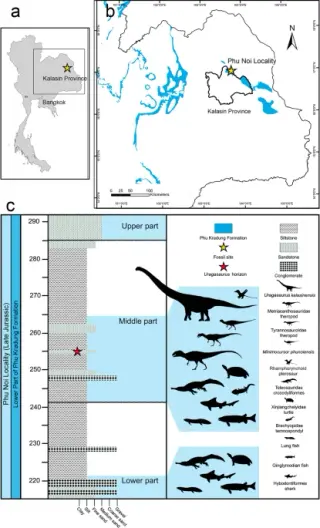
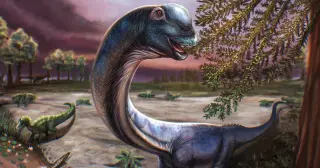
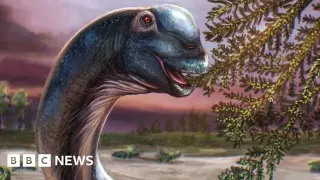
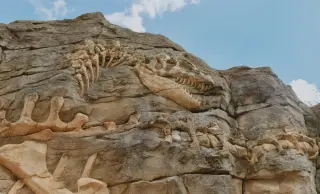
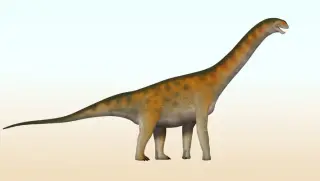
A 2016 discovery of unusually large bones along a dried pond edge in Chaiyaphum, Thailand, led to a decade of excavations and analysis that culminated in May 2026 with the identification of a new sauropod species, Nagatitan chaiyaphumensis. Weighing about 27 tonnes and 27 meters long, it is the largest dinosaur found in Southeast Asia, living in the Early Cretaceous (~100–120 million years ago) and likely representing the last of its kind in the region. The skull was not recovered, and the name honors local culture (Naga) and the discovery site (Chaiyaphum).

Thailand Unveils 90-Foot Sauropod Nagatitan: Southeast Asia's Largest Dinosaur
science11 days ago

Thailand Unveils 90-Foot Sauropod Nagatitan: Southeast Asia's Largest Dinosaur

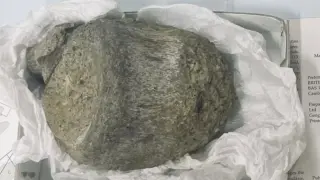
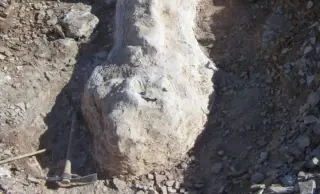
Thai researchers announce Nagatitan chaiyaphumensis, a roughly 30-ton, 90-foot-long sauropod—the largest dinosaur found in Southeast Asia—providing new insights into Early Cretaceous gigantism; fossils include multiple bones (spine, pelvis, ribs, legs) and a front leg bone nearly 6 feet long, with excavations continuing.

Thailand’s Last Titan: Nagatitan, the Largest Southeast Asian Sauropod
science12 days ago

Thailand’s Last Titan: Nagatitan, the Largest Southeast Asian Sauropod

Scientists in northeastern Thailand identified a new giant sauropod, Nagatitan chaiyaphumensis, estimated to be about 88 feet long and 27 tons—potentially the largest dinosaur found in Southeast Asia—dating to roughly 100–120 million years ago. Discovered by locals, with excavation completed by 2024, the species earned the nickname “the last titan” and is now featured as a life-size reconstruction at Bangkok’s Thainosaur Museum after a study published in Scientific Reports.

Thailand Uncovers Southeast Asia’s Biggest Sauropod
science12 days ago

Thailand Uncovers Southeast Asia’s Biggest Sauropod

In northeastern Thailand, researchers uncovered skeletal remains of Nagatitan chaiyaphumensis, a massive sauropod about 90 feet long and weighing roughly 25–28 tons, dating to ~113 million years ago. The find highlights Southeast Asia’s sauropod diversity and paints a picture of a subtropical, riverine ecosystem with predators and other dinosaurs, expanding understanding of how these giant herbivores lived and why they grew so large.

Thailand’s Nagatitan chaiyaphumensis: Southeast Asia’s biggest dinosaur unearthed
science13 days ago

Thailand’s Nagatitan chaiyaphumensis: Southeast Asia’s biggest dinosaur unearthed

A new giant long-necked sauropod, Nagatitan chaiyaphumensis, has been identified from fossils found in northeastern Thailand. Dated to 100–120 million years ago, it weighed about 27 tonnes and measured roughly 27 meters, making it the largest dinosaur ever found in Southeast Asia and offering clues on how ancient climate changes may have fueled the rise of gigantic dinosaurs.

Patagonian Farm Unearths 65-Foot Sauropod With Blended Lineages
science14 days ago

Patagonian Farm Unearths 65-Foot Sauropod With Blended Lineages

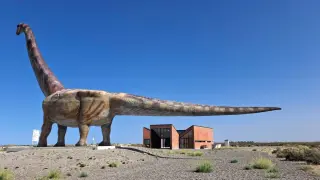
A shepherd in Patagonia helped uncover a 65-foot sauropod, Bicharracosaurus dionidei, dating to about 155 million years ago. The skeleton shows a surprising mix of brachiosaurid and diplodocid features, suggesting it may be the first Jurassic brachiosaurid identified in South America and offering new clues about sauropod evolution in Gondwana.

Discovery of 20-meter Brazilian sauropod hints at an ancient Europe-to-South America highway
science18 days ago

Discovery of 20-meter Brazilian sauropod hints at an ancient Europe-to-South America highway

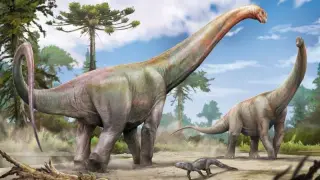
A new long-necked sauropod, Dasosaurus tocantinensis, from Maranhão, Brazil, dating to about 120 million years ago, was found eight meters underground at a construction site; at roughly 20 meters long, it is the largest known Brazilian dinosaur from the region and is closest to a Spanish species, Garumbatitan morellensis, implying a European lineage that dispersed to South America via Africa around 140–120 million years ago and suggesting earlier intercontinental faunal exchange; the discovery expands northeastern Brazil’s dinosaur record and highlights construction sites as windows into ancient ecosystems, though dating uncertainties remain and researchers plan further excavations with the site owner.

France Unveils 155-Meter Sauropod Footprint Trail in Jura Rock, the Longest Yet Found
science19 days ago

France Unveils 155-Meter Sauropod Footprint Trail in Jura Rock, the Longest Yet Found

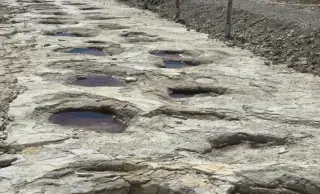
In the Dinoplagne site of the Ain region in the Jura mountains, researchers report a 155-meter-long, exceptionally well-preserved sauropod trackway dating to the early Tithonian stage of the Late Jurassic. This extends the record for the longest sauropod footprint sequence and provides detailed clues about the giant animal’s gait and size; a 2009 discovery at Dinoplagne identified a much shorter track (about 35 meters) but likewise highlighted the site’s significance. The footprints, attributed to a titanosaur, are preserved with sharp edges and intricate details, and the site remains open to visitors as scientists continue to study this geological treasure.

China’s 92-Foot Sauropod Unearthed at a Construction Site Reshapes Jurassic Giants
science27 days ago

China’s 92-Foot Sauropod Unearthed at a Construction Site Reshapes Jurassic Giants

In China’s Sichuan Basin, scientists describe Tongnanlong zhimingi, a giant sauropod potentially 75–92 feet long from the Late Jurassic Suining Formation (~147 million years ago). The incomplete skeleton was found during construction in Chongqing’s Tongnan District and, with bones like vertebrae and limb elements, researchers estimated its size and confirmed it belonged to the Mamenchisauridae family, known for long necks and lightweight bones. The site’s lake‑shore wetland context and well‑preserved remains suggest rapid burial, supporting a model of large-bodied dinosaurs in a hydrated ecosystem. The find also informs broader questions about Jurassic biogeography, including the East Asian Isolation hypothesis, hinting that eusauropods were distributed beyond East Asia rather than being strictly regional.”,

Patagonia Discovery: 20-Meter Sauropod Upends South American Dinosaur Lineages
science1 month ago

Patagonia Discovery: 20-Meter Sauropod Upends South American Dinosaur Lineages

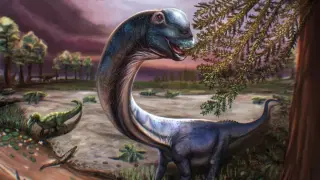
A newly identified long-necked sauropod from Patagonia, Bicharracosaurus dionidei, about 20 meters long and dating to the Late Jurassic, blends features of brachiosaurids and diplodocoid relatives, potentially marking the first Jurassic brachiosaurid from South America; found by a shepherd on his farm and now housed in Trelew, the discovery reshapes ideas about sauropod evolution and continental distribution.

Massive Jurassic Sauropod Unearthed at Chinese Construction Site
science2 months ago

Massive Jurassic Sauropod Unearthed at Chinese Construction Site

Construction workers in Tongnan District, Sichuan Basin, China uncovered a partial, exceptionally well-preserved sauropod skeleton dating to about 147 million years ago (Late Jurassic). Scientists named Tongnanlong zhimingi, estimating the full animal at 23–28 meters (roughly 92 feet) long, with a large shoulder girdle and well-preserved vertebrae. The fossil’s preservation result from rapid burial in ancient mud and sandstone; the remains are housed at the Chongqing Museum of Natural History. The find sheds light on the size and distribution of giant Asian sauropods and suggests broader ancient connections across continents.

New Brazilian Sauropod Fossil Traces European Origins of South American Dinosaurs
science3 months ago

New Brazilian Sauropod Fossil Traces European Origins of South American Dinosaurs

Paleontologists in northeastern Brazil describe a 120-million-year-old sauropod, Dasosaurus tocantinensis, from the Itapecuru Formation. The partial skeleton reveals unique features and suggests the species is closely related to European dinosaurs, implying a migration route from Europe to South America via northern Africa during the Early Cretaceous. This finding challenges views of South America as isolated and expands understanding of Early Cretaceous sauropod diversity and intercontinental connections within Gondwana and Europe.