Tag

Sauropods

All articles tagged with #sauropods

New Chinese Fossil Fills Evolutionary Gap in East Asian Sauropods
science3 months ago

New Chinese Fossil Fills Evolutionary Gap in East Asian Sauropods

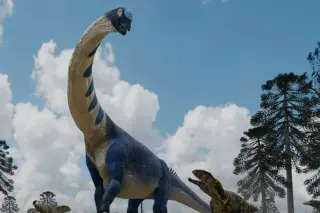
Researchers in China have identified a new Middle Jurassic sauropod dinosaur, Yantaloong lini, from fossils found in Yunnan province. This discovery marks the first evidence of the Turiasauria family in East Asia, bridging an evolutionary gap between mamenchisaurids and neosauropods. The find, published in the Zoological Journal of the Linnean Society, features vertebrae with a mix of primitive and advanced traits, offering new insights into sauropod evolution.
Thailand's Nagatitan: A 27-Meter Sauropod Redefines Southeast Asian Dinosaur History
science3 months ago

Thailand's Nagatitan: A 27-Meter Sauropod Redefines Southeast Asian Dinosaur History

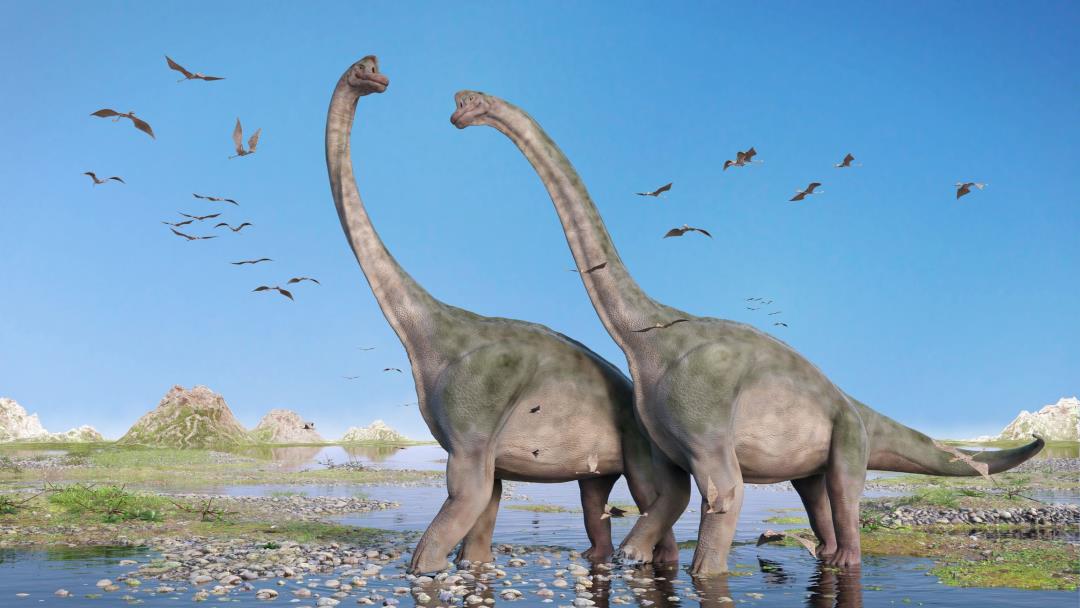
Researchers have officially described Nagatitan chaiyaphumensis, a massive sauropod dinosaur discovered in Thailand. Measuring 27 meters and weighing approximately 27 tons, it is the largest dinosaur ever found in Southeast Asia. The study, published in Scientific Reports, details the excavation of remains found a decade ago, highlighting the creature's significance as a potential 'last titan' in the region's geological record.

Gigantic Jurassic Sauropod Tracks Stamped into a French Cave Ceiling
science6 months ago

Gigantic Jurassic Sauropod Tracks Stamped into a French Cave Ceiling

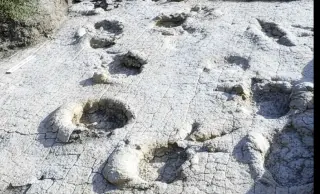
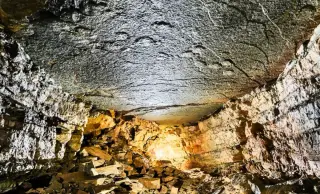
In Castelbouc Cave in southern France, researchers documented three-dimensional counterprint casts of sauropod footprints on the ceiling, dating to about 168 million years ago with tracks up to 1.25 meters long. The prints formed when dinosaurs walked across soft lagoon mud, later filled and preserved as rock, revealing that giant herbivores roamed coastal wetlands. Studying them required deep cave exploration and rare preservation conditions, and the team notes similar discoveries elsewhere may follow.

Juvenile Sauropods Fueled Jurassic Predators, New Ecological Web Reveals
science9 months ago

Juvenile Sauropods Fueled Jurassic Predators, New Ecological Web Reveals

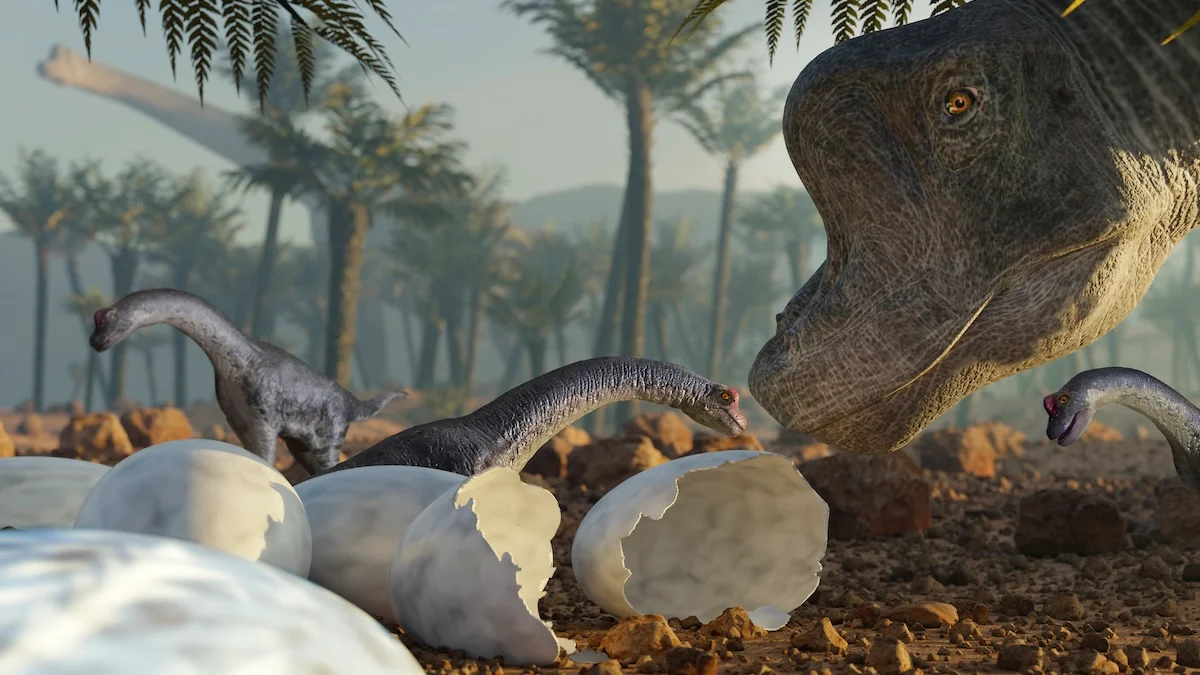
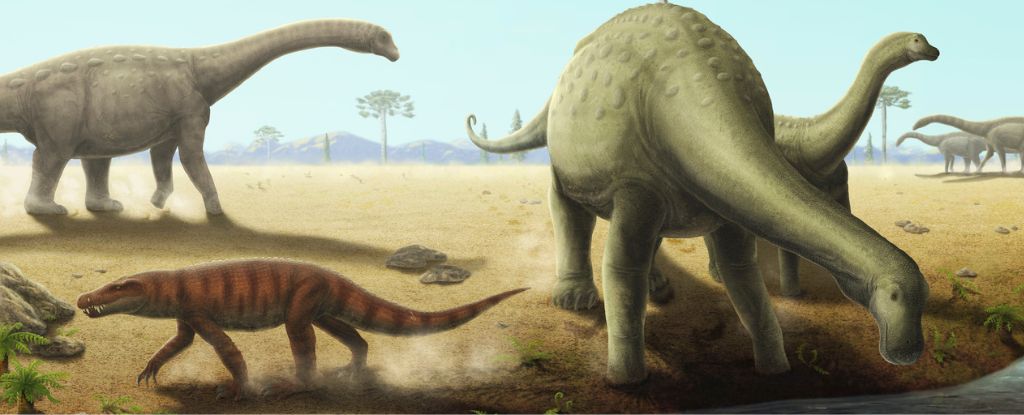
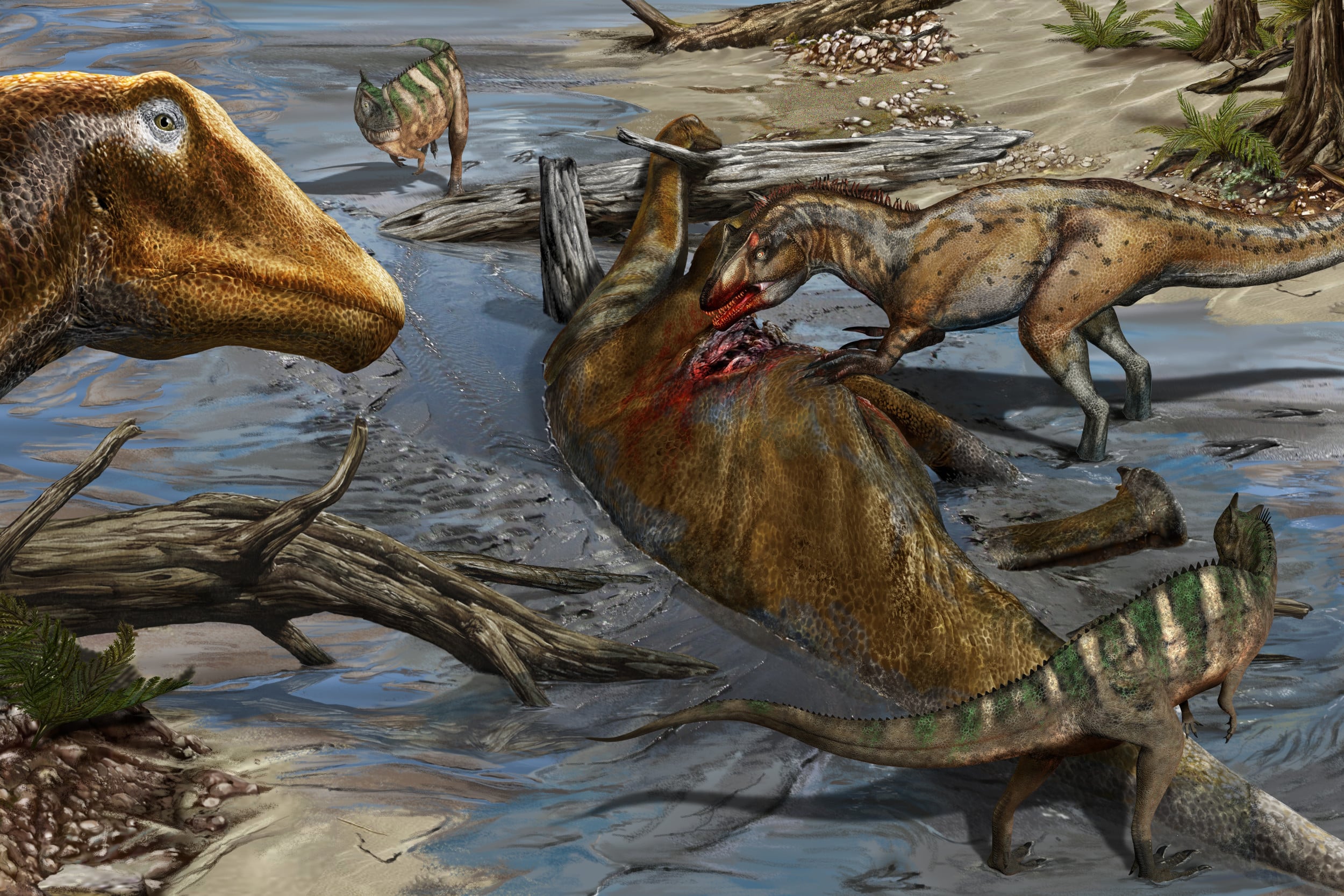
Reconstructing a detailed Jurassic ecosystem from Dry Mesa Quarry fossils shows that baby sauropods were abundant prey, forming many predator links and feeding carnivores like Allosaurus and Torvosaurus. This plentiful supply may have kept top predators smaller for a time and influenced later evolutionary shifts toward larger hunters such as Tyrannosaurus rex.

Towering Necks Reshaped Sauropod Gait
science10 months ago

Towering Necks Reshaped Sauropod Gait

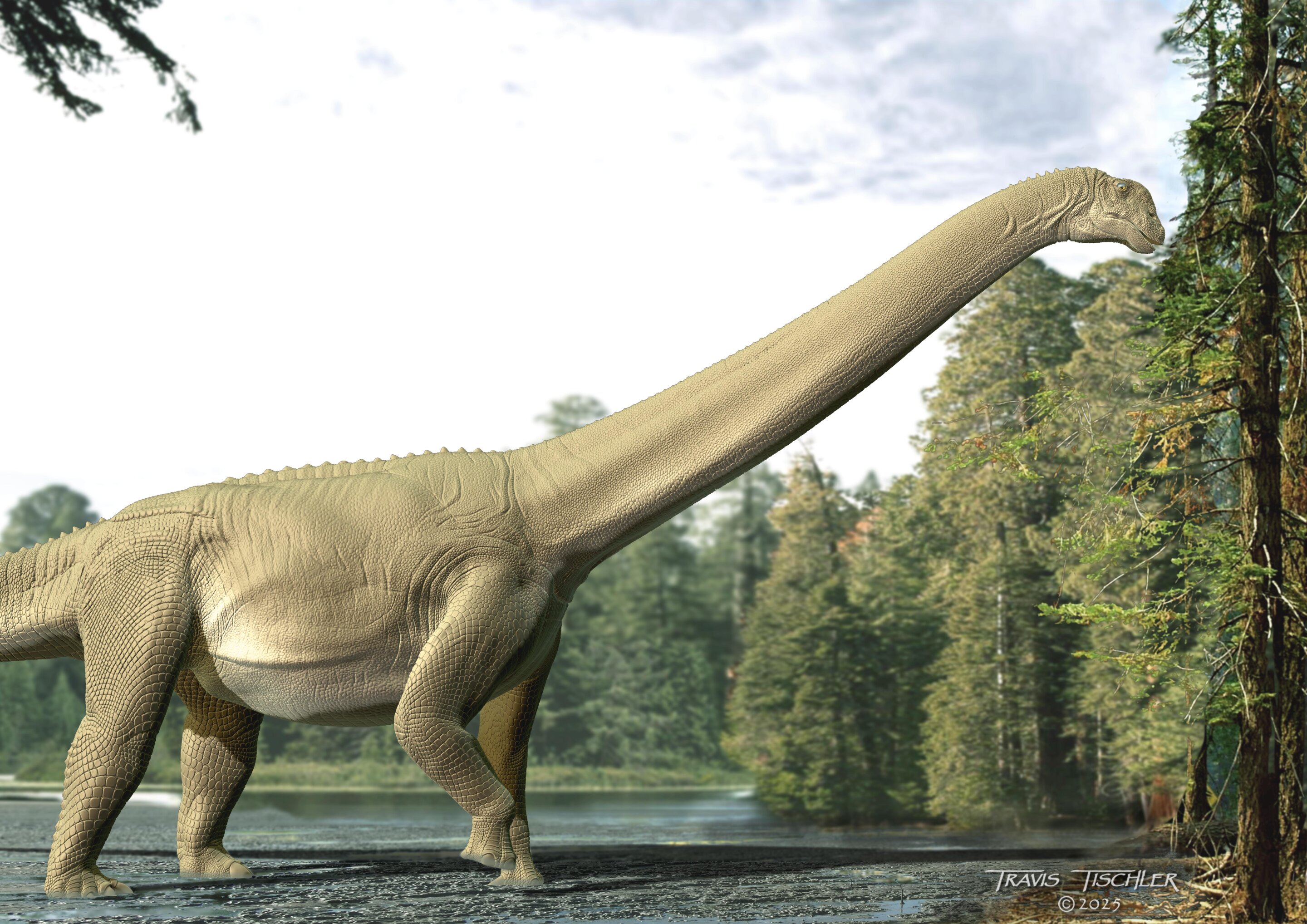
Liverpool researchers used 3D models to trace sauropod evolution from tail-heavy, two-legged ancestors to long-necked, front-loaded quadrupeds. The necks grew rapidly and shifted body mass forward, enabling giants like Diplodocus and titanosaurs. Titanosaurs amplified this front-heavy trend, potentially aiding their rise and survival until the end-Cretaceous mass extinction, with multiple body-mass scenarios tested to account for soft-tissue uncertainties.

Rare 150-Million-Year-Old Dinosaur Tracks Reveal Injured Dinosaur's Circling Path
science10 months ago

Rare 150-Million-Year-Old Dinosaur Tracks Reveal Injured Dinosaur's Circling Path

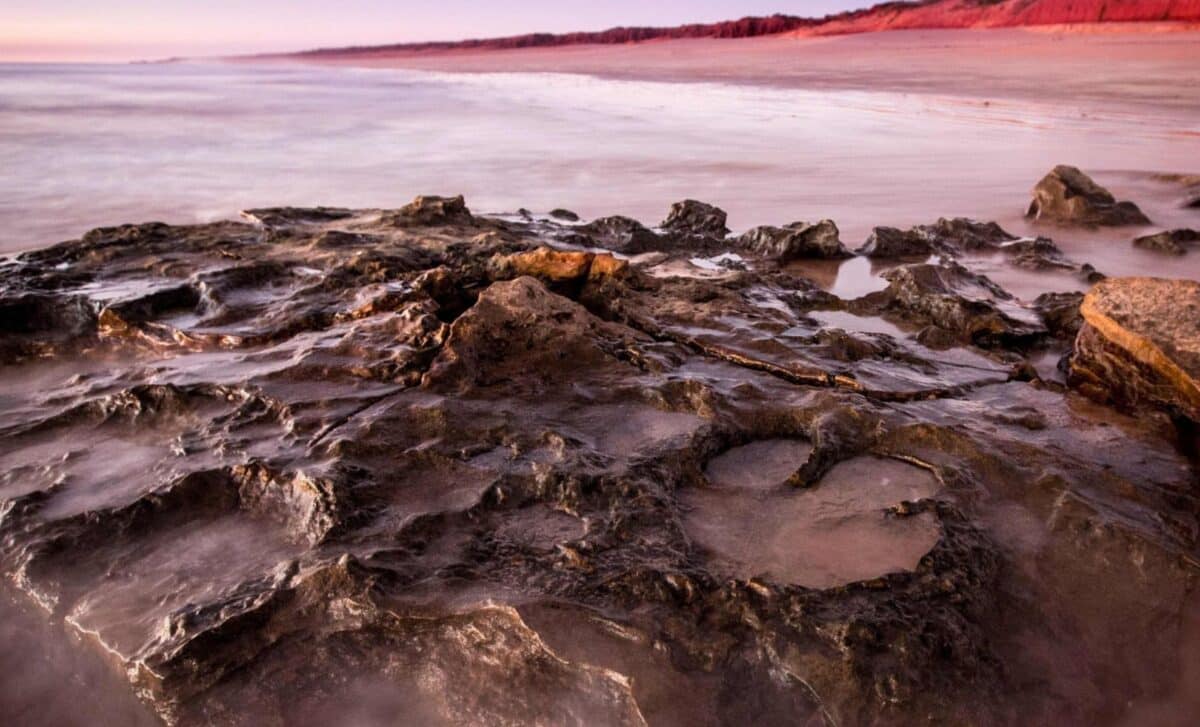
Researchers in Western Australia's Kimberley region discovered the largest dinosaur footprints ever recorded, some over 1.7 meters long, left by sauropods around 130 million years ago. The site contains a diverse range of 21 different dinosaur track types, making it one of the richest fossil tracksites globally. Indigenous elders played a key role in protecting and studying these ancient footprints, which offer significant insights into prehistoric life.

Fossilized Sauropod Gut Content Reveals Non-Chewing Vegetarian Diet
science1 year ago

Fossilized Sauropod Gut Content Reveals Non-Chewing Vegetarian Diet

A fossilized gut content of a 94-101 million-year-old sauropod dinosaur revealed that these herbivores primarily relied on gut microbes for digestion, consumed a variety of plants including conifers, seed ferns, and flowering plants, and engaged in minimal oral processing, supporting the idea of bulk feeding. This discovery provides rare direct evidence of sauropod diet and suggests they were indiscriminate feeders that adapted to eating flowering plants shortly after their appearance.

Uncovering Dinosaur Predation through Bone Bite Marks
paleontology3 years ago

Uncovering Dinosaur Predation through Bone Bite Marks

Paleontologists studying bite marks on sauropod bones have concluded that the marks were likely made by scavenging meat-eating dinosaurs rather than predators that actively hunted and killed adult sauropods. The researchers found that the bite marks were more likely to be on the bones of old, sick, injured, or otherwise vulnerable sauropods. The study suggests that it would have been too risky for predators to try to bring down an adult sauropod, which could weigh up to 50 tons. Instead, the large theropods likely targeted and consumed young sauropods, which were more defenseless.

Uncovering Dinosaur Predation through Bone Bite Marks
paleontology3 years ago

Uncovering Dinosaur Predation through Bone Bite Marks

Paleontologists studying bite marks on sauropod bones from the Jurassic Period have concluded that the marks were likely made by scavenging meat-eating dinosaurs rather than predators that actively hunted and killed adult sauropods. The researchers found deep grooves on 68 out of 600 bones examined, suggesting that the scavengers came across the bodies of sauropods that had already died from causes like old age or infirmity. The study also revealed that adult sauropods were likely not targeted by predators due to their massive size and the potential risk involved in attacking them. Instead, predators may have focused on young sauropods, which were more vulnerable.

Carnivorous Dinosaurs' Feeding Habits Unveiled: Surprising Discoveries in North America
paleontology3 years ago

Carnivorous Dinosaurs' Feeding Habits Unveiled: Surprising Discoveries in North America

A new study published in PeerJ examines the bite marks on the bones of long-necked sauropod dinosaurs and reveals surprising insights into the feeding habits of carnivorous theropod dinosaurs in North America. The research suggests that while bite traces on large sauropods were less common than in tyrannosaur-dominated environments, they are nonetheless abundant in the Morrison Formation. The study also highlights the wear on the teeth of Morrison Formation theropods, which shows similarities to the patterns seen in large tyrannosaurs. The findings shed light on the ecological relationships between dinosaurs in the Jurassic period and provide valuable information about the behavior of these ancient animals.

Uncovering Jurassic America's Carnivorous Secrets through Gnawed Dinosaur Bones
paleontology3 years ago

Uncovering Jurassic America's Carnivorous Secrets through Gnawed Dinosaur Bones

Tooth-marked bones of giant plant-eating dinosaurs in North America provide insight into the feeding habits of large carnivores during the Jurassic period. The study focused on bite marks made by non-Tyrannosaur carnivorous theropods on the bones of sauropod dinosaurs. The research revealed that bite traces were more abundant than previously realized and indicated that theropods likely fed on juvenile sauropods and scavenged larger carcasses. The findings shed light on the ecological relationships between dinosaurs in the Jurassic era.