Tag

Single Cell Genomics

All articles tagged with #single cell genomics

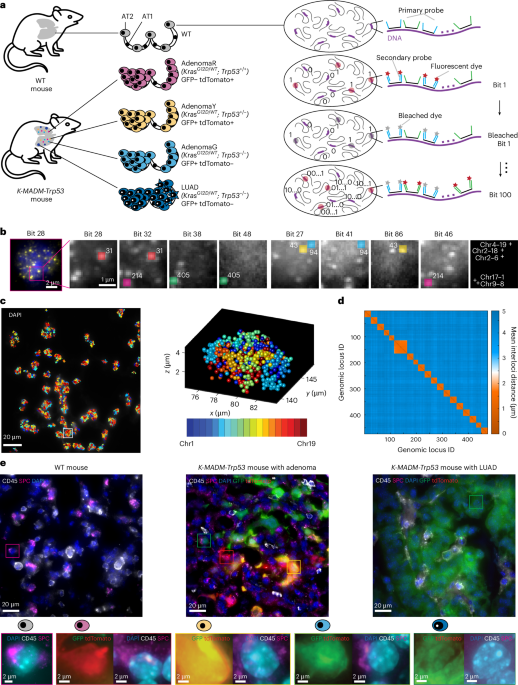
Evolution of Single-Cell 3D Genomes in Kras-Driven Cancers
cancer-research11 months ago

Evolution of Single-Cell 3D Genomes in Kras-Driven Cancers

This study uses in situ single-cell chromatin tracing to map 3D genome changes during Kras-driven lung and pancreatic cancers, revealing stage-specific conformational alterations that can distinguish cancer states, identify prognostic genes, and uncover regulators like Rnf2 that influence genome architecture and tumor progression.

Unveiling Disease-Altered Cell States with Healthy Single-Cell References
science-and-technology2 years ago

Unveiling Disease-Altered Cell States with Healthy Single-Cell References

Precise identification of cell phenotypes altered in disease can provide valuable insights into pathogenesis, biomarkers, and potential drug targets. The selection of a healthy reference dataset is crucial for accurate analysis. This study compared the use of an atlas dataset and a control dataset as references for identifying disease-associated cell states. The results showed that combining both datasets (ACR design) led to sensitive detection of disease-specific cell states and reduced false positives. The ACR design was robust to variations in the size and composition of the reference datasets. The benefits of using an atlas dataset were demonstrated in the identification of interferon-stimulated states in patients with COVID-19.

Cracking the Code: Placenta Project Reveals Secrets of Human Cells.
science-and-technology3 years ago

Cracking the Code: Placenta Project Reveals Secrets of Human Cells.

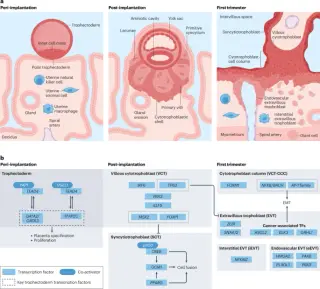
The Human Cell Atlas (HCA) project, launched in 2016, has enabled researchers to uncover the secrets of the placenta, the temporary organ that supports the unborn child. Understanding the mechanics of its functioning is crucial in ensuring healthy and viable pregnancies. The HCA project has also revealed cellular secrets of the immune system, brain, lungs, and other organs, discovering thousands of new types of cells in humans. The project uses single-cell genomics to sequence and characterise individual cells in tissue samples, enabling the identification of rare cells that are crucial in ensuring the proper functioning of organs in the body.