Tag

Soft Robotics

All articles tagged with #soft robotics

Venus Flytraps Snap Shut via Rapid Wall Relaxation, Study Finds
science1 month ago

Venus Flytraps Snap Shut via Rapid Wall Relaxation, Study Finds

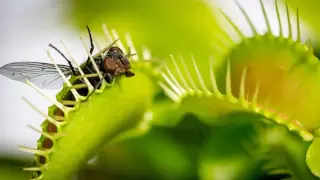
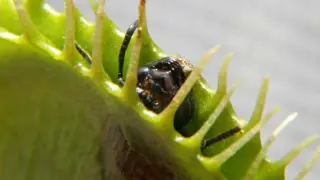
A study from Aix-Marseille University shows Venus flytraps begin closing not by water-driven motion but through a rapid one-second softening of the outer epidermal cell walls that releases stored elastic energy, making the trap snap shut. This overturns prior water-movement theories, highlights the fastest known plant-wall mechanics modulation, and could inspire soft-robotics and smart-materials design; the work led by Jeongeun Ryu was published in Science.

Venus flytrap’s rapid snap traced to flexible cell walls
science1 month ago

Venus flytrap’s rapid snap traced to flexible cell walls

New research shows the Venus flytrap closes its trap not by water redistribution but via rapid softening of the outer epidermal cell walls (about 30–40%), releasing internal stresses and triggering a snap-buckling that can seal prey in as little as 0.1 seconds; the finding revises a century-old hypothesis and could spur advances in soft robotics and smart materials.

New 3D-printing method lets soft robots bend and grasp on command
ai-and-robotics5 months ago

New 3D-printing method lets soft robots bend and grasp on command

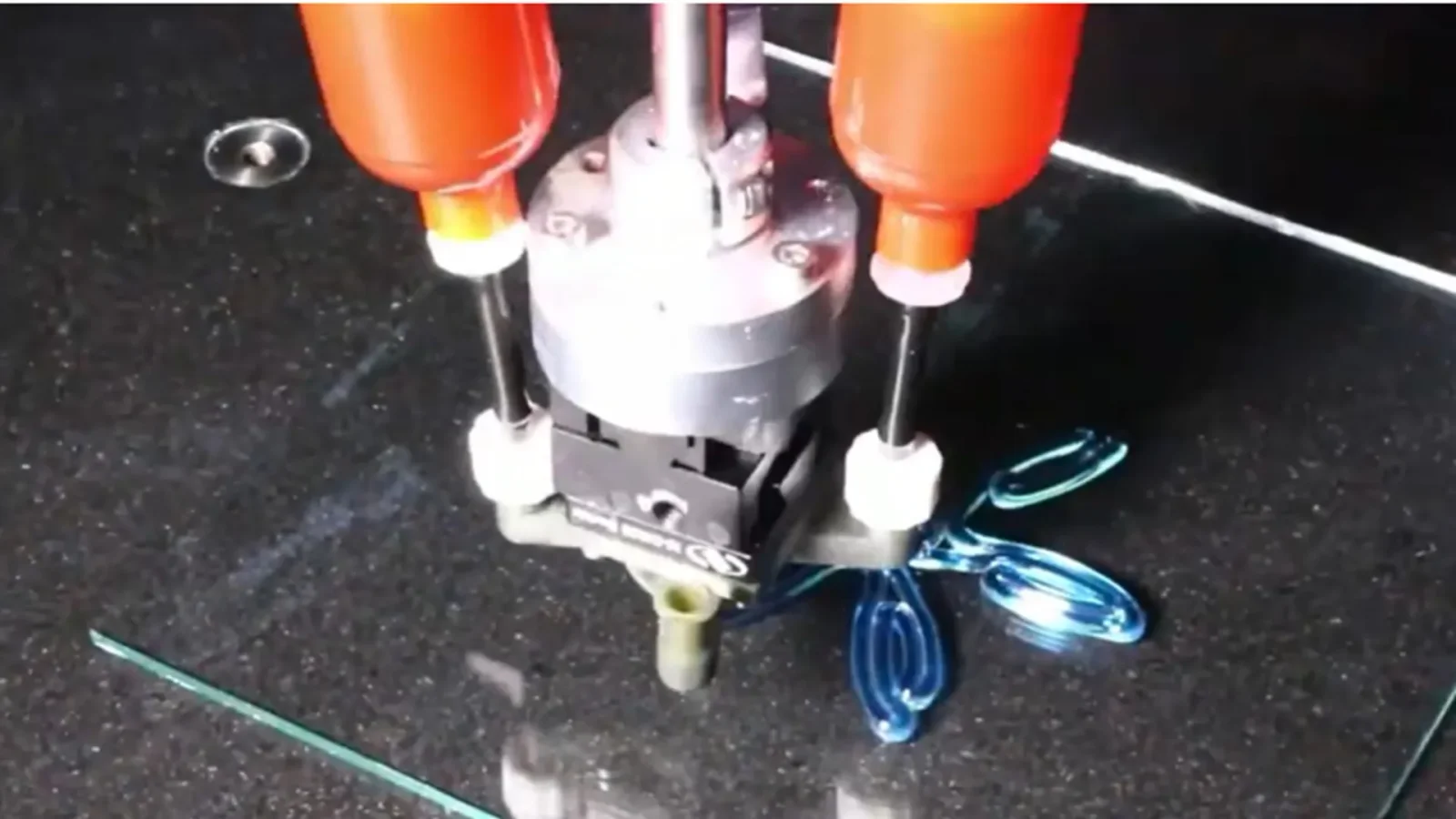
Harvard engineers embed motion directly into soft robots with a rotational multimaterial 3D‑printing process that creates hollow pneumatic channels inside flexible filaments. When inflated, these channels cause the structures to bend, twist, or grasp in preprogrammed ways, removing molds and assembly steps and enabling rapid design changes. Demonstrations include a flower-like actuator and a hand-shaped gripper, with potential applications in surgical robotics and delicate-object handling.

Soft-filament probe enables real-time multimodal fetal monitoring in utero
technology5 months ago

Soft-filament probe enables real-time multimodal fetal monitoring in utero

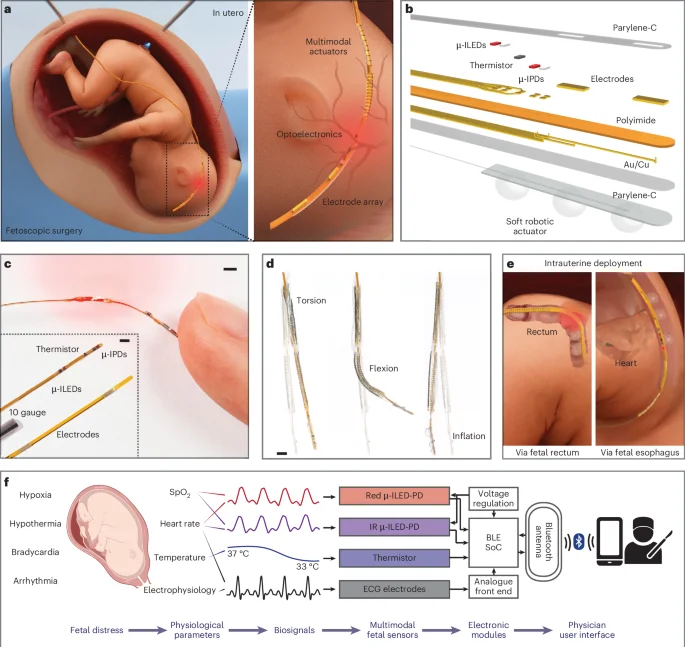
A filamentary, steerable soft robotic probe with integrated multimodal sensors interfaces directly with the fetus to monitor vital signs and physiology in real time during fetoscopic and open fetal surgeries in rodent and sheep models, enabling detection of bradycardia, hypoxia and hypothermia and offering a path toward translation to human fetal care.

Liquid gears promise wear-free, contactless motion transmission
technology5 months ago

Liquid gears promise wear-free, contactless motion transmission

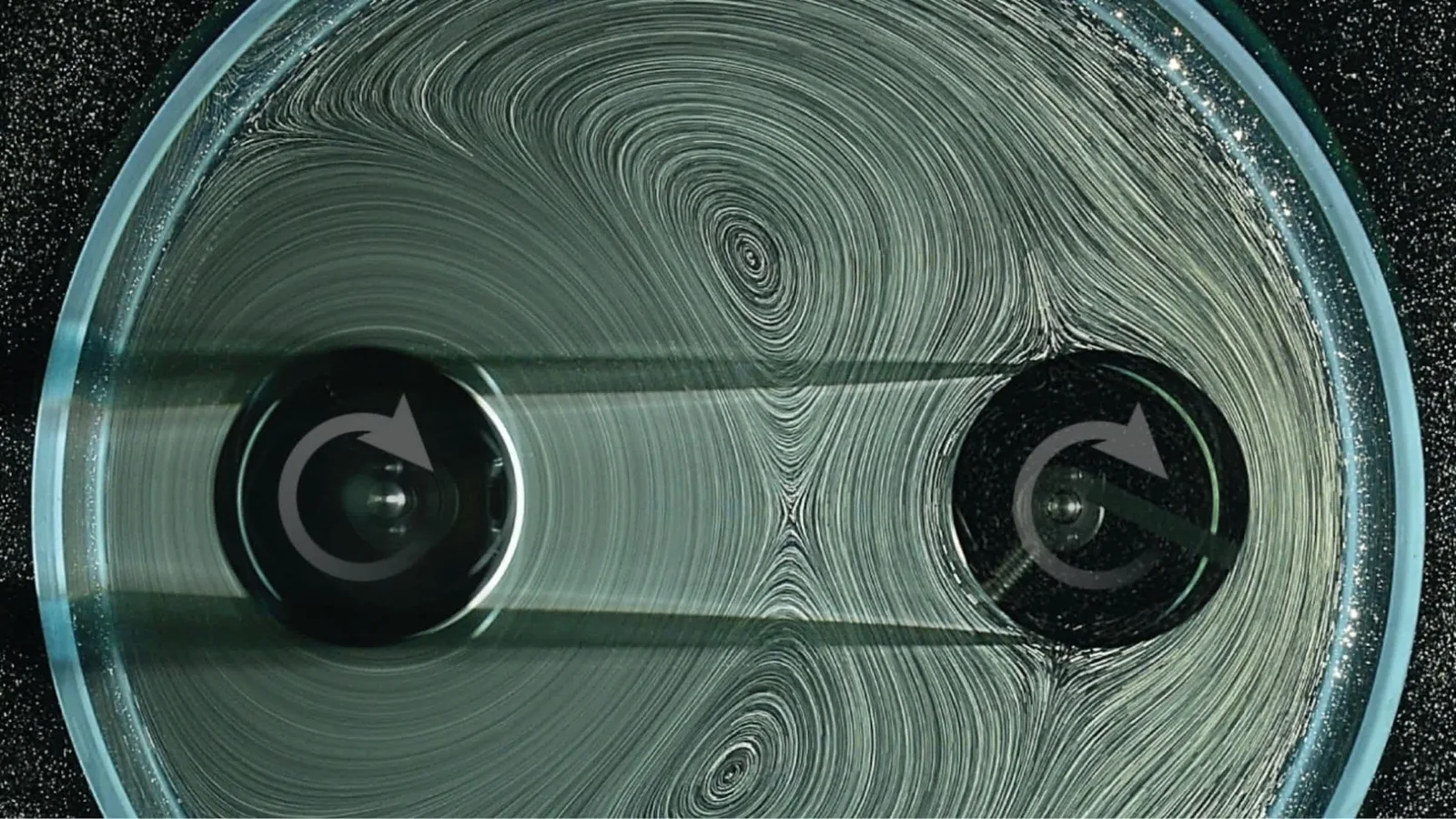
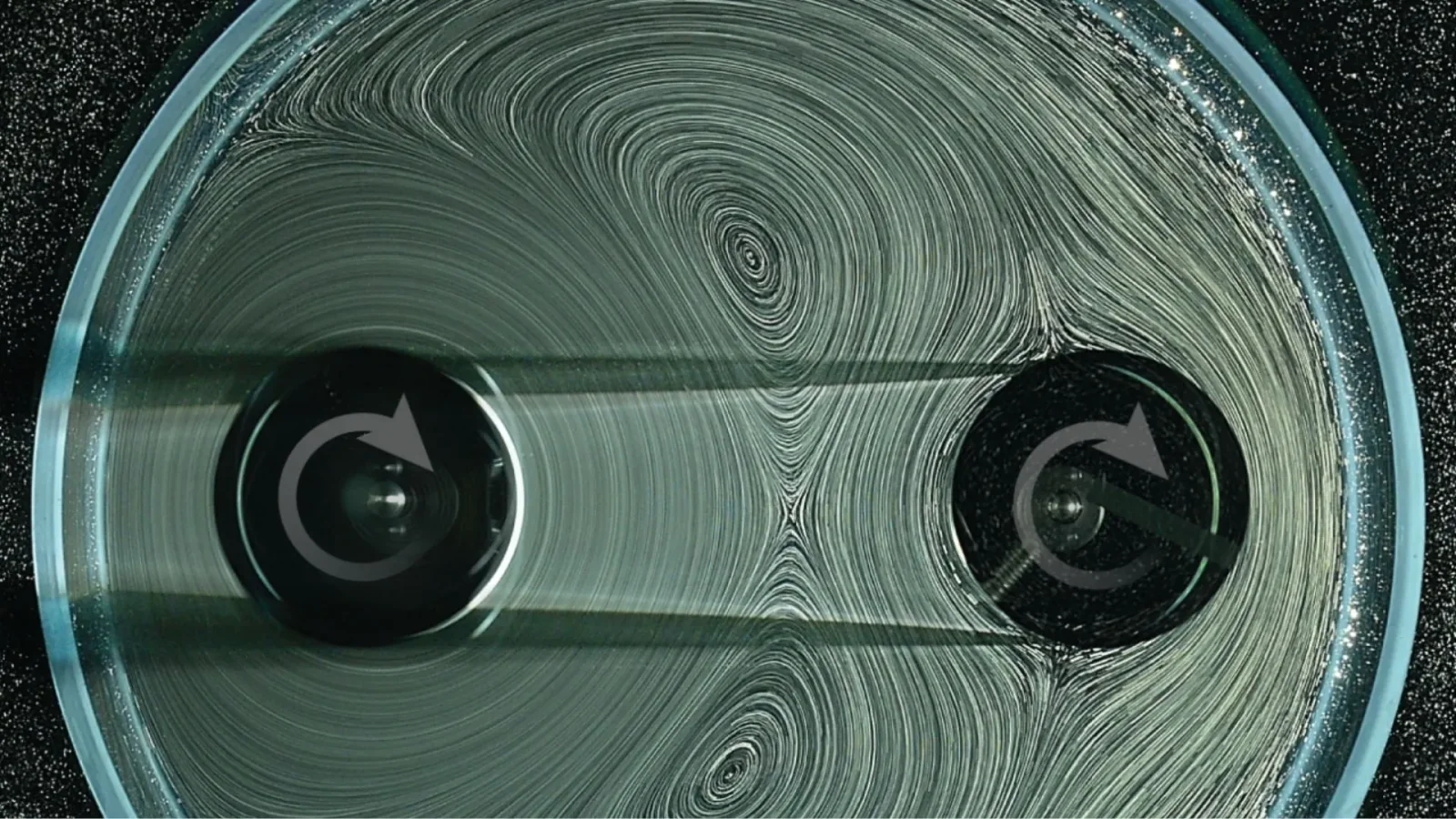
NYU researchers demonstrated a completely fluid-driven, contactless gearbox by placing two cylinders in a viscous glycerol-water mix; depending on spacing, the rotating liquid generated either opposing or same-direction motion, offering a wear-free, jam-resistant method that could revolutionize gear design and enable tunable ratios for soft robotics and distributed actuation.

Liquid gears promise wear-free robotics, NYU study shows
ai-and-robotics6 months ago

Liquid gears promise wear-free robotics, NYU study shows

NYU researchers developed a fluid-based gear system that transmits motion via directed fluid flows instead of interlocking teeth, enabling non-contact transmission and reducing wear and jam risks. Demonstrated with two submerged cylinders in a water–glycerol mix, the approach could inform soft robotics and instantly tunable gear ratios, with findings published in Physical Review Letters.

Breakthrough Artificial Muscles Enable Humanoids to Lift 4,000 Times Their Weight
technology8 months ago

Breakthrough Artificial Muscles Enable Humanoids to Lift 4,000 Times Their Weight

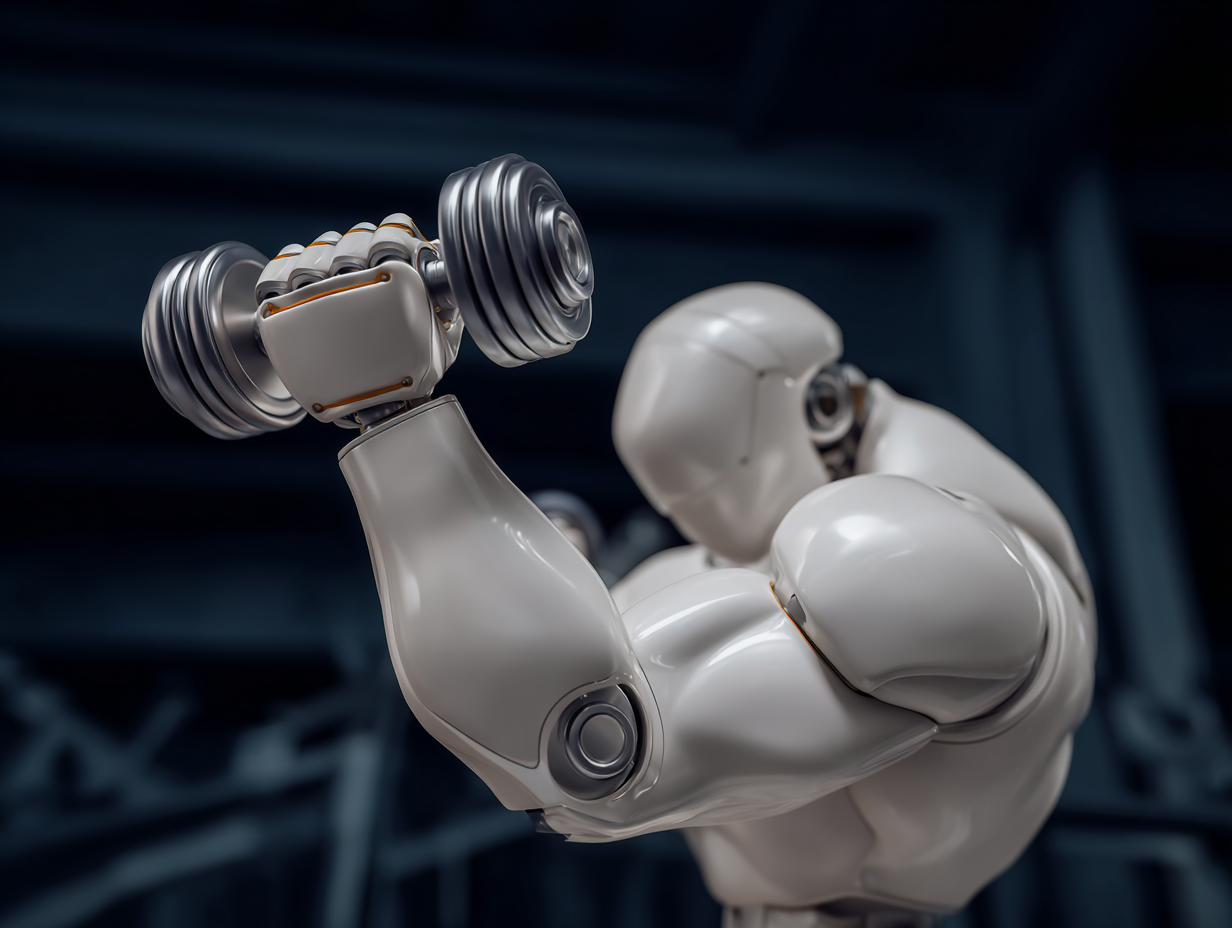
Researchers at UNIST in South Korea developed a magnetically controlled artificial muscle made of a dual cross-linked shape-memory polymer that can switch between soft and stiff states, lift over 4,000 times its weight, and perform large, reversible strains, promising advancements in soft robotics and medical devices.

Innovative Water-Walking Robots Inspired by Insects and Polymer Tech
technology9 months ago

Innovative Water-Walking Robots Inspired by Insects and Polymer Tech

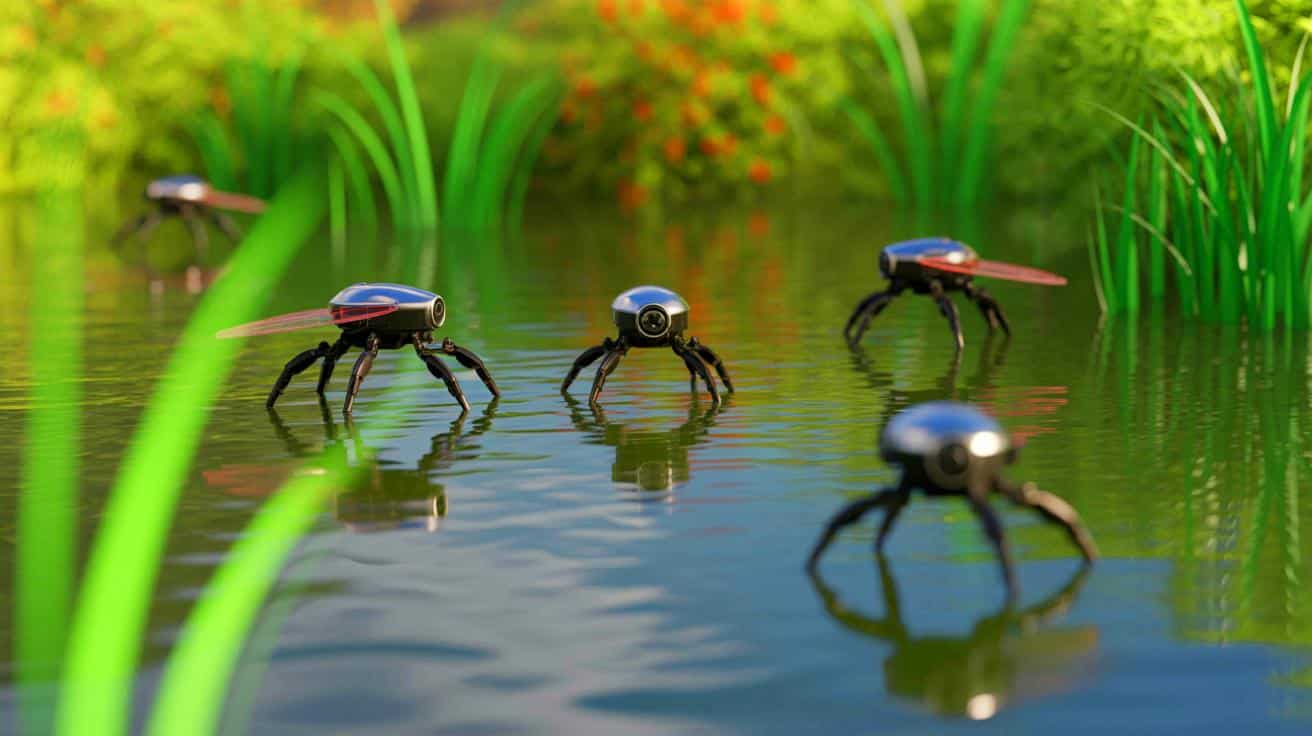
Researchers at the University of Virginia have developed insect-inspired water-walking robots using a novel fabrication technique called HydroSpread, which allows for direct creation of delicate polymer films on water, enabling precise, resilient, and potentially transformative applications in environmental monitoring and disaster response.

"Scientists Unveil Secrets of Hagfish Burrowing with Gelatine Tank"
science2 years ago

"Scientists Unveil Secrets of Hagfish Burrowing with Gelatine Tank"

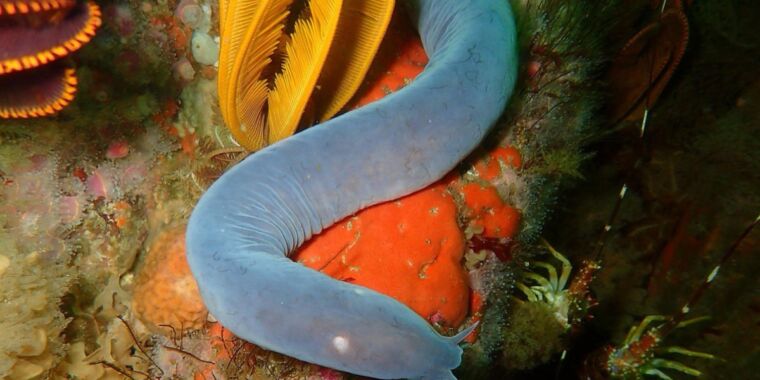
Researchers at Chapman University have developed a transparent gelatin tank to observe how hagfish burrow into deep-sea sediment, revealing a two-phase process involving vigorous thrashing and concertina-like wriggling. This study, published in the Journal of Experimental Biology, could inform the design of soft burrowing robots and has broader ecological implications for sediment turnover and oxygenation.

"Scientists Bring Extinct Fossil Creature Back to Life as a Robot"
science-and-technology2 years ago

"Scientists Bring Extinct Fossil Creature Back to Life as a Robot"

Researchers have created a soft-robot replica of the long-extinct pleurocystitid, an ancient sea creature, using principles of soft robotics and paleontology. The robot, named "Rhombot," has helped scientists understand the organism's movement and evolutionary mysteries. By combining fossil evidence with soft robotics, the study demonstrates the potential of paleobionics to study extinct organisms' locomotion and biomechanics, offering insights into the 99 percent of species that once roamed the Earth.

"Self-building Snake-like Robot Grows with 3D-Printed Body"
technology2 years ago

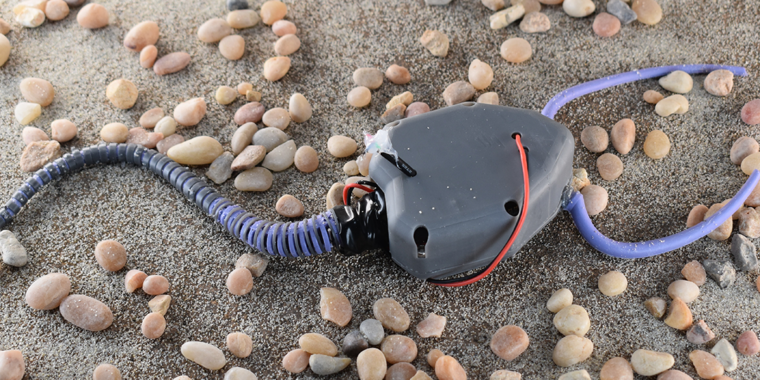
"Self-building Snake-like Robot Grows with 3D-Printed Body"

Researchers have developed a snake-like robot, FiloBot, that can 3D print its own body to grow longer, mimicking skototropisms. The robot's head spins and uses 3D printing to create more body mass, allowing it to elongate and be programmed to grow in desired ways. FiloBot has potential uses in monitoring natural environments, building autonomous structures, and testing pollution levels in hard-to-reach areas.