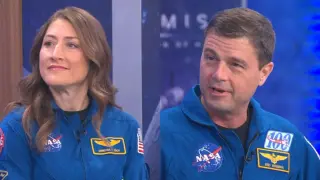
After splashdown in the Pacific, the Artemis II crew revealed the first thing they ate back on Earth was peanut M&Ms, and they said they actually really enjoyed the space food; a jar of Nutella floated in the capsule during return, underscoring the edible moments of the mission.
Artemis II will fly with shelf-stable, ready-to-eat meals designed for Orion’s self-contained, no-resupply mission; the crew helps select a fixed preflight menu with two beverages per person, while no fresh foods are used due to lack of refrigeration and late-load capabilities. Meals are organized into daily breakfasts, lunches, and dinners and are prepared via rehydration or heating using Orion’s water dispenser and a compact warmer. Menu planning accounts for mission phases (launch, transit, re-entry) and tight mass/volume/power constraints, making Artemis II’s menu more fixed than Apollo, shuttle, or ISS offerings while balancing nutrition, safety, and crew preferences in microgravity.
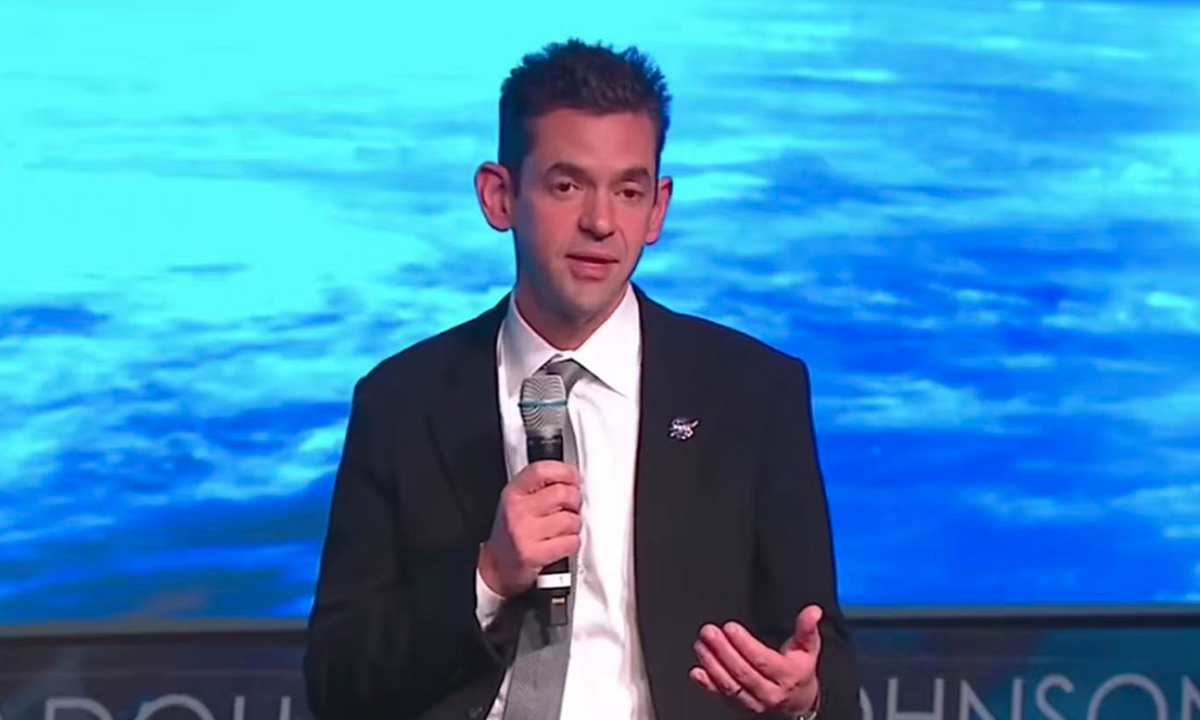
NASA's new administrator Jared Isaacman highlighted the Chinese space oven as an 'upgrade' and emphasized the need for NASA to reassess its traditional practices, especially as China demonstrates advanced food preparation capabilities in space, such as space barbecues, prompting a reevaluation of NASA's approach to innovation and risk in space technology.
Finnish company Solar Foods is developing Solein, a microbial protein made from microbes, air, and electricity, as a sustainable food source for long-duration space missions, with plans to test its production in space aboard the ISS to improve astronaut autonomy and resilience.
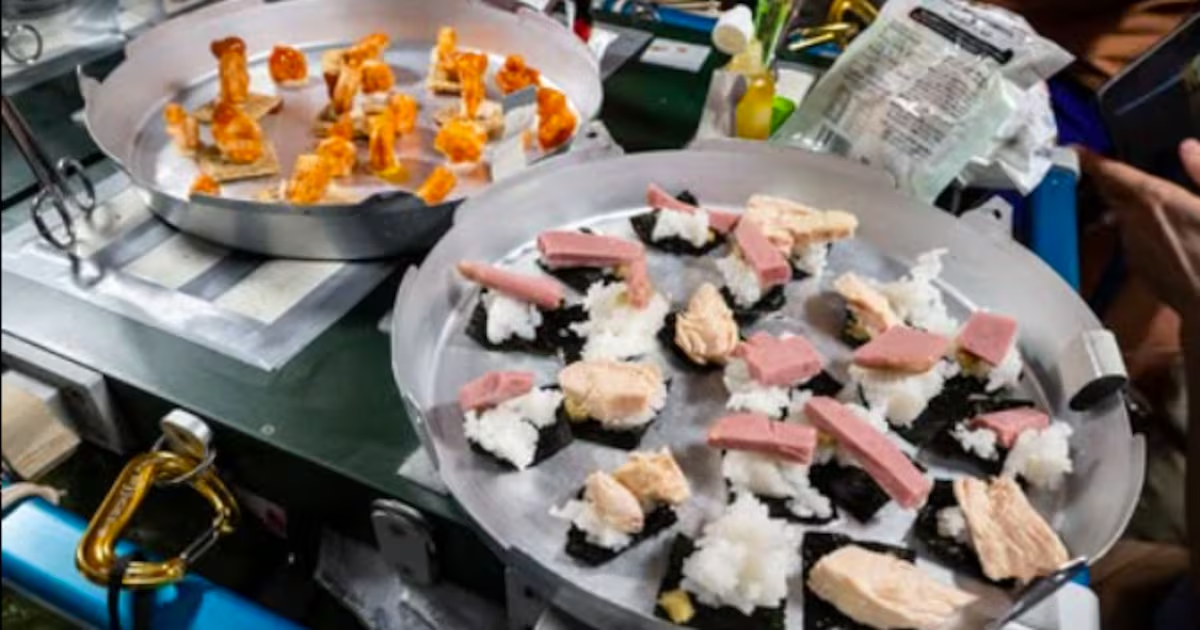
NASA shared a photo of space sushi aboard the ISS, showcasing how astronauts enjoy non-perishable, space-efficient meals like sushi with seaweed, spam, tuna, and rice, as well as shrimp cocktail and space pizza made with tortillas, highlighting the variety and ingenuity of space cuisine.
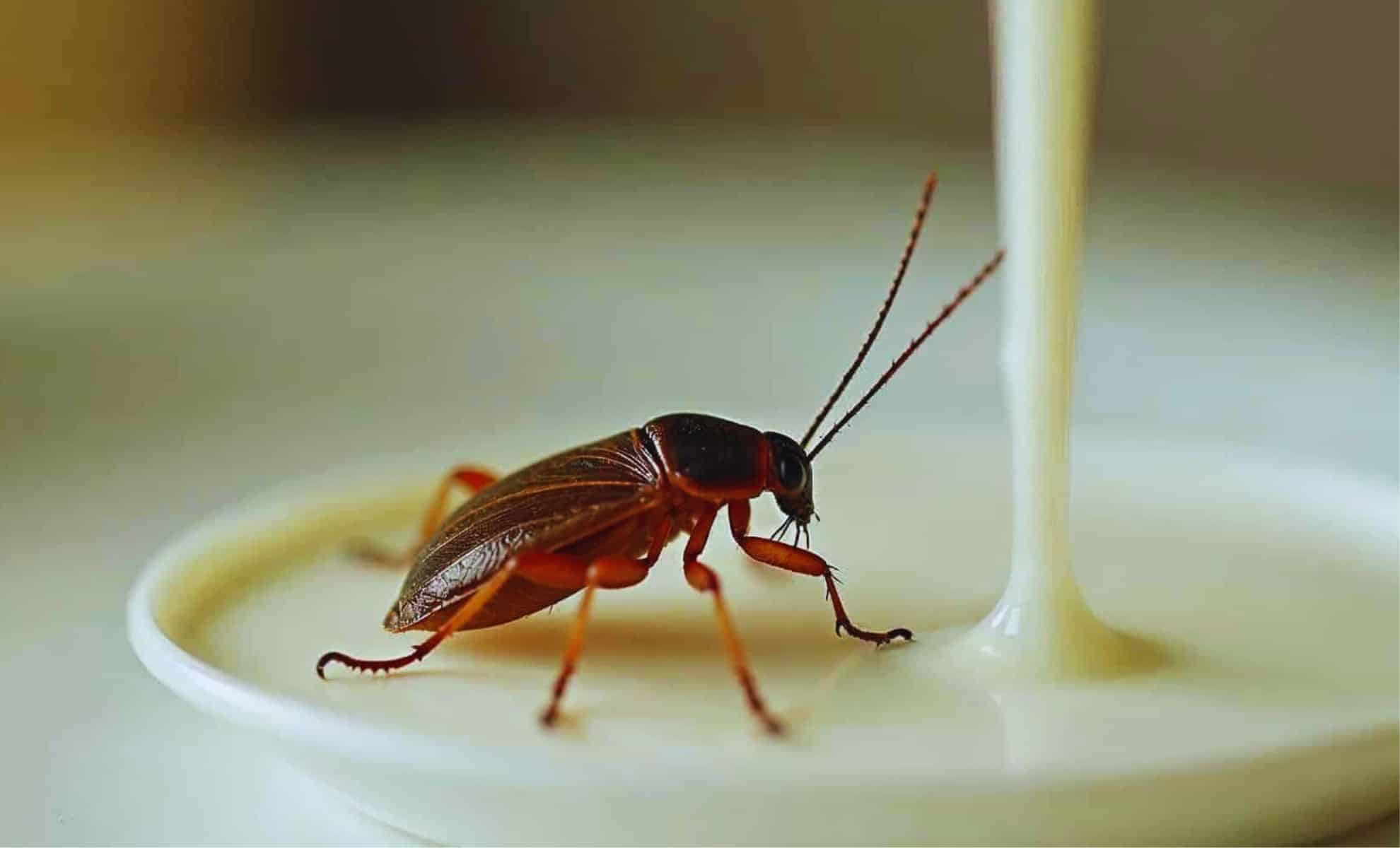
Researchers have decoded the structure of protein crystals produced by the cockroach Diploptera punctata, which are highly nutritious and could serve as a compact, long-lasting food source for space travel and emergency nutrition. Instead of milking insects, scientists are working on replicating these proteins in microbial systems for large-scale production. While not suitable for everyday consumption due to high caloric density, cockroach milk has potential in specialized applications like space missions and nutritional therapy.
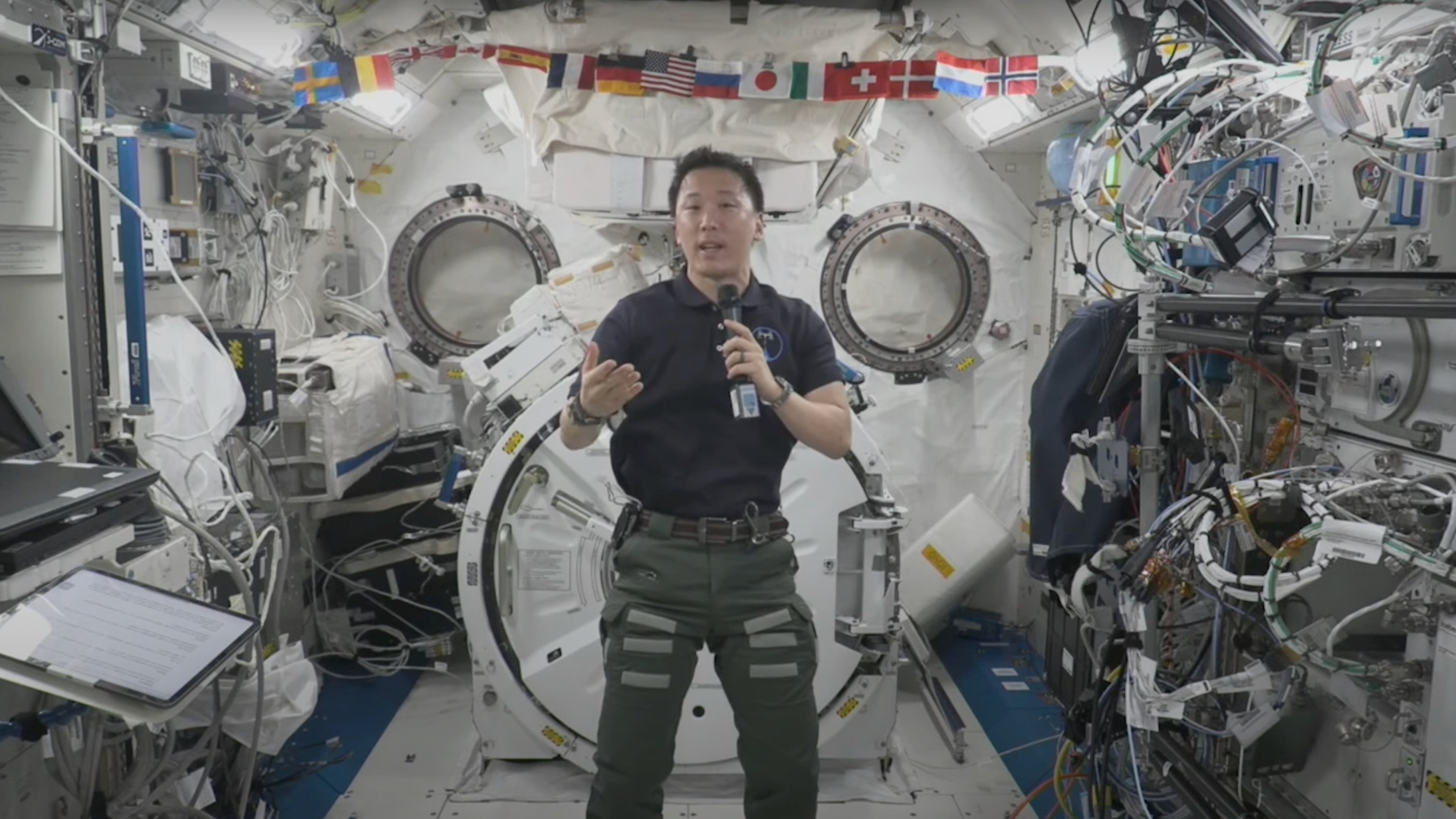
Astronaut Jonny Kim on the ISS made space kimchi fried rice, while the Expedition 73 crew conducted various scientific experiments, maintained station systems, and engaged in outreach activities, as they prepare to return to Earth.
As NASA's Artemis program prepares to send astronauts back to the Moon, the future of space food is evolving with innovative solutions like protein from bacteria and fungi, and fresh produce grown in microgravity. These advancements not only aim to support long-term space missions but also promise sustainable food production methods that could benefit Earth.
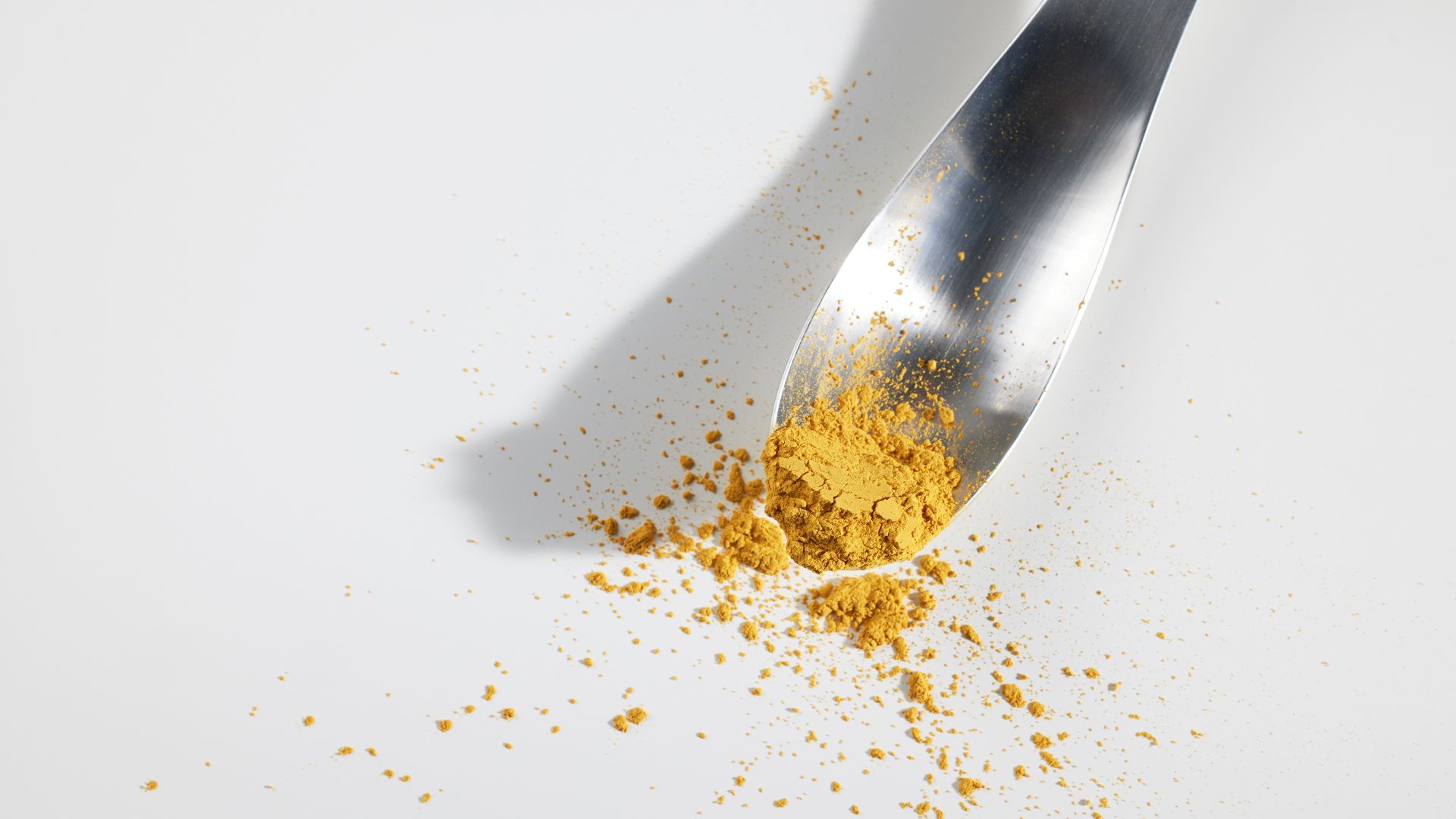
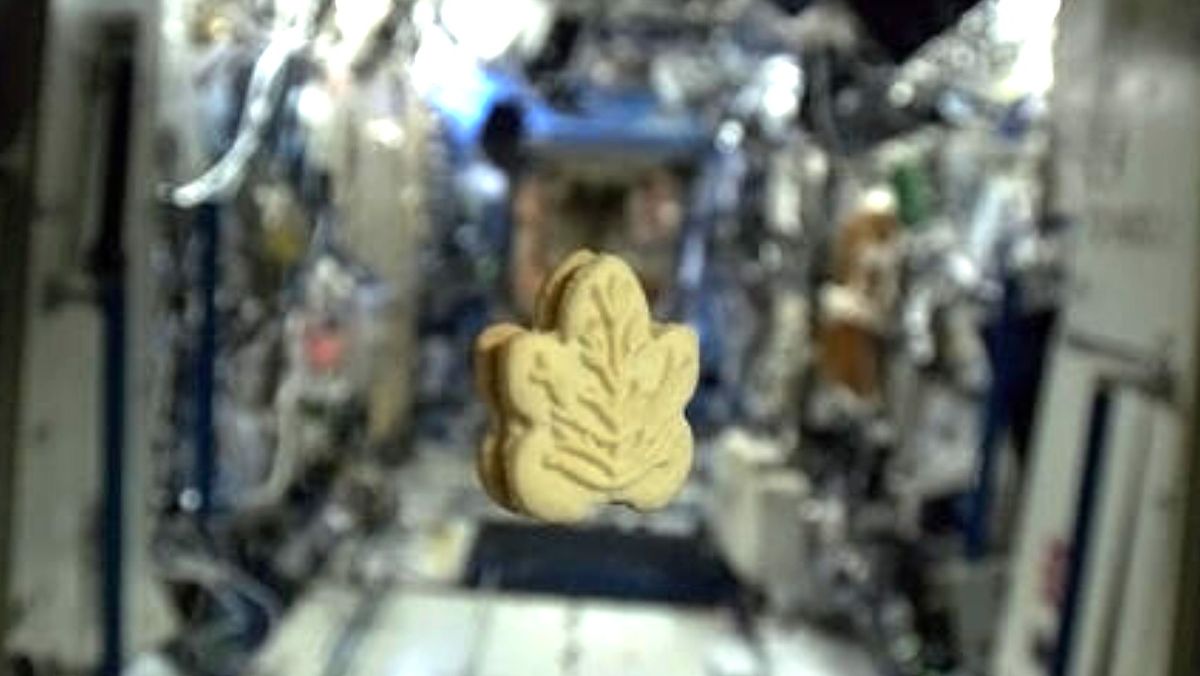
Canadian astronaut Jeremy Hansen and his crewmates on the Artemis 2 moon mission will enjoy a menu that includes Canadian maple cream cookies, smoked salmon, shrimp curry with rice, and strawberry lavender superseed cereal. The Canadian Space Agency considered factors such as shelf life, texture, and ease of consumption in space when selecting the food. Canada's participation in the Artemis program's moon aims includes supplying hardware such as the Canadarm3 robotic arm for the future NASA Gateway space station.
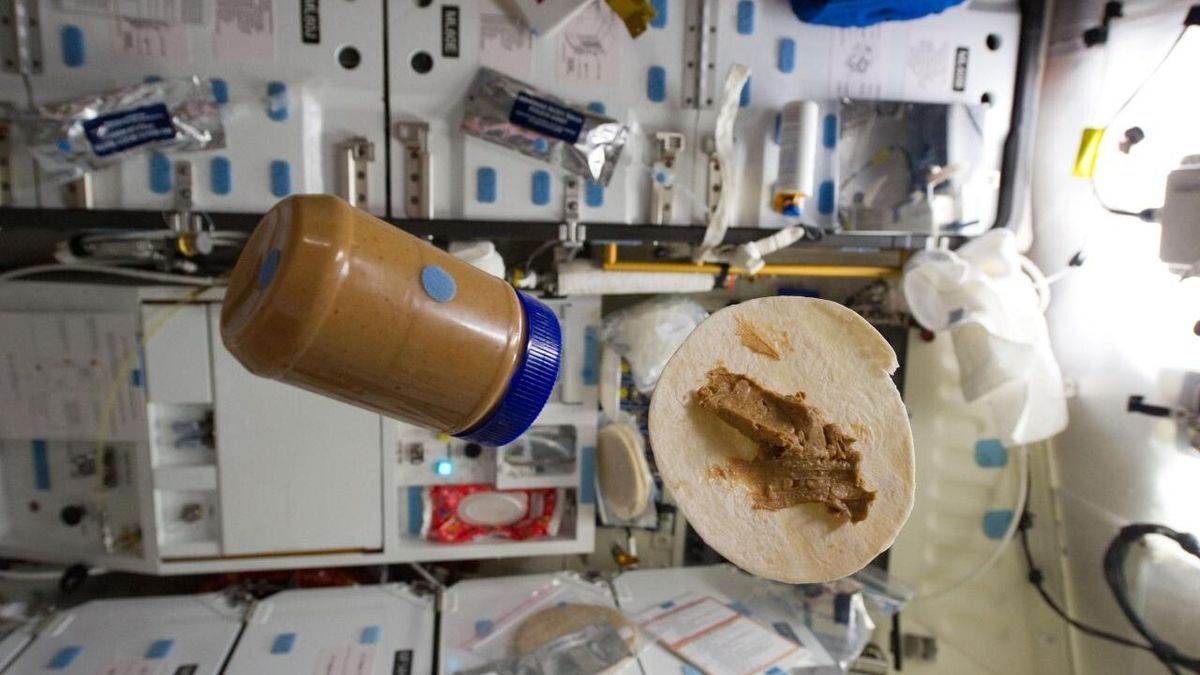
The departing Ax-3 astronaut crew left a surprise for the International Space Station (ISS) crew by leaving behind some peanut butter in the airlock entrance as they undocked and headed back to Earth. Peanut butter has been a staple of astronaut food for decades, and it was a special treat for the ISS crew, as the Ax-3 mission coincided with National Peanut Butter Day. This gesture adds to the history of peanuts and peanut butter in space, dating back to the Gemini and Apollo programs, and continues to be a part of space missions, including the ISS.
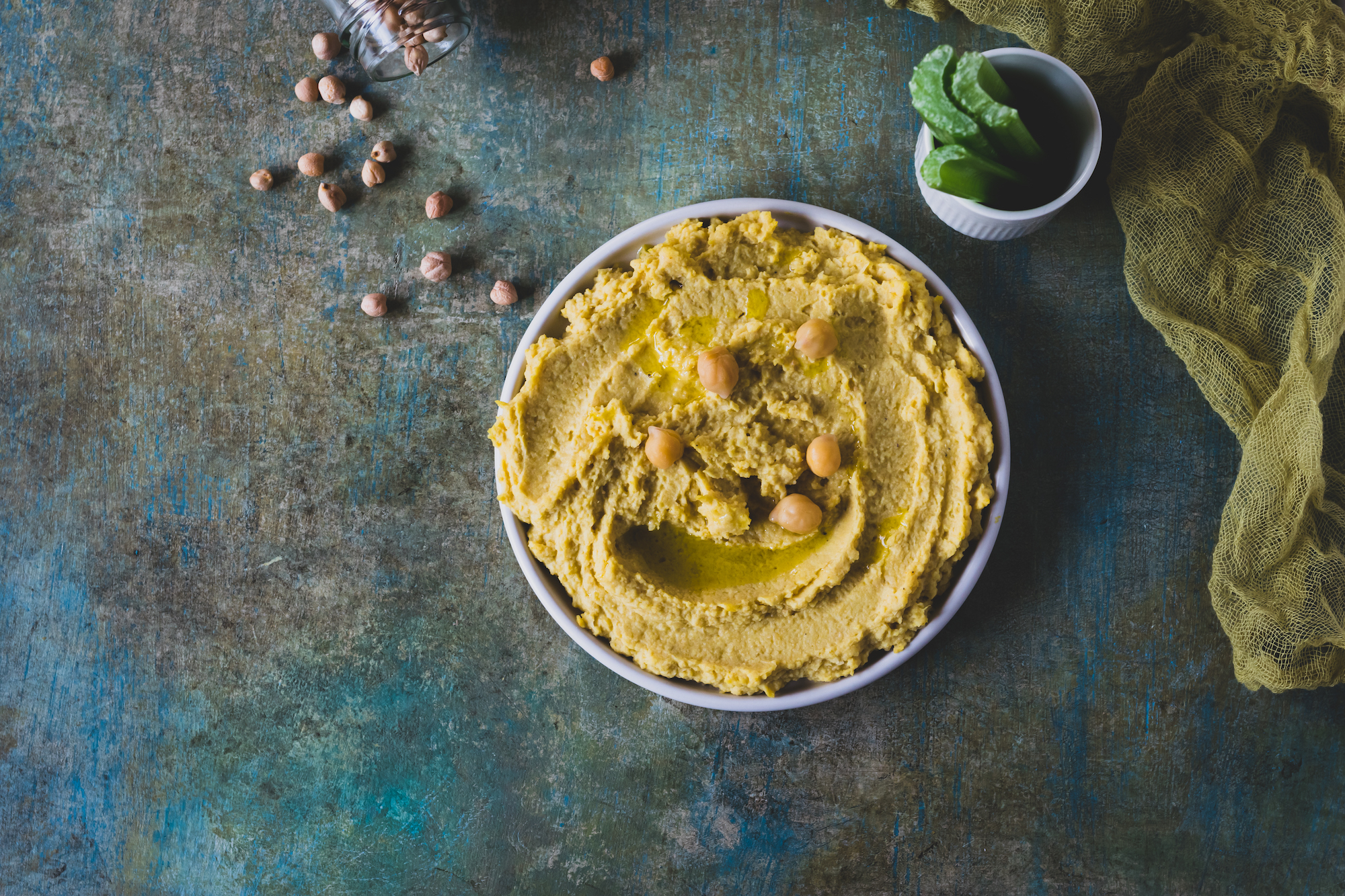
Scientists have successfully grown chickpeas in a simulated lunar soil mixture, demonstrating the potential for sustainable agriculture to support future human settlements on the moon and Mars. By modifying the lunar soil with fungus and earthworm poop, the researchers were able to cultivate chickpeas, a protein-rich and nutritious crop that could help sustain astronauts in space. While the results are preliminary and more data is needed, this development marks an important step towards achieving self-sustainability in space exploration and potentially establishing the first falafel shop in space.
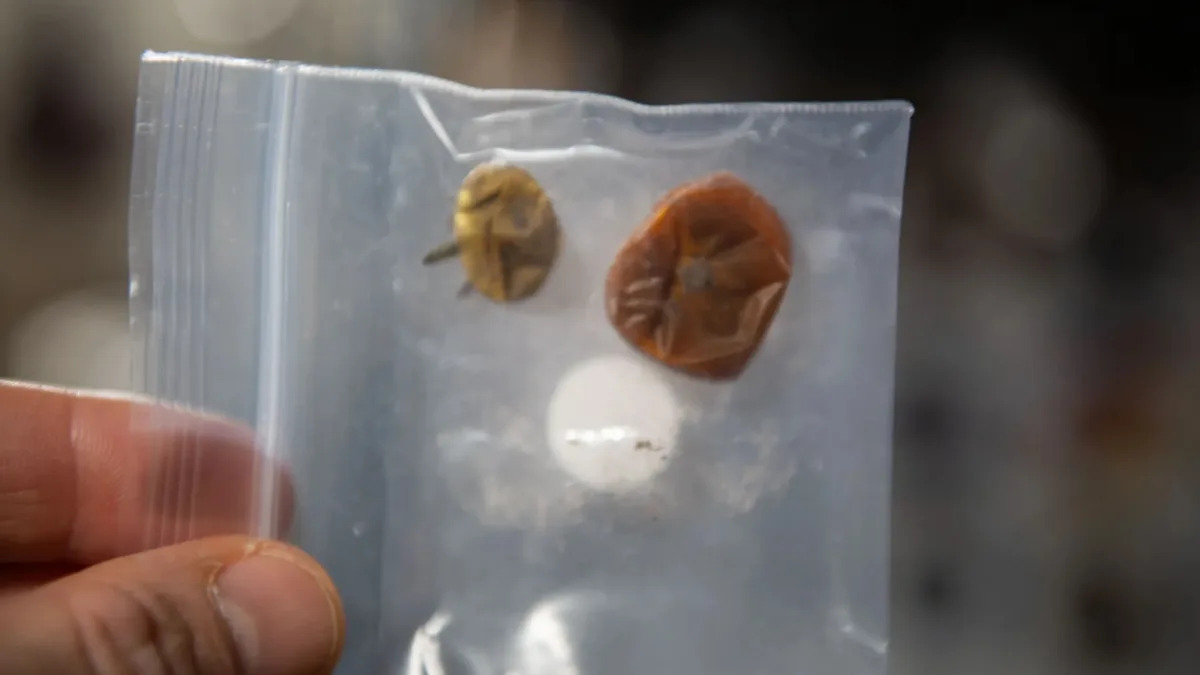
NASA has released footage of two tiny tomatoes that were lost in space for 8 months after being harvested by astronaut Frank Rubio on the International Space Station. The tomatoes were found dehydrated and slightly squished in a plastic bag, but showed no visible microbial or fungal growth. The experiment, part of the eXposed Root On-Orbit Test System (XROOTS), aims to develop techniques for growing plants without soil or other growth media for future space exploration missions. Growing food in space not only provides practical benefits but also has psychological benefits for astronauts.
Astronauts aboard the International Space Station (ISS) are celebrating Thanksgiving with a feast of turkey, duck, quail, seafood, corn, and cranberry sauce. The crew shared a video message expressing gratitude for their unique vantage point of Earth and the need to protect it. They will also enjoy sweet treats like chocolate and pumpkin spice cappuccino. The Thanksgiving care package was delivered by the SpaceX CRS-29 Dragon resupply mission. The astronauts will eat their meals using magnets and Velcro to keep them in place in microgravity, and they won't have chairs or washing up as utensils and food packages are disposed of to prevent bacterial growth.
The European Space Agency (ESA) has conducted experiments that show that frying works even in the microgravity experienced in space. The research could help determine what cooking processes and food will be available to astronauts as they explore alien worlds. The experiments were conducted during two ESA parabolic flight campaigns, in which an aircraft flies in repeated arcs to create brief periods of weightlessness. The team discovered that, soon after a test potato was added to oil in low-gravity conditions, bubbles were able to easily detach from its surface rather than coating and protecting it.
The Deep Space Food Challenge, an open call to experts around the world to develop technologies for keeping astronauts fed and healthy on long-term space missions, has led to the development of the Space Culinary Lab by the Astra Gastronomy team at Nonfiction. The compact kitchen-style system includes stations for growing algae and leafy greens, blending creamy coffee, and even grilling meat. The lab provides ways for astronauts to keep up a strong appetite to prevent weight loss and have access to fresh options to maintain optimal nutrition, which is crucial for their health as the crew ventures far from Earth.