Tag

Space Research

All articles tagged with #space research

SpaceX Dragon Delivers 6,500 Pounds of Science to the ISS
space8 days ago

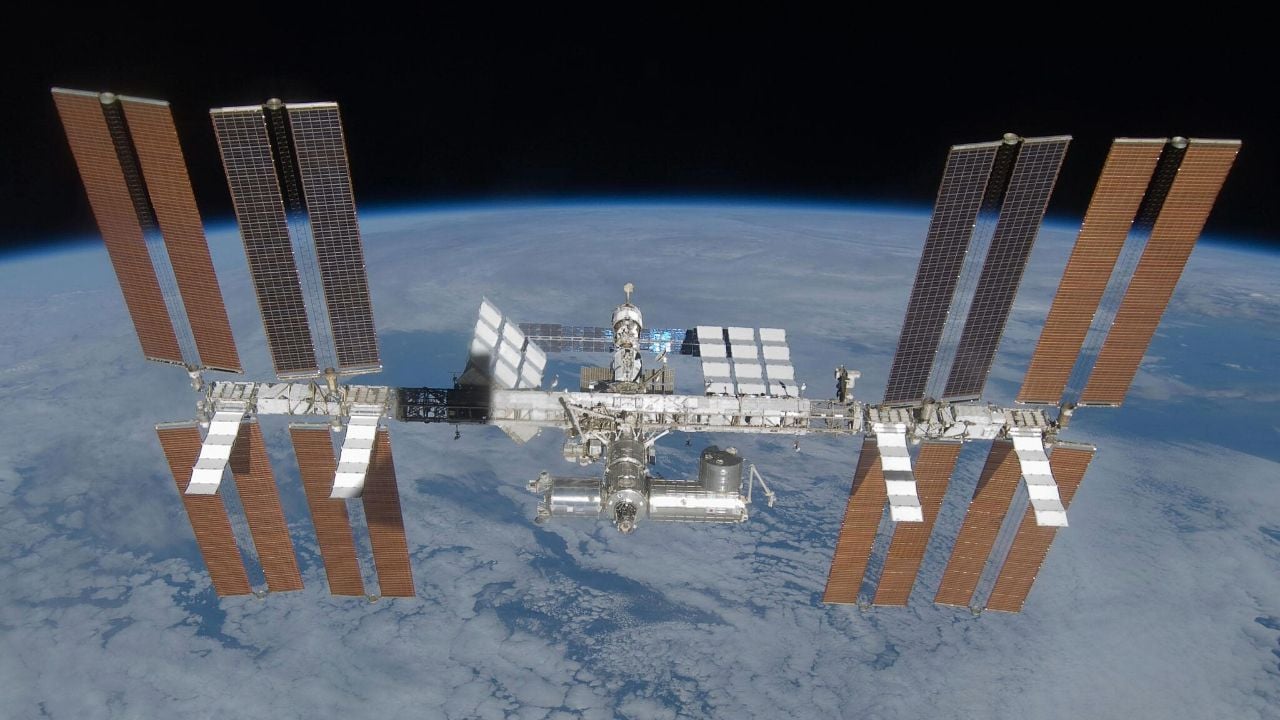
SpaceX Dragon Delivers 6,500 Pounds of Science to the ISS

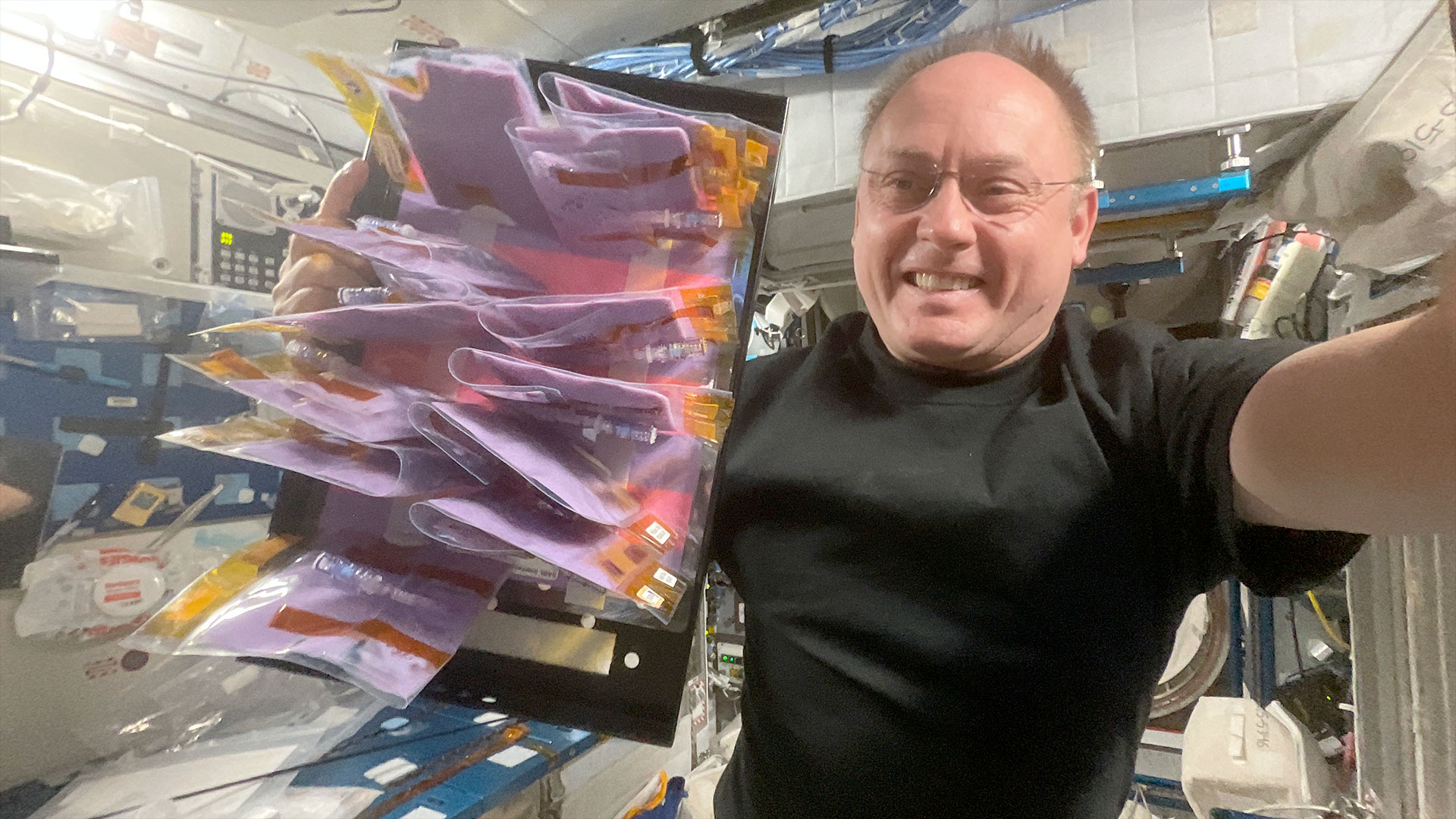
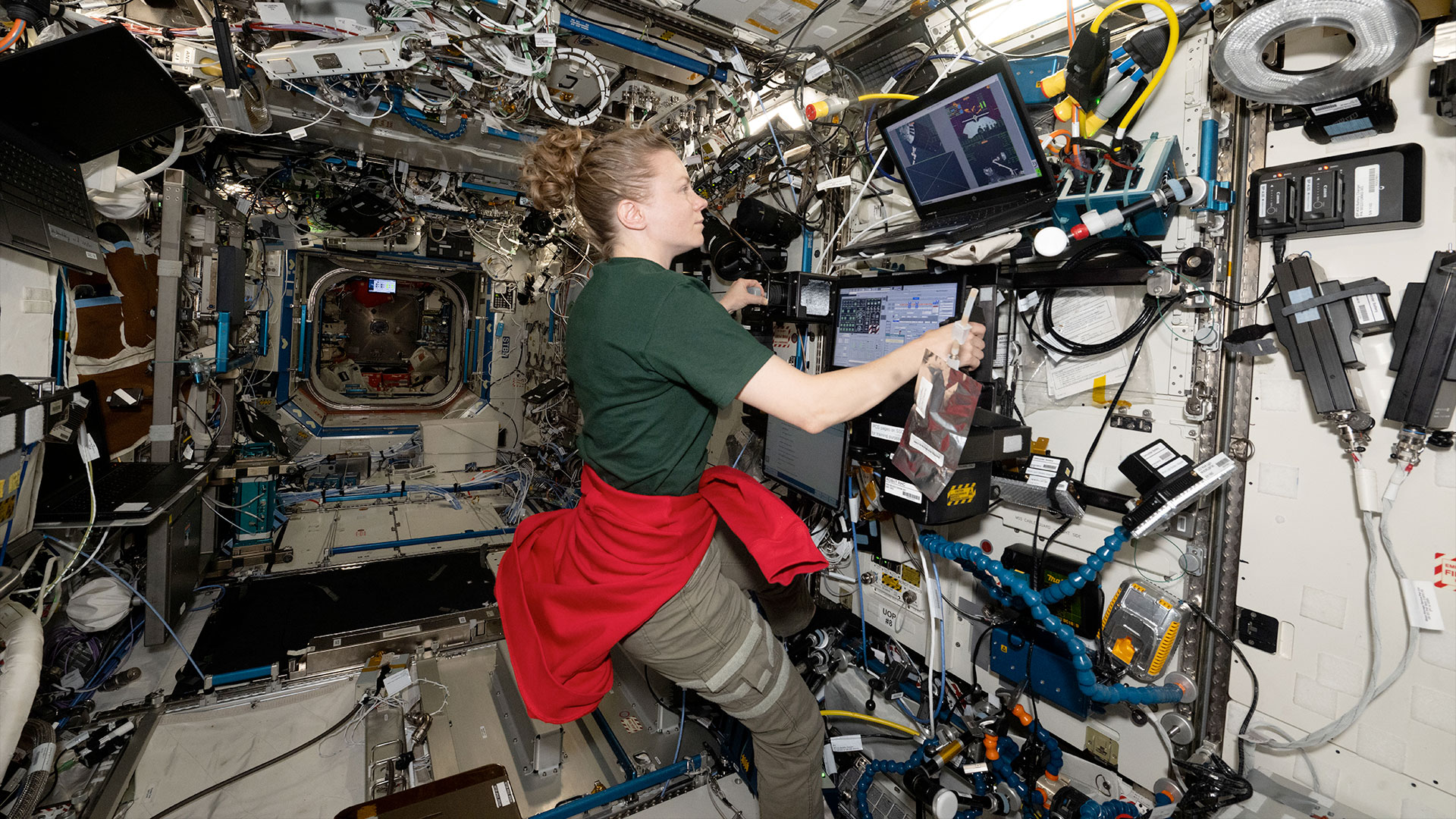
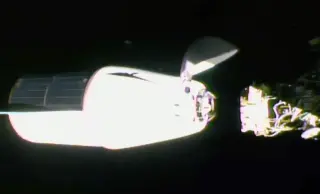
A SpaceX Dragon cargo capsule autonomously docked with the International Space Station, delivering about 6,500 pounds of research and supplies including microgravity experiments, a wooden bone scaffold, and studies on red blood cells and the spleen, plus instruments to study space weather, planetary formation, and Earth–Moon radiation effects, underscoring SpaceX’s pivotal role in sustaining ISS research.

Starlit labs: a visual tour of enduring Soviet science institutes
culture24 days ago

Starlit labs: a visual tour of enduring Soviet science institutes

Eric Lusito’s photo essay takes readers on a journey across former Soviet science institutes—from Ukraine’s radio-astronomy labs to Armenia’s Byurakan Observatory—showing how the USSR projected a utopian scientific future, built large-scale facilities for wartime aims, and how, after the 1991 collapse, many sites faced neglect yet linger on through adaptation, diaspora support, and wartime resilience.

Sperm Lose Direction in Microgravity, Prompting Space Reproduction Research
space2 months ago

Sperm Lose Direction in Microgravity, Prompting Space Reproduction Research

Australian researchers used a clinostat to simulate microgravity and found human, mouse, and pig sperm become disoriented, with about a 40% drop in those reaching a simulated egg; microgravity also affected early embryo development in animals, though healthy embryos could form, and progesterone helped guide sperm. The findings underscore the importance of understanding reproduction in space for future Moon/Mars settlements and ongoing space biology programs, while noting radiation and ethical considerations remain challenges.

Meteor Crater still yields space secrets after 50,000 years
space2 months ago

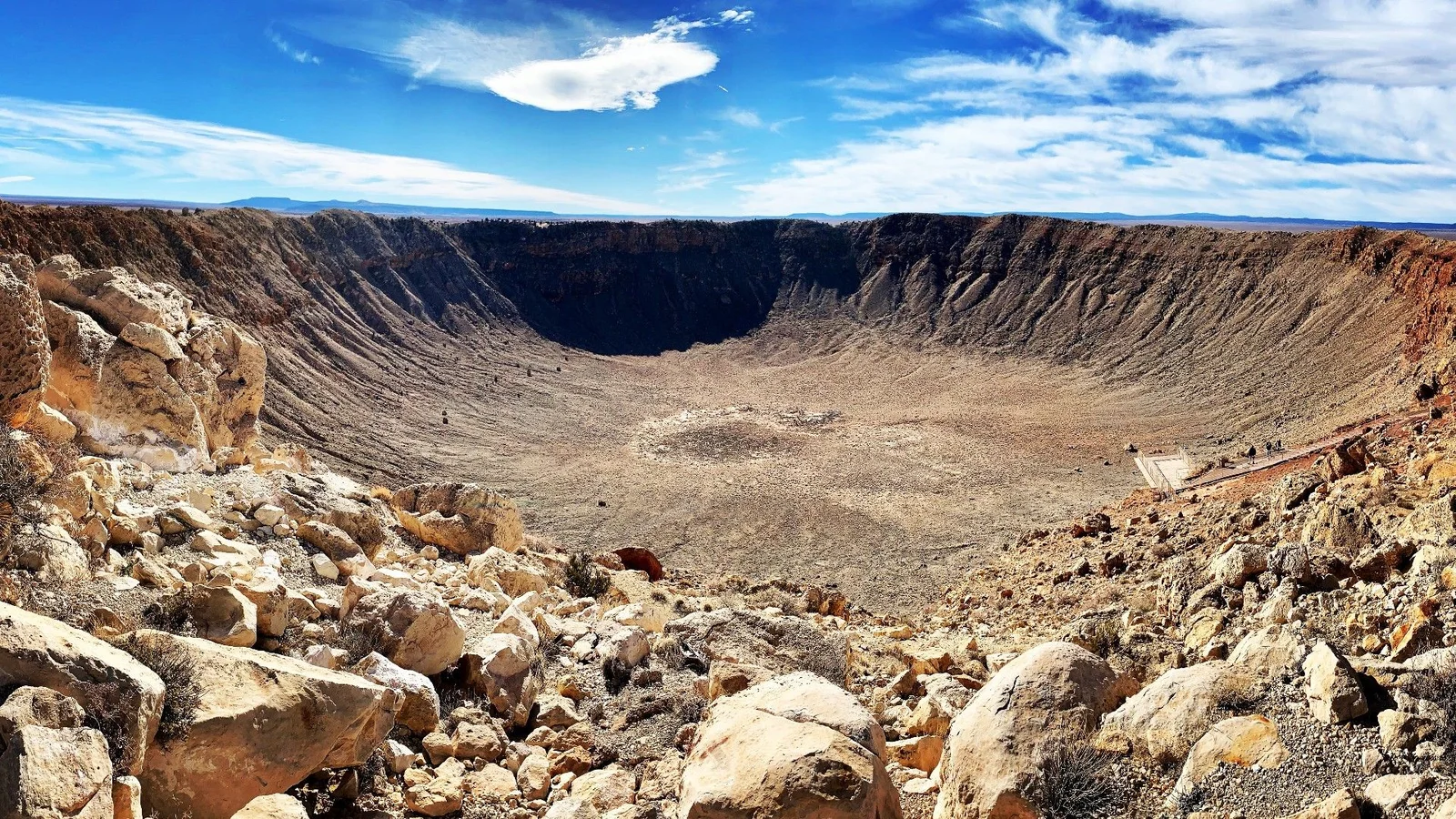
Meteor Crater still yields space secrets after 50,000 years

Arizona’s Meteor Crater, formed about 50,000 years ago, remains the best-preserved Earth impact site and a living laboratory for studying impact processes. Ongoing fieldwork, lab analyses, and computer studies—supported by Barringer Family Fund grants—continue to produce new data, with researchers like Dan Durda saying the crater provides new insights every year and climate and geological processes can obscure other craters elsewhere.

Archaeology Insights from 25 Years of the International Space Station
science6 months ago

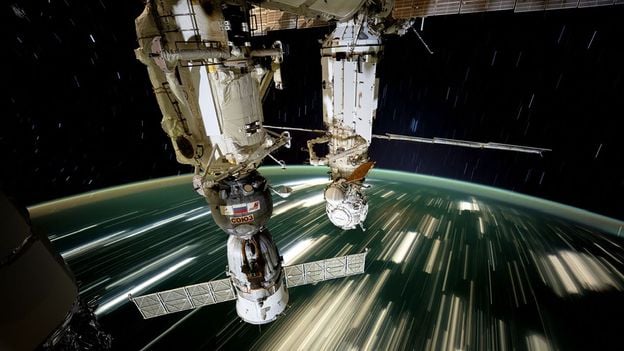
Archaeology Insights from 25 Years of the International Space Station

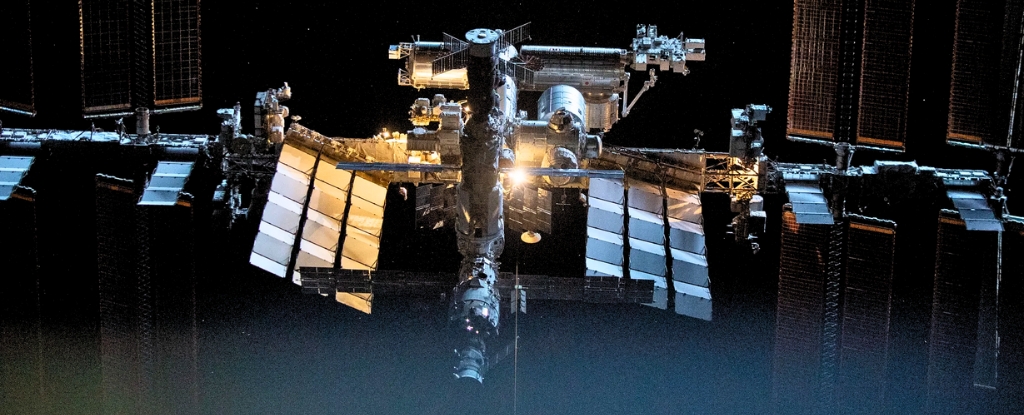
The article celebrates 25 years of continuous habitation on the International Space Station, highlighting its role in scientific research, international cooperation, and the unique insights gained through space archaeology, which studies the social and cultural aspects of life in space using photographic and behavioral analysis. It emphasizes the station's significance as a human habitat and its potential to inform future space missions and societal issues on Earth.

NASA Announces New Astronaut Class and Innovations for Space Exploration
space8 months ago

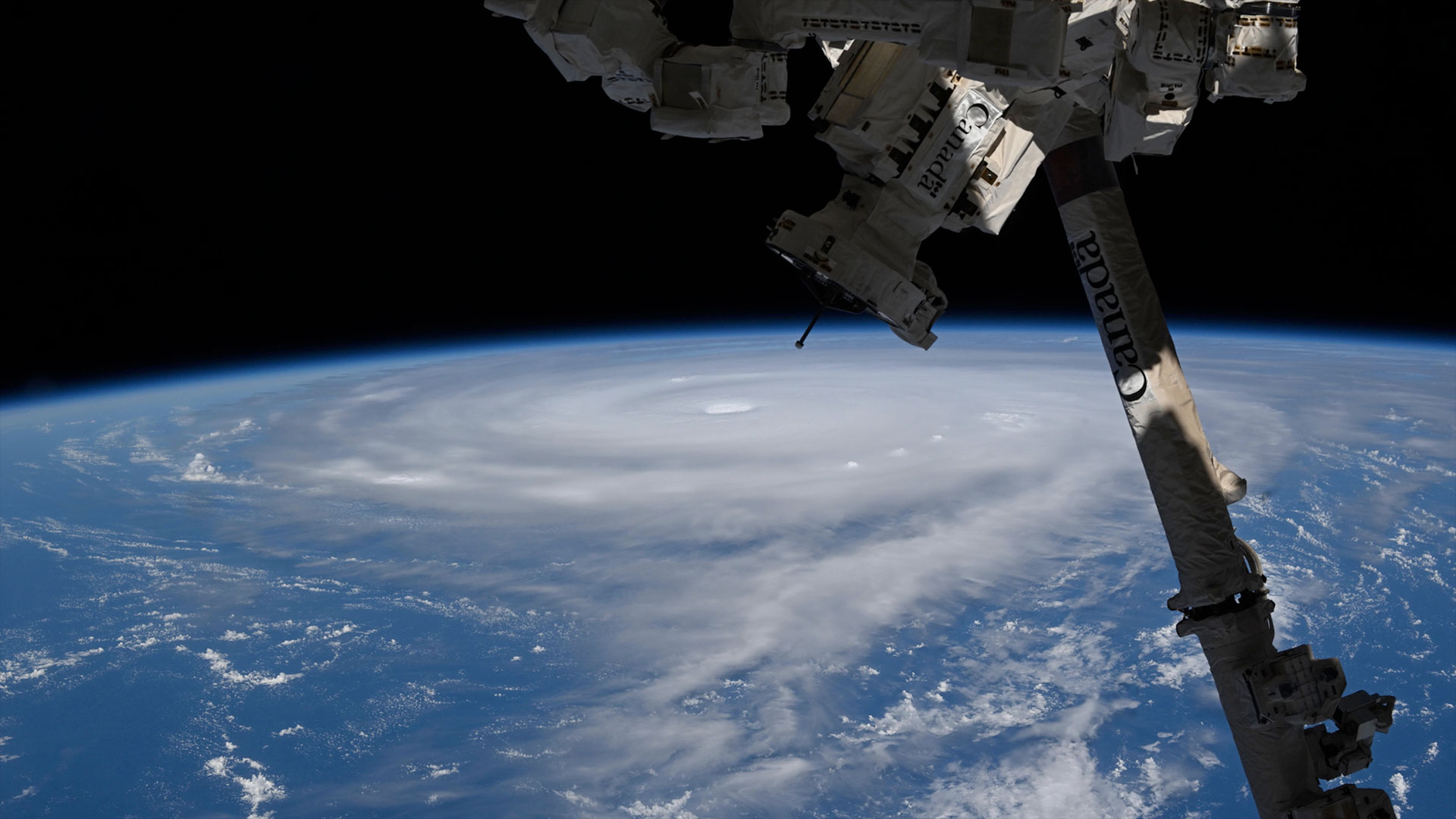
NASA Announces New Astronaut Class and Innovations for Space Exploration

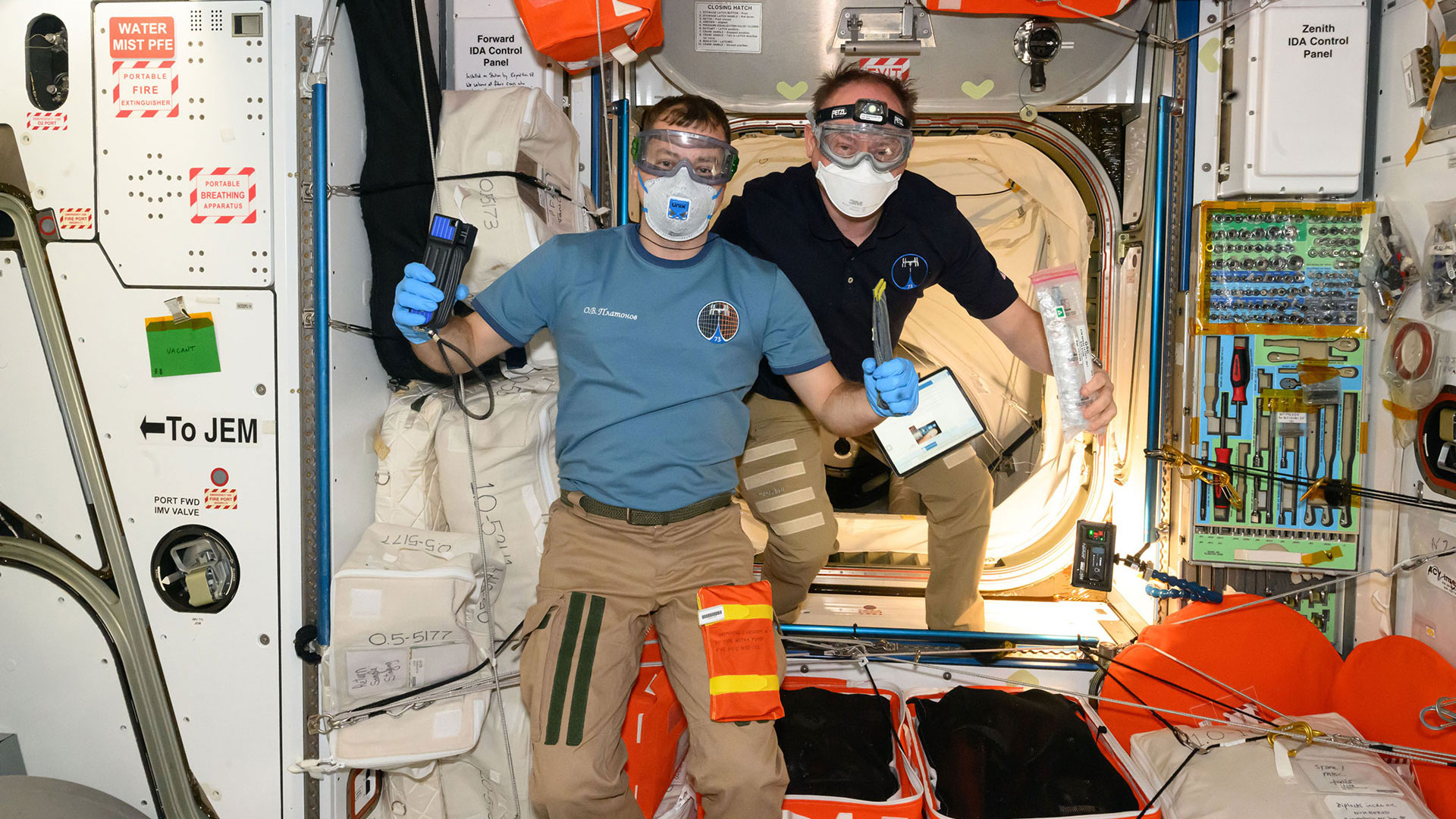
NASA announced its new astronaut class during a ceremony at Johnson Space Center, with members of Expedition 73 aboard the ISS observing and supporting the event. The crew conducted various scientific experiments, maintained station systems, and engaged in international space collaboration, highlighting ongoing advancements and activities in space exploration.

SpaceX's CRS-33 Cargo Mission to the International Space Station
space9 months ago

SpaceX's CRS-33 Cargo Mission to the International Space Station

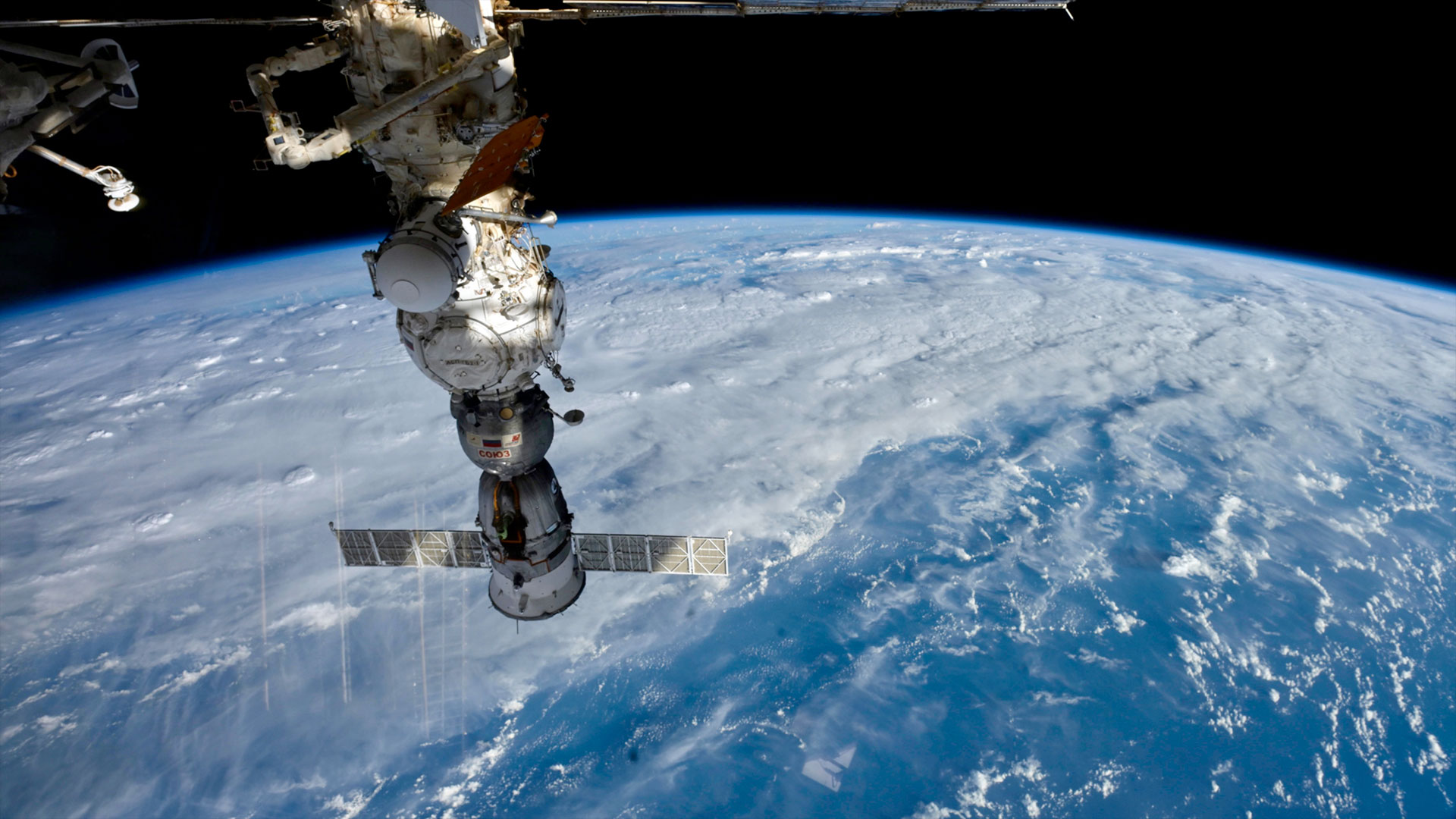
SpaceX launched its 33rd cargo resupply mission to the International Space Station, carrying supplies, research equipment, and a new thruster kit to help maintain the station's orbit. The mission included scientific experiments, hardware, and food for the crew, and featured a successful rocket landing. The cargo will support ongoing research and station maintenance, marking 25 years of continuous human presence aboard the ISS.