Tag

Space Safety

All articles tagged with #space safety

Sandia’s new hybrid code makes asteroid deflection modeling 1,600 times faster but reveals shape-based risks
science20 days ago

Sandia’s new hybrid code makes asteroid deflection modeling 1,600 times faster but reveals shape-based risks

Sandia National Laboratories has developed a new computational method that is 1,600 times faster than previous models for simulating nuclear asteroid deflection. By combining two existing codes, researchers can now accurately model irregular asteroid shapes rather than simplifying them into spheres. The improved simulations reveal that the orientation and shape of an asteroid can cause up to a fivefold difference in the effectiveness of a nuclear blast, highlighting the extreme precision required for future deflection missions.

SpaceX Warns of Critical Collision Risks as Rivals Refuse to Share Satellite Data
technology1 month ago

SpaceX Warns of Critical Collision Risks as Rivals Refuse to Share Satellite Data

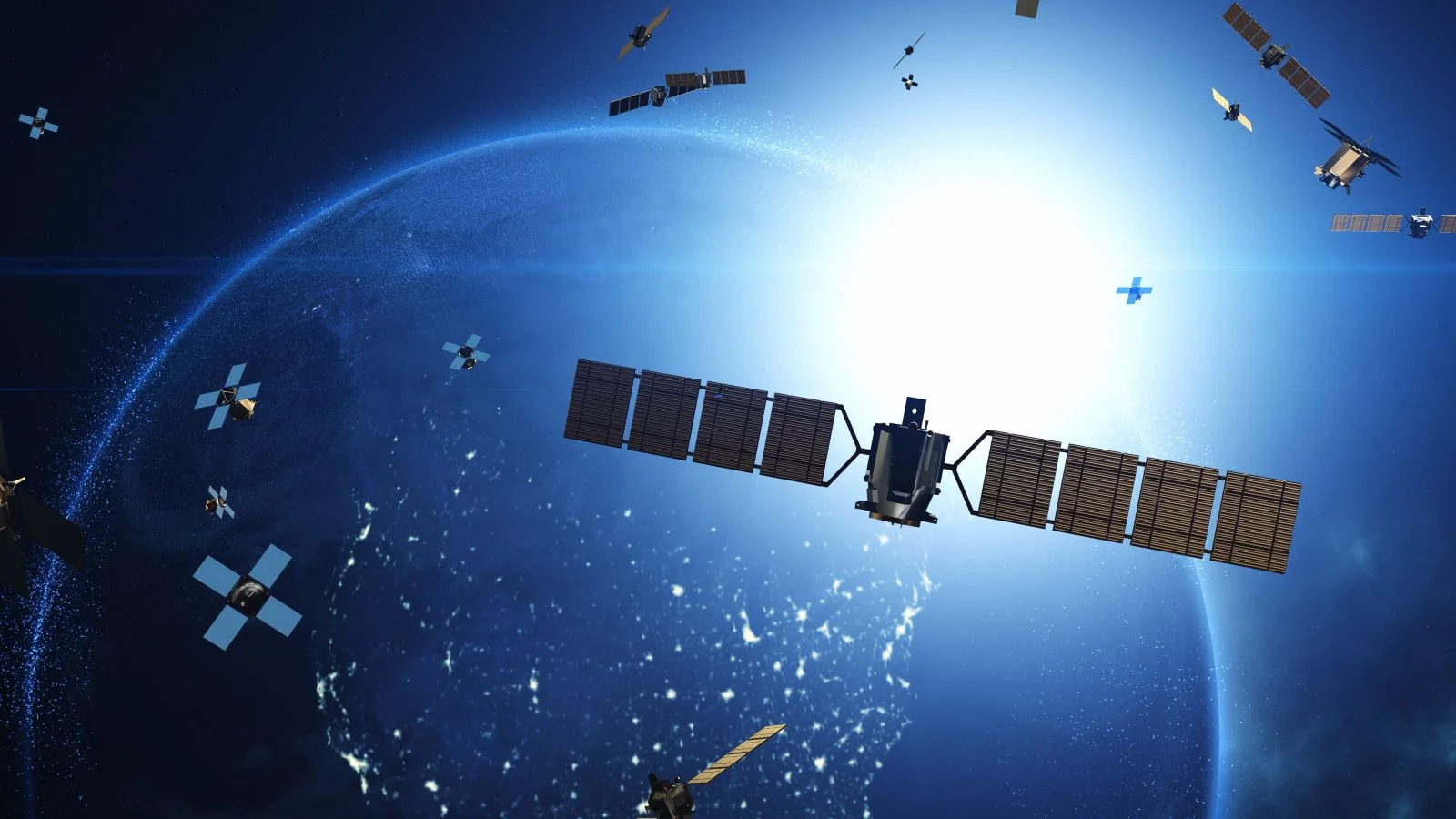
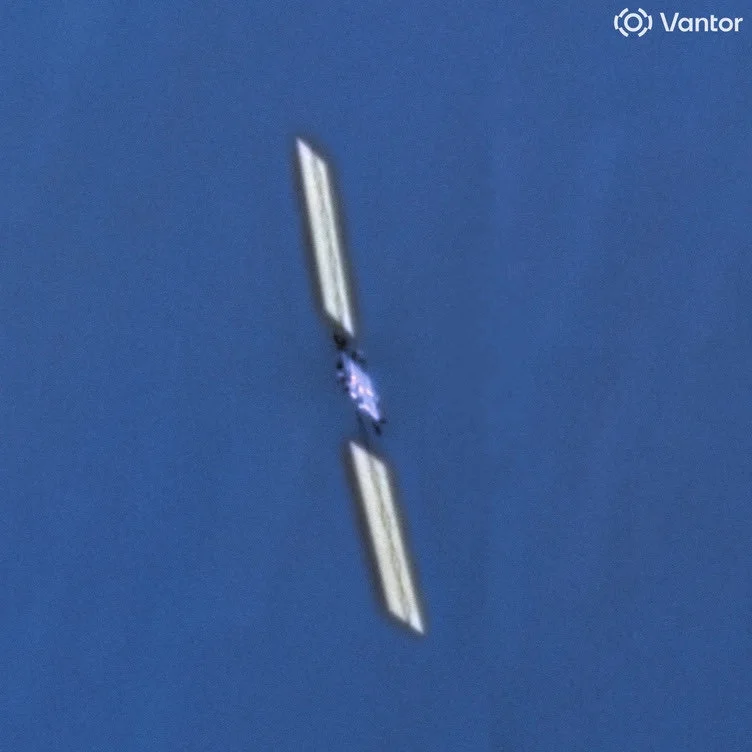
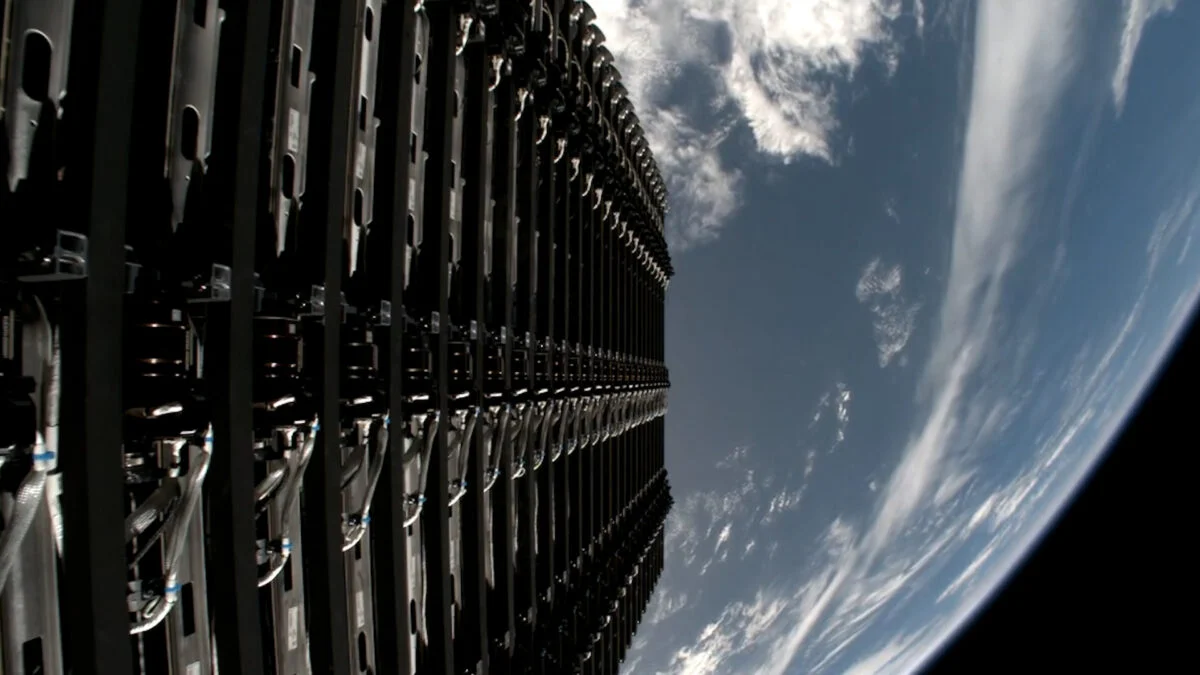
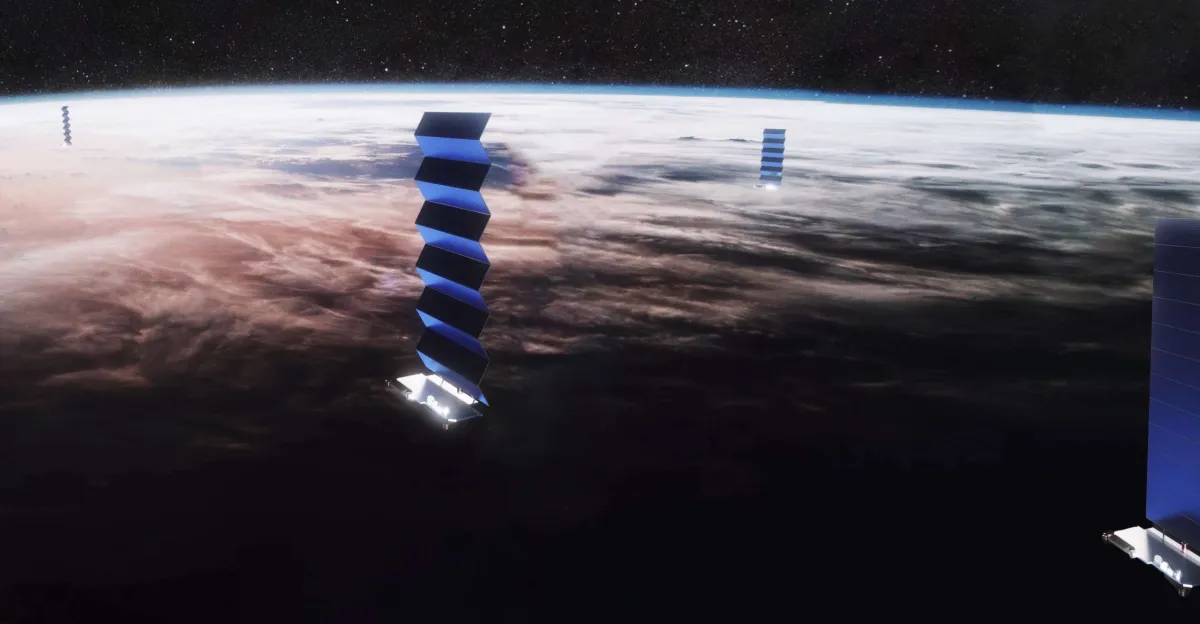
SpaceX has publicly disclosed footage and data showing dangerously close approaches between its Starlink satellites and other spacecraft in low-Earth orbit. The company argues that a lack of coordination among rival operators, particularly those who do not share trajectory data, poses the greatest risk to orbital safety. SpaceX is urging all satellite operators to share 'ephemeris' data to prevent collisions and mitigate the creation of space debris.

Unsuited in Space: Why You Won't Explode, But Will Suffocate in 15 Seconds
science2 months ago

Unsuited in Space: Why You Won't Explode, But Will Suffocate in 15 Seconds

Exposure to the vacuum of space without a spacesuit does not cause immediate explosion or blood boiling, as popularly depicted in films. Instead, rapid decompression leads to ebullism, where water in exposed tissues vaporizes, and hypoxia, which causes unconsciousness within 10 to 15 seconds. Survival depends entirely on immediate repressurization, as oxygen deprivation becomes fatal within two minutes.

ESA and JAXA Unite on Ramses: A Historic Mission to Study Apophis and Boost Planetary Defense
space6 months ago

ESA and JAXA Unite on Ramses: A Historic Mission to Study Apophis and Boost Planetary Defense

ESA and JAXA signed an agreement to launch the Ramses mission to the near-Earth asteroid Apophis, with a planned 2028 launch and a 2029 rendezvous during its close Earth flyby at about 32,000 km. The mission aims to study how Apophis behaves under Earth's gravity and to collect data that could improve asteroid deflection and monitoring strategies, informing future planetary-defense efforts. ESA will lead spacecraft design and operations, JAXA will contribute lightweight solar arrays and an infrared imager, and ESA’s NEO Coordination Centre will refine orbital predictions ahead of the flyby. This collaboration showcases international partnership as a cornerstone of global space safety.”,

NASA to Ignite Moon-Based Fire Test to Rethink Astronaut Safety
space7 months ago

NASA to Ignite Moon-Based Fire Test to Rethink Astronaut Safety

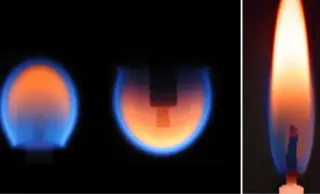
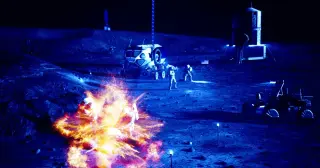
NASA plans the FM2 experiment to ignite four solid-fuel samples on the lunar surface under controlled, habitat-like conditions to study how flames behave in reduced gravity, with cameras and sensors to assess flame growth and spread. The goal is to refine safety standards for future lunar habitats, since flames can behave differently in lunar gravity and high-oxygen environments, and the late-2026 launch could influence material safety and emergency protocols for off-Earth bases.

Satellite Congestion Threatens Space Safety and Astronomy
science-and-technology10 months ago

Satellite Congestion Threatens Space Safety and Astronomy

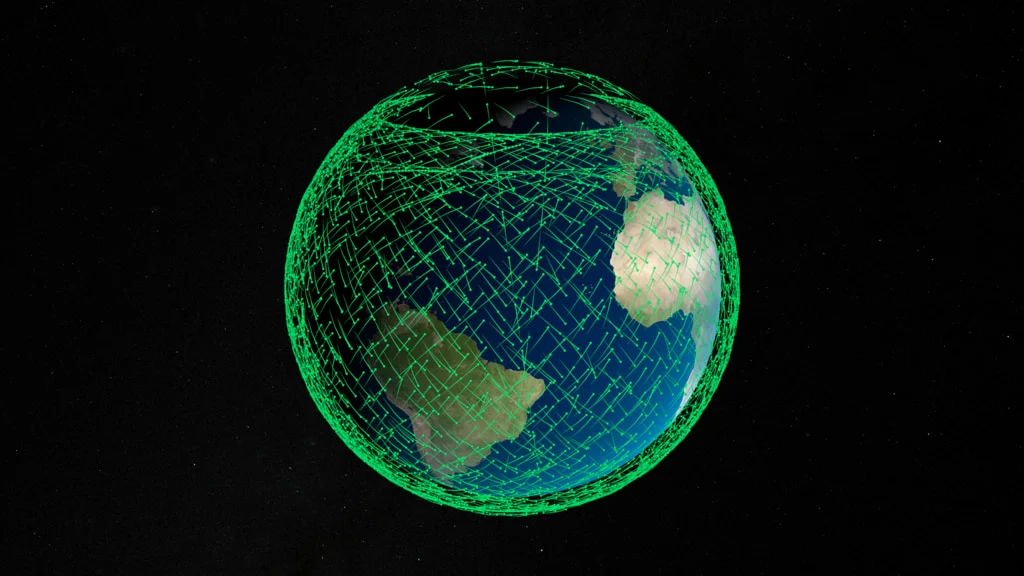
A new 'CRASH Clock' study warns that in a worst-case scenario, Earth-orbiting satellites could start colliding within less than three days, a significant decrease from previous estimates, driven by the rapid increase in satellite numbers and potential space weather events, raising concerns about space debris and the Kessler Syndrome.

Countdown to Crisis: The Urgent Need to Address Low Earth Orbit Congestion
science-and-technology11 months ago

Countdown to Crisis: The Urgent Need to Address Low Earth Orbit Congestion

A new study warns that the increasing density of satellite mega-constellations in Low Earth Orbit creates a fragile system at risk of catastrophic collision, especially during solar storms, with potential for a rapid cascade of debris and loss of space access within days if control is lost. The paper emphasizes the urgent need for better management and risk assessment to prevent a future space debris catastrophe.