Tag

Kessler Syndrome

All articles tagged with #kessler syndrome

Space junk forces more satellite dodges, risking climate science data
space5 days ago

Space junk forces more satellite dodges, risking climate science data

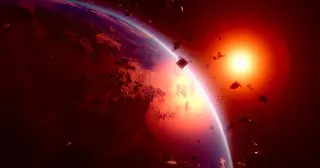
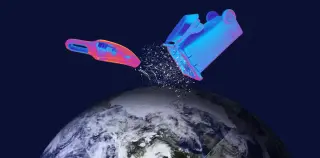
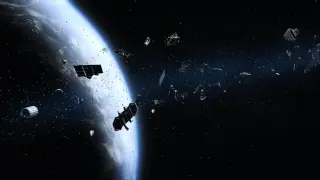
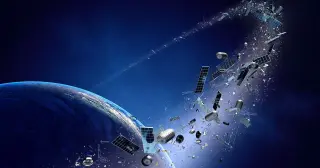
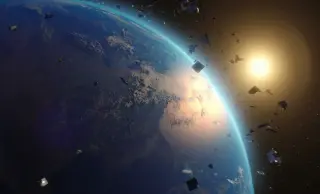
Space debris in low Earth orbit is increasing, forcing satellites to perform more collision-avoidance maneuvers. Each maneuver uses fuel and can degrade data from climate-observing satellites (Aqua, Terra, Aura), potentially erasing long-running climate records. As debris grows, collision risk rises and insurability drops, pressuring public agencies and private operators to safeguard vital science data.

Moonbound Debris: Falcon 9 Upper Stage Predicted to Hit Einstein Crater in 2026
space13 days ago

Moonbound Debris: Falcon 9 Upper Stage Predicted to Hit Einstein Crater in 2026

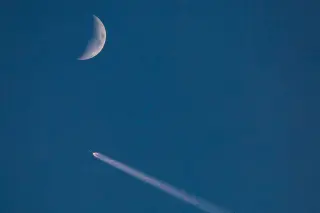
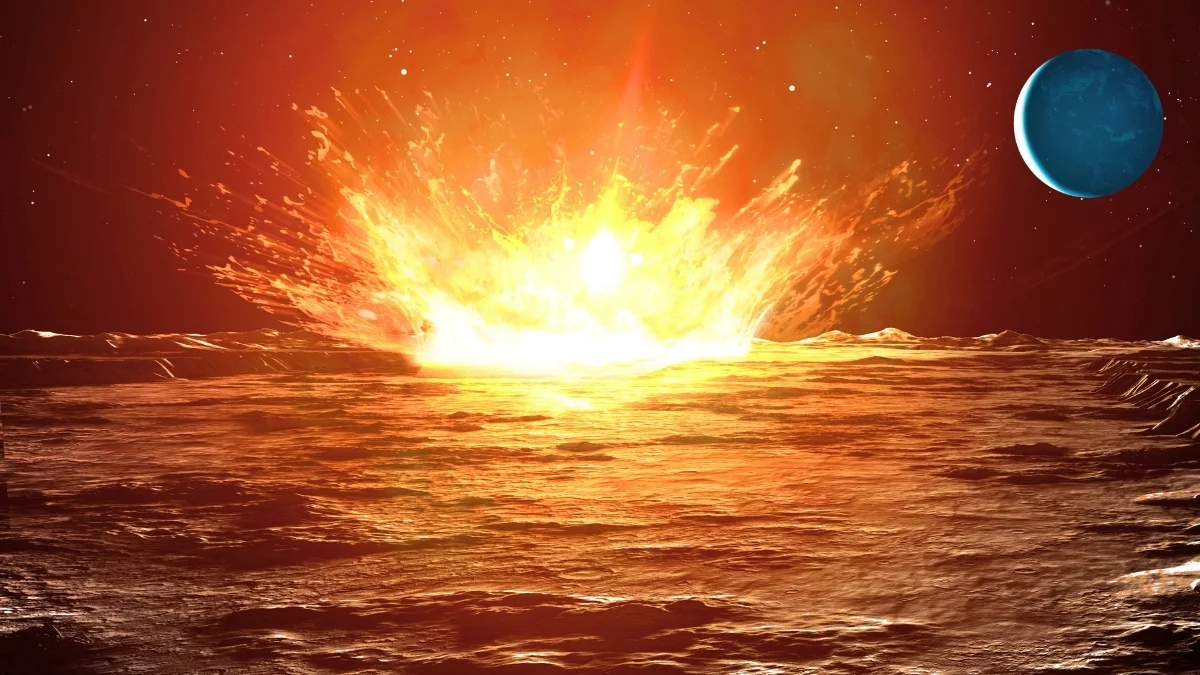
Astronomer Bill Gray predicts the Falcon 9 upper stage from SpaceX's January 15, 2025 Moon mission will crash into the Moon near Einstein crater on August 5, 2026 at about 8,700 km/h. The impact would occur on the near side’s edge and is unlikely to be visible with amateur equipment, but it highlights growing space junk concerns and the potential for cascading debris (Kessler syndrome) in Earth orbit.

Geomagnetic Storm Could Trigger Rapid Satellite Collisions in Space
space25 days ago

Geomagnetic Storm Could Trigger Rapid Satellite Collisions in Space

A Princeton-led study warns that a strong solar geomagnetic storm could sever communications with satellites, preventing orbital maneuvers and potentially triggering a rapid cascade of collisions in low-Earth orbit within about 2.8 days, underscoring the fragility of the largely Starlink-led network and the need for constant, precise control to avoid debris-related chaos.

LEO Collision Window Shrinks to 2.8 Days, Study Warns
science27 days ago

LEO Collision Window Shrinks to 2.8 Days, Study Warns

A new arXiv study introduces the CRASH Clock to estimate how quickly a major satellite collision could occur if orbital tracking or maneuvering fails. Results show a serious collision could happen in about 2.8 days if maneuvering is lost (5.5 days when all tracked objects are included), a sharp tightening from 164 days in 2018 due to denser mega-constellations and debris. The risk is amplified by solar storms that disrupt tracking, communications, and maneuvering, potentially triggering a rapid cascade of debris in low Earth orbit.

Tiny Space Rocks, Big Risks: The Decameter Asteroid Threat
science1 month ago

Tiny Space Rocks, Big Risks: The Decameter Asteroid Threat

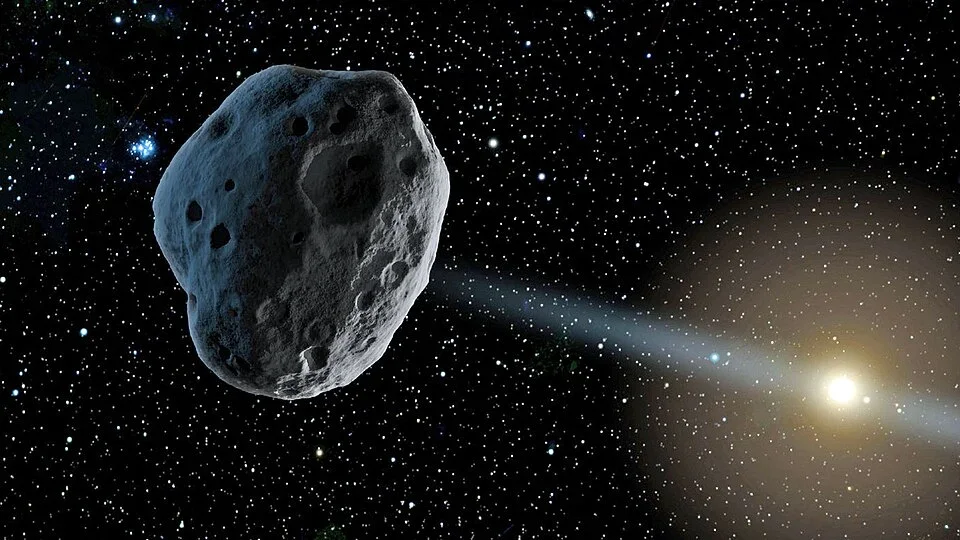
MIT researchers warn that decameter-scale asteroids (tens of meters across) strike Earth every few decades, potentially causing 8–10 megaton airbursts, disrupting satellites and possibly triggering the Kessler debris cascade; detection is hard due to low reflectivity, but JWST has aided tracking and Vera Rubin will find more, while MIT is building a follow-up telescope network—though there is currently no global framework to defend against such threats.

2032 Moon Impact Could Unleash New Lunar Science from a Tiny Asteroid
space3 months ago

2032 Moon Impact Could Unleash New Lunar Science from a Tiny Asteroid

A 60-meter asteroid (2024 YR4) has about a 4% chance to strike the Moon on December 22, 2032. If it hits, it could form a ~1 km crater with a 100 m molten pool, trigger a magnitude-5.0 “moonquake,” vaporize rock, and loft up to 400 kg of debris that could reach Earth, potentially posing risks to satellites and even ground hazards. Yet scientists see this as a rare, invaluable chance to study lunar geology, interior structure, and crater formation in real time using telescopes and space assets, while some agencies consider deflection to prevent the impact. The piece notes Universe Today as the original source.

Solar Storms Could Trigger a Rapid Kessler-Style Debris Cascade in Low Earth Orbit
space4 months ago

Solar Storms Could Trigger a Rapid Kessler-Style Debris Cascade in Low Earth Orbit

Scientists warn that a powerful solar storm could abruptly trigger a Kessler syndrome–style cascade in Earth's low orbit, turning orbital debris into a self-perpetuating cloud that endangers satellites and could shower debris back to Earth. Researchers introduced the CRASH clock, suggesting a catastrophic collision could unfold in roughly 5.5 days if navigation is disrupted, a sobering risk given the growing megaconstellations from SpaceX, Amazon, and others and the current high rate of in-orbit maneuvers.

Starlink Expansion Sparks Warnings of Space Debris, Atmospheric Impact
technology4 months ago

Starlink Expansion Sparks Warnings of Space Debris, Atmospheric Impact

The FCC approved 7,500 more Starlink satellites, bringing the constellation to about 15,000 by 2031, but scientists warn this could heighten collision risk in crowded orbits, trigger space-debris concerns (including sub-10 cm fragments), and alter the stratosphere with more aluminum oxide from deorbiting, while solar storms pose additional lower-orbit risks—even as officials emphasize faster broadband and economic benefits.

Solar Storms Could Collapse LEO Satellite Web in Days
space4 months ago

Solar Storms Could Collapse LEO Satellite Web in Days

New analysis warns that solar storms could trigger a rapid, near-term collapse of Earth’s LEO satellite mega-constellations if command-and-control for avoidance is lost. The study introduces the CRASH Clock, estimating a catastrophic collision could occur in about 2.8 days as of mid-2025 (versus 121 days in 2018), and a 24-hour outage carries roughly a 30% chance of seeding long-term debris cascades. Solar storms heat the atmosphere, increasing drag and degrading orbit predictions while possibly disabling satellite navigation and communications, leaving many satellites unable to dodge each other. Authored by Sarah Thiele and colleagues and posted on arXiv, the work argues for real-time tracking and control to prevent a “house of cards” collapse of space infrastructure, a risk underscored by the 2024 Gannon storm and the historic Carrington Event.

Urgent Warning: Solar Storms and the Rising Risk of Space Debris Collisions
science5 months ago

Urgent Warning: Solar Storms and the Rising Risk of Space Debris Collisions

A new metric called the CRASH Clock quantifies the risk of catastrophic satellite collisions, revealing that a severe event like a solar storm could cause a collision in less than three days, highlighting the urgent need to address space debris and satellite congestion, especially with the rapid increase in satellite constellations by companies like SpaceX.

Starlink and Chinese Satellites Nearly Collide Again, Raising Concerns
space5 months ago

Starlink and Chinese Satellites Nearly Collide Again, Raising Concerns

A near-miss occurred on December 12 when a Starlink satellite narrowly avoided colliding with a Chinese-launched satellite launched just 48 hours earlier, highlighting the lack of an international space traffic management system. With the increasing number of satellites from companies like SpaceX and Amazon, the risk of space debris and collisions is rising, potentially leading to catastrophic chain reactions and debris falling to Earth, emphasizing the urgent need for coordinated space traffic control.

Satellite Collision Risks Accelerate Amid Solar Storm Threats
science-and-technology5 months ago

Satellite Collision Risks Accelerate Amid Solar Storm Threats

A new study warns that a severe solar storm could trigger satellite collisions in Earth's orbit within days, especially in low Earth orbit where most satellites like SpaceX's Starlink operate, potentially leading to a cascade of debris and making space unusable. The risk is higher now than in 2018 due to increased satellite numbers, and future solar storms could cause significant disruptions if satellite operators are unprepared.

Severe Solar Storms Could Trigger Satellite Catastrophe in Just Days
science5 months ago

Severe Solar Storms Could Trigger Satellite Catastrophe in Just Days

A new study warns that a single solar storm could disable satellite control systems, leading to catastrophic collisions in space and potentially triggering Kessler syndrome, which could make space inaccessible for humans for decades. The increasing density of satellite mega-constellations like Starlink amplifies this risk, especially since solar storms can damage satellites' navigational systems and increase atmospheric drag, making real-time control crucial to prevent disaster.