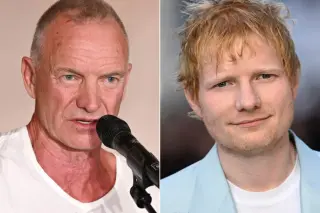
Sting Calls Ed Sheeran’s Response to Macklemore Removal a 'Difficult Dilemma'
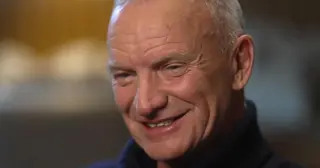
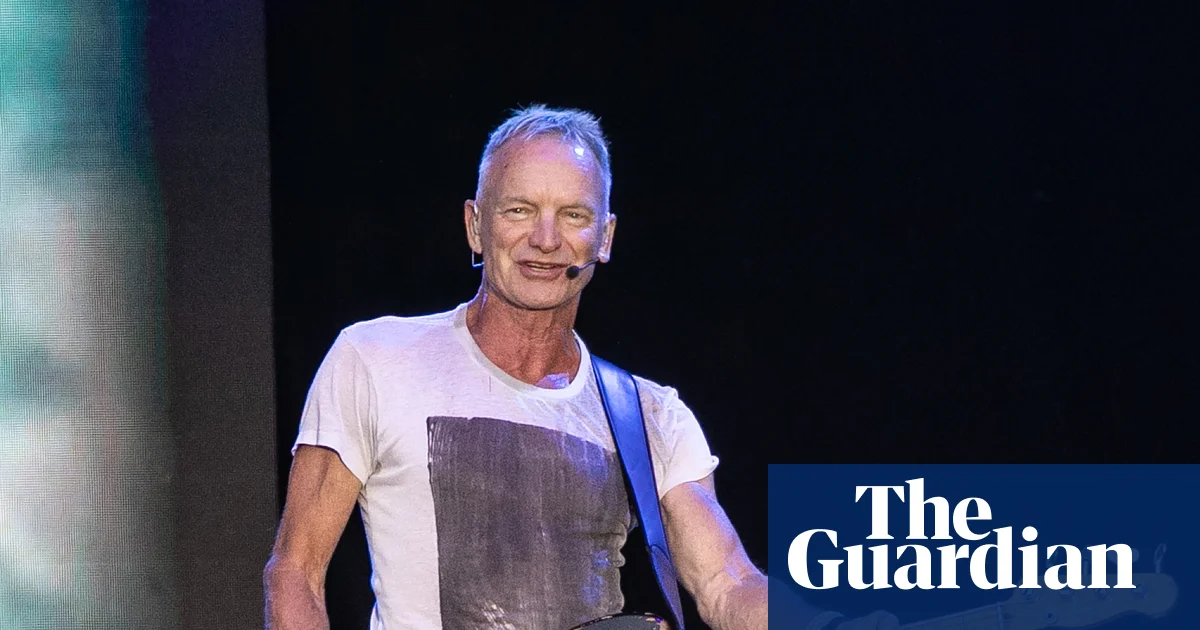
Sting commented on Ed Sheeran’s situation after Macklemore was removed from his US tour, describing the singer’s position as a 'difficult dilemma.' The controversy stems from New England Patriots owner Robert Kraft banning Macklemore from the tour following pro-Palestinian remarks and imagery. While Sheeran stated promoters made the decision, the incident sparked a broader debate about political expression in music and led to financial pledges between Kraft and Macklemore for Gaza relief.