Tag

Stratosphere

All articles tagged with #stratosphere

Analog Film Captures Cosmic Radiation on a Stratospheric Balloon Flight
space2 days ago

Analog Film Captures Cosmic Radiation on a Stratospheric Balloon Flight

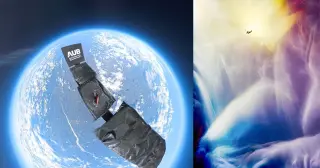
Photography student Tom Liggett sent a 5×4 color negative sealed in a dark bag to about 121,000 feet to expose it directly to cosmic radiation, creating an abstract image from UV-C rays, muons, and distant cosmic particles; a tree punctured the bag causing a yellow bloom; the payload landed in Connecticut and was recovered with landowner permission; Liggett says the result is a more accurate representation of space than a conventional photograph.

CO2's paradox: surface warming, stratospheric cooling explained
science5 days ago

CO2's paradox: surface warming, stratospheric cooling explained

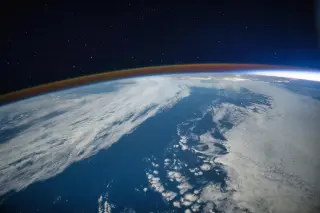
A Nature Geoscience study shows rising CO2 makes the stratosphere more efficient at radiating infrared heat into space, causing cooling of the upper atmosphere (about 2°C since the mid-1980s), with faster cooling higher up near the stratopause. Researchers describe a 'Goldilocks zone' of infrared wavelengths that drive this cooling, while ozone and water vapor play smaller roles. If CO2 doubles, stratospheric temperatures near the stratopause may drop roughly 8°C, highlighting a key, quantifiable climate fingerprint and its implications for Earth's energy balance and exoplanet atmospheres.

CO2 Turns the Stratosphere Into a Cooling Engine, New Study Finds
science-climate6 days ago

CO2 Turns the Stratosphere Into a Cooling Engine, New Study Finds

New Columbia University–led research, published in Nature Geoscience, identifies why Earth’s upper atmosphere has cooled while the surface warms: increasing CO2 alters how infrared light is absorbed and emitted in the stratosphere, with a particular “Goldilocks zone” of wavelengths driving efficient cooling that expands as CO2 rises. Ozone and water vapor play smaller roles. Cooling strengthens with altitude, and about a doubling of CO2 cools the stratopause by ~8°C, contributing to less heat escaping to space and a feedback that traps more heat near the surface. The study provides a quantitative mechanism for stratospheric cooling and has implications for understanding atmospheres beyond Earth.

Volcanic Plume Reveals a Natural Route to Methane Destruction in the Atmosphere
science11 days ago

Volcanic Plume Reveals a Natural Route to Methane Destruction in the Atmosphere

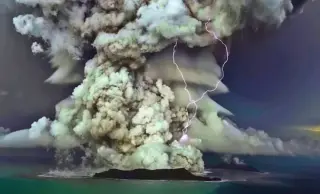
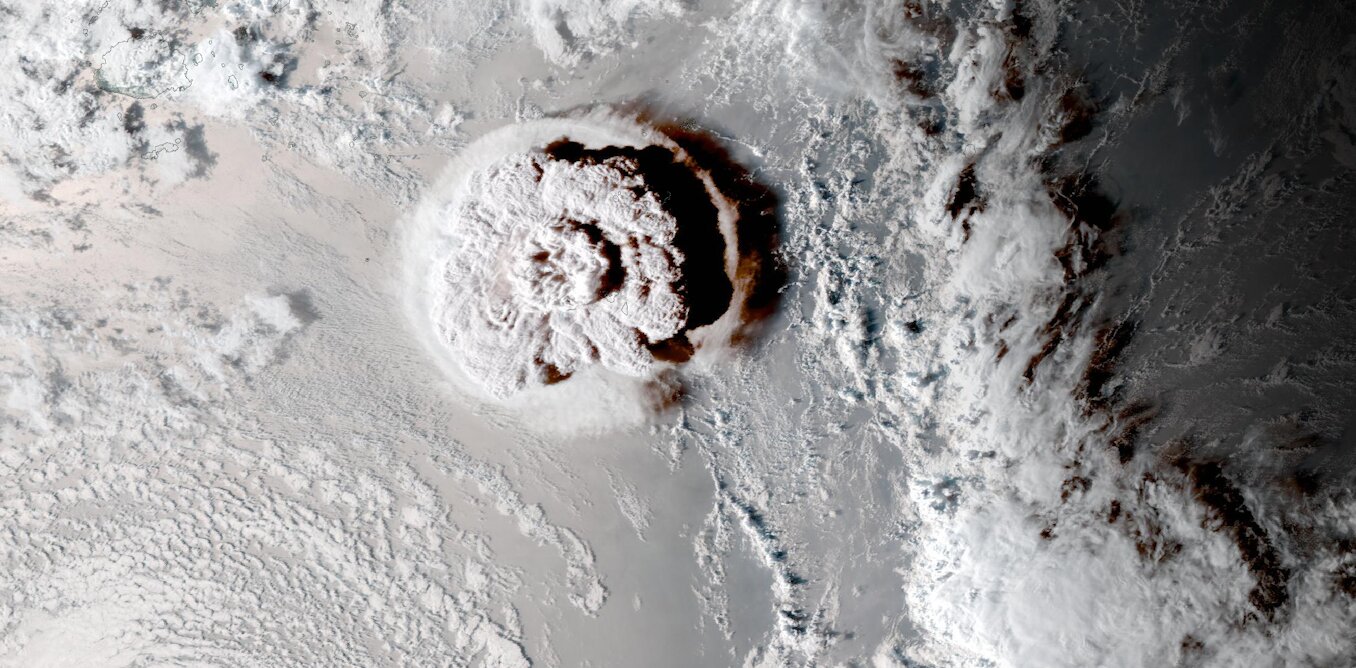
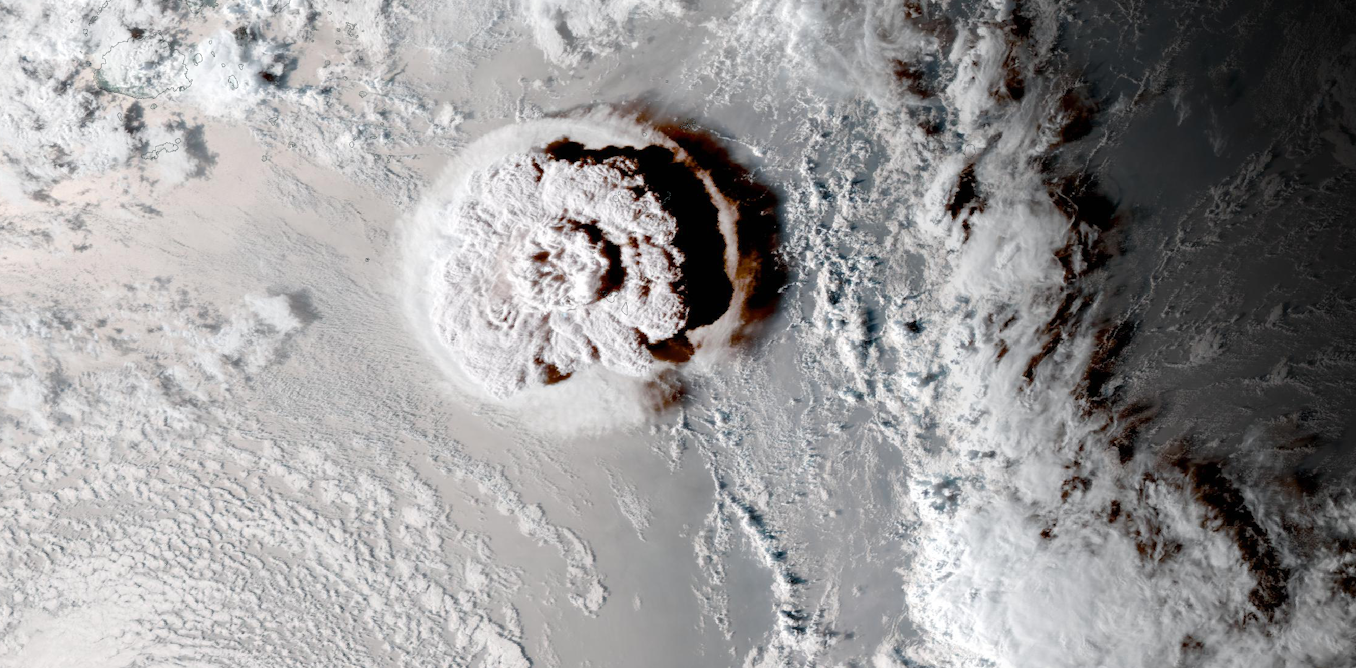
Scientists studying the 2022 Hunga Tonga eruption found a high-altitude chemical reaction—driven by volcanic ash, seawater salt, and sunlight—that produced chlorine radicals capable of destroying methane in the stratosphere. Satellites tracked a lasting formaldehyde signal and estimated about 900 tons/day of methane removal, though far more methane entered the atmosphere than was destroyed. The work shows methane oxidation can be measured from orbit, with implications for methane budgets and potential future deliberate removal.

Tonga Eruption Cooled the Stratosphere and Redrew How We Read the Sky
science21 days ago

Tonga Eruption Cooled the Stratosphere and Redrew How We Read the Sky

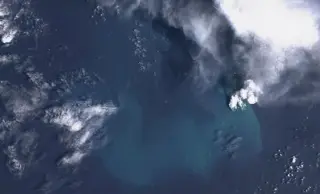
The January 2022 Hunga Tonga eruption sent roughly 146 teragrams of seawater vapor into the stratosphere, cooling that atmospheric layer by about 0.5–1°C rather than warming it, and leaving no clear imprint on global surface temperatures in 2023–2024. The eruption's depth (about 490 feet below sea level) let magma vaporize seawater and fuel the plume, which reached the mesosphere and generated planetary-scale pressure waves and a Mediterranean meteo-tsunami. The event injected more water vapor than any prior eruption and, because the moisture persists, it is expected to influence atmospheric chemistry into the late 2020s, reshaping how scientists model volcanic impacts on the climate.

Insta360 Camera Explores Space to Inspire the 'Overview Effect'
science-and-technology7 months ago

Insta360 Camera Explores Space to Inspire the 'Overview Effect'

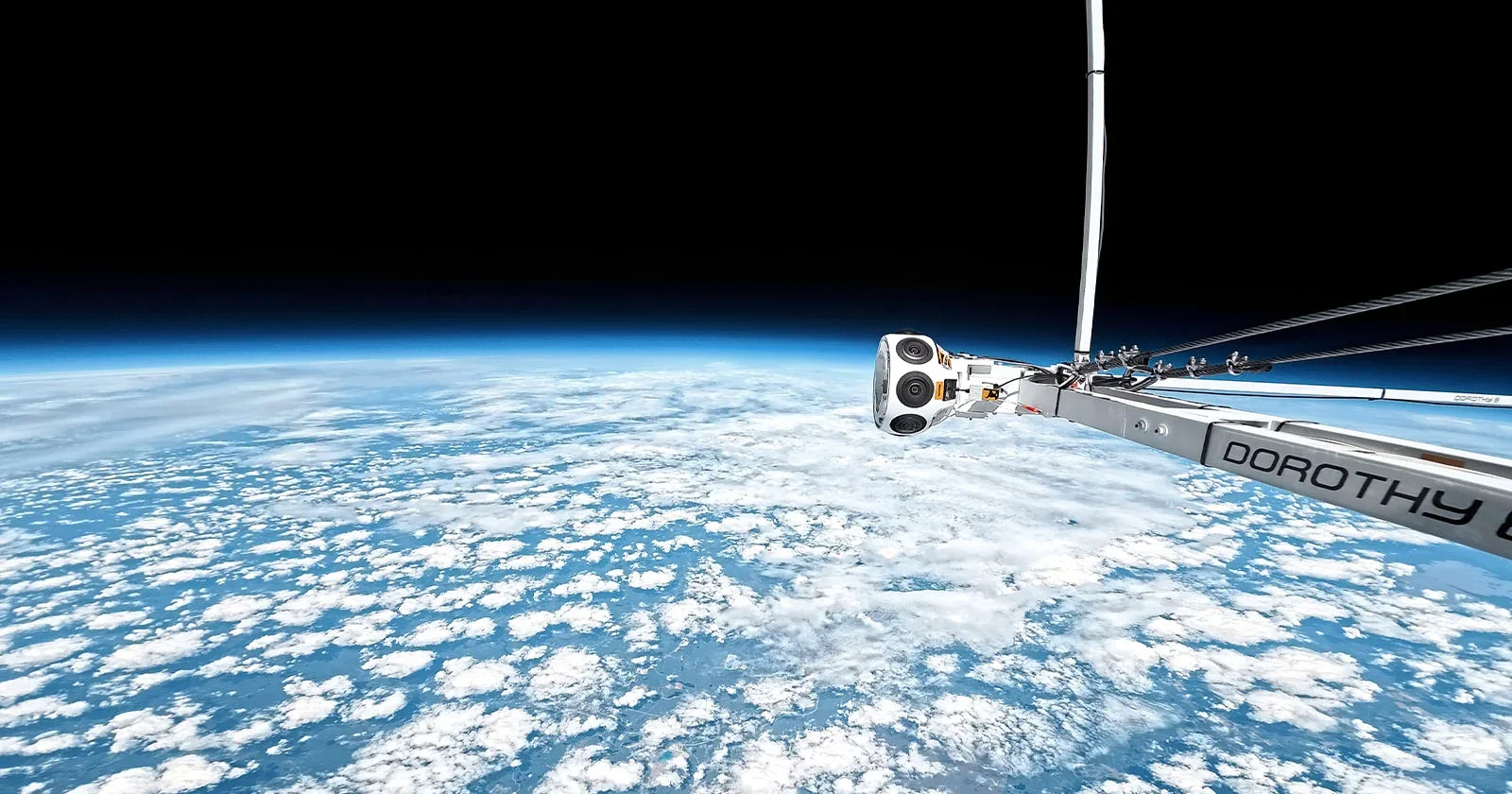
A team of scientists and artists sent a modified Insta360 camera to the edge of space to capture high-resolution images that aim to inspire a sense of global connection, inspired by the 'overview effect.' The 11K 360-degree camera, built for extreme conditions, was launched on a balloon reaching 20 miles above Earth, capturing stunning footage for documentaries and scientific use, despite some technical challenges during the flight.

"Tonga Eruption May Alter Global Weather Patterns for Decade: Study"
scienceenvironment2 years ago

"Tonga Eruption May Alter Global Weather Patterns for Decade: Study"

A new study reveals that the 2022 Hunga Tonga volcanic eruption, which released massive amounts of water vapor into the stratosphere, could cause unusual weather patterns for the rest of the decade. The eruption has been linked to the large ozone hole in 2023 and unexpected wet summers in Australia. The study predicts colder and wetter winters in northern Australia, warmer winters in North America, and colder winters in Scandinavia until 2029.

"Tonga Eruption May Alter Global Weather Patterns for Decade, Study Finds"
science-and-environment2 years ago

"Tonga Eruption May Alter Global Weather Patterns for Decade, Study Finds"

The 2022 eruption of the Hunga Tonga-Hunga Ha’apai volcano has had significant and unusual impacts on global weather patterns, including an enlarged ozone hole and unexpected wet summers. The eruption injected massive amounts of water vapor into the stratosphere, a potent greenhouse gas, which could affect weather patterns for the rest of the decade. Climate models predict colder and wetter winters for northern Australia, warmer winters for North America, and colder winters for Scandinavia until 2029.

"Burning Satellites: Impact on Climate and Ozone Layer"
science-and-technology2 years ago

"Burning Satellites: Impact on Climate and Ozone Layer"

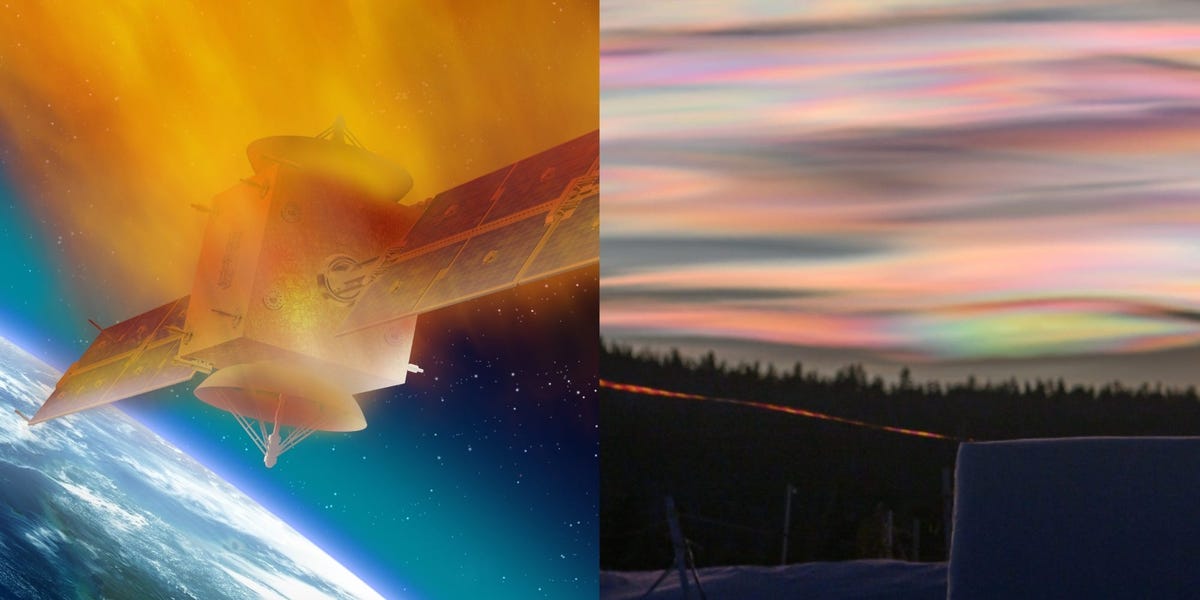
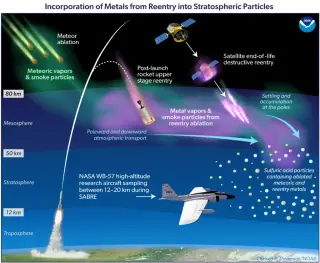
Satellites and spacecraft burning up in the atmosphere are leaving metal particles in the stratosphere, raising concerns about potential impacts on climate and the ozone layer. These particles could seed polar stratospheric clouds, potentially damaging the ozone layer. Scientists are worried about the implications of these particles, which could also affect cloud formation and climate. With the aerospace industry rapidly growing, understanding the effects of these particles is becoming increasingly urgent.

"Proposing Atmospheric Dehydration as a Solution to Global Warming"
climate-science2 years ago

"Proposing Atmospheric Dehydration as a Solution to Global Warming"

Scientists propose a climate intervention strategy to reduce water vapor in the stratosphere by injecting it with ice-forming nuclei, aiming to allow more heat to escape into space. The idea, described in a study published in Science Advances, targets a small amount of water vapor to mitigate the greenhouse effect. While models suggest the idea can work, technical challenges remain in implementing the strategy, and further research is needed to identify potential risks and unintended effects.

"Exploring Stratospheric Dehydration as a Climate Change Solution"
science2 years ago

"Exploring Stratospheric Dehydration as a Climate Change Solution"

Scientists are exploring the possibility of dehydrating the stratosphere to combat climate change by preventing water vapor from forming a barrier that traps heat in the atmosphere. By targeting a specific region above Australia with ice-nucleating particles, they aim to create short-lived clouds that fall to lower altitudes, reducing water vapor in the stratosphere. This approach could potentially offset a fraction of climate change-induced warming, but the details and potential side effects of the strategy remain uncertain.