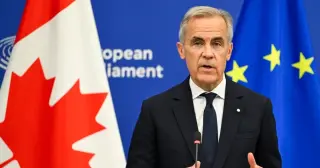
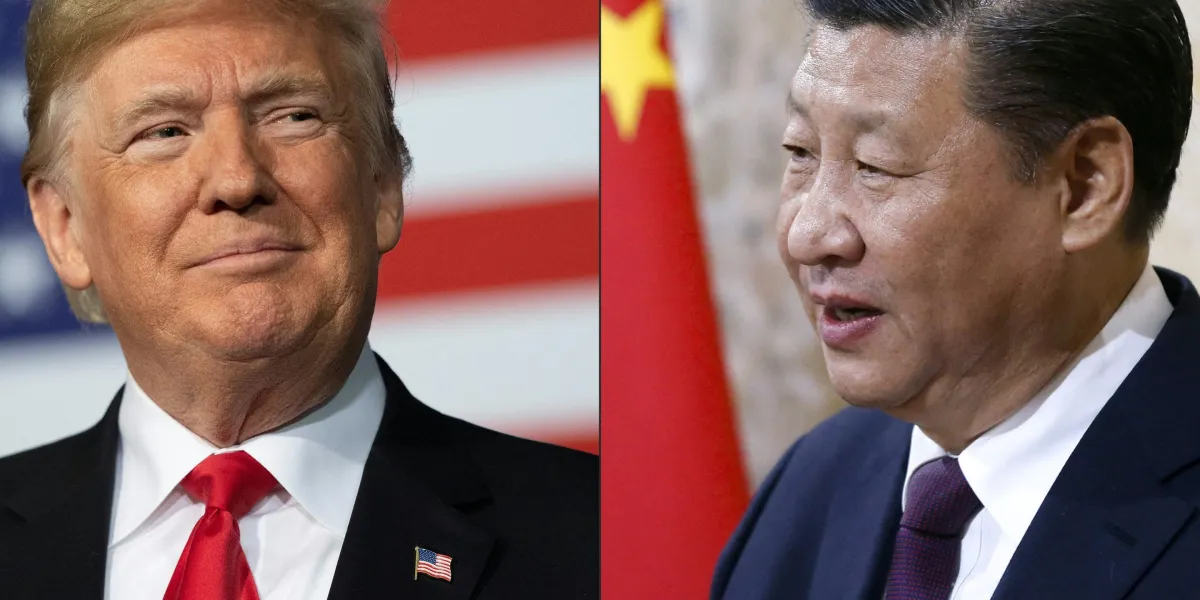
European Commission President Ursula von der Leyen proposed 'associate membership' for Canada, a status not currently defined in EU treaties. Prime Minister Mark Carney welcomed the idea as a strategic alliance, while Donald Trump threatened retaliatory tariffs, calling the move a 'hostile act.'
Prime Minister Mark Carney has welcomed the European Union's proposal to make Canada its first 'associate member,' a status that does not currently exist in EU law. The move, announced during Carney's address to the European Parliament, aims to deepen cooperation on defense, energy, and critical minerals while facilitating people-to-people ties. This pivot toward Europe is driven by escalating trade tensions with the United States, where President Donald Trump has threatened 'heavy tariffs' on the EU if it proceeds with Canada. While 80% of Canadians support closer EU ties, the proposal faces significant hurdles, including the need for unanimous approval from all 27 EU member states and skepticism from Canadian opposition leaders.
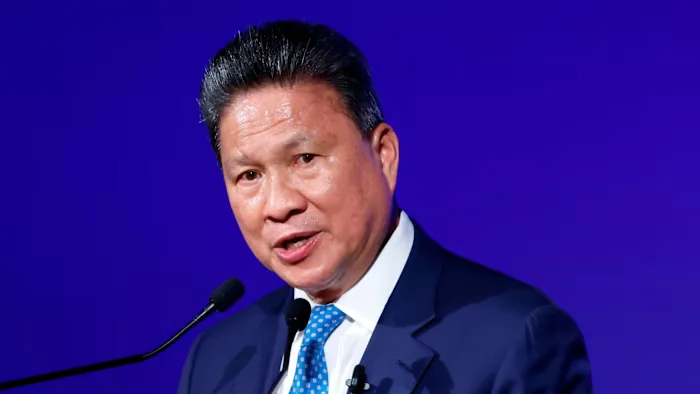
Cambodia says it will reduce its reliance on China, its largest donor and trading partner, as it shields its economy from US–China tensions by courting new investment from the US, Europe and others and seeking export markets beyond the US, while preparing for tougher US-origin rules on inputs.
Treasury Secretary Scott Bessent indicated that the US and China are moving towards de-escalating their trade tensions, with China expected to make substantial soybean purchases and avoid an additional 100% tariff, while some export restrictions may remain in place.
China is adopting US-style trade and export control measures, including export approval requirements for rare earths and establishing legal tools like the unreliable entity list, as a response to US tariffs and sanctions, signaling a tit-for-tat escalation in the ongoing trade war between the two nations.
China has implemented new export controls on rare earths, requiring foreign firms to obtain approval for exporting magnets containing Chinese-origin materials, mirroring US trade practices and strategies in a broader trade war context, as Beijing adopts tools similar to those used by Washington to restrict access to technology and retaliate against US measures.
China is adopting US-style trade and export control measures, including export approval requirements for rare earths and establishing legal tools like the unreliable entity list, as a response to US tariffs and sanctions, signaling a tit-for-tat escalation in their ongoing trade conflict.
Despite US tariffs, China's exports to the US have declined but it has successfully increased exports to other regions like the EU, leading to overall export growth and better-than-expected economic performance, which may influence ongoing trade negotiations.
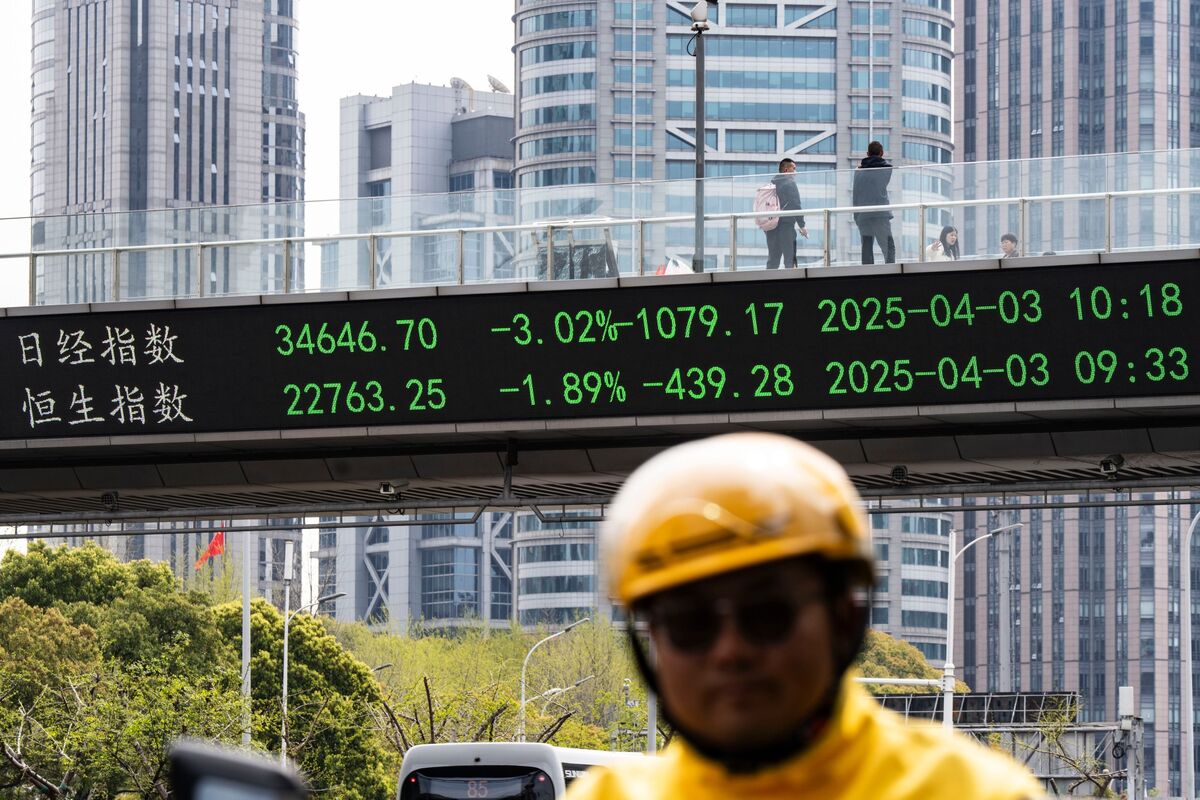
The prospect of a renewed US-China trade war, with threats of increased tariffs and export controls, has caused Chinese stocks and the yuan to decline, threatening the year's rally and adding uncertainty to global markets, though some analysts believe the market may rebound after initial declines.
Chinese President Xi Jinping and Indian Prime Minister Narendra Modi met to strengthen ties amid US trade tensions, discussing border issues, trade cooperation, and global partnerships, signaling a move towards improved relations after years of strain.
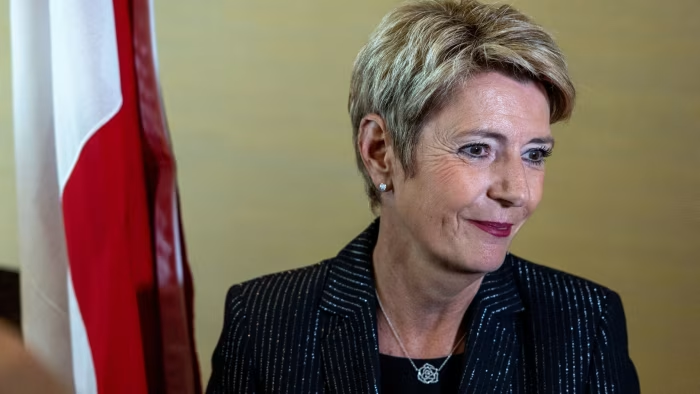
Switzerland's president and economy minister are heading to Washington to negotiate a more attractive tariff offer to reduce the steep 39% tariffs imposed by the US, which were triggered by concerns over the US-Switzerland trade deficit. The Swiss delegation aims to address US concerns and potentially revise their offer, amid ongoing trade tensions and negotiations.
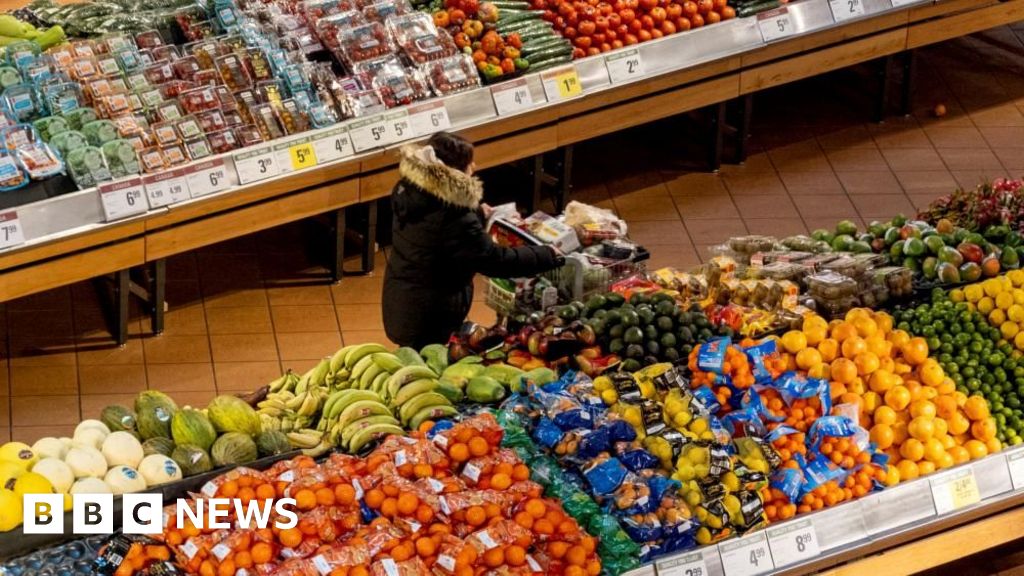
The US-Canada trade war has led to increased tariffs, raising prices on various goods in Canada, including appliances, cars, groceries, clothing, and building materials, impacting consumers and the housing sector.
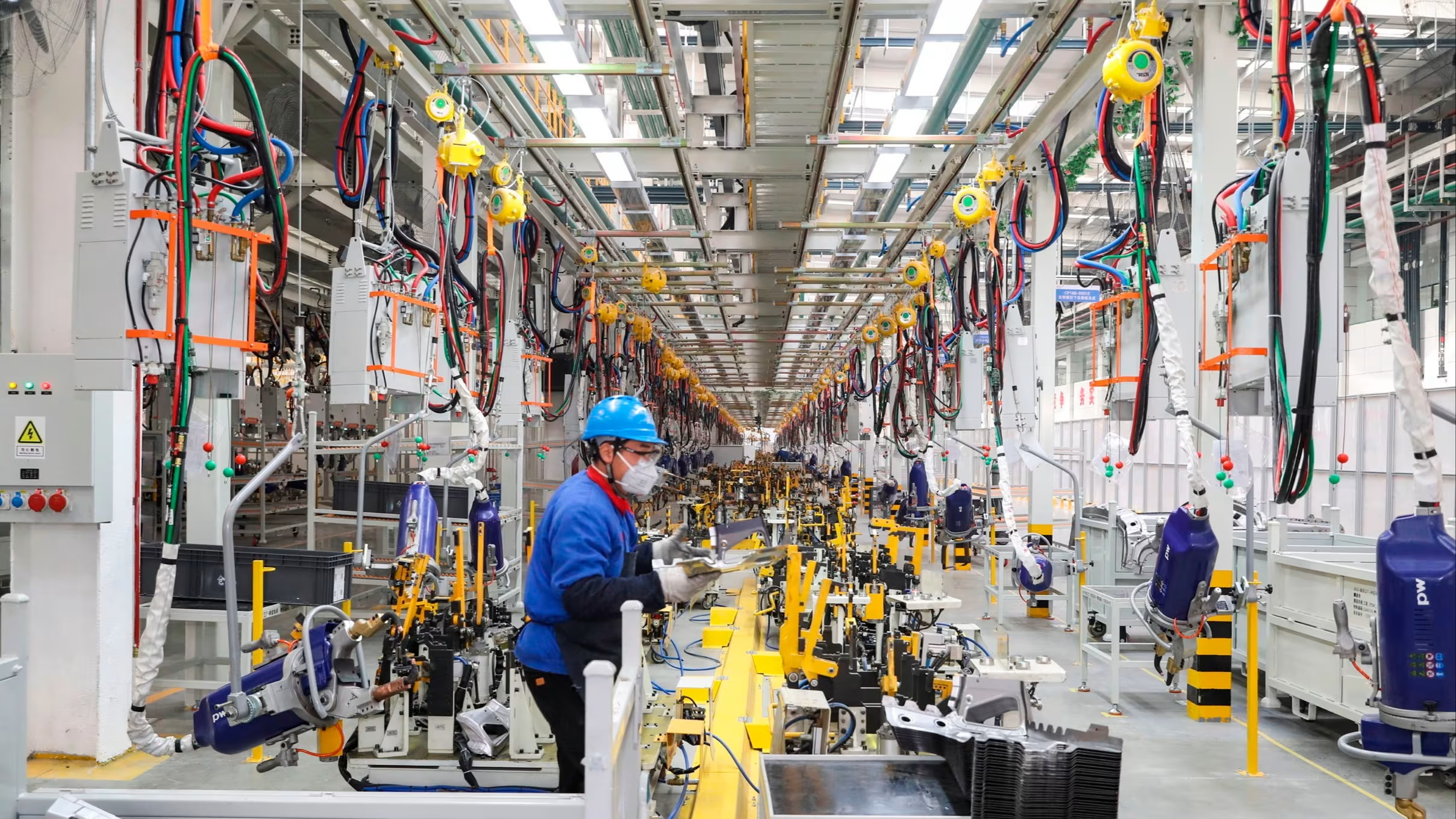
China's factory gate prices have declined, reflecting the economic impact of the US trade war, which is contributing to inflationary pressures and affecting China's manufacturing sector.