Tag

Vera Rubin Observatory

All articles tagged with #vera rubin observatory

Tiny Space Rocks, Big Risks: The Decameter Asteroid Threat
science11 days ago

Tiny Space Rocks, Big Risks: The Decameter Asteroid Threat

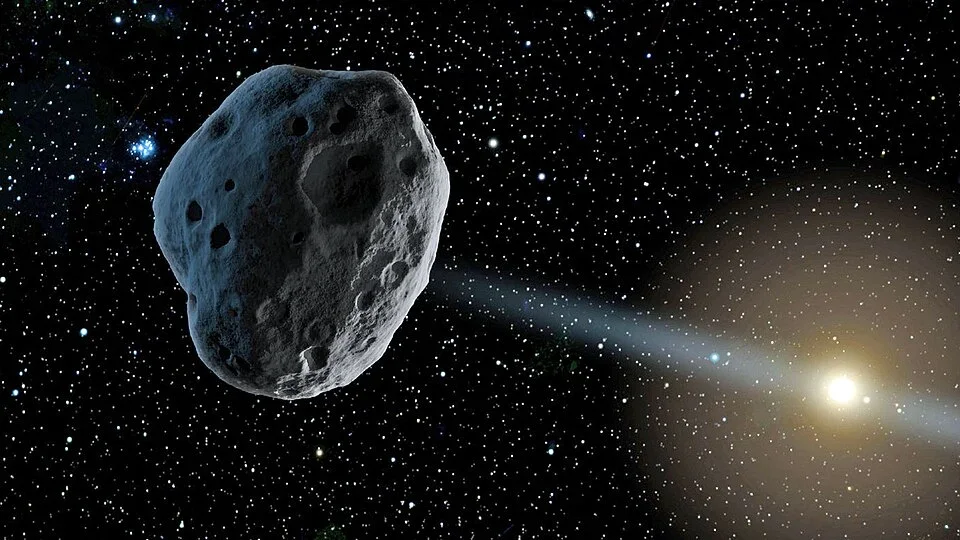
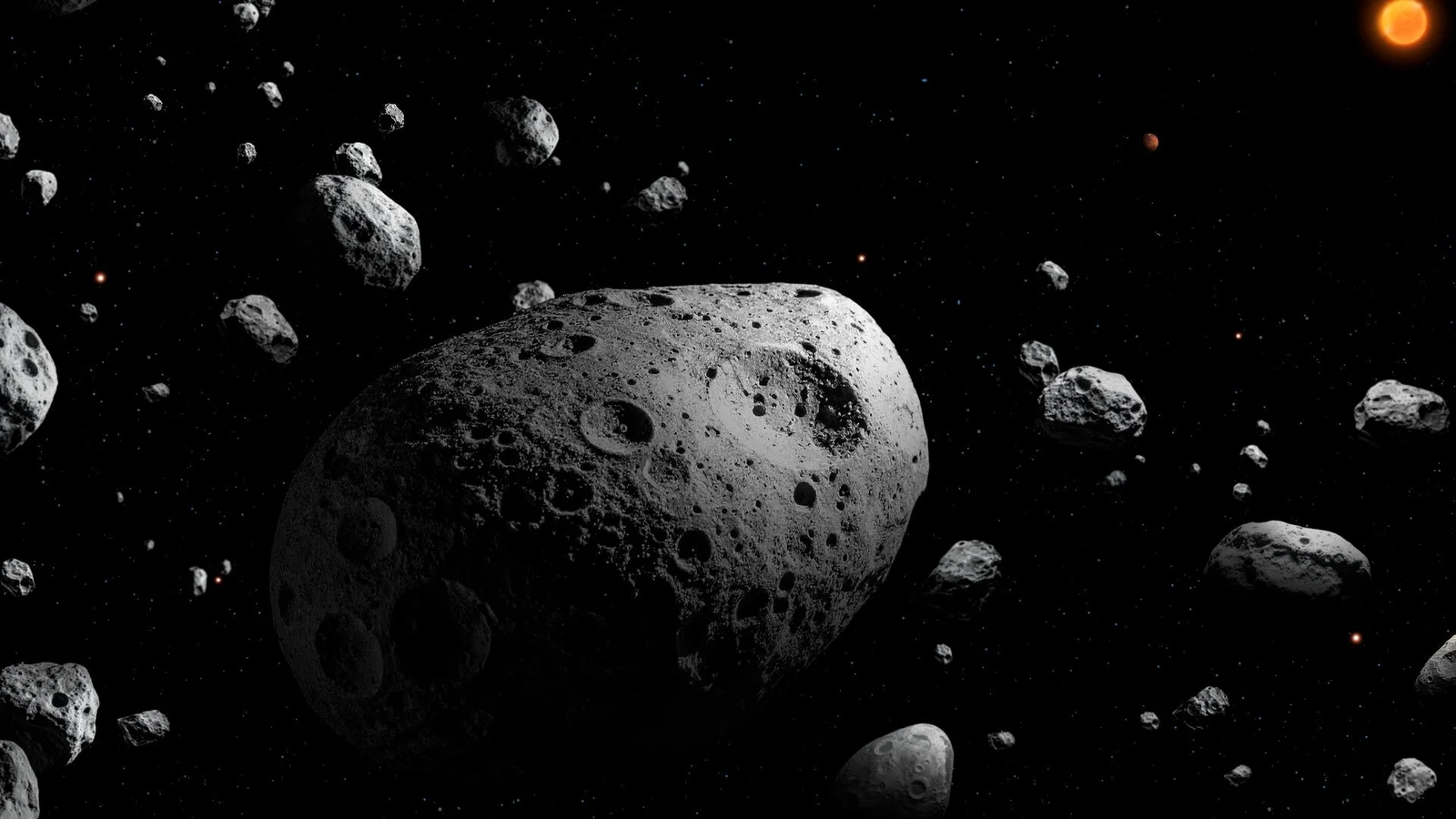
MIT researchers warn that decameter-scale asteroids (tens of meters across) strike Earth every few decades, potentially causing 8–10 megaton airbursts, disrupting satellites and possibly triggering the Kessler debris cascade; detection is hard due to low reflectivity, but JWST has aided tracking and Vera Rubin will find more, while MIT is building a follow-up telescope network—though there is currently no global framework to defend against such threats.

Bus-sized asteroid 2026 EG1 to skim past Earth in a near-miss
space1 month ago

Bus-sized asteroid 2026 EG1 to skim past Earth in a near-miss

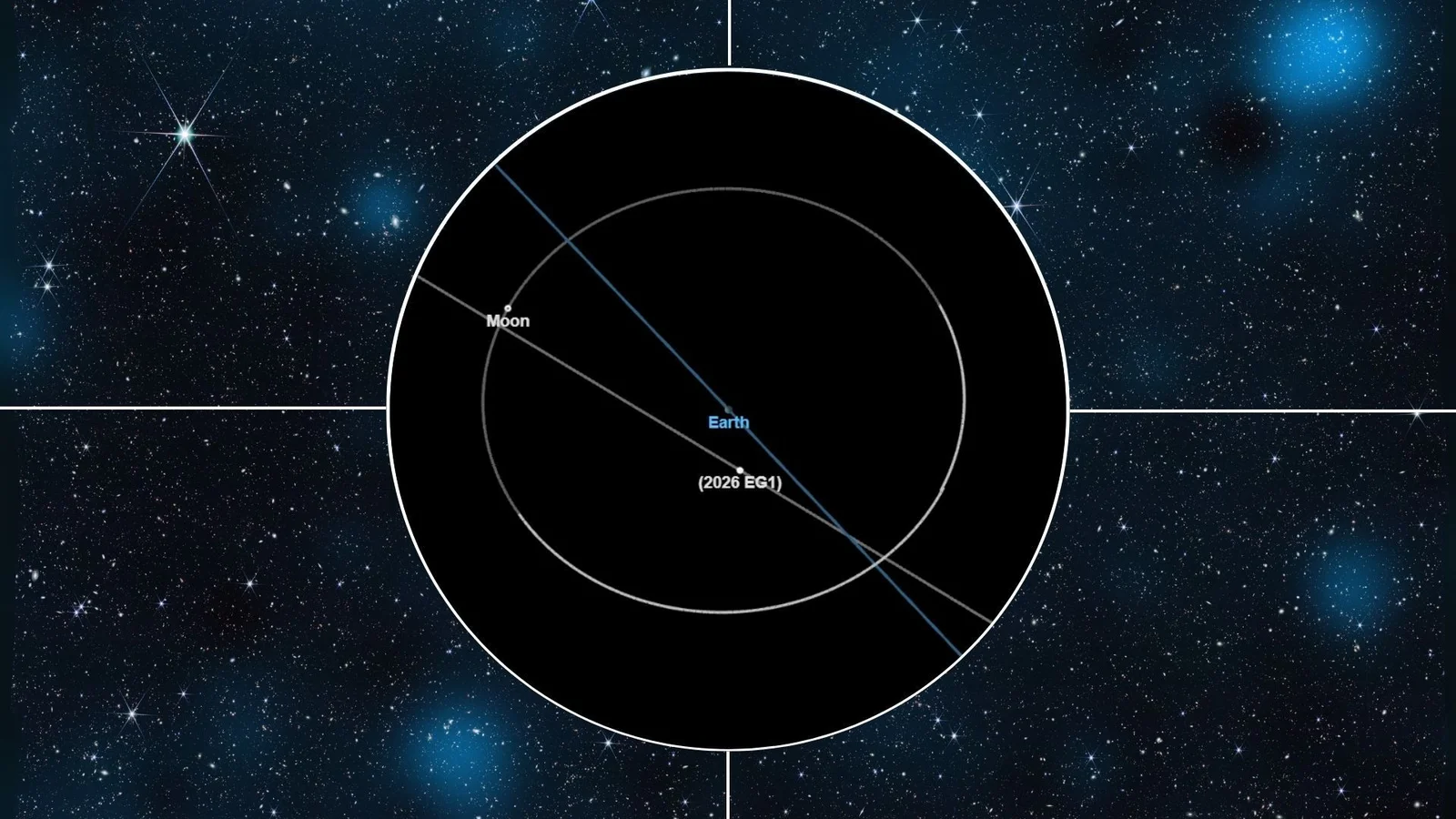
A newly discovered bus-sized asteroid named 2026 EG1, about 10–22 meters across, will pass within about 1 lunar distance of Earth late on March 12 (closest approach around 11:27 p.m. EDT / 0327 GMT March 13), traveling at roughly 21,513 mph. Discovered March 8, it poses no threat; NASA tracks thousands of near-Earth objects and continues defense planning with help from observatories like Vera Rubin.

Rubin Observatory Unleashes Real-Time Sky Alerts, 800,000 Notifications Overnight
space-and-spaceflight1 month ago

Rubin Observatory Unleashes Real-Time Sky Alerts, 800,000 Notifications Overnight

The Vera C. Rubin Observatory kicked off its real‑time alert system, dispatching 800,000 sky-change notifications to researchers worldwide in its first run. The alerts flagged events like supernovae, asteroids, variable stars, and active galactic nuclei, and are powered by the Alert Production Pipeline designed to scale up to about 7 million alerts per night, enabling rapid follow‑up observations as the Legacy Survey of Space and Time proceeds.

Vera Rubin Observatory's groundbreaking cosmic discoveries revolutionize astronomy
science8 months ago

Vera Rubin Observatory's groundbreaking cosmic discoveries revolutionize astronomy

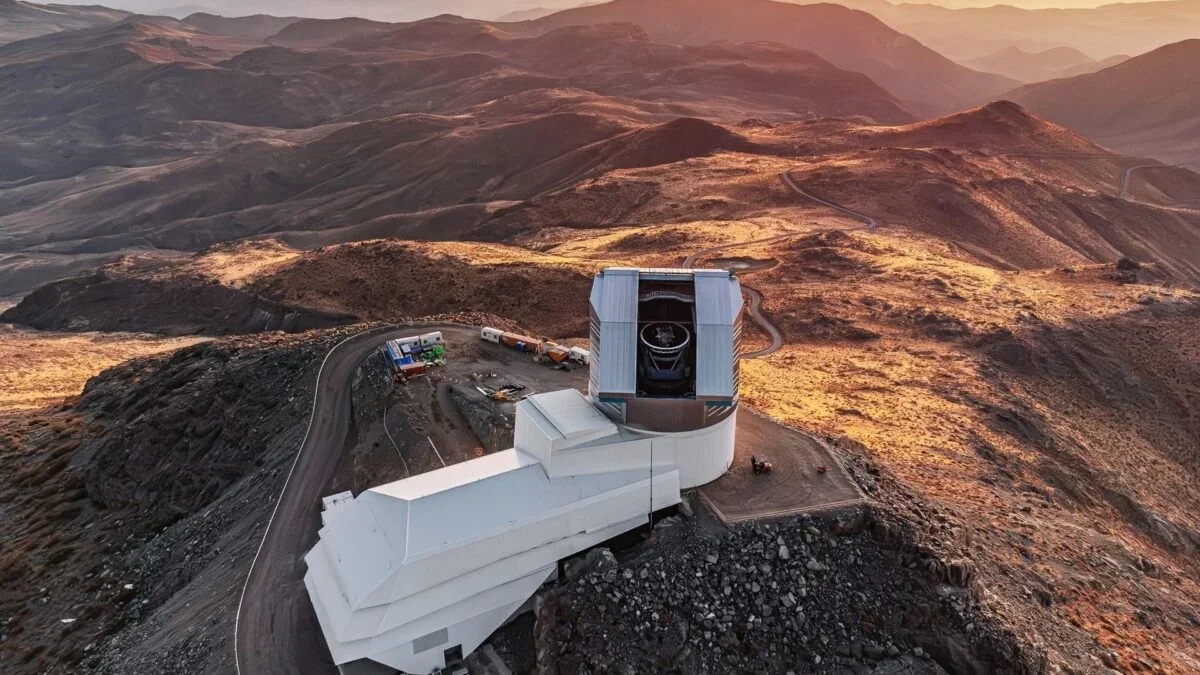
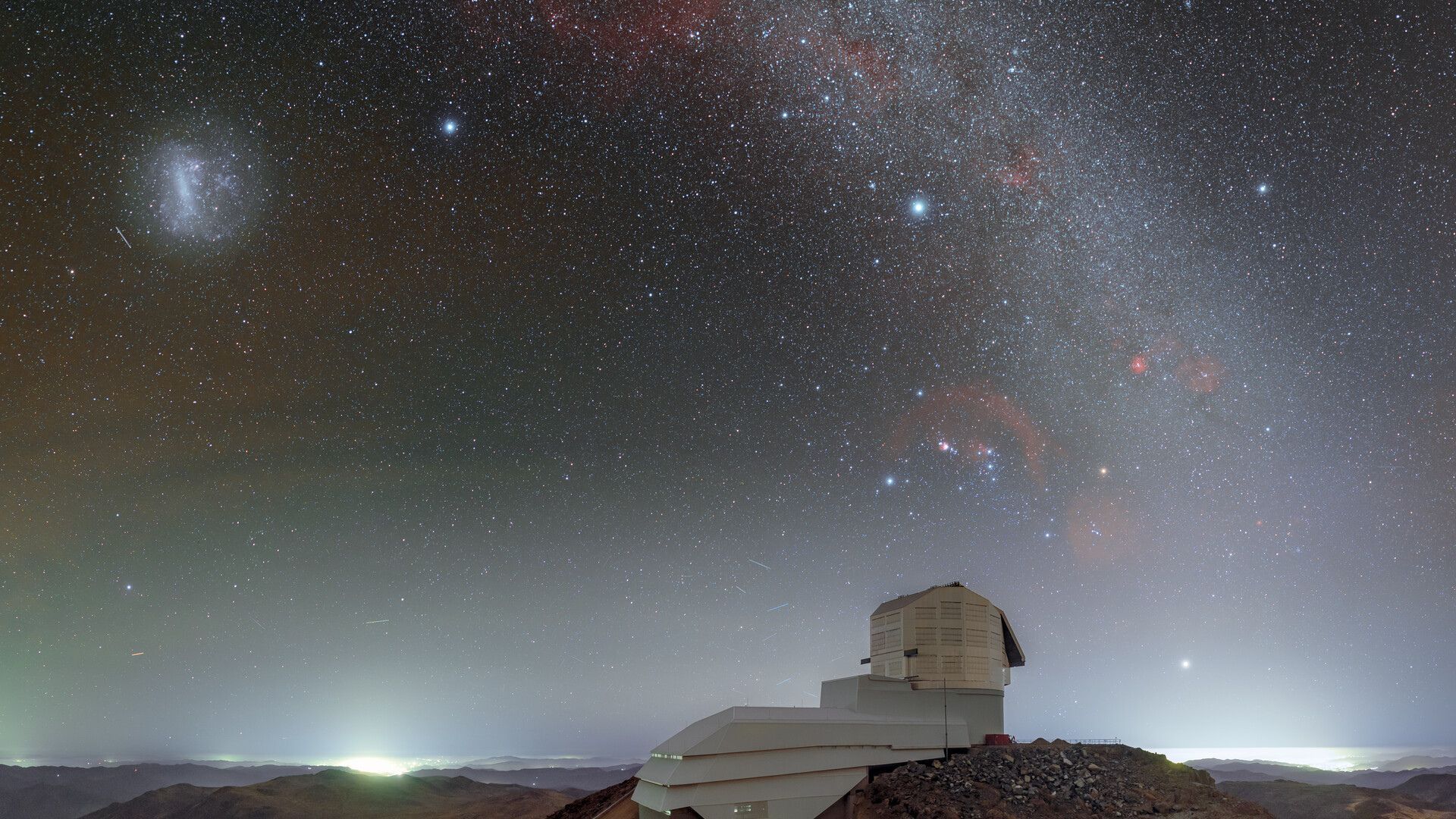
The NSF–DOE Vera C. Rubin Observatory in Chile has unveiled its first images, showcasing its powerful wide-field imaging capabilities designed to survey the southern sky extensively, identify countless celestial objects, and advance our understanding of cosmic phenomena like dark matter and dark energy, while generating vast amounts of data for scientific research.

Desert Telescope Unveils Unseen Galaxies
science9 months ago

Desert Telescope Unveils Unseen Galaxies

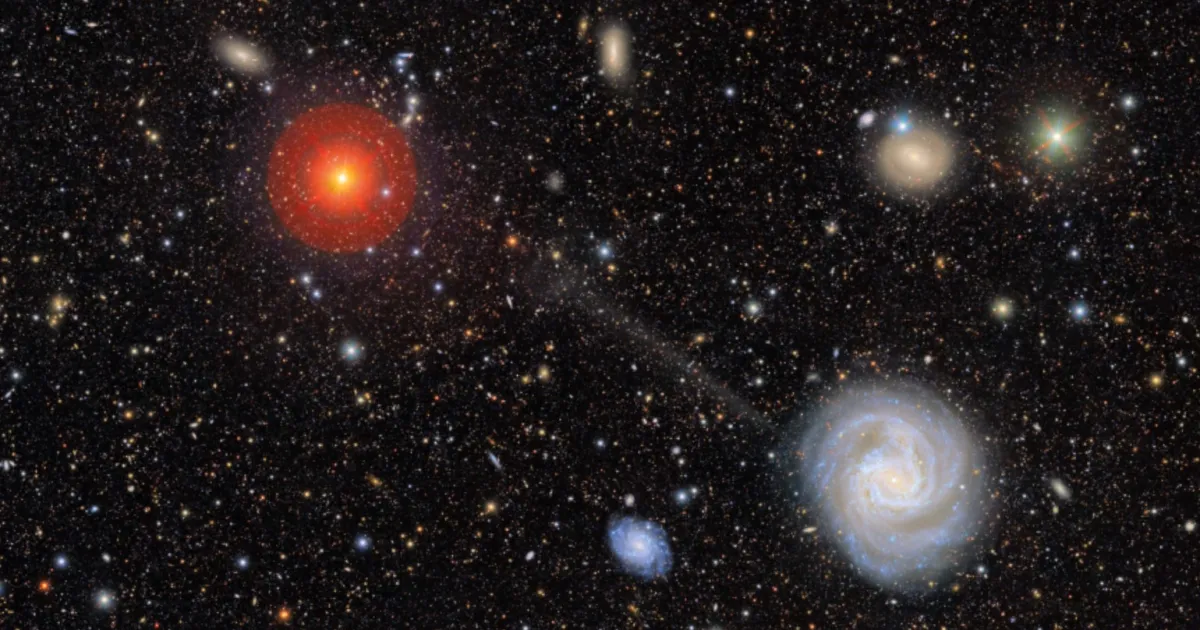
The Vera Rubin Observatory in Chile has released its first images after a decade of construction, showcasing its powerful capabilities to scan the night sky and discover new galaxies, dark matter, and asteroids over a 10-year survey, revolutionizing ground-based astronomy with its vast coverage and high-resolution imaging.

Vera Rubin Observatory's First Images and Its Cosmic Discovery Potential
science9 months ago

Vera Rubin Observatory's First Images and Its Cosmic Discovery Potential

The Vera Rubin Observatory, with its wide-field, high-resolution, and rapid imaging capabilities, is poised to revolutionize our understanding of the universe by solving cosmic puzzles such as the nature of dark energy, the Hubble tension, and discovering new transient phenomena through time-domain astronomy, while also enabling rapid follow-up observations with other telescopes.

Vera Rubin Observatory Unveils Spectacular Cosmic Images and Discovers Thousands of Asteroids
science9 months ago

Vera Rubin Observatory Unveils Spectacular Cosmic Images and Discovers Thousands of Asteroids

The Vera Rubin Observatory in Chile has debuted its first images, showcasing its powerful 3.2 gigapixel camera capable of capturing vast sections of the night sky. It aims to detect near-Earth asteroids for planetary defense and conduct the Legacy Survey of Space and Time to study dark energy, dark matter, and cosmic changes over ten years. Priced at $473 million, it complements other telescopes like the James Webb Space Telescope by providing wide-field, high-resolution images that can guide future detailed studies. Its initial images include stunning views of nebulae and galaxy clusters, marking a significant advancement in astronomical observation.