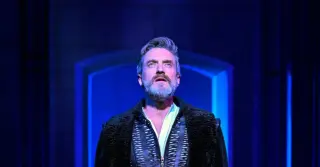
Galileo Musical Unveils Full Broadway Cast and High-Altitude Song Preview
The new musical 'Galileo' has finalized its Broadway cast and released a high-altitude performance preview ahead of its November 10 start at the Shubert Theatre.

All articles tagged with #galileo
The new musical 'Galileo' has finalized its Broadway cast and released a high-altitude performance preview ahead of its November 10 start at the Shubert Theatre.
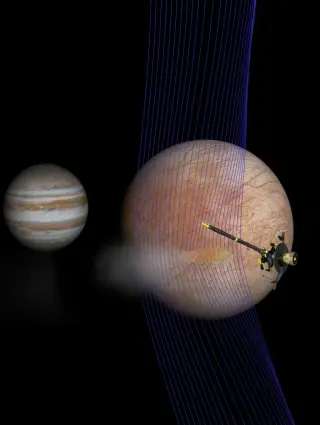
NASA steered the Galileo orbiter into Jupiter in 2003 on a controlled, propellant-limited end to prevent possible Earth microbes from contaminating Europa, which magnetic data and geology make a strong case for a deep salty ocean beneath its icy shell. The disposal occurred without sterilization proof, prioritizing future measurements and the protection of a potentially habitable world over extending the mission.
In 1610 Galileo used a telescope to observe four moons orbiting Jupiter, providing observable evidence against the geocentric view that everything revolved around Earth and marking a turning point toward heliocentrism, even though the shift unfolded gradually and with resistance.
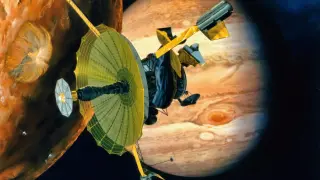
NASA kept the Galileo spacecraft alive for 14 years despite a jammed antenna and brutal radiation, then deliberately steered it into Jupiter in 2003 to destroy it—not because it failed but to prevent Earth microbes from contaminating Europa, where data showed a likely subsurface saltwater ocean. The decision cemented planetary protection as a core principle, guiding missions like Europa Clipper and JUICE to study possible ocean worlds without risking contamination, illustrating how discovery can carry protective costs for future exploration.
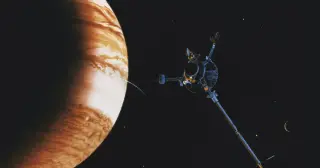
When Galileo’s large high-gain antenna failed to deploy in 1991, NASA and the ground team rewrote onboard and ground software, upgraded the Deep Space Network, and compressed data to squeeze its flagship science through a low-gain antenna. The workaround let Galileo return substantial science from Jupiter (arriving in 1995 and operating until 2003), including studies of its atmosphere, Io’s volcanism, and evidence supporting a subsurface ocean on Europa, albeit at data rates far lower than originally planned.
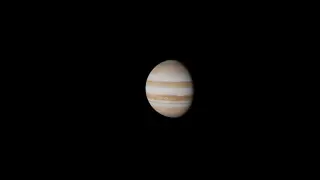
In 2003 NASA deliberately crashed the Galileo spacecraft into Jupiter to prevent a potential contaminant from a drifting probe reaching Europa, after data suggested a subsurface salty ocean on Europa (and discoveries about other Jovian moons). The decision reflected planetary-protection rules: if a world could harbor life, a failing or abandoned spacecraft must not risk introducing Earth biology. Galileo’s extended mission delivered key findings about Europa, Ganymede, and Callisto, and its disposal set a precedent for how future outer-planet missions are planned to avoid contaminating ocean worlds like Europa.
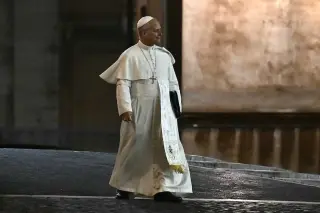
Pope Leo XIV visits Rome’s La Sapienza University to deliver a major address on faith and reason, symbolically mending Benedict XVI’s canceled 2008 trip amid the Galileo controversy and ongoing science–religion dialogue. The trip recalls past misreadings of Benedict’s remarks and highlights a history of contentious debate giving way to constructive discourse, including exchanges with mathematician Piergiorgio Odifreddi. The visit also sets the stage for Leo XIV’s anticipated encyclical Magnifica Humanitas, underscoring a unified vision of “magnificent humanity” where science and ethics inform each other."
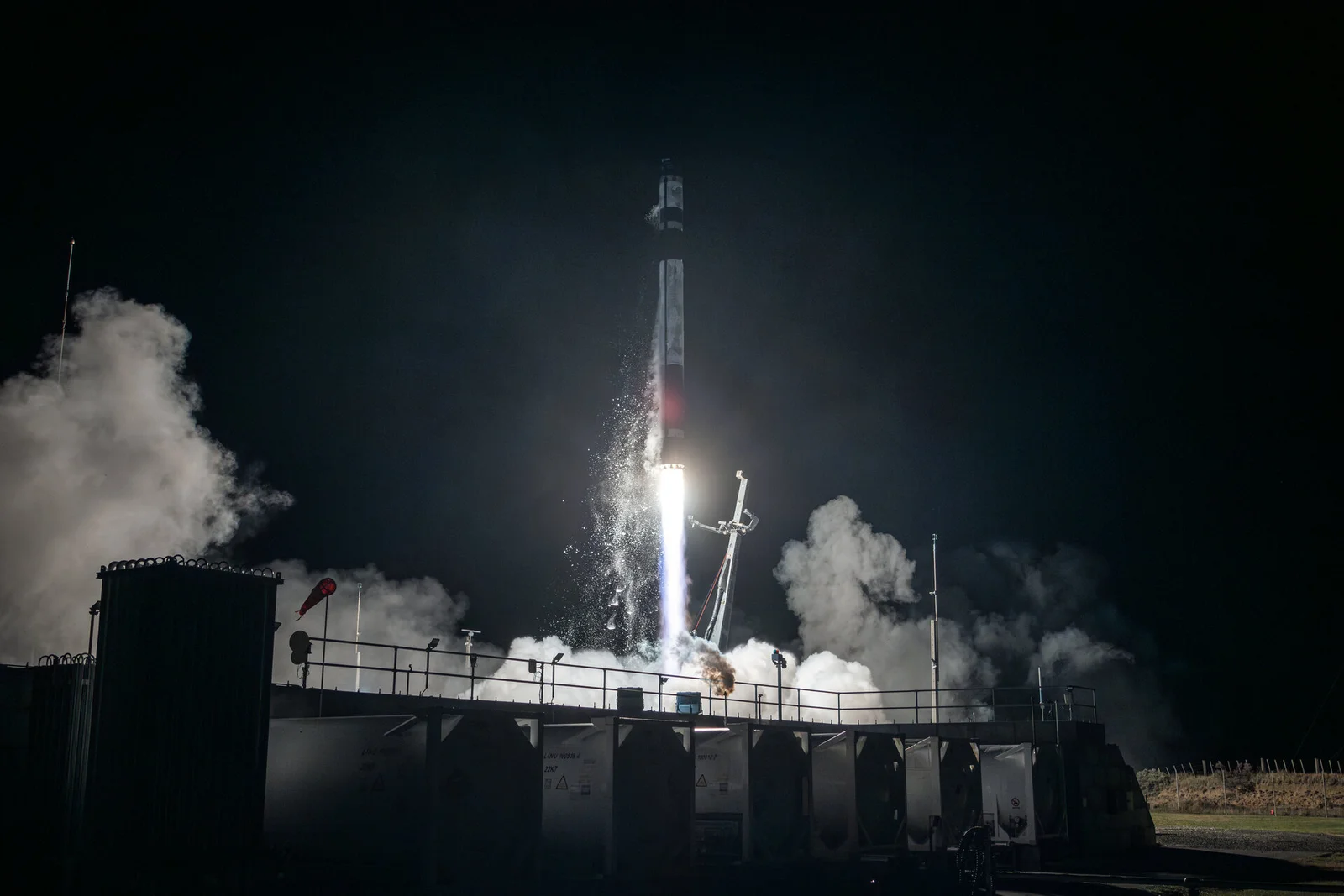
Two Celeste satellites (IOD‑1 and IOD‑2) were launched from New Zealand to validate a low‑Earth‑orbit navigation layer intended to complement Europe’s Galileo system, paving the way for an 11‑satellite constellation by 2027 and testing L‑ and S‑band signals for resilient positioning across diverse use cases.
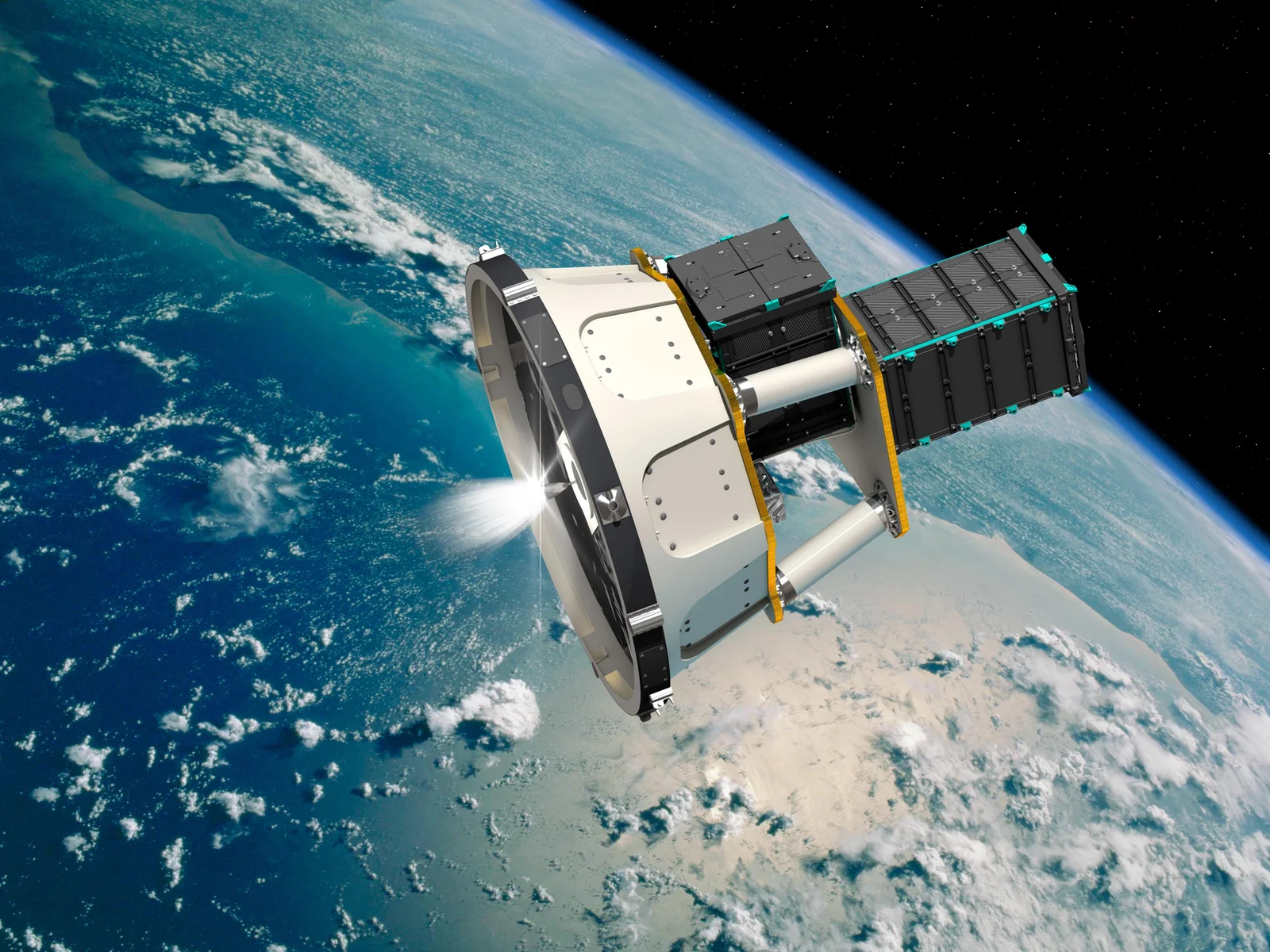
ESA will launch the Celeste LEO-PNT demonstration on 25 March from New Zealand’s Māhia Launch Complex, sending two satellites to test new navigation signals in low Earth orbit to complement Galileo and improve resilience; live coverage begins 09:53 CET with liftoff at 10:14 CET.
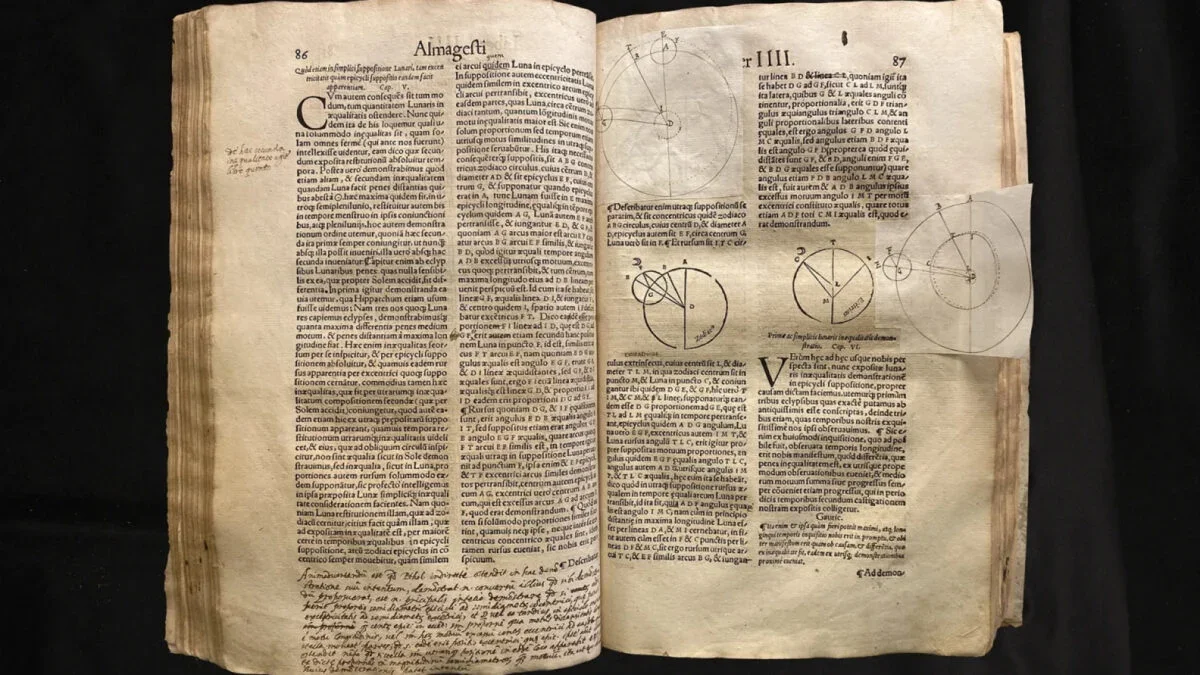
An Italian historian has found a 1551 copy of Ptolemy’s Almagest with notes in likely Galileo’s handwriting, dated around 1590 and confirmed by handwriting experts, suggesting Galileo used Ptolemy’s mathematical framework to develop Copernican ideas rather than reject ancient wisdom outright; the find is to be studied further in the Journal for the History of Astronomy and highlighted by the National Central Library of Florence.
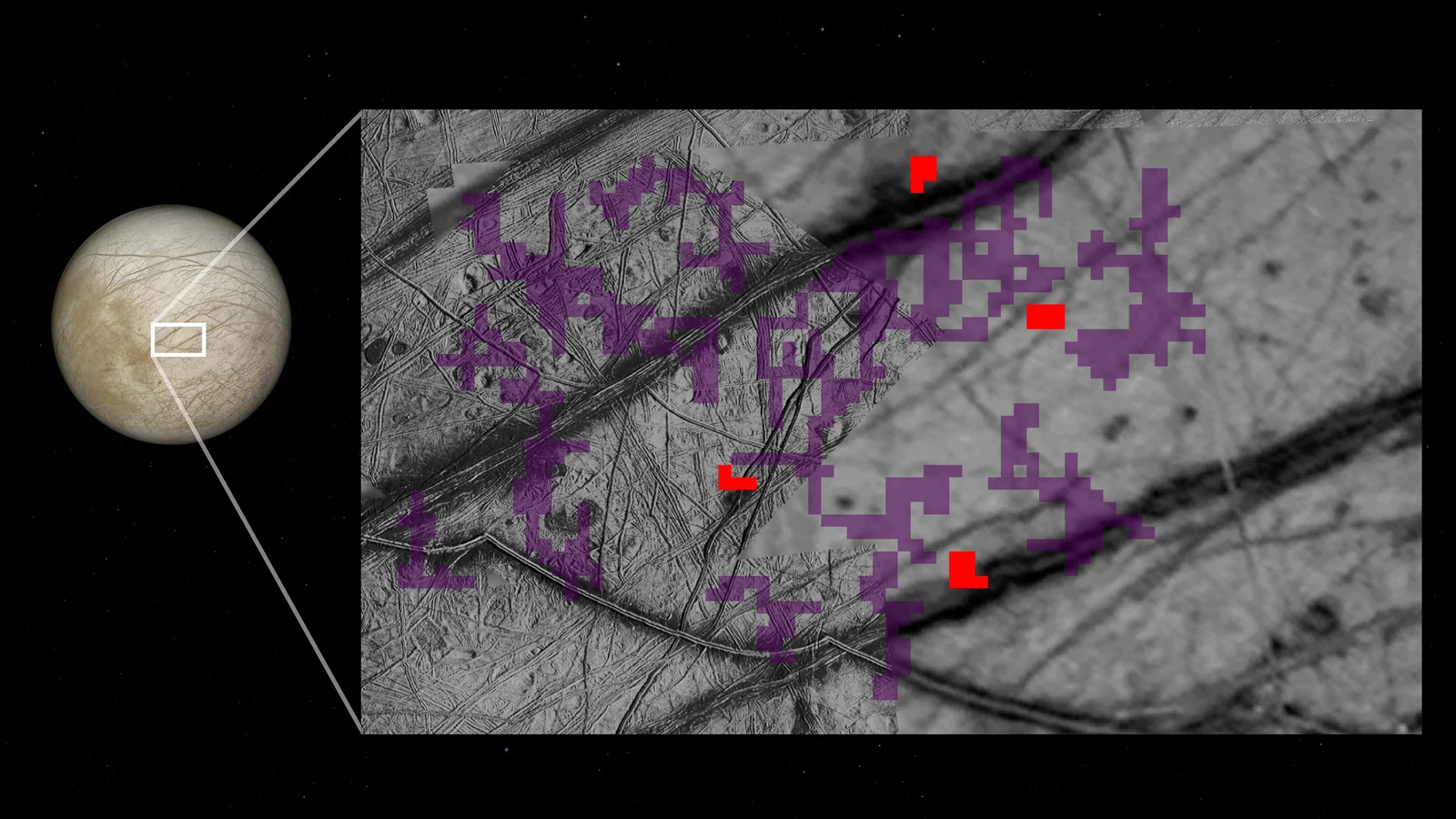
A new look at Galileo data detected faint ammonia near Europa’s fractures, implying a subsurface ocean or ammonia-laden shallow layers and boosting the case for habitability; the upcoming Europa Clipper mission will continue to search for chemical signs of life.
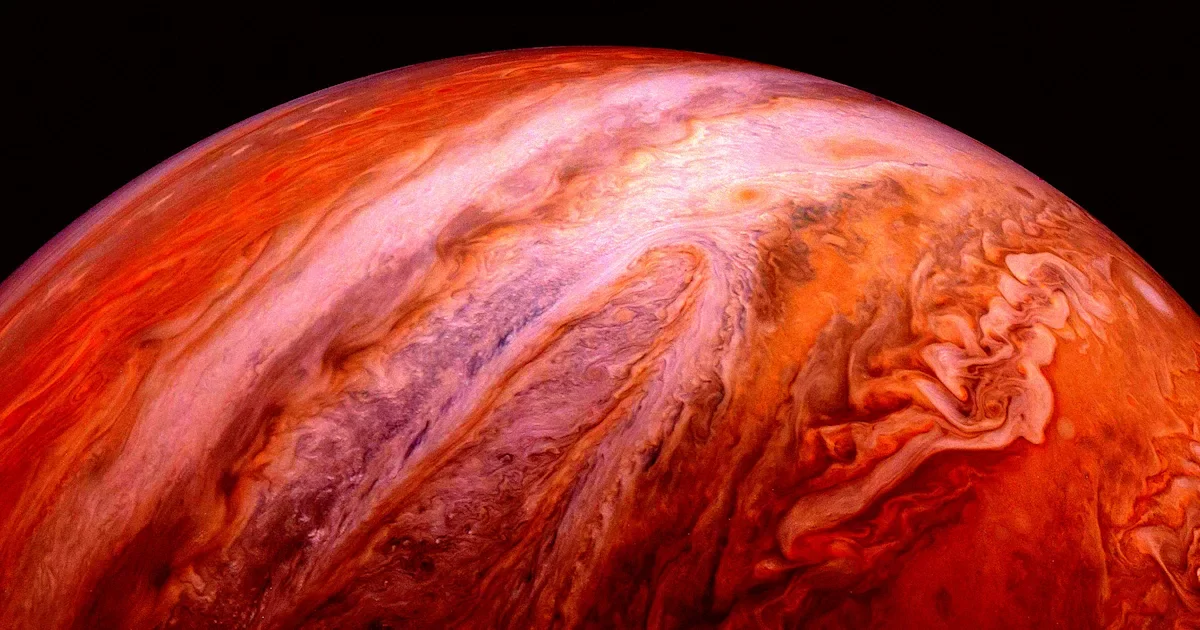
Using a high-detail computational model that combines chemistry and hydrodynamics with data from NASA's Juno and Galileo missions, researchers estimate Jupiter contains about 1.5 times the Sun's oxygen, supporting icy-material formation theories; the model also finds gas diffusion is far slower than previously thought, highlighting how much remains unknown about the giant planet's interior.
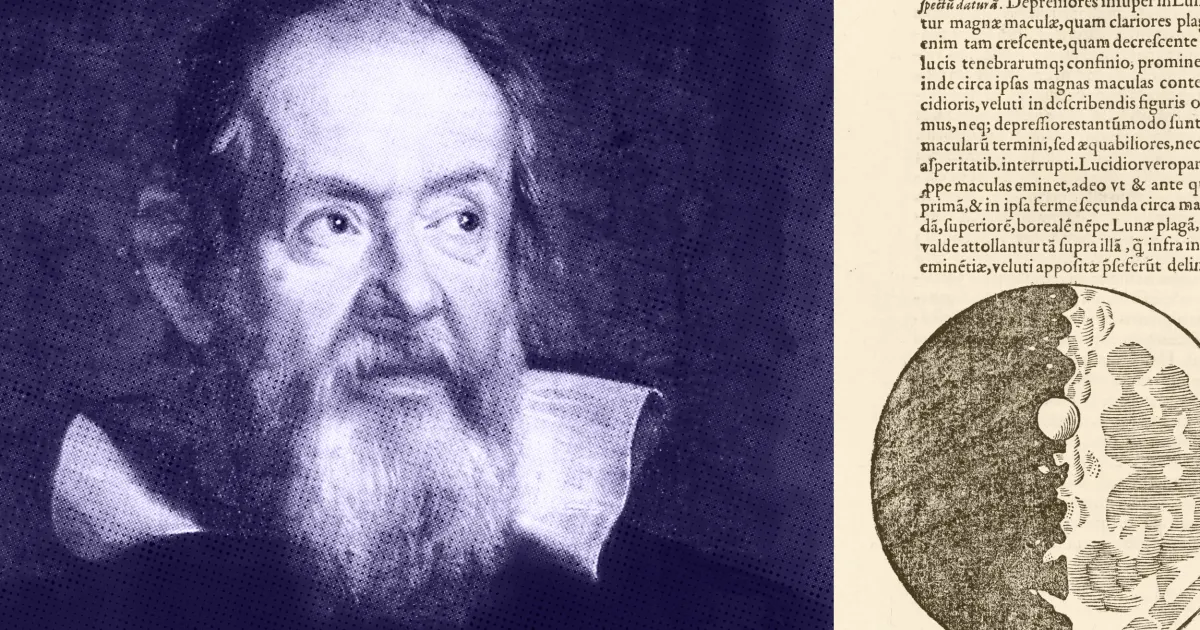
A visit to the Galileo Museum in Florence left the author in awe of the historical significance of Galileo's original experiments, which laid the foundation for modern science. The museum showcases artifacts like the inclined plane and telescopes used by Galileo, highlighting the painstaking efforts that led to groundbreaking discoveries in physics and astronomy. The experience underscored the long, complex journey of scientific progress and its impact on shaping a world free from superstition, while also reminding us of our responsibility to build on this legacy in addressing contemporary challenges like climate change.
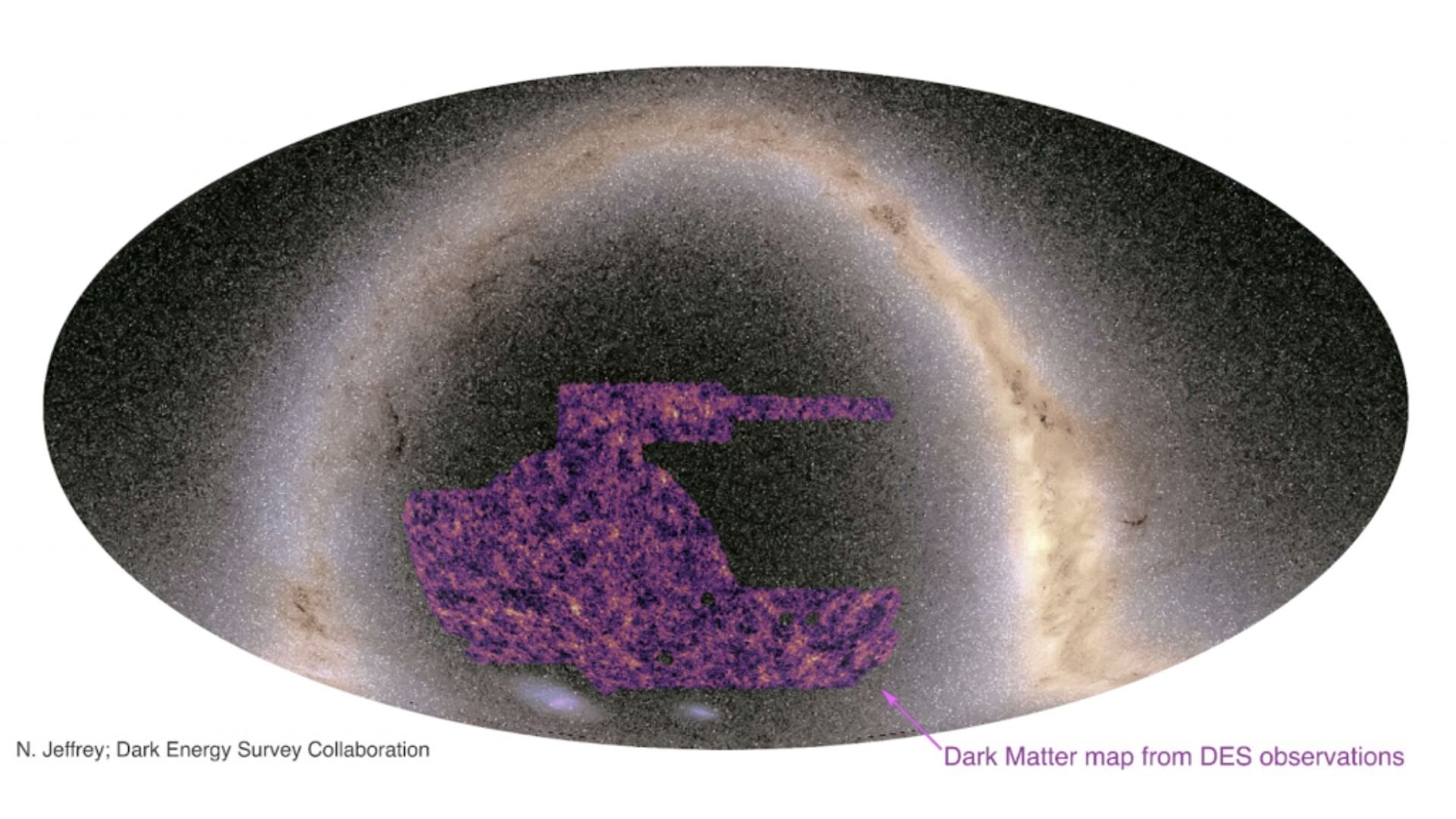
Scientists have proposed a new method, GALILEO, to detect light dark matter candidates using laser interferometry to measure the oscillatory electric fields generated by these particles. The research focuses on detecting axions and axionlike particles, which are potential light dark matter candidates, known for their low mass and weak interactions with ordinary matter. The proposed GALILEO experiment aims to measure the oscillatory electric fields induced by these particles using an asymmetric Michelson interferometer and electro-optical materials, potentially providing valuable insights into the nature of dark matter.
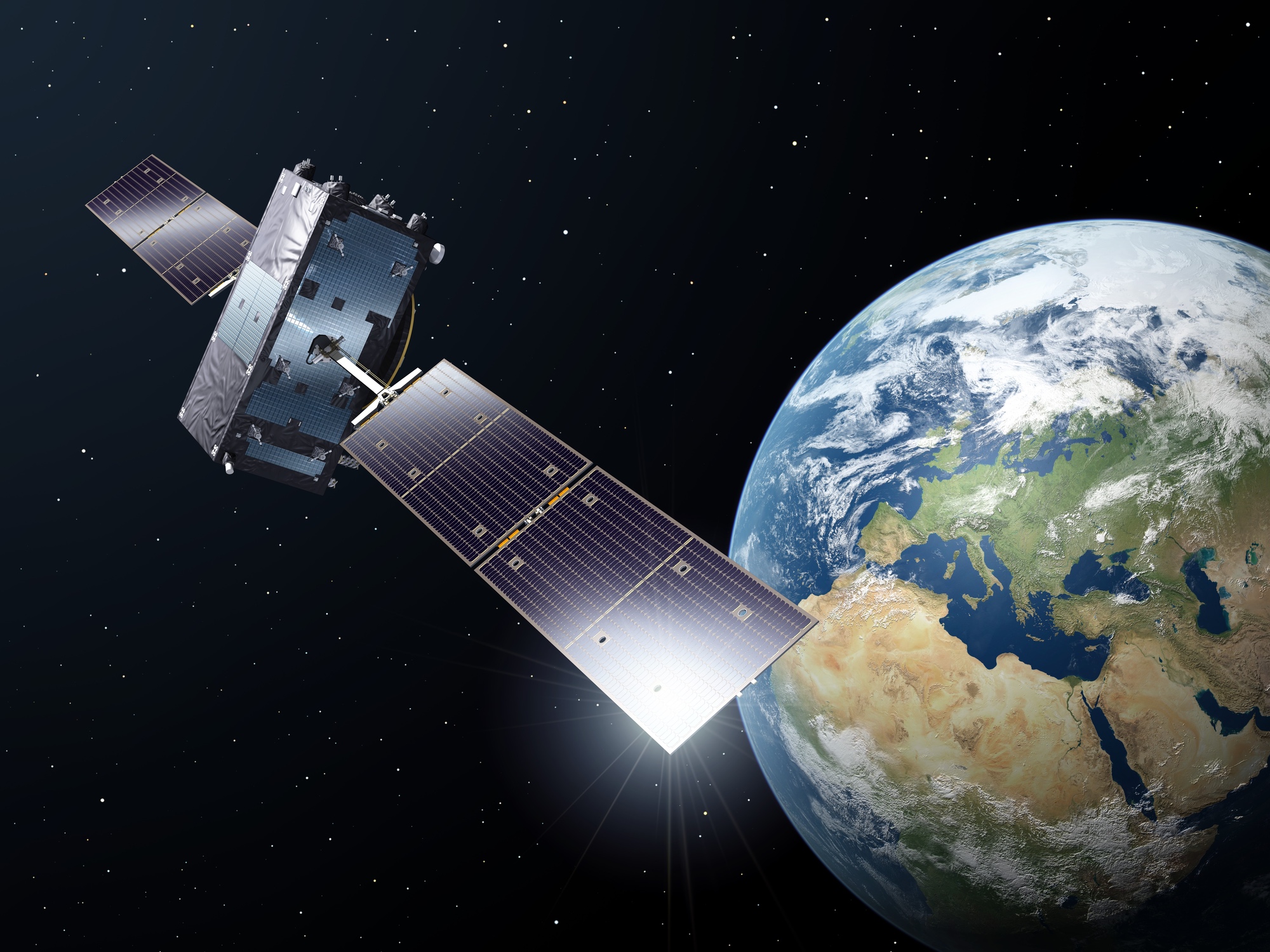
The European Union (EU) is finalizing a contract with SpaceX to launch four Galileo navigation satellites in 2024. The launches, tentatively scheduled for April and July, will use a pair of Falcon 9 rockets. The EU had been considering non-European rockets due to delays in the Ariane 6 and the retirement of the Ariane 5 and Soyuz. The final obstacle to completing the launch contract is negotiating a security agreement to protect sensitive technologies on the Galileo satellites when they are being prepared for launch from the United States.