Tag

Arginine

All articles tagged with #arginine

Arginine Deficiency May Blind Immune System to Cancer and Viruses
health-and-science3 months ago

Arginine Deficiency May Blind Immune System to Cancer and Viruses

A new study in Cell reveals that low levels of the amino acid arginine can impair the immune system's ability to detect cancer and viruses. Researchers found that arginine scarcity causes ribosomes to stall when producing MHC-1 proteins, which are essential for alerting T cells to threats. In mouse models, higher arginine intake reduced colon tumors and improved outcomes for influenza and SARS-CoV-2 infections. While the findings suggest arginine supplementation could be a low-cost therapeutic strategy, experts caution that human trials are needed to confirm safety and efficacy.


Common amino acid arginine slows Alzheimer’s pathology in animals
science6 months ago

Common amino acid arginine slows Alzheimer’s pathology in animals

Japanese researchers found that arginine, a safe and inexpensive amino acid, reduced amyloid-β aggregation, decreased brain inflammation, and improved behavior in fruit flies and mice models of Alzheimer’s disease. The effects appear to come from interfering with protein misfolding rather than lowering production. While promising and eligible for repurposing, the work is preclinical and dosing differs from dietary supplements, so larger preclinical and human studies are needed before clinical use.

Arginine in Saliva May Turn Mouth Biofilms from Detrimental to Protective
science10 months ago

Arginine in Saliva May Turn Mouth Biofilms from Detrimental to Protective

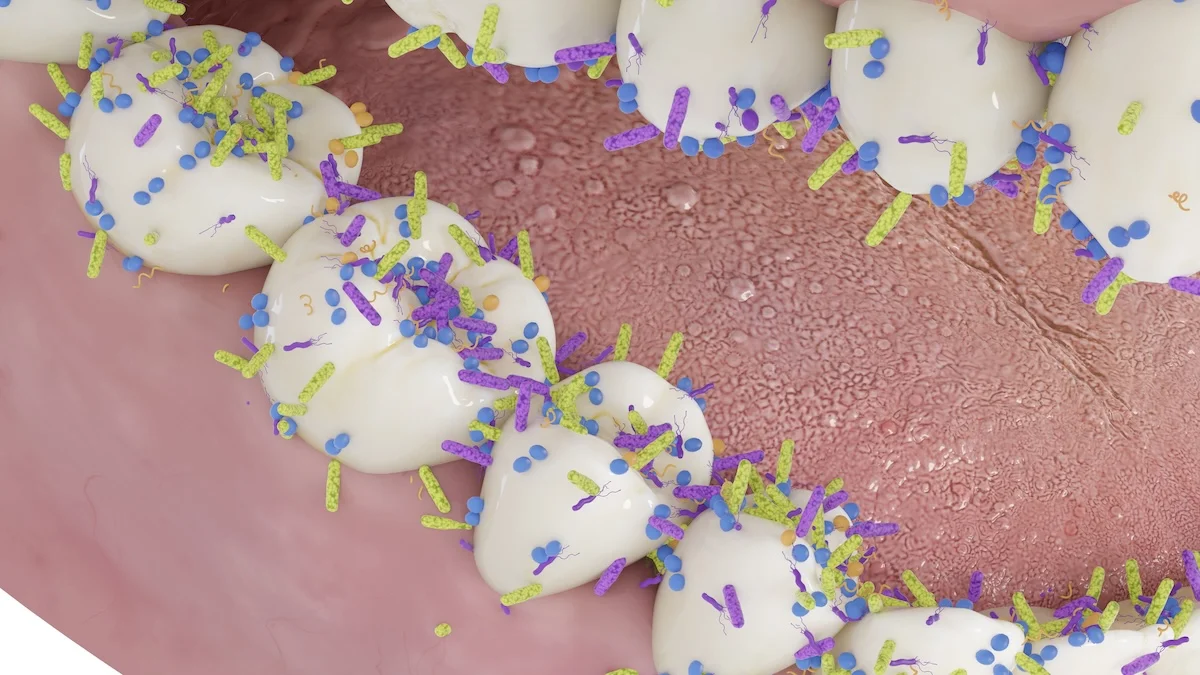
A Danish study from Aarhus University suggests that increasing arginine levels in saliva can shift mouth biofilms from acid-producing to protective, reducing tooth decay risk. In a real-world denture-biofilm setup, arginine treatment raised pH after sugar exposure, altered the bacterial and sugar composition, and reduced acid-producing Streptococcus populations, though responses varied among individuals. Arginine appears safe and could be explored as an additive in toothpaste or mouthwash, warranting further clinical research.