Tag

Carotenoids

All articles tagged with #carotenoids

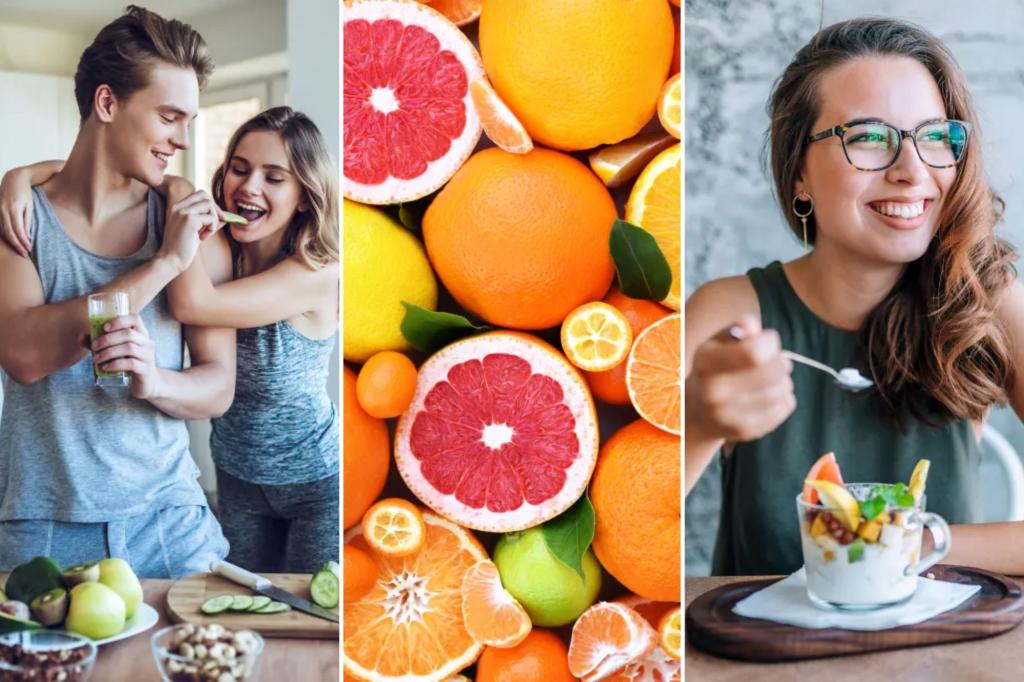
Study Links Plant-Based Diets to Improved Facial Color, Scent, and Body Composition
health-and-lifestyle2 months ago

Study Links Plant-Based Diets to Improved Facial Color, Scent, and Body Composition

A new study suggests that adopting a plant-based diet can enhance physical attractiveness through three specific mechanisms: improved facial pigmentation, better body odor, and favorable body composition changes. Researchers argue that framing dietary changes around these visible benefits may motivate individuals more effectively than traditional health messaging focused solely on disease prevention.

Samsung Galaxy Watch Uses BioActive Sensor to Estimate Carotenoid Levels via Skin Reflection
technology3 months ago

Samsung Galaxy Watch Uses BioActive Sensor to Estimate Carotenoid Levels via Skin Reflection

Samsung's Galaxy Watch features an Antioxidant Index that estimates dietary fruit and vegetable intake by measuring skin carotenoid levels using a BioActive sensor. The tool requires a five-second thumb scan and provides a score from 0 to 100, categorized into 'Very low,' 'Low,' or 'Optimal' tiers based on World Health Organization recommendations. While the feature offers a quick snapshot of diet impact, it is limited to measuring carotenoids and does not account for all antioxidants or lifestyle factors like sleep and stress, which can influence the final score.

Mandarins vs. Oranges: Key Differences in Taste, Size and Nutrition
health-and-wellness7 months ago

Mandarins vs. Oranges: Key Differences in Taste, Size and Nutrition

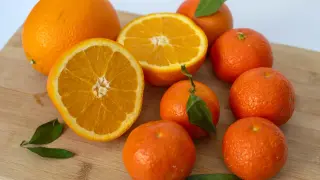
Mandarins and oranges are both citrus fruits but belong to different groups: mandarins are smaller with loose, easy-to-peel skins and a sweeter, milder flavor, while oranges are larger with thicker peels and a more balanced sweet-tart taste. Nutritionally, mandarins pack more vitamin A and carotenoids, whereas oranges have more vitamin C and slightly higher fiber; both supply vitamin C, potassium and fiber, plus flavonoids that support health. Be mindful of added sugars in some prepackaged mandarins, and note that citrus can trigger reflux or interact with certain medications, so a varied, moderate intake is best.

Hidden Plant Compound May Extend Lifespan, Study Finds in Worms
science7 months ago

Hidden Plant Compound May Extend Lifespan, Study Finds in Worms

A colorless carotenoid called phytoene, found in common fruits and vegetables, extended lifespans by 10–18.6% and reduced amyloid-β toxicity in C. elegans, suggesting potential benefits for aging and brain health. The effects were observed with purified phytoene and microalgae extracts, and included improved resistance to oxidative stress without affecting growth, but human relevance remains unproven; microalgae are highlighted as a sustainable phytoene source and potential future applications in skin health and neurodegeneration.

"Beauty Boost: The Top Foods for Enhancing Your Appearance"
health-and-wellness2 years ago

"Beauty Boost: The Top Foods for Enhancing Your Appearance"

Experts suggest that incorporating certain foods into your diet can improve your appearance and overall well-being. Carotenoid-rich foods such as sweet potatoes, carrots, and leafy greens can enhance skin quality and even body odor. Additionally, collagen found in meats and healthy fats can boost skin elasticity and growth for muscles, skin, nails, and hair. Foods rich in Omega-3 fatty acids, like salmon and flax seeds, can support the skin's lipid barrier and have anti-inflammatory effects.

The Truth Behind the Viral "Carrot Tan" Trend on TikTok
health-and-beauty3 years ago

The Truth Behind the Viral "Carrot Tan" Trend on TikTok

The TikTok trend of eating three carrots a day to achieve a natural tan, known as the "carrot tan," is gaining popularity. Carrots contain beta-carotene, which can be converted into vitamin A in the body. Excess beta-carotene can lead to carotenoderma, giving the skin an orange/yellow pigment. However, consuming a few carrots a day is unlikely to result in noticeable skin color changes. The amount of carrots needed to change skin color depends on factors such as variety, size, ripeness, preparation, and individual factors. Eating a variety of colorful vegetables, including those high in carotenoids, can promote a natural radiance and skin tone enhancement. It is important to protect the skin with sunscreen regardless of carrot consumption.

"Link Between Antioxidant Deficit and Alzheimer's Revealed: Diet as a Preventive Measure"
health3 years ago

"Link Between Antioxidant Deficit and Alzheimer's Revealed: Diet as a Preventive Measure"

A groundbreaking study has found significantly lower levels of dietary antioxidants in the brains of Alzheimer's patients, highlighting the potential role of a healthy diet in preventing the disease. The research suggests that a diet rich in carotenoids, such as lutein and zeaxanthin found in colorful plants, may reduce the risk of Alzheimer's and improve cognitive function. Previous studies have also shown that a higher intake of carotenoids is associated with a lower risk of dementia. The findings emphasize the importance of maintaining a diet high in antioxidants for brain health and potentially slowing cognitive decline.

beauty-and-health3 years ago

The Power of Orange: Unlocking Glowing, Bouncy Skin

Prioritizing orange foods, such as carrots and bell peppers, in your diet can contribute to healthier skin due to their high carotenoid content. Carotenoids provide skin protection with their antioxidant, anti-inflammatory, and light-absorbing properties, and can even help protect the skin from UV damage. Other skin-related benefits include decreased skin reddening and increased resilience to environmental factors. Incorporating carotenoid-rich foods into your meals, along with a small amount of healthy fat for better absorption, can support skin health and natural collagen production.

"5 Daily Habits to Safeguard Your Vision"
health3 years ago

"5 Daily Habits to Safeguard Your Vision"

Age-related macular degeneration (AMD) is the top cause of vision loss in people over 50, but there are habits that can help reduce the risk of developing AMD and keep vision sharp as you age. These habits include drinking green smoothies, getting enough sleep, consuming carotenoids found in fruits and veggies, savoring 'golden milk', and considering medical treatment.