Tag

Chromatin

All articles tagged with #chromatin

Pitt-CMU team uncovers chromatin changes in Alzheimer's brains
science19 days ago

Pitt-CMU team uncovers chromatin changes in Alzheimer's brains

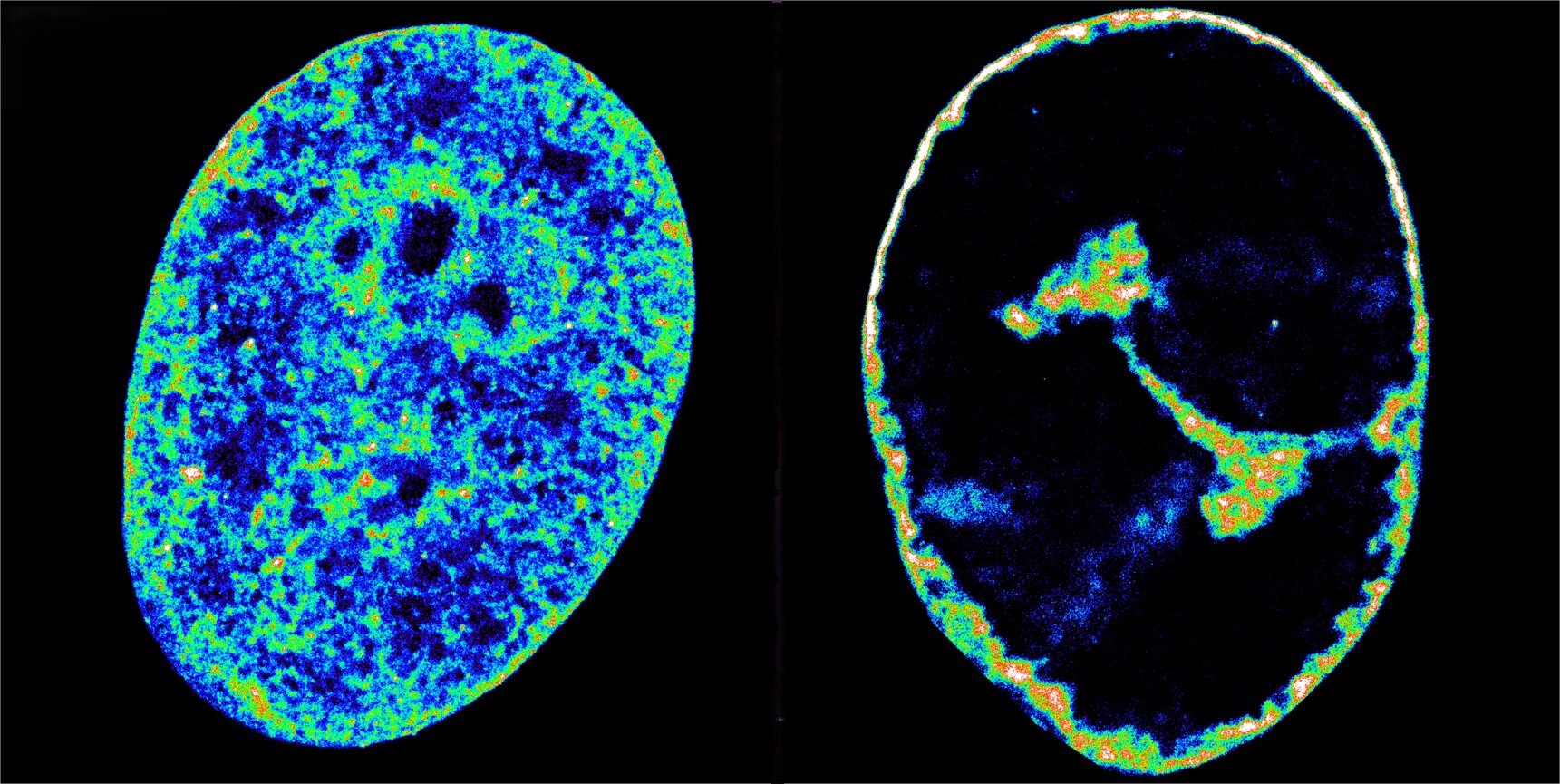
Pitt and CMU researchers used multi-layered single-cell and imaging technologies to show Alzheimer’s brains have reorganized chromatin, with active and inactive genome regions mingling more and altering gene activity tied to brain function and metabolism; this holistic, first-of-its-kind Pittsburgh collaboration using GAGE-Seq and Xenium imaging provides a new view of the disease beyond DNA alone and was published in Science.

Conserved euchromatin, diverse heterochromatin across eukaryotes revealed by iChIP2 profiling
science22 days ago

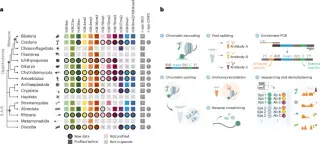
Conserved euchromatin, diverse heterochromatin across eukaryotes revealed by iChIP2 profiling

A Nature Genetics letter reports a cross‑species chromatin profiling approach (iChIP2) to map histone post‑translational modifications across diverse eukaryotes. The study finds highly conserved euchromatin states at active gene promoters and bodies, but reveals lineage‑specific heterochromatin configurations defined by combinations of marks such as H3K9me3, H3K27me3 and H3K79 methylations. The results suggest core histone marks are ancient and broadly conserved, while their functional readouts have diversified through evolution to shape different chromatin landscapes and epigenetic memory across lineages.

A SIRT6 boost reverses much of age-linked liver chromatin changes in old mice
science3 months ago

A SIRT6 boost reverses much of age-linked liver chromatin changes in old mice

Bar-Ilan researchers showed that increasing SIRT6 levels specifically in the liver of 24‑month‑old male mice reversed about 80% of age-related chromatin accessibility changes within one month, with downstream inflammatory and metabolic gene programs moving toward a youthful pattern. The intervention used a hepatocyte-targeted viral vector and yielded tissue- and mechanism-specific reversal, not a universal rejuvenation. While scientifically significant for chromatin dynamics and aging biology, translating this to humans would require substantial further work, safety testing, and validation; the broader implications for human longevity are modest and long-term, not an immediate anti-aging breakthrough.

Hidden Nuclear Metabolism: Enzymes Bound to DNA Reshape Cancer Biology
science5 months ago

Hidden Nuclear Metabolism: Enzymes Bound to DNA Reshape Cancer Biology

Scientists have found more than 200 metabolic enzymes directly attached to human DNA in the nucleus, suggesting a small, tissue- and cancer-specific 'mini-metabolism' that may influence gene regulation, DNA repair, and tumor response to therapy. The enzymes’ nuclear roles appear to differ by cancer type (e.g., oxidative phosphorylation enzymes common in breast but not lung cancer) and some, like IMPDH2, show location-dependent functions, prompting potential new biomarkers and drug targets while many details remain to be clarified.

"MSL2: Ensuring Balanced Gene Expression in Mammals"
genetics2 years ago

"MSL2: Ensuring Balanced Gene Expression in Mammals"

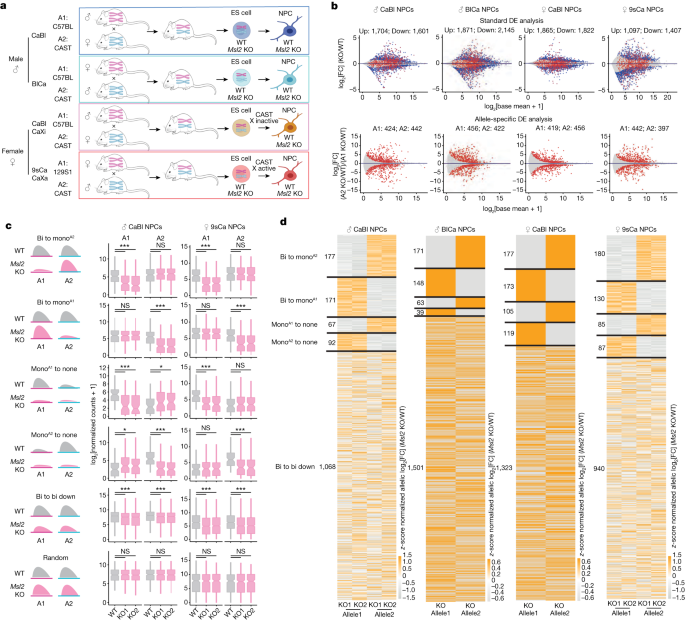
A study has revealed that MSL2, a component of the MSL complex, plays a crucial role in ensuring biallelic gene expression in mammals. Using hybrid mouse cell line models, researchers found that MSL2 regulates the expression of haploinsufficient genes, which require both copies of the gene to produce a functional amount of protein. The loss of MSL2 resulted in allele-specific changes in gene expression, with some genes transitioning from biallelic to monoallelic expression. The chromatin landscape also underwent significant changes, with alterations in histone modifications and promoter-enhancer interactions. These findings shed light on the mechanisms underlying gene dosage regulation and provide insights into the role of MSL2 in maintaining balanced gene expression in mammals.

"Acetyl-methyllysine: A Key Marker for Active Transcription Start Sites"
science2 years ago

"Acetyl-methyllysine: A Key Marker for Active Transcription Start Sites"

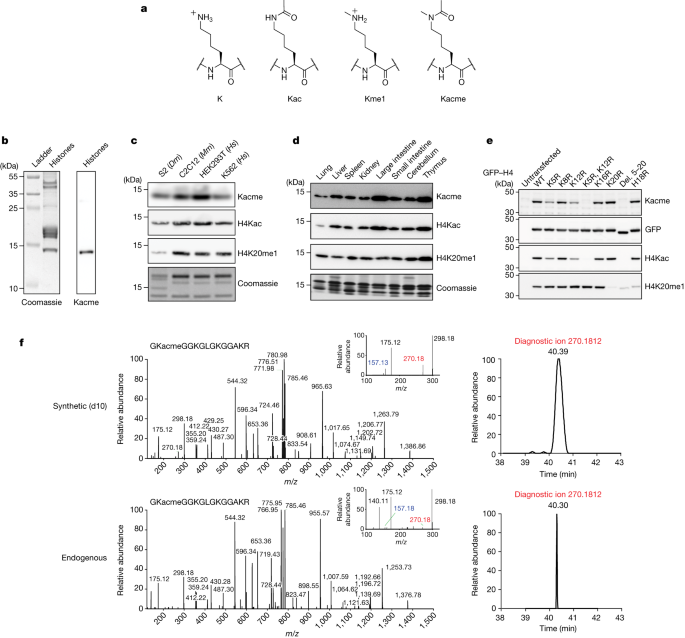
Researchers have discovered that acetyl-methyllysine, a reversible lysine post-translational modification, marks chromatin at active transcription start sites. This modification plays a crucial role in regulating RNA synthesis and gene expression. The study provides insights into the molecular mechanisms of epigenetic control and highlights the importance of acetyl-methyllysine in chromatin structure and protein interactions. The data from various experiments have been made available in public databases for further analysis.

"Unveiling the Dynamic Relationship Between RNA Polymerase II and Active Genes in DNA Replication"
science3 years ago

"Unveiling the Dynamic Relationship Between RNA Polymerase II and Active Genes in DNA Replication"

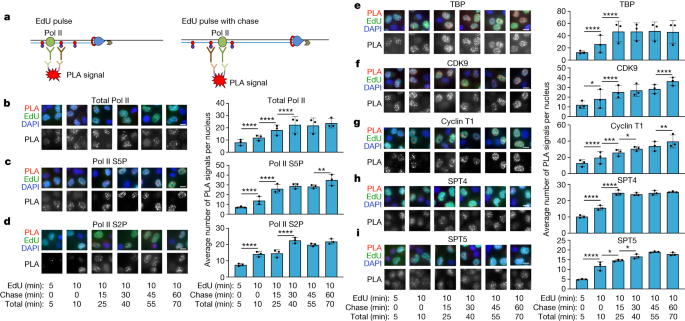
A recent study has found that RNA polymerase II, an enzyme responsible for transcribing DNA into RNA, remains associated with active genes during DNA replication. This discovery challenges the conventional understanding that RNA polymerase II dissociates from chromatin during replication. The findings suggest that RNA polymerase II may play a role in maintaining transcriptional memory and contribute to the regulation of gene expression.

COVID-19 Virus: Altering Genome and Spreading Rapidly.
health3 years ago

COVID-19 Virus: Altering Genome and Spreading Rapidly.

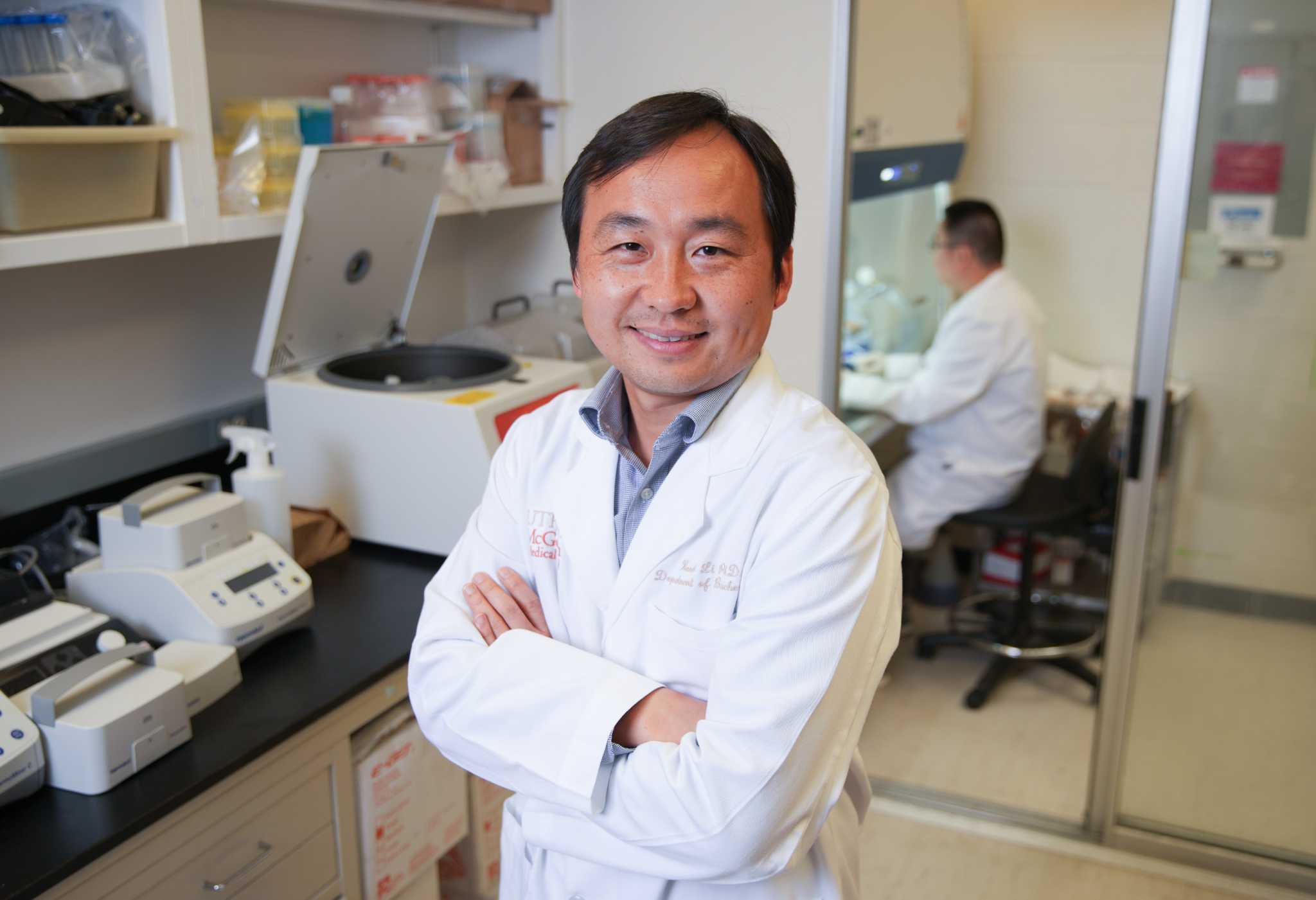
A new study from UTHealth Houston found that the virus that causes COVID-19 can alter the genomic structure of cells, which may explain the immunological symptoms that someone experiences from an infection. The changes to the genomic structure of cells could play a role in long COVID. The study focuses on the way the virus affects chromatin, or the mixture of DNA and proteins that form the chromosomes found in cells. Researchers believe that if they can understand how those changes are occurring, they may be able to develop a treatment to prevent them or alleviate COVID-19 symptoms.