In aged mice, daily hesperetin from citrus fruits restored liver Cisd2 levels and reduced age-related damage, fatty deposits, and inflammation, suggesting a pathway (via HMGCS2 and PPARα) to delay liver aging; whether this translates to humans remains to be tested.
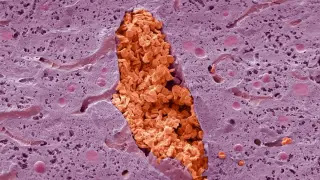
A scanning electron microscope image of the liver reveals a vein filled edge-to-edge with red blood cells, illustrating the liver’s blood flow through its sinusoidal network and the surrounding hepatocytes.
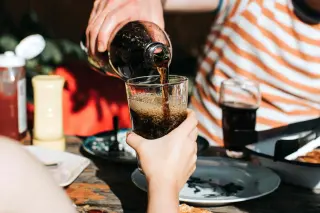
Preclinical studies indicate fructose may affect cancer progression through altered tumor metabolism and liver processing, potentially aiding spread in some contexts, but this does not prove that fructose causes cancer. Experts advise limiting added sugars and sugar-sweetened beverages while allowing natural fructose from fruits and vegetables as part of a nutritious diet.
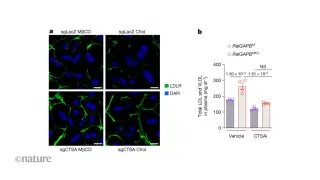
Long-term dietary cholesterol activates a Ral-dependent pathway that increases degradation of LDL receptors in liver cells, slowing LDL clearance; blocking the responsible enzyme can restore LDLR levels, suggesting a new avenue for lowering cholesterol.
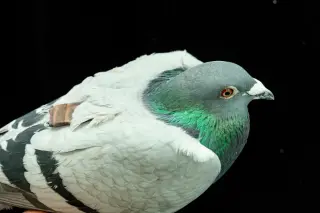
German researchers provide evidence that iron-rich macrophages in pigeons' livers may possess superparamagnetism and act as a liver-based quantum compass to help navigation, particularly when the Sun is obscured; experiments using clodronate to wipe these immune cells disrupted homing on overcast days, while normal navigation returned under sunny conditions, implying a liver-to-brain signaling pathway.
Scientists trained 34 pigeons to navigate a 12‑mile route and found iron‑rich immune cells in the liver may act as an internal magnetic compass, helping them sense Earth's magnetic field when visual cues are blocked by clouds. Pigeons depleted of these cells got lost under overcast skies, while birds with normal iron stores completed the route; after the cells naturally repopulated, navigation improved again. The cells display superparamagnetism and may relay directional information to the brain via nerves from the liver. While some scientists praise the possible new mechanism of magnetic perception, others call for more direct evidence before drawing firm conclusions. The research team plans to further investigate how immune cells communicate with the nervous system and to track pigeons globally to learn more about their navigation skills.
A new AP News study tracked homing pigeons and suggests that cues from the birds’ liver may influence their ability to navigate home, offering a surprising physiological angle on avian navigation beyond traditional magnetic or visual cues.
Bar-Ilan researchers showed that increasing SIRT6 levels specifically in the liver of 24‑month‑old male mice reversed about 80% of age-related chromatin accessibility changes within one month, with downstream inflammatory and metabolic gene programs moving toward a youthful pattern. The intervention used a hepatocyte-targeted viral vector and yielded tissue- and mechanism-specific reversal, not a universal rejuvenation. While scientifically significant for chromatin dynamics and aging biology, translating this to humans would require substantial further work, safety testing, and validation; the broader implications for human longevity are modest and long-term, not an immediate anti-aging breakthrough.
In an eight-hour deposition, Florida surgeon Thomas Shaknovsky described how, during a difficult August 2024 splenectomy, he accidentally removed William Bryan’s liver instead of the spleen, Bryan died from exsanguination, and Shaknovsky labeled the organ as a spleen afterward; he says he is “forever traumatized” by the outcome as he faces a manslaughter indictment and ongoing civil litigation. The hospital said he no longer practices at its facilities, and Shaknovsky has previously faced other malpractice allegations and license removals in multiple states. The case remains under civil and criminal scrutiny as details of the procedure continue to emerge.
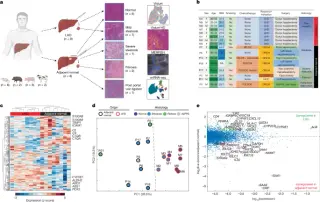
Researchers built a high‑resolution spatial atlas of the healthy human liver from live donors, integrating Visium, MERFISH and single-nucleus RNA‑seq to map hepatocyte zonation along the porto–central axis and compare with adjacent diseased tissue. They validate distinct pericentral and periportal programs, reveal early steatosis signatures such as reduced nuclear-encoded mitochondrial genes with compensatory mitochondria-encoded transcripts, and extend analyses to other mammals. The atlas provides a healthy-liver baseline to advance biology and disease research.
Stopping alcohol triggers quick and longer-term health shifts: within days you sleep better and stay hydrated; after a week your immune system and hormones rebound; after a month you may notice clearer skin and some weight changes; several months in, brain health and digestion improve; after a year cancer risk declines and emotional well-being often improves. Expect possible short-term withdrawal symptoms (anxiety, cravings, rapid heartbeat, restlessness, sleep problems) as your body adjusts, and plan alternatives to drinking or taper off if you’re a heavy drinker.
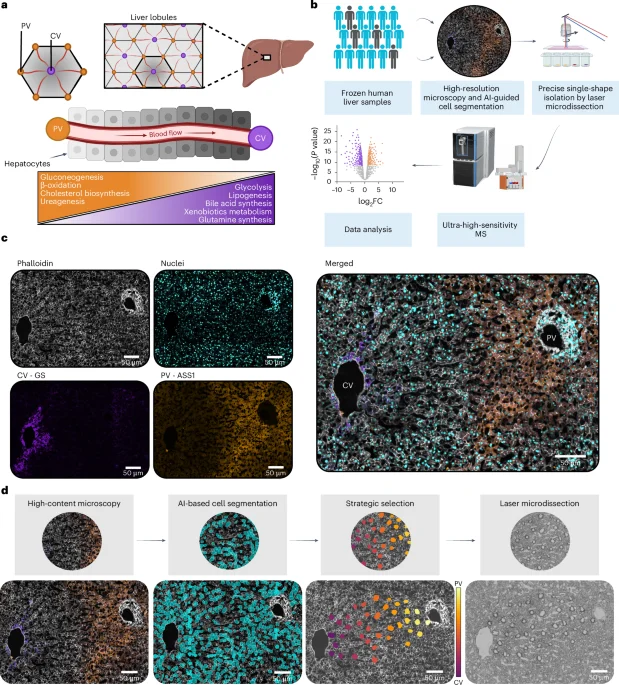
Researchers used advanced scDVP to profile hundreds of hepatocytes from 18 people, building a high-resolution map of protein gradients along the liver's porto–central axis. They quantified ~2,500 proteins per cell, showed roughly half are zonated, and introduced gradient-based analysis to quantify zonation without binning. Cross-species comparison with mice revealed shared and human-specific zonation features; in tissues with disrupted architecture, zonation is broadly lost. The study delivers an open-access liver proteome resource and a framework applicable to spatial proteomics.
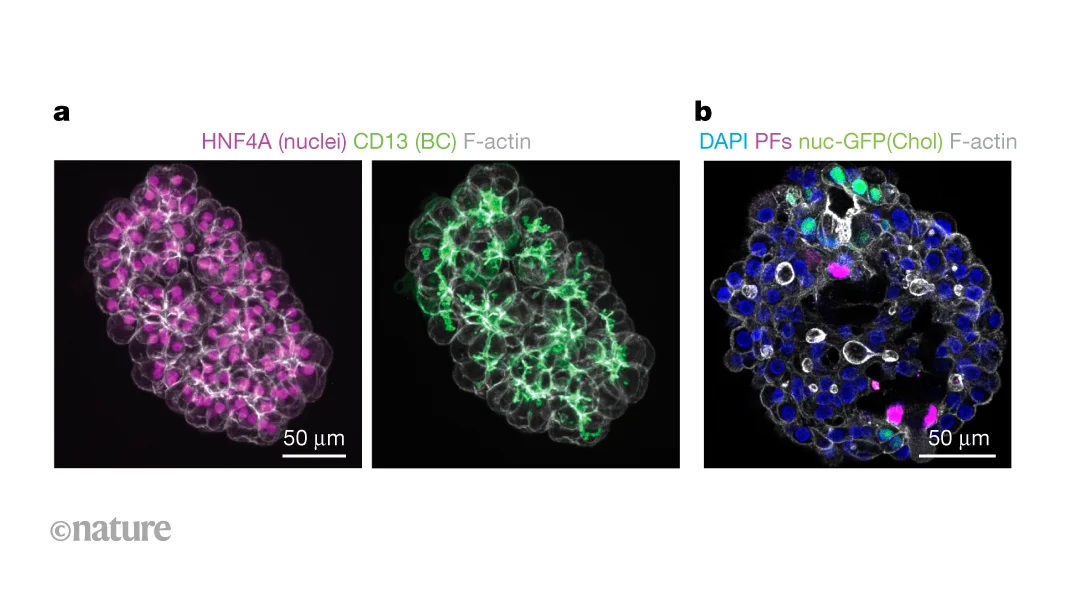
Researchers combine multiple donor liver cell types to form in vitro liver assembloids that recapitulate periportal tissue, moving toward miniature human livers for faster drug testing and personalized therapies.
A recent Strange Health episode scrutinizes detox fads like juice cleanses, charcoal pills, and foot patches, asking whether any detox is truly needed. Liver expert Trish Lalor says healthy people don’t require extreme interventions, since the liver, kidneys, and gut already detoxify the body around the clock. Real detox, she notes, is about hydration, fiber, rest, and moderation, not pricey supplements or gimmicks; many detox products are ineffective or potentially harmful and can drain your wallet. The discussion emphasizes skepticism toward online detox claims and clarifies what genuine bodily cleansing actually entails.
Most popular hangover remedies like 'hair of the dog,' greasy breakfasts, coffee, supplements, and exercise are ineffective because they don't address the body's actual process of metabolizing alcohol. Experts recommend hydration, rest, and balanced meals for recovery, and emphasize that the best way to avoid hangovers is to drink less and stay within safe limits.