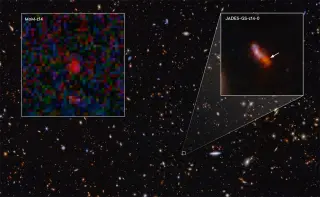
JWST Detects Record-Breaking Galaxy From 280 Million Years After the Big Bang
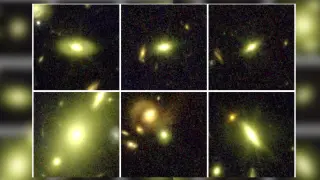
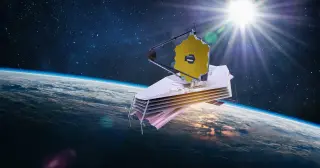
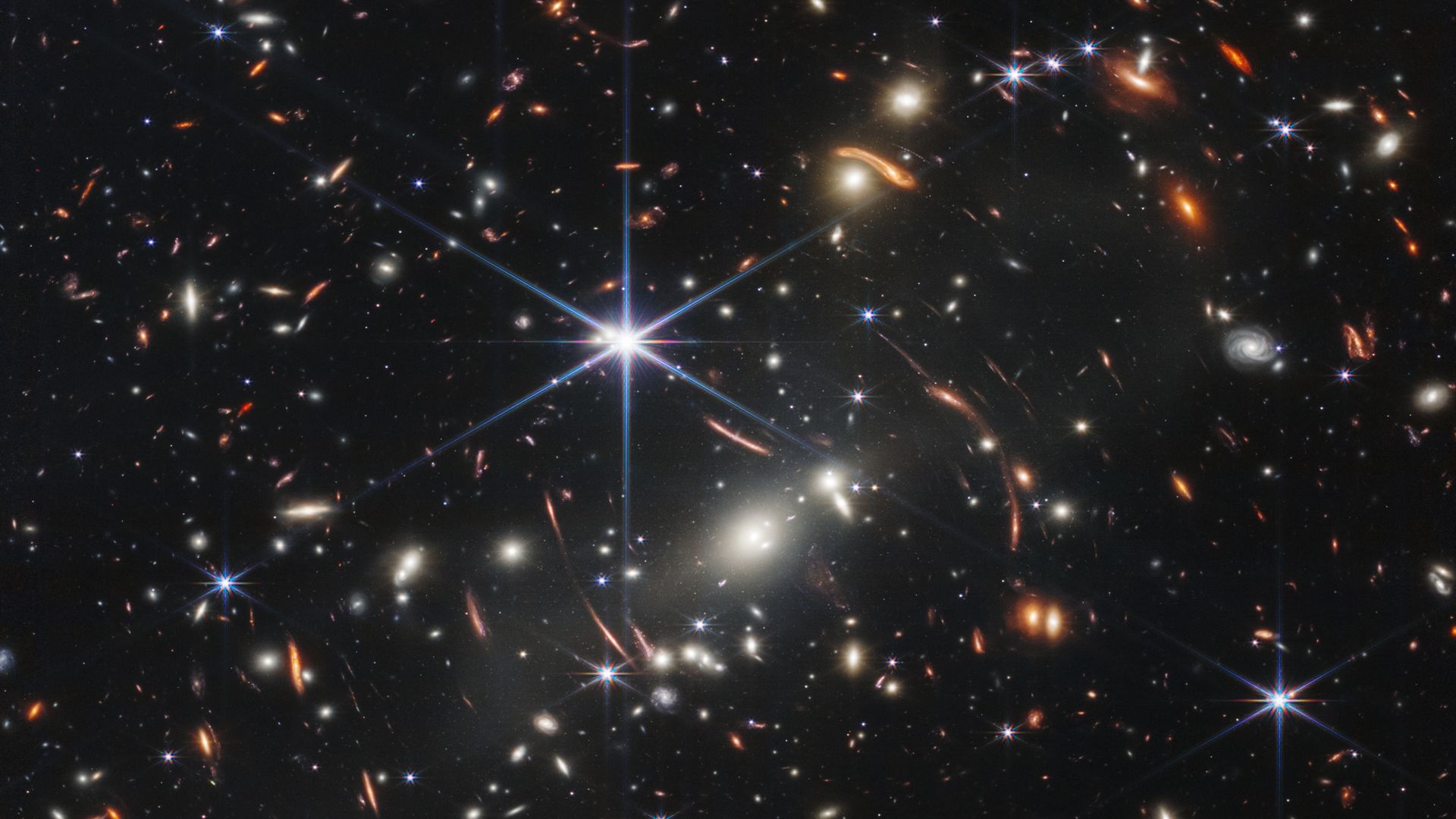
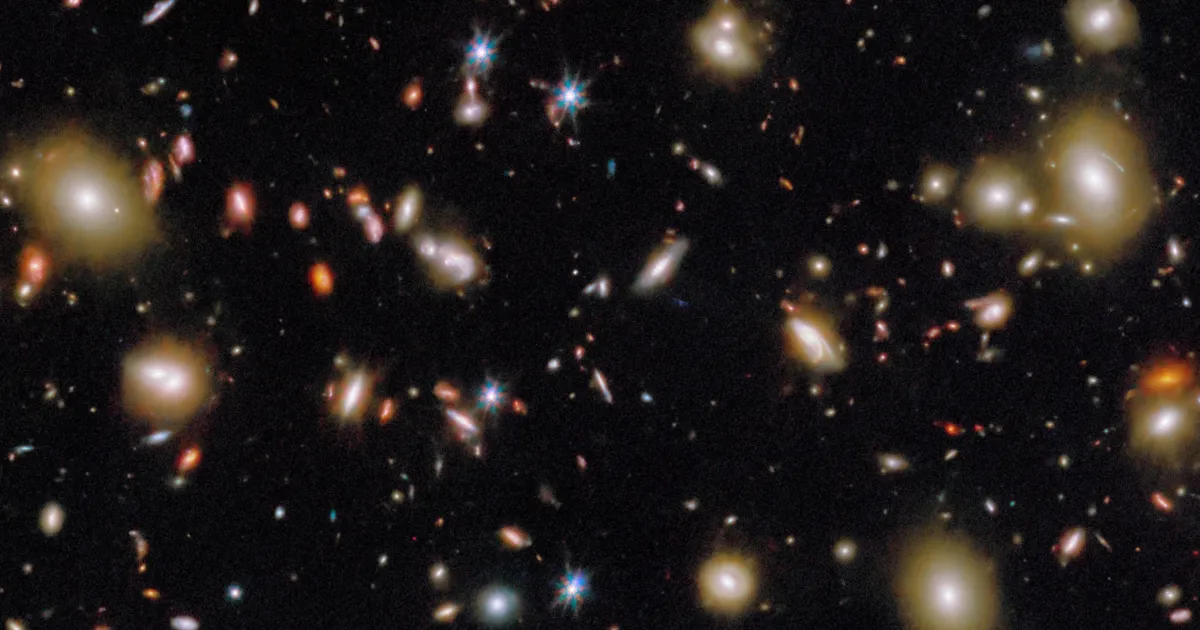
NASA’s James Webb Space Telescope has spotted MoM-z14, a galaxy at redshift z=14.44, dating to about 280 million years after the Big Bang—making it the most distant galaxy observed. The finding hints at a surprisingly large population of bright galaxies in the early universe and shows heavier elements like carbon and nitrogen present in such ancient systems.