Former NFL running back Ahman Green disclosed on a GoLongTD.com podcast that he has been diagnosed with early-onset Parkinson's disease, with the diagnosis confirmed in January 2025 after years of subtle symptoms; Green, a 12-year veteran and four-time Pro Bowler, waited to share the news after informing his family.
Memory loss isn’t always the first sign of early-onset Alzheimer’s; many patients first show executive-function, language, vision, or personality changes, which can delay diagnosis. Most cases before 65 aren’t genetic, though about 5% involve gene mutations; roughly 360,000 Americans are affected. Advances in biomarkers—amyloid and tau PET scans, spinal fluid tests, and increasingly blood tests like p-tau217—now allow diagnosis in living patients and could democratize access. Clinicians use detailed histories, MRI, and biomarker results to diagnose and discuss treatments, including monoclonal antibodies targeting amyloid and emerging tau therapies, moving toward biology-based classification and personalized, combination therapies. The LEADS study aids early-onset diagnosis and trial access, underscoring a shift to earlier, biology-driven care for younger patients.
Spanish researchers report an association between exposure to picloram, a long-used weed killer, and higher rates of early-onset colorectal cancer, with tumors from higher-exposure patients showing fewer APC gene mutations and suggesting a potentially different cancer pathway. The study is observational and cannot prove causation, but findings raise questions about regulatory review if confirmed. Regions with greater picloram use also showed more cases, and the broader context notes the rising burden of colorectal cancer and a recommended screening start at age 45.
An observational study of 187 lung cancer patients diagnosed at age 50 or younger found that non-smokers with healthier diets—rich in fruits, vegetables and whole grains—were more represented than the general population, prompting researchers to hypothesize that pesticide residues on conventionally grown produce may contribute to the link. The study is not peer-reviewed and relies on self-reported intake, with potential biases; investigators plan future pesticide measurements in blood/urine. The results show an association, not causation, and experts call for more research while recommending produce washing and, when possible, organic choices.
Colorectal cancer is rising sharply among people under 50, now a leading cause of cancer deaths for men under 50 and the second leading cause for women under 50. While screening guidelines lowered the age to 45, experts warn that “average risk” is no longer static and many younger people need earlier or more personalized surveillance. Be vigilant about persistent symptoms, discuss family history with doctors, and seek timely evaluation to enable early detection and better outcomes.
A Mayo Clinic gastroenterologist discusses rising rates of early-onset colorectal cancer and lists five symptoms he watches in his own life—blood with stool, abdominal pain, an unproductive urge to defecate, iron-deficiency anemia, and unexplained weight loss—while stressing that early detection and regular screening beginning at 45 improve survival and influence treatment decisions.
Researchers say bowel cancer in people under 50 is rising sharply and may be driven by early-life gut bacteria and environmental exposures, including an E. coli strain that produces a genotoxin; diet, obesity, birth practices (like cesarean delivery), antibiotics, and other factors are being studied to explain the trend and inform prevention.
A 19-year-old in China was diagnosed with Alzheimer's disease, making him the youngest known case without any genetic mutations typically associated with early-onset Alzheimer's, highlighting the disease's complex and not fully understood nature.
The article highlights the rising incidence of early-onset colorectal cancer in young adults under 50, driven by factors like obesity and alcohol consumption, emphasizing the importance of awareness, early detection, and screening to combat this concerning trend.
A 41-year-old Australian man with early-onset Alzheimer's shares his symptoms and experiences on YouTube to raise awareness, describing feelings of living in a 'haze' and cognitive struggles, highlighting the challenges faced by younger patients with the disease.
The article discusses the rising trend of cancer among younger adults, especially women in their 20s to 40s, and invites personal stories from those affected to shed light on how diagnosis impacts their lives, careers, and relationships.
In 2023, a 19-year-old in China was diagnosed with Alzheimer's disease, making him the youngest known case. Despite extensive genetic testing, no typical mutations were found, highlighting the complexity and mystery of early-onset Alzheimer's, which may not always be linked to inherited genes. This case challenges existing understanding and underscores the need for further research into the disease's diverse pathways.
The article explores the rising incidence of cancer among millennials, examining potential links to modern environmental factors such as chemicals, processed foods, disrupted circadian rhythms, and prenatal medication exposure, suggesting that these factors may accelerate biological aging and increase cancer risk in young adults.
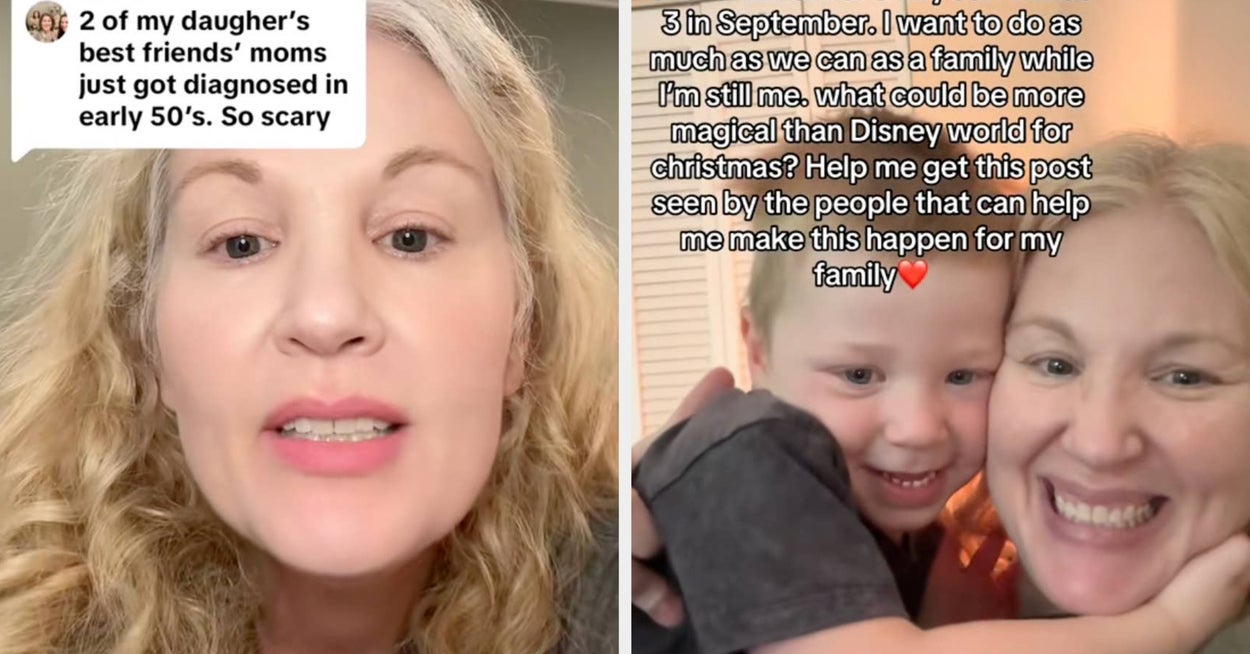
Staci, at 47, was diagnosed with early-onset Alzheimer's after persistent self-advocacy led to comprehensive testing, including biomarker analysis and PET scans, revealing widespread amyloid plaques in her brain.
A 2023 study identified 15 key risk factors for early dementia, including social isolation, low education, vitamin D deficiency, and lifestyle factors like physical activity and diet, highlighting modifiable risks alongside genetic and socioeconomic factors.