Tag

Mars Missions

All articles tagged with #mars missions

NASA Opens Applications for 25th Astronaut Class to Staff 2028 Moon Return
science-and-technology16 days ago

NASA Opens Applications for 25th Astronaut Class to Staff 2028 Moon Return

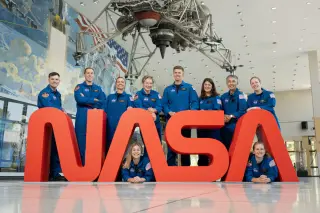
NASA has opened applications for its 25th astronaut class, seeking recruits to support the Artemis program’s 2028 lunar return and future Mars missions. With only 32 active astronauts, the agency faces a staffing shortage as it expands operations. Applications close December 3, 2026, with final selections expected in late 2027 and training beginning in early 2028. Candidates must be U.S. citizens with STEM degrees, medical qualifications, or pilot experience, plus three years of professional experience. The recruitment follows a 2024 cycle that drew over 8,000 applicants and selected 10 candidates. Officials emphasize the urgency of expanding the corps to meet ambitious space exploration goals.


Prototype 'Laundry Gun' Uses Cold Plasma to Sterilize Astronaut Clothing
space3 months ago

Prototype 'Laundry Gun' Uses Cold Plasma to Sterilize Astronaut Clothing

Engineers at the University of Alabama in Huntsville have developed a prototype device nicknamed the 'laundry gun' to address hygiene challenges for long-duration space missions. The tool sterilizes fabric by emitting violet-colored, room-temperature plasma, which kills bacteria without requiring water. This innovation aims to solve the issue of astronauts wearing the same clothes for weeks in confined spacecrafts, where traditional washing is impossible due to water scarcity. The technology could also be used to sanitize spacesuits and tools before astronauts step onto Mars, ensuring microbial safety for crew health.

Lithium-Powered Thruster Sets US Record, Advancing Crewed Mars Missions
technology6 months ago

Lithium-Powered Thruster Sets US Record, Advancing Crewed Mars Missions

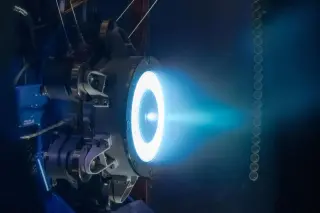
NASA’s next‑gen electric propulsion thruster using lithium metal vapor set a US power record at 120 kilowatts, signaling major progress toward fuel‑efficient, long‑duration missions to Mars. While such systems could drastically cut propellant needs and enable faster transit, a crewed Mars mission would still demand multi‑megawatt power and thousands of hours of operation to manage cruise and surface phases, underscoring both promise and engineering challenges for future deep‑space travel.

NASA’s MAVEN Mars Orbiter Goes Silent, Likely Lost to Contact
space10 months ago

NASA’s MAVEN Mars Orbiter Goes Silent, Likely Lost to Contact

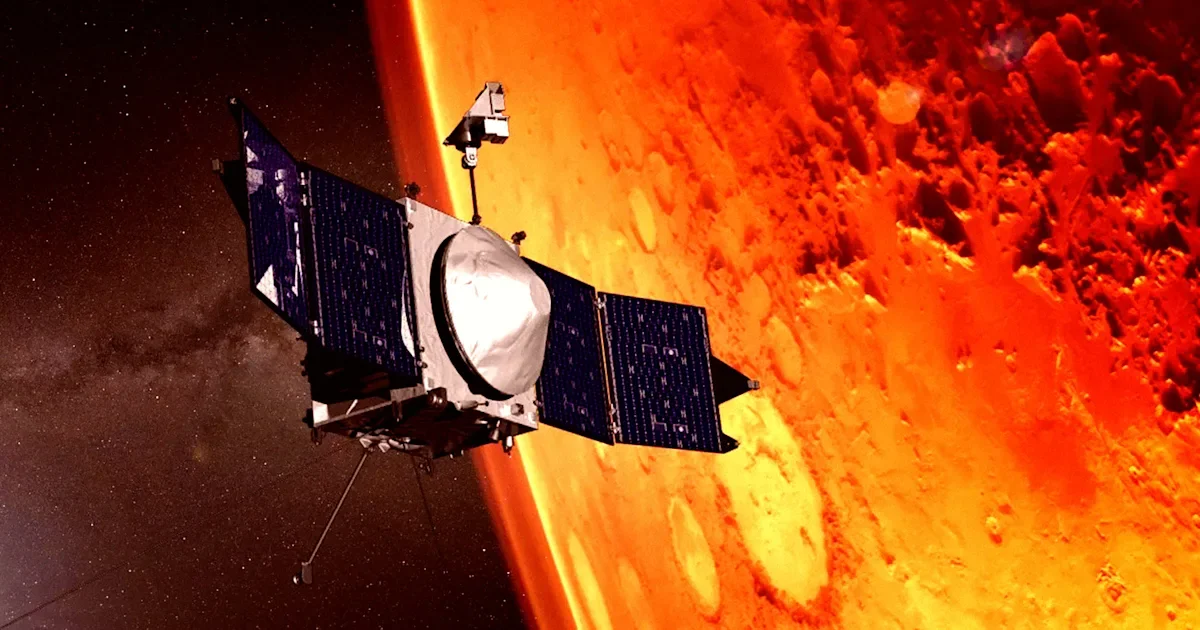
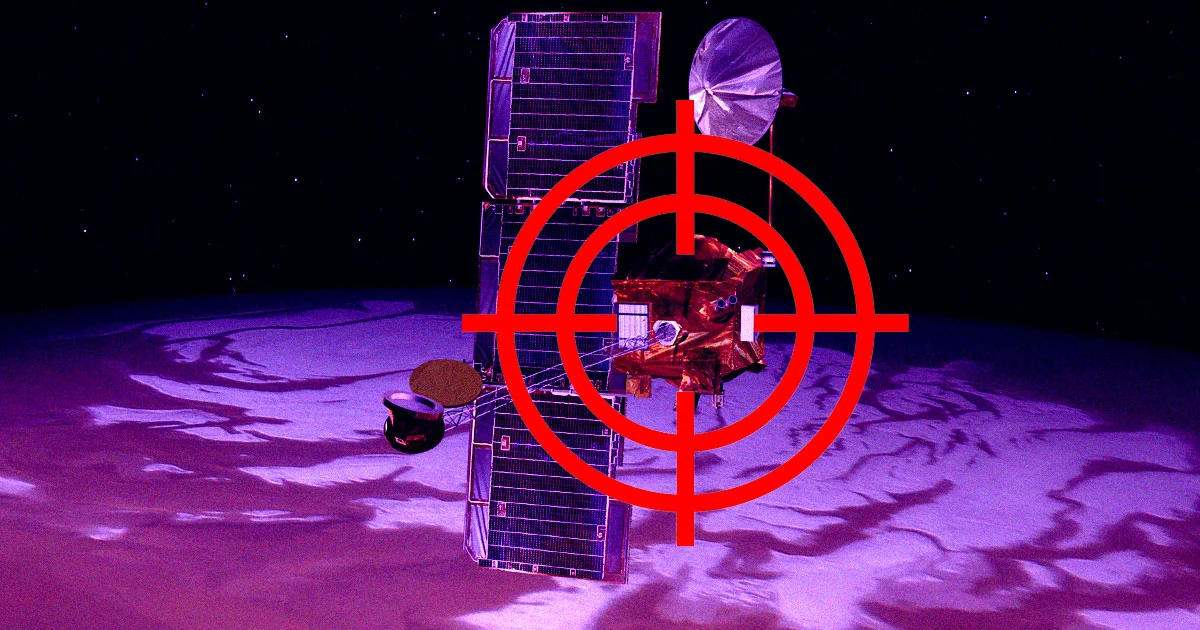
NASA’s MAVEN orbiter, which has studied Mars’ upper atmosphere for over a decade, went offline in December. NASA later acknowledged MAVEN was rotating unexpectedly and is very unlikely to be recovered, though Mars’s solar conjunction could offer another contact window. In the meantime, three other spacecraft can relay data to Earth, and NASA continues root-cause analyses while exploring future options such as a revived Mars Telecommunications Orbiter.

NASA and Google Develop AI Medical Assistant for Mars Missions
science-and-technology1 year ago

NASA and Google Develop AI Medical Assistant for Mars Missions

NASA and Google are developing an AI-powered medical assistant called CMO-DA to help astronauts diagnose and treat health issues independently during long-duration space missions to Mars and the Moon, with high diagnostic accuracy demonstrated in initial tests, aiming to enhance space medicine and potentially benefit terrestrial healthcare.

Senate Blocks Trump’s Proposed NASA and Science Funding Cuts
science1 year ago

Senate Blocks Trump’s Proposed NASA and Science Funding Cuts

The Trump administration proposed cutting over half of NASA's science budget in 2026, including ending operations of key Mars orbiters like Mars Odyssey and MAVEN, which has faced widespread criticism from the scientific community and Congress. Despite resistance, the budget cuts threaten valuable ongoing missions and could hinder future Mars exploration efforts, including human missions, especially after the administration's focus on human spaceflight and recent tensions with SpaceX.

NASA's JPL to Cut Over 300 Jobs in Workforce Reduction
science2 years ago

NASA's JPL to Cut Over 300 Jobs in Workforce Reduction

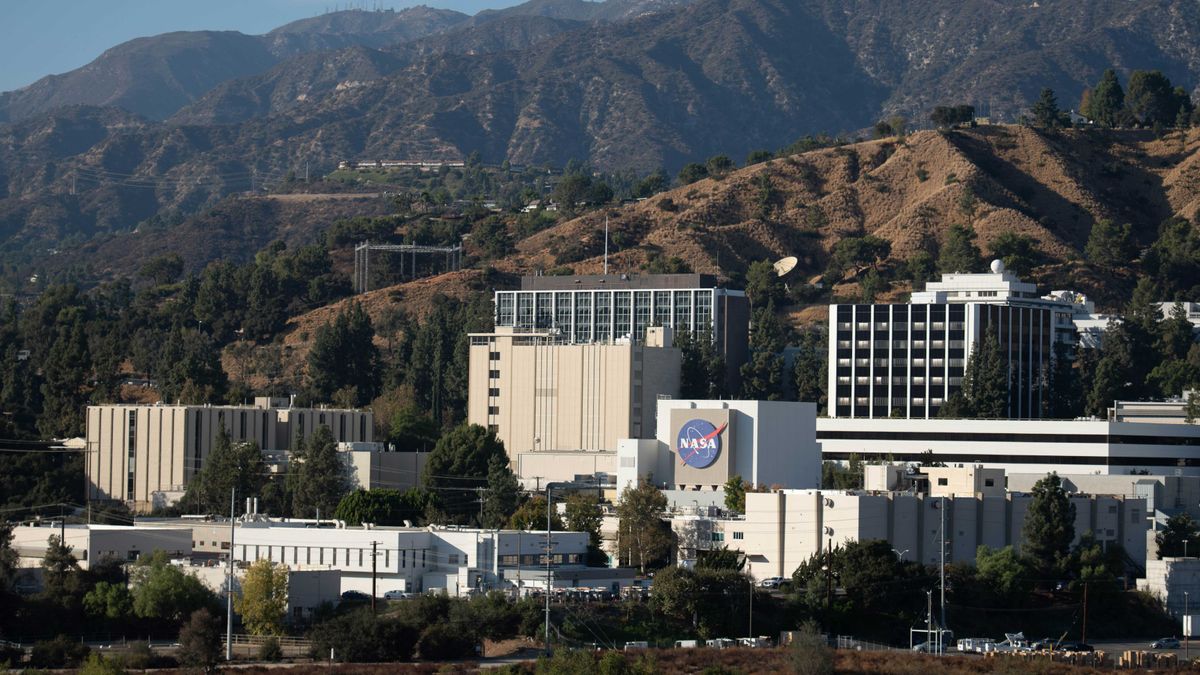
NASA's Jet Propulsion Laboratory (JPL) in Southern California is laying off about 325 employees, or 5% of its workforce, due to budget constraints. This follows a previous round of layoffs in February, which affected 8% of the workforce, partly due to funding cuts for the Mars Sample Return mission. JPL Director Laurie Leshin stated that these layoffs are necessary to maintain budget adherence and are not related to recent political events. The lab aims to stabilize its workforce at around 5,500 employees moving forward.

"Elon Musk Unveils Ambitious Plans for SpaceX Starship and Mars Colonization"
spacespace-exploration2 years ago

"Elon Musk Unveils Ambitious Plans for SpaceX Starship and Mars Colonization"

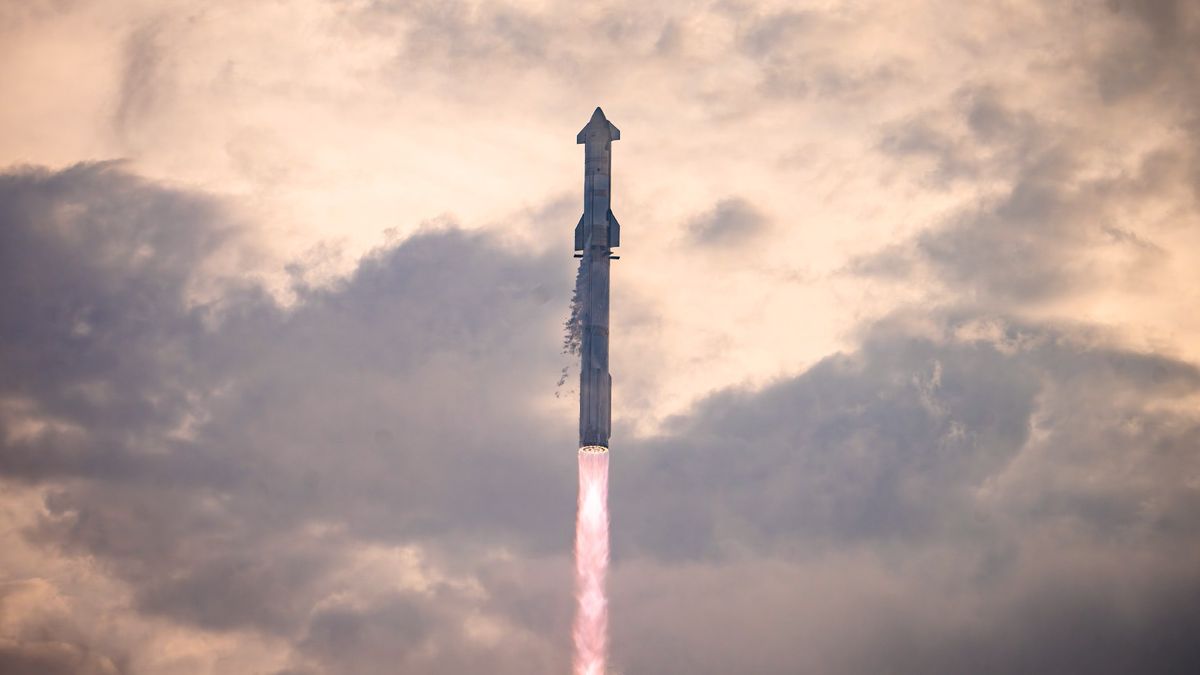
SpaceX's Elon Musk announced plans for the Starship rocket to reach a height of 500 feet, with each launch estimated to cost $3 million, as the company aims for Mars missions. The rocket's reusability and cost reduction are key focuses, with Musk emphasizing the potential for thousands of launches to support eventual settlement on Mars. Despite delays impacting NASA's Artemis program, Musk remains optimistic about Starship's capabilities and envisions a future with regular launches and a "Moon Base Alpha." The next Starship flight is expected in May, with ambitions for multiple launches this year and the construction of additional spacecraft by 2024.

"Chinese Scientists' Nuclear-Powered Starship Rivalry for Mars"
space-exploration2 years ago

"Chinese Scientists' Nuclear-Powered Starship Rivalry for Mars"

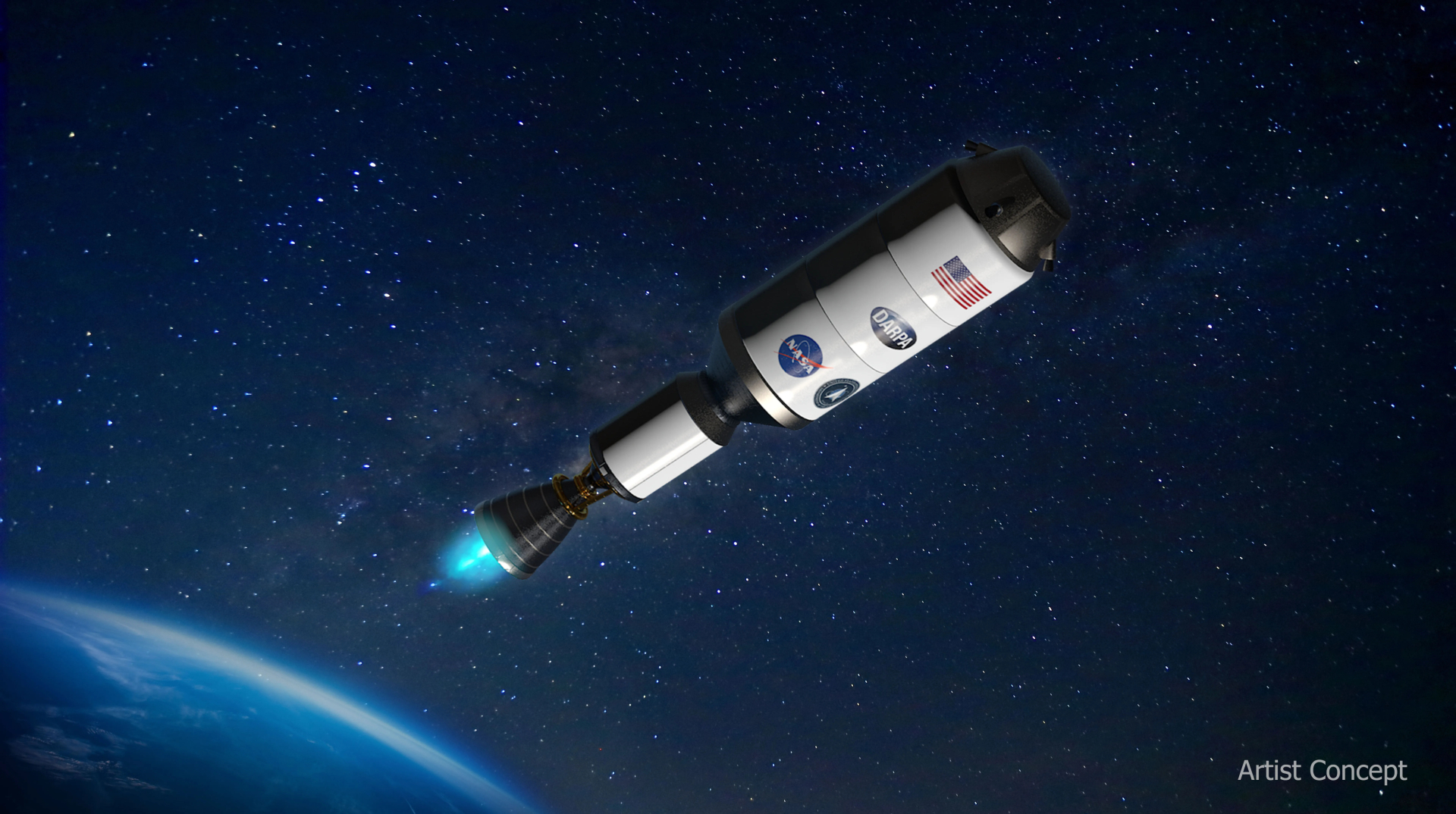
Chinese scientists have developed a prototype nuclear-powered engine for Mars missions, positioning China as a contender in the global space race. This technology offers benefits such as extended mission duration, increased efficiency, reduced travel time, enhanced power supply, and feasibility for more ambitious space exploration missions. While initial costs may be high, the long-term cost efficiency and potential for reuse make nuclear-powered spacecraft a promising advancement in space propulsion technology.