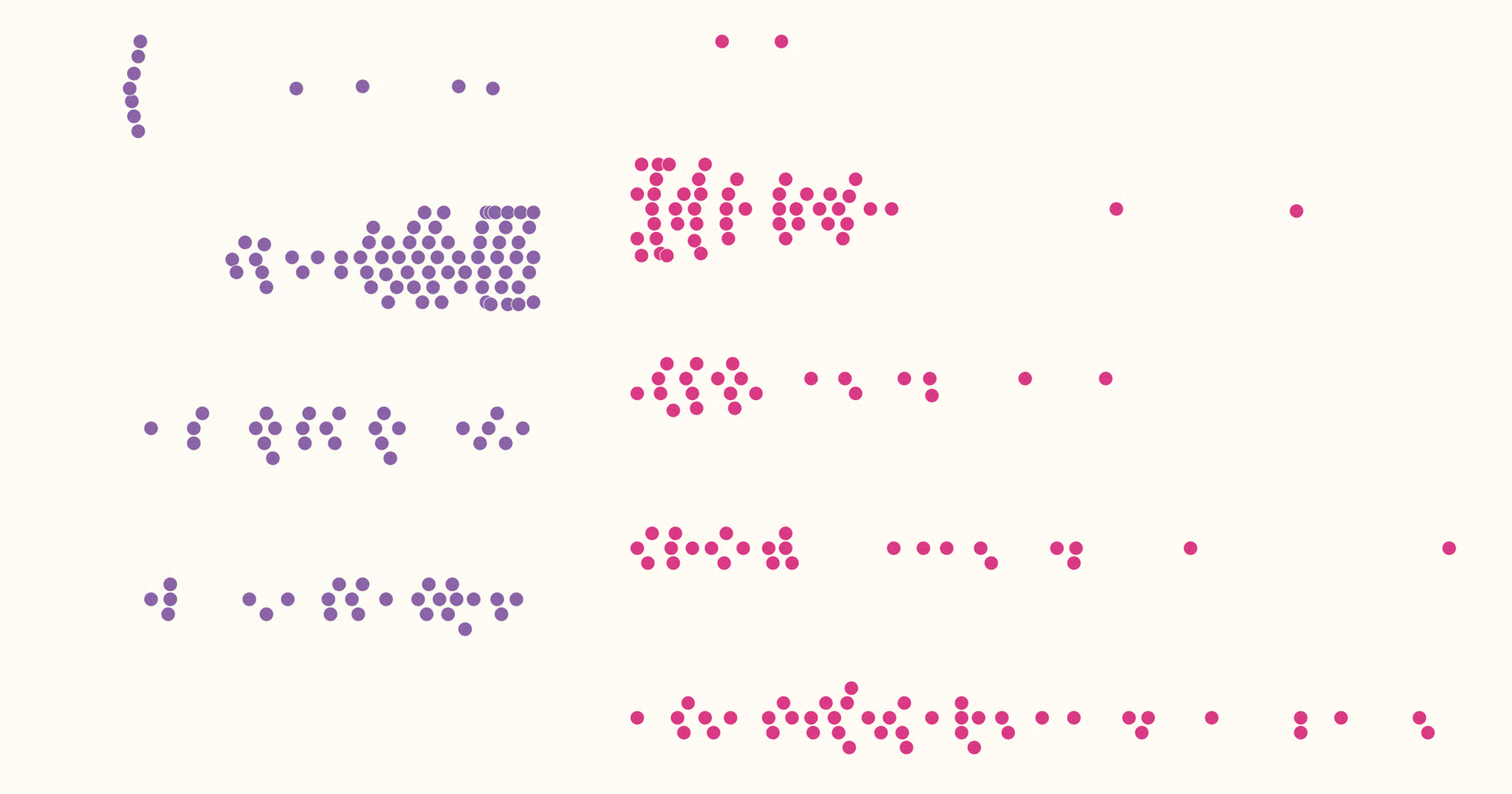
Organic Farming Wins on Biodiversity but Loses on Land Efficiency
A 2026 analysis by Our World in Data concludes that organic farming is not universally superior to conventional methods. While organic practices reduce ecotoxicity and support local biodiversity, they require 64% more land and show no significant advantage in carbon emissions or water pollution per unit of food produced. The study emphasizes that dietary choices, such as reducing meat consumption, have a far greater impact on environmental sustainability than the choice between organic and conventional farming.