Tag

H3 Rocket

All articles tagged with #h3 rocket

Japan's MMX Launches to Return First Samples from Mars' Moon Phobos
space1 month ago

Japan's MMX Launches to Return First Samples from Mars' Moon Phobos

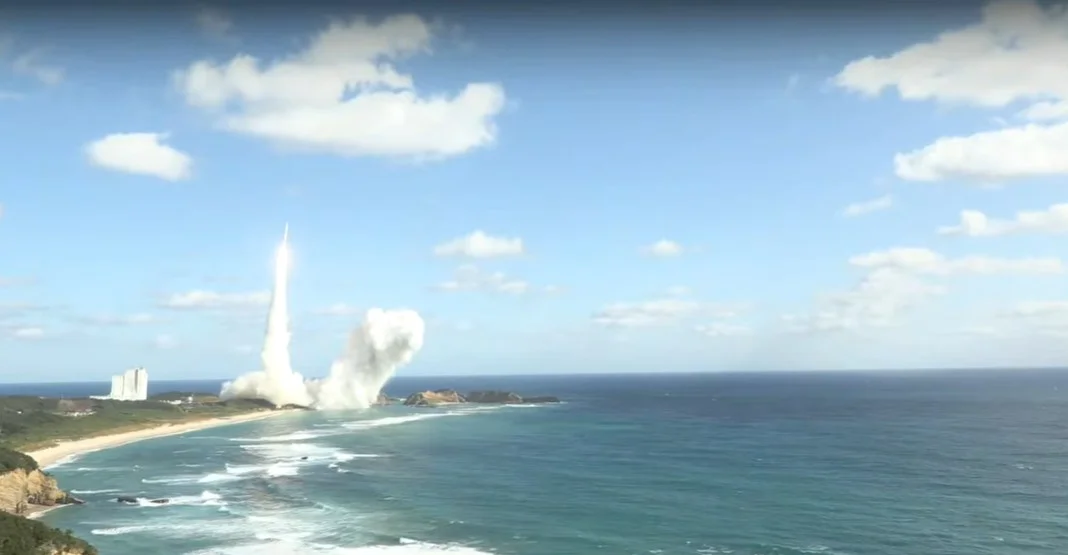
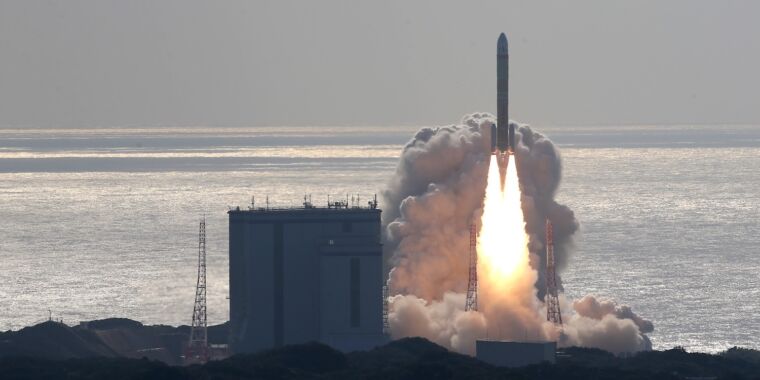
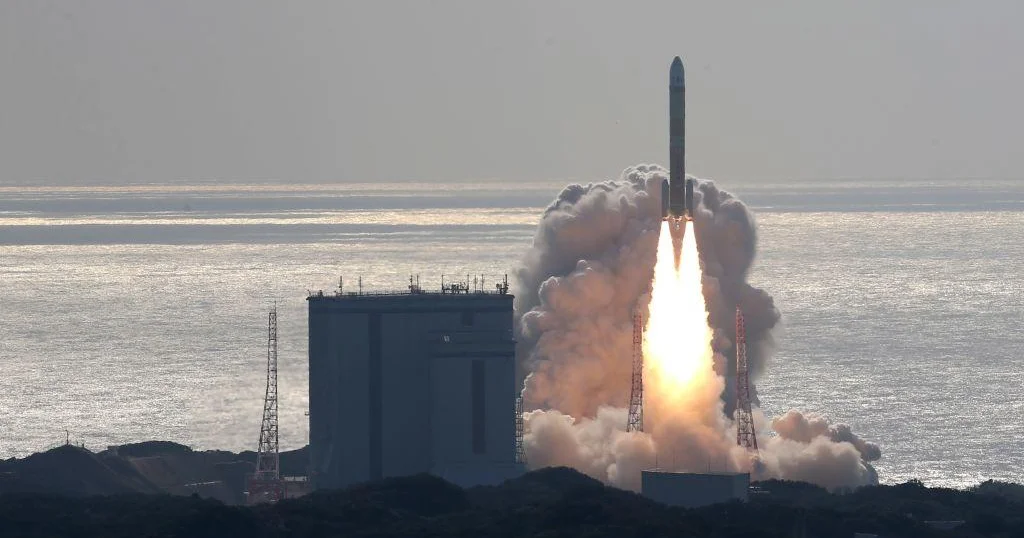
Japan's JAXA has launched the Martian Moons eXploration (MMX) mission, the first spacecraft designed to travel to Mars, land on its moon Phobos, and return samples to Earth. Launching on an H3 rocket from Tanegashima, the mission aims to resolve the origin of Mars' moons by analyzing soil composition. The spacecraft will spend three years at Mars, deploy a rover, and collect at least 10 grams of material before returning to Earth in 2031.
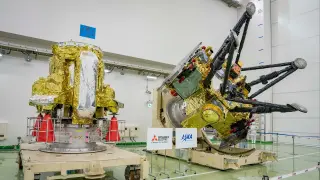
Japan Unveils MMX Spacecraft Ahead of October 19 Mars Moon Launch
space-exploration3 months ago

Japan Unveils MMX Spacecraft Ahead of October 19 Mars Moon Launch

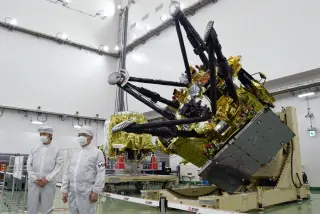
Japan’s JAXA unveiled the Martian Moons eXploration (MMX) spacecraft at Tanegashima Space Center on August 13, 2026, ahead of its scheduled launch on October 19. The mission aims to collect at least 10 grams of material from Mars’ moon Phobos and return it to Earth by 2031. This will be the first deliberate sample return from the Martian system, helping scientists determine whether Phobos formed from a giant impact or is a captured asteroid.

Japan's H3 Rocket Makes Comeback, Deploys Six Satellites on Return-to-Flight
space-exploration5 months ago

Japan's H3 Rocket Makes Comeback, Deploys Six Satellites on Return-to-Flight

Japan's JAXA successfully launched the H3 rocket on its first flight since December's failure, delivering six payloads—PETREL, STARS-X, BRO-22, VERTECS, HORN-L, and HORN-R—to their orbits from Tanegashima Space Center. The mission used the rocket's three LE-9 engines, marked the vehicle's return-to-flight, and confirmed nominal separation of all payloads about 16 minutes after liftoff, following a previous mishap caused by a damaged payload adapter.

Japanese MMX Moves to Launch Pad for Phobos Sample-Return Mission
space-exploration7 months ago

Japanese MMX Moves to Launch Pad for Phobos Sample-Return Mission

Japan’s Martian Moons eXploration (MMX) has reached Tanegashima for a late-2026 launch on the H3 rocket. The mission will collect about 10 grams from Phobos and return the samples to Earth in 2031, aided by the IDEFIX rover to scout a landing site. MMX aims to help determine whether Phobos and Deimos are captured asteroids or Mars ejecta, offering insights into Mars’ history and the inner solar system; after delays tied to H3 issues, the project targets a Mars-orbit phase in 2027 and a Phobos landing in 2029.

Japan’s H3 rocket loses 5-ton Michibiki 5 satellite after payload fairing separation
technology10 months ago

Japan’s H3 rocket loses 5-ton Michibiki 5 satellite after payload fairing separation

Japan’s eighth H3 rocket failed after its payload fairing separated, causing the roughly 5-ton Michibiki 5 navigation satellite to be lost in Pacific debris; telemetry hints at a LH2 tank pressure drop and possible damage to the satellite mounting, with investigators considering a fairing–satellite impact or residual stress as potential causes. The second stage briefly placed the vehicle in a low-altitude orbit before reentry hours later, and Japan’s MMX mission launch remains awaiting a full investigation before proceeding.

Japan’s H3 Rocket Fails to Deploy Satellite in Multiple Launches
space11 months ago

Japan’s H3 Rocket Fails to Deploy Satellite in Multiple Launches

Japan's H3 rocket experienced a second-stage failure during its seventh launch, resulting in the loss of the QZS-5 navigation satellite. The issue involved premature shutdown of the second stage engine, disrupting the planned orbit and leading to the satellite's likely reentry. This marks the second failure for the H3 rocket and impacts Japan's upcoming space missions, including a Mars moon exploration and an asteroid mission.

Japan Successfully Launches Kirameki 3 Satellite with H3 Rocket
space2 years ago

Japan Successfully Launches Kirameki 3 Satellite with H3 Rocket

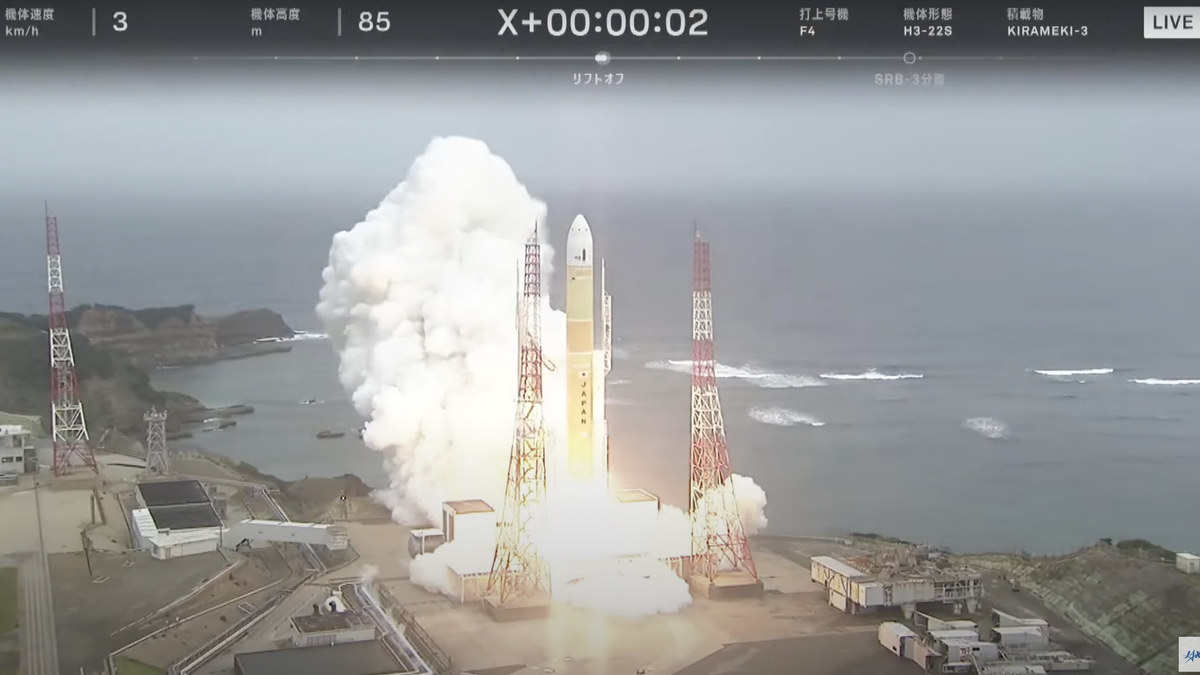
Japan's H3 rocket successfully launched the Kirameki 3 military communications satellite from Tanegashima Space Center, marking its fourth flight. The satellite, also known as DSN-3, will be used for military communications by the Japanese military and is positioned in geostationary orbit. This launch follows the H3's initial failed attempt and subsequent successful missions, solidifying its role as Japan's new medium-lift workhorse rocket.

"Japan's Successful Launch of H3 Rocket Marks Next-Generation Milestone"
space-technology2 years ago

"Japan's Successful Launch of H3 Rocket Marks Next-Generation Milestone"

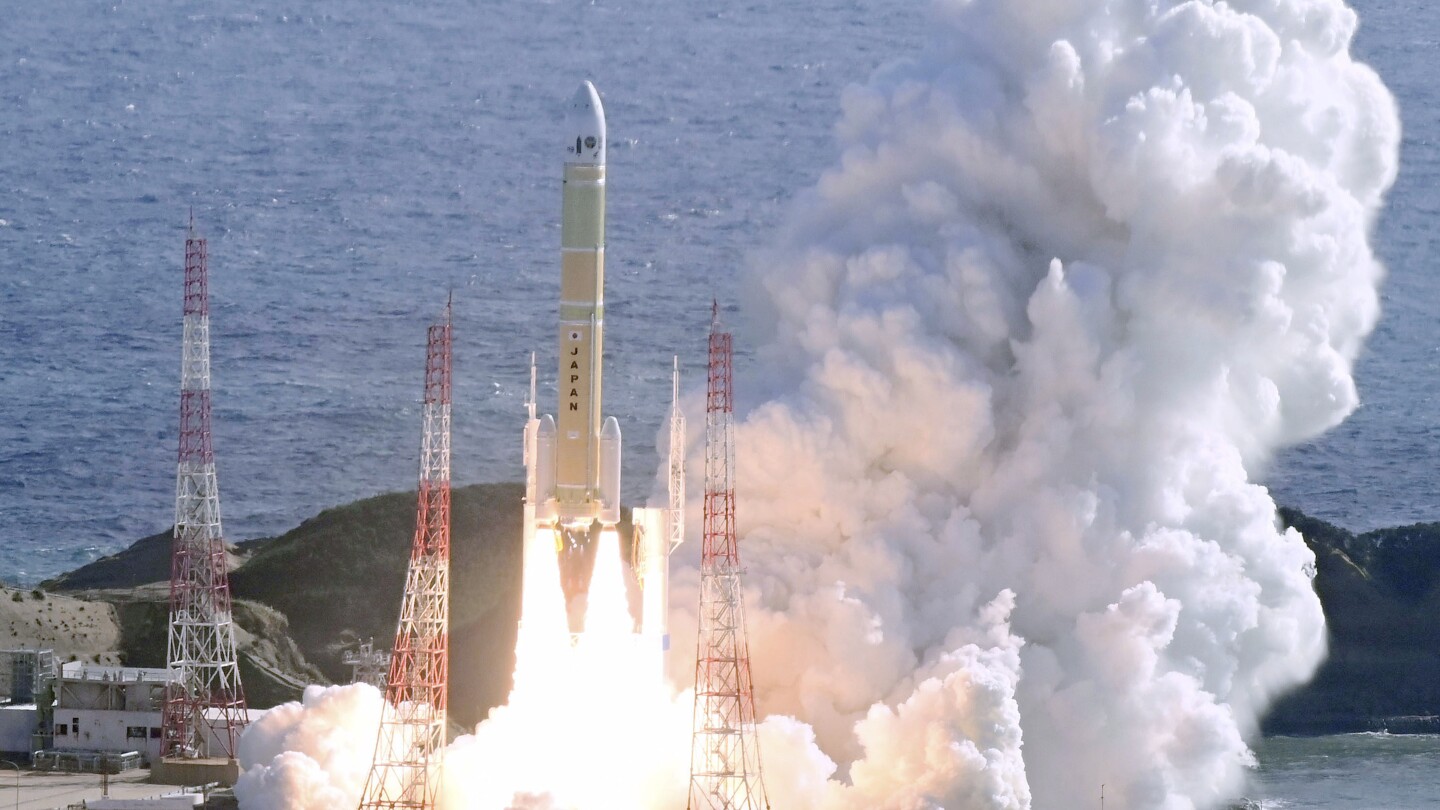
Japan's new H3 rocket successfully completed its second test flight, marking a significant milestone for the country's space program. The rocket, which is set to power most of Japan's space missions in the coming decade, demonstrated its capabilities by deploying a dummy payload and two smaller satellites into orbit. While Japan aims for the H3 to compete in the global commercial launch market, it faces tough competition from established players like SpaceX. Nonetheless, the H3 is crucial for Japan's space program, offering improved cost-effectiveness and capabilities compared to its predecessor, the H-IIA rocket.

"Japan's H3 Rocket Successfully Reaches Orbit on Second Launch"
space2 years ago

"Japan's H3 Rocket Successfully Reaches Orbit on Second Launch"

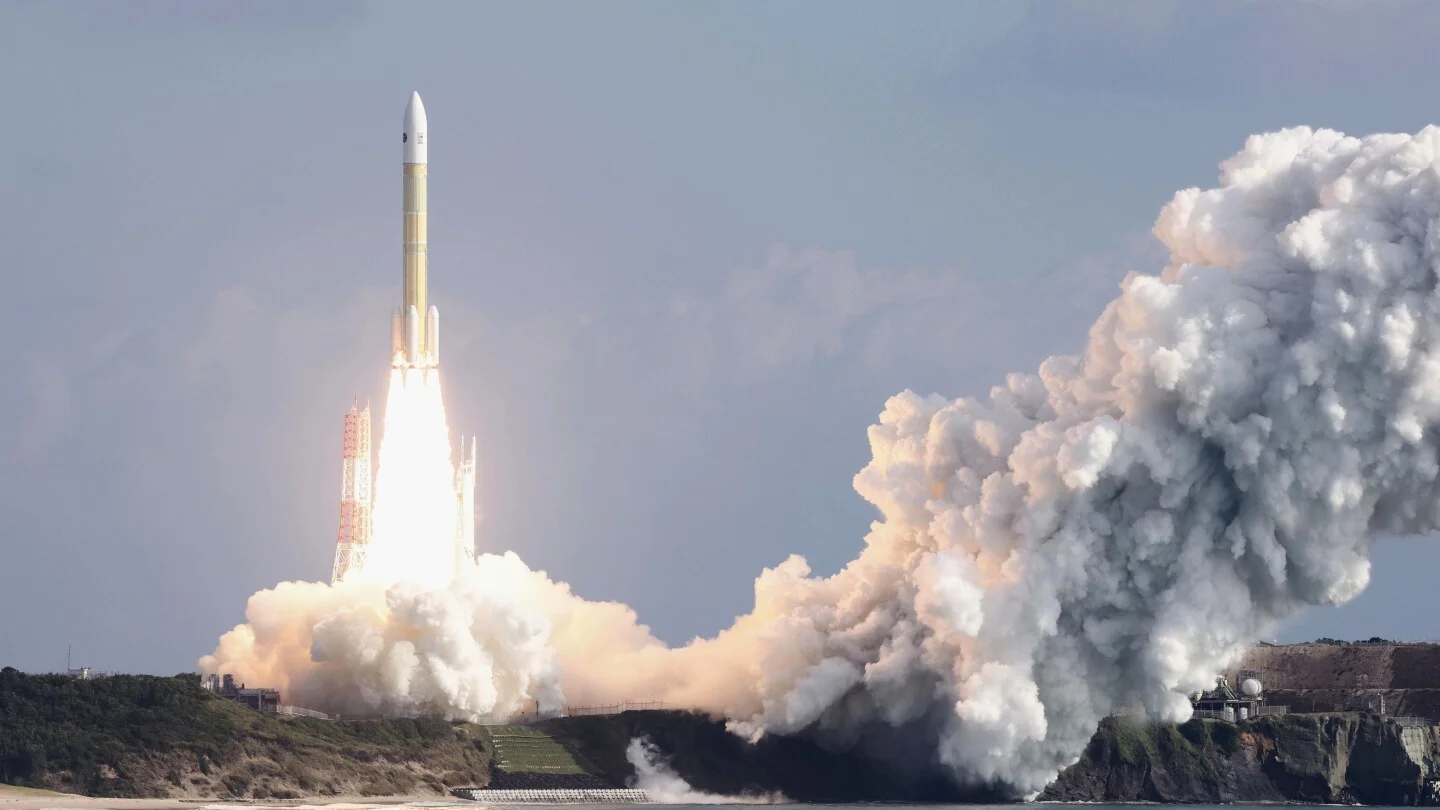
Japan's flagship H3 rocket successfully reached orbit and released two small observation satellites in its second test following a failed debut launch last year, marking a significant achievement for the country's space program. The launch is a crucial step in Japan's efforts to secure independent access to space and be competitive in the global satellite launch market. The successful mission comes after a recent streak of space successes for Japan, including a historic precision moon landing.