Tag

Europa Clipper

All articles tagged with #europa clipper

NASA Documentary 'The Europa Concept' Chronicles the 11-Year Build of the Largest Deep-Space Probe
science-and-space3 days ago

NASA Documentary 'The Europa Concept' Chronicles the 11-Year Build of the Largest Deep-Space Probe

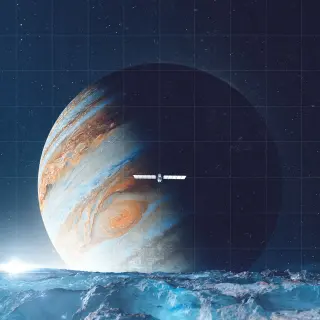
NASA released 'The Europa Concept,' a documentary detailing the decade-long effort to build and launch the Europa Clipper spacecraft. The film, available on NASA+ since November 23, 2026, highlights the engineering challenges of creating the largest planetary probe ever sent into deep space. It chronicles the mission's journey from a 2013 concept to its October 2024 launch, emphasizing the goal of assessing habitability on Jupiter's moon Europa. The documentary features insights from scientists and engineers involved in the project, showcasing the resilience required to overcome obstacles like a global pandemic and severe weather near launch day.

NASA Documentary Chronicles the 30-Year Odyssey of Europa Clipper

NASA Documentary Chronicles the 30-Year Odyssey of Europa Clipper

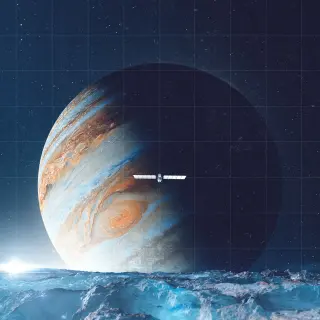
NASA released 'The Europa Concept,' a documentary detailing the 30-year effort to build and launch the agency's largest planetary spacecraft. The film, available on NASA+ since November 23, 2026, chronicles the mission's evolution from concept to its October 2024 launch, highlighting engineering challenges and the goal of assessing habitability on Jupiter's moon Europa.

Reanalysis of Hubble Data Weakens Evidence for Europa's Water Plumes
science2 months ago

Reanalysis of Hubble Data Weakens Evidence for Europa's Water Plumes

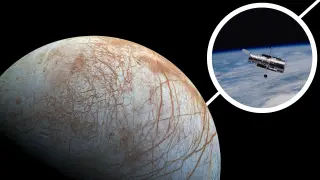
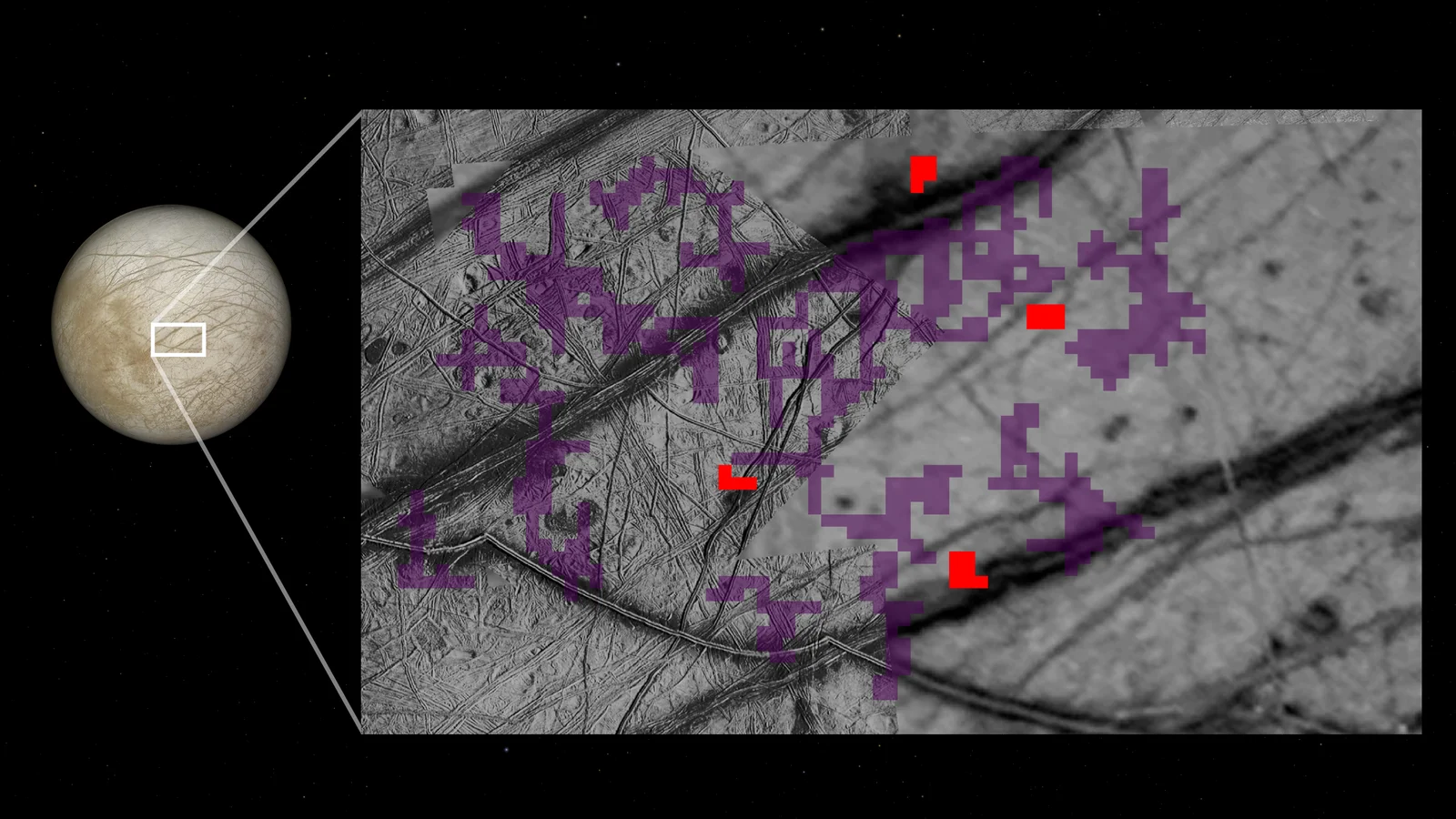
A 2026 reanalysis of 14 years of Hubble data by the original 2014 research team has reduced confidence in the existence of localized water plumes on Jupiter's moon Europa from 99.9% to below 90%. The study suggests the 2012 signal was likely statistical noise or diffuse hydrogen emission rather than a geyser. While physical plumes remain plausible, no conclusive observation linking surface vents to the subsurface ocean has been achieved.

17-Spacecraft Network Reveals Hidden Asymmetry in December 2024 Solar Eruption
space3 months ago

17-Spacecraft Network Reveals Hidden Asymmetry in December 2024 Solar Eruption

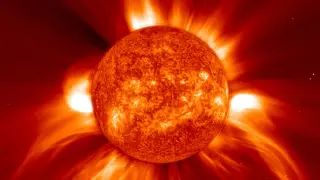
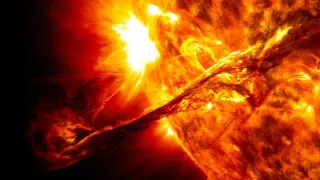
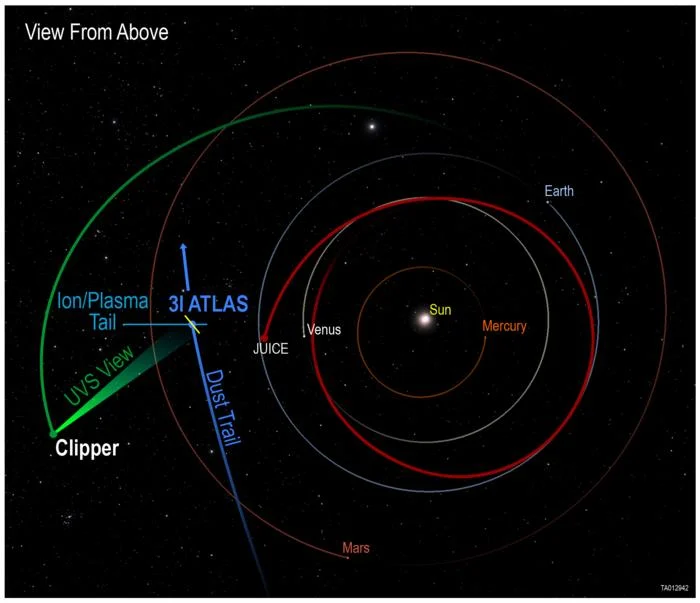
A record-breaking network of 17 spacecraft tracked a complex, asymmetric coronal mass ejection (CME) from the Sun on December 15, 2024, revealing a hidden component that threatened Earth and Mars. Led by Adrienn Luspay-Kuti of Johns Hopkins University Applied Physics Laboratory, the study used data from missions like Europa Clipper, MAVEN, and STEREO-A to map the CME’s irregular shape, which previous single-line observations missed. The findings, published in Science Advances, highlight critical blind spots in space-weather forecasting that could endanger future crewed missions.

Solar Storm Blind Spots Threaten Future Crewed Missions
space3 months ago

Solar Storm Blind Spots Threaten Future Crewed Missions

Recent research reveals critical gaps in space weather forecasting. A December 2024 coronal mass ejection (CME) detected by NASA’s Europa Clipper showed that asymmetric solar eruptions can bypass Earth-based predictions. Meanwhile, analysis of the May 2024 solar storm highlights how complex magnetic waves near Earth can disrupt GPS and power grids, underscoring the need for expanded monitoring networks to protect future crewed missions.

Europa Clipper’s Journey to Jupiter Faces New Challenges from Ice Shell Barriers
space-exploration3 months ago

Europa Clipper’s Journey to Jupiter Faces New Challenges from Ice Shell Barriers

NASA’s Europa Clipper, launched in October 2024, is currently traversing a 1.8-billion-mile trajectory toward Jupiter, utilizing gravity assists from Mars and Earth to reach the moon by April 2030. The mission aims to assess whether Europa’s subsurface ocean, which may hold more water than Earth’s combined oceans, possesses conditions suitable for life. However, recent simulations suggest the moon’s ice shell may be a more effective barrier than previously thought, potentially preventing direct exchange between the deep ocean and the surface. While Clipper will conduct 49 flybys to map the ice and ocean, it cannot drill or directly detect life, focusing instead on habitability indicators.

New Simulations Suggest Europa's Ice Shell May Block Ocean Water From Reaching the Surface
space3 months ago

New Simulations Suggest Europa's Ice Shell May Block Ocean Water From Reaching the Surface

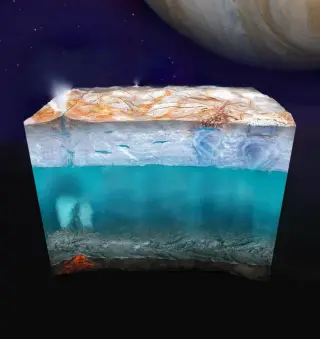
A new study in Nature Astronomy suggests that liquid water from Europa's subsurface ocean likely cannot rise through its ice shell to form shallow surface pockets. Led by Rutgers University scientist Lujendra Ojha, the research indicates that turbulent flow and rapid heat loss cause fractures to freeze shut within hours. This finding complicates the strategy for NASA's Europa Clipper mission, which plans to detect shallow water reservoirs as proxies for the deep ocean. While the moon's ocean remains liquid due to tidal heating, the ice shell may act as a stronger barrier than previously assumed, meaning any detected shallow water might originate from local melting rather than the global ocean.

Europa's Buried Ocean: Galileo’s Point Sparks a Vast Subsurface Sea
science4 months ago

Europa's Buried Ocean: Galileo’s Point Sparks a Vast Subsurface Sea

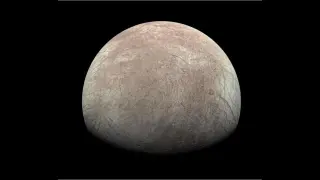
From Galileo's 1610 sighting of a tiny moon near Jupiter, scientists now consider Europa to host a global salty ocean buried under kilometers of ice, potentially larger than Earth's oceans. Magnetic data and surface geology suggest a 60–150 km-deep ocean under a 15–25 km ice shell, but no direct samples exist yet. NASA's Europa Clipper will study the ice shell, ocean, and chemistry to assess habitability without drilling through the ice or directly seeking life.

Europa plume claims lose steam after reanalysis
space6 months ago

Europa plume claims lose steam after reanalysis

A 14-year reanalysis of Hubble data casts doubt on Europa’s previously claimed water vapor plumes, lowering confidence from about 99.9% to under 90% and suggesting the earlier detections may have been due to data placement noise; the team says plumes can’t be ruled out, but the question may be settled by NASA’s Europa Clipper mission expected to arrive in 2030.

Track Four Legendary Probes Across January’s Night Sky
stargazing10 months ago

Track Four Legendary Probes Across January’s Night Sky

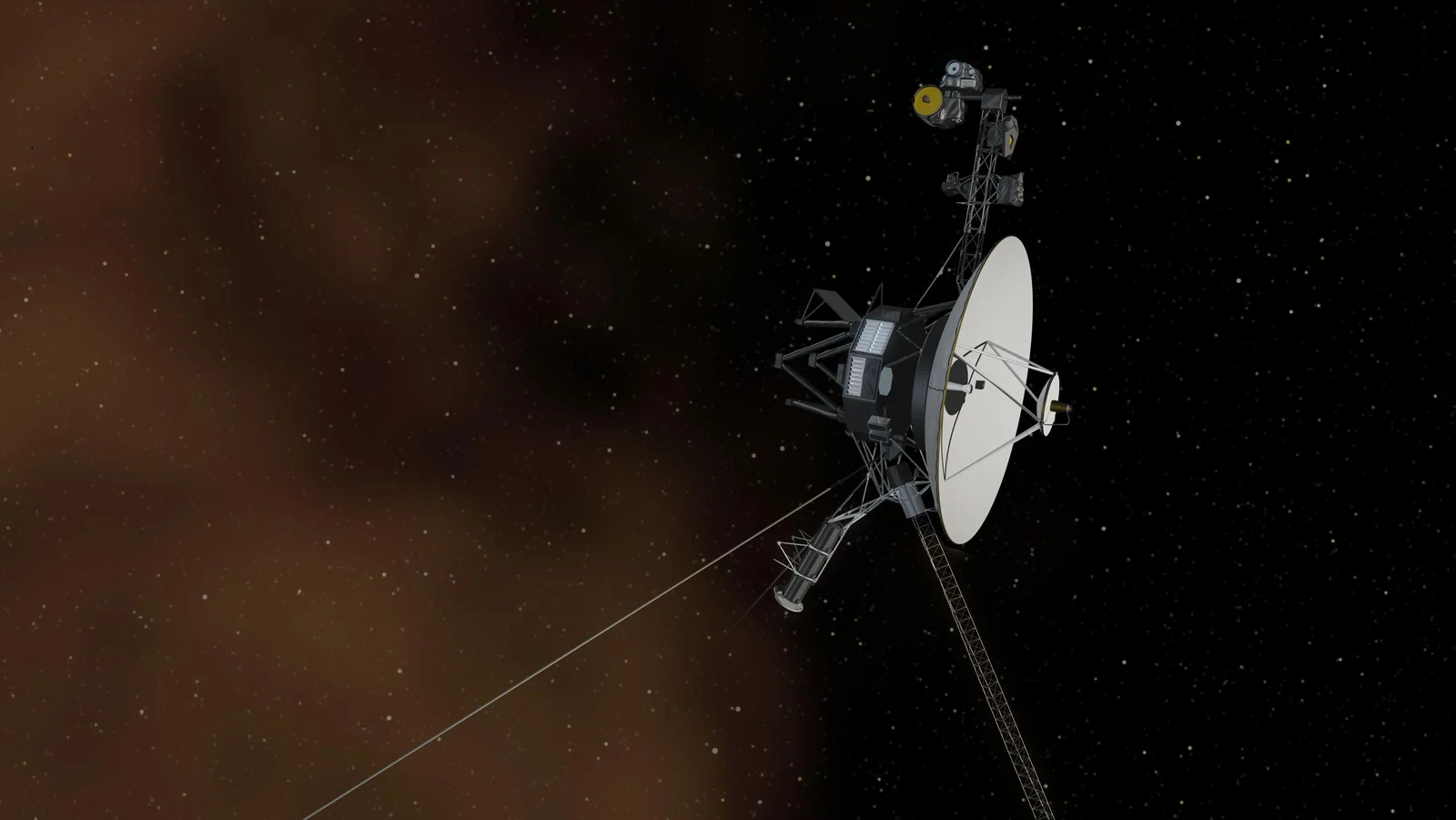
Space.com guides readers to spot four legendary spacecraft—James Webb Space Telescope (JWST), Europa Clipper, JUICE, and Voyager 1—in January’s night sky, with finder charts and timing tips (including JWST’s path from Orion toward Jupiter and the planet’s January opposition). The piece also suggests using timeanddate or stargazing apps (Starry Night, Stellarium) for precise rise/set times and locations, and adds bonus targets around Orion’s Belt and the Orion Nebula.