Tag

Mosasaur

All articles tagged with #mosasaur

New Apex Predator Unearthed: Mosasaur Reclassified as Tylosaurus rex
science3 days ago

New Apex Predator Unearthed: Mosasaur Reclassified as Tylosaurus rex

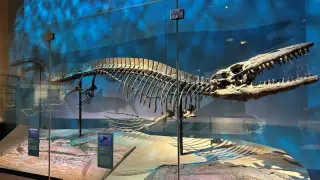
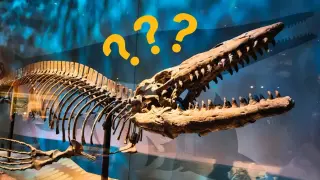
A Perot Museum mosasaur specimen, previously identified as Tylosaurus proriger, has been reclassified as a new species, Tylosaurus rex, making it a 13.2-meter-long apex predator with a powerful jaw and serrated teeth; researchers also reassigned 12 other large mosasaurs to T. rex, prompting a rethink of mosasaur evolution and the diversity of Late Cretaceous oceans.

New 43-Foot Mosasaur, Tylosaurus rex, Rewrites Sea Predator History
paleontology5 days ago

New 43-Foot Mosasaur, Tylosaurus rex, Rewrites Sea Predator History

Paleontologists describe a gigantic new mosasaur, Tylosaurus rex, up to 43 feet long with serrated teeth, discovered mainly in Texas. Larger than the previously known Tylosaurus proriger, it indicates a formidable open-water predator in North America’s Western Interior Seaway, with several famous museum specimens reclassified under the new species and findings published in the Bulletin of the American Museum of Natural History.

New Sea Tyrant: Meet Tylosaurus rex, a 43-foot Mosasaur
science5 days ago

New Sea Tyrant: Meet Tylosaurus rex, a 43-foot Mosasaur

Scientists describe a new mosasaur species, Tylosaurus rex, from 80-million-year-old Texas fossils that could reach about 43 feet in length, possessed finely serrated teeth and powerful jaws, and likely dominated ancient seas; several specimens previously labeled as Tylosaurus proriger have been reclassified as this new species, highlighting ongoing revisions in mosasaur evolution and the Western Interior Seaway ecosystem.

The Largest Egg: An Unexpected Animal's Surprise
science8 months ago

The Largest Egg: An Unexpected Animal's Surprise

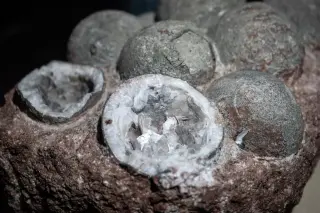
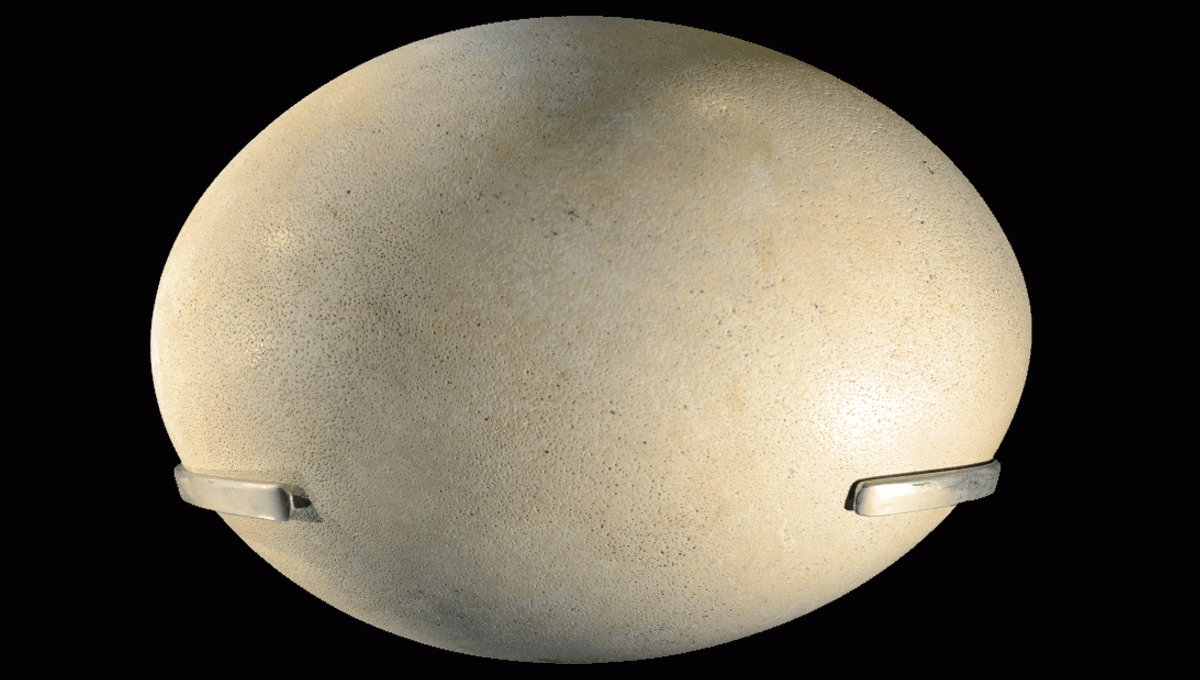
The largest eggs of any animal were laid by the extinct elephant bird Aepyornis maximus, weighing up to 1,000 kg, with fossil evidence suggesting even larger eggs from marine reptiles like mosasaurs. Currently, ostrich eggs are the largest among living birds, weighing about 2.6 kg. The article explores various giant eggs from extinct species and their significance in understanding animal evolution.

"Demonic Sea Monster: Unveiling the World's Nastiest Prehistoric Reptile"
paleontology2 years ago

"Demonic Sea Monster: Unveiling the World's Nastiest Prehistoric Reptile"

Fossilized remains found in Morocco have revealed a new species of mosasaur, Khinjaria acuta, described as terrifying, nightmarish, and hideously ugly due to its large size, robust jaws, and bladelike teeth, suggesting it was an apex predator that could expand its lower jaws to eat huge prey. The creature, about eight meters long, is considered one of the world's nastiest prehistoric reptiles, joining the ranks of other bizarre-looking ancient creatures.

"Monstrous Sea Lizard with Dagger-like Teeth Unearthed in Moroccan Mine"
paleontology2 years ago

"Monstrous Sea Lizard with Dagger-like Teeth Unearthed in Moroccan Mine"

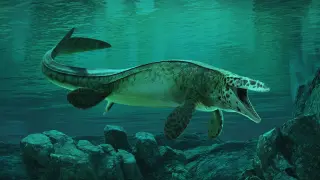
Paleontologists in Morocco have unearthed the fossilized remains of a previously unknown marine lizard, named Khinjaria acuta, from the Cretaceous period. Measuring about 26 feet long with dagger-like teeth, this fearsome predator hunted in the Atlantic Ocean off the coast of Africa some 66 million years ago. Belonging to the Mosasauridae family, its discovery adds to the diversity of top marine predators at the end of the Cretaceous, shedding light on the variety of hunting strategies among these ancient creatures.

Ancient Sea Lizard with Dagger-Like Teeth: A Nightmarish Discovery
paleontology2 years ago

Ancient Sea Lizard with Dagger-Like Teeth: A Nightmarish Discovery

Researchers have discovered a new species of mosasaur, a giant sea lizard with dagger-like teeth, that lived during the Late Cretaceous period. Named Khinjaria acutus, this fearsome marine predator had a short face, long skull, and powerful jaws with teeth resembling daggers. Fossils of this creature were found in Morocco and date back to around 67-69 million years ago. The discovery sheds light on the diverse marine ecosystem of the Late Cretaceous and the predatory behavior of mosasaurs before they were wiped out by a mass extinction event.

"Unveiling the Ancient 'Blue Dragon': Japan's Terrifying Prehistoric Sea Predator"
paleontology2 years ago

"Unveiling the Ancient 'Blue Dragon': Japan's Terrifying Prehistoric Sea Predator"

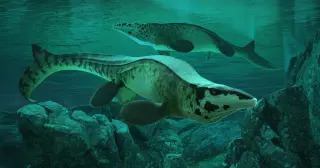
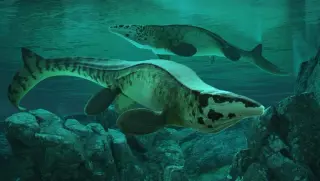
Scientists have discovered the Wakayama Soryu, a giant aquatic lizard that dominated the Pacific seas 72 million years ago. As big as a Great White Shark, this unique creature had four large flippers and a dorsal fin, making it different from other mosasaurs. The most complete mosasaur ever found in Japan, the Wakayama Soryu had rear flippers larger than its front and used its large front fins for rapid maneuvering. Its massive tail provided acceleration, making it a deadly predator. This discovery challenges our understanding of how mosasaurs swam and sheds light on the prehistoric marine ecosystem.