Tag

Freshwater

All articles tagged with #freshwater

Transmissible Melanoma Detected in Freshwater Catfish
science1 month ago

Transmissible Melanoma Detected in Freshwater Catfish

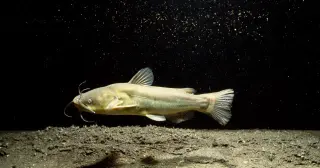
Researchers identified the first known cancer transmissible among freshwater fish in Lake Memphremagog: a clonal melanoma in brown catfish that shares a tumor-specific genetic identity across individuals. Genome sequencing showed tumor cells were more related to each other than to their hosts, suggesting the cancer itself spreads between fish rather than arising independently. No virus or bacteria was linked, though several transmission pathways are proposed (e.g., close contact during spawning or tumor cells persisting in water). Arsenic levels correlate with cancer distribution but are not proven causal. The finding could offer new insights into how cancers survive and spread.

Antarctica: the cold desert guarding Earth's largest freshwater reserve
science1 month ago

Antarctica: the cold desert guarding Earth's largest freshwater reserve

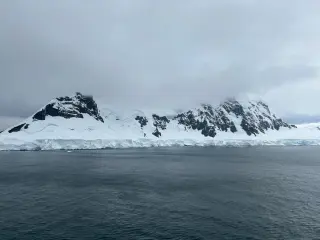
Antarctica is a desert by precipitation, receiving less than 250 mm annually, yet it stores about 70% of Earth's fresh water in an ice sheet averaging over two kilometres thick. The interior's extreme dryness and cold allow snow to accumulate and compress into ancient ice that records climate history in cores like Vostok. Warming could bring more snowfall inland but intensify coastal ice loss, notably from Thwaites Glacier, with potential sea-level rise around 58 metres if all Antarctic ice melted—though that would occur on millennial timescales. The continent's high, cold plateau is the key to this paradox and Earth's largest freshwater reservoir.

Most of Earth's freshwater is locked in Antarctic ice, leaving only a sliver readily accessible
environment2 months ago

Most of Earth's freshwater is locked in Antarctic ice, leaving only a sliver readily accessible

More than two-thirds of Earth's freshwater is frozen in ice caps and glaciers, with Antarctica alone holding about 70% of all fresh water (roughly 28–30 million cubic km). While the global stock is vast, the portion that is easily usable is tiny—about 1% of total freshwater—leaving the majority of water either locked in ice or buried too deep for practical extraction. Groundwater accounts for roughly 30% of freshwater, but much of it is not readily pumpable; the upshot is that water security depends on access and distribution, not total supply.

Deep Atlantic Drill Uncovers a Vast Undersea Freshwater Reservoir
science3 months ago

Deep Atlantic Drill Uncovers a Vast Undersea Freshwater Reservoir

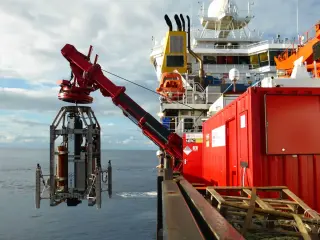
A three-month expedition near Nantucket and Martha’s Vineyard drilled as deep as 1,300 feet below the Atlantic seafloor and recovered about 13,200 gallons of freshwater, confirming a large reservoir that stretches from offshore New Jersey to Maine and could theoretically supply New York City for around 800 years. While the freshwater appears present in several sediment types, accessing and safely using it would be technically complex, expensive, and potentially harmful to marine ecosystems, so researchers are still estimating the reservoir’s size, connections to onshore aquifers, and whether it’s being replenished.

Massive Hidden Freshwater Layer Detected Beneath Great Salt Lake
science4 months ago

Massive Hidden Freshwater Layer Detected Beneath Great Salt Lake

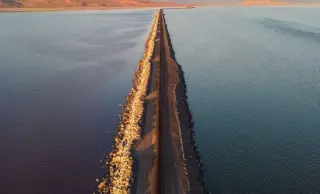
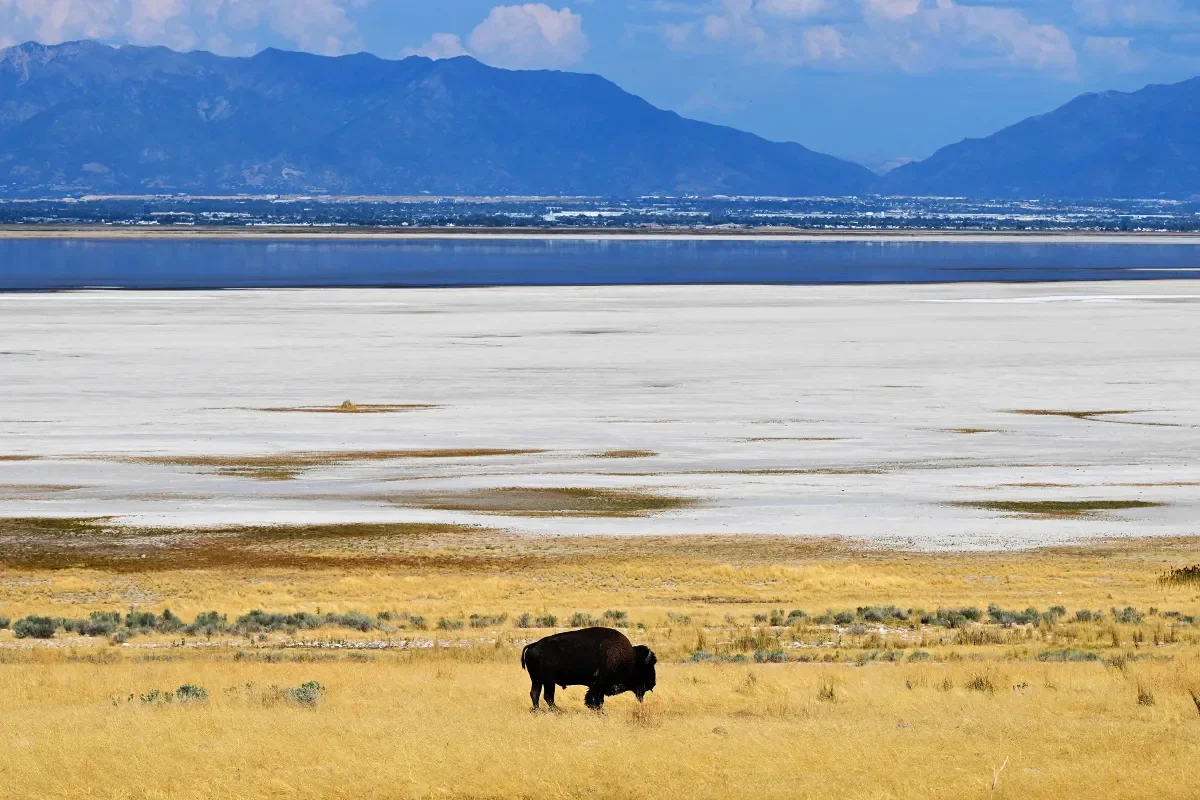
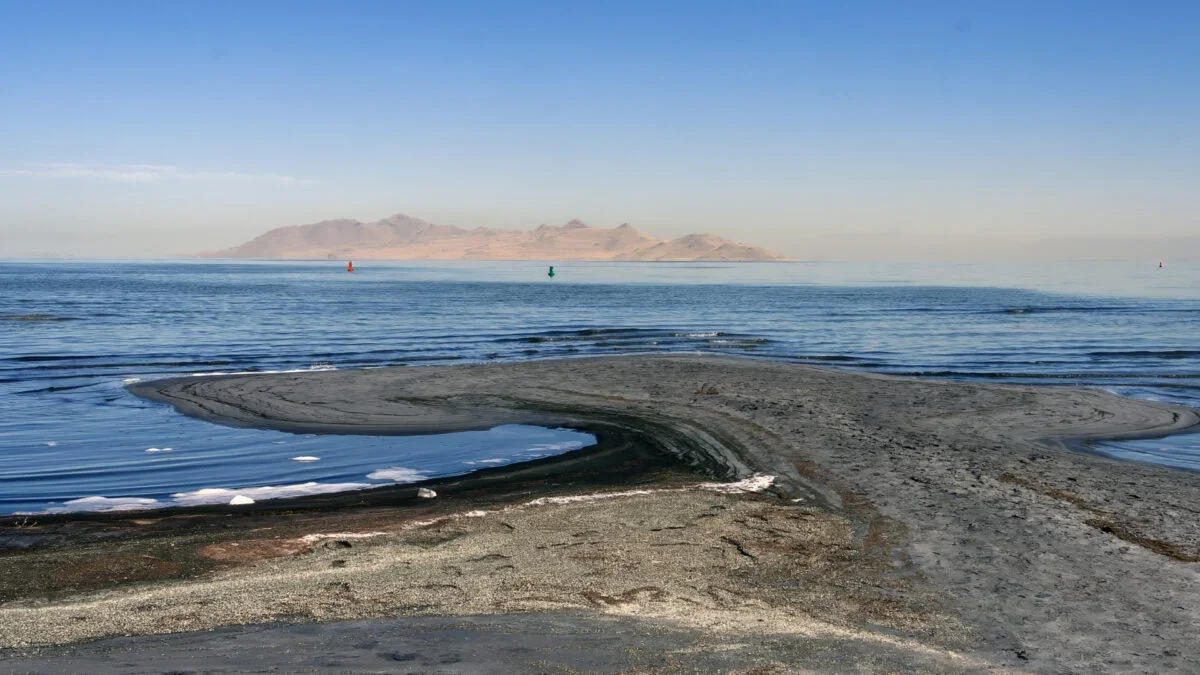
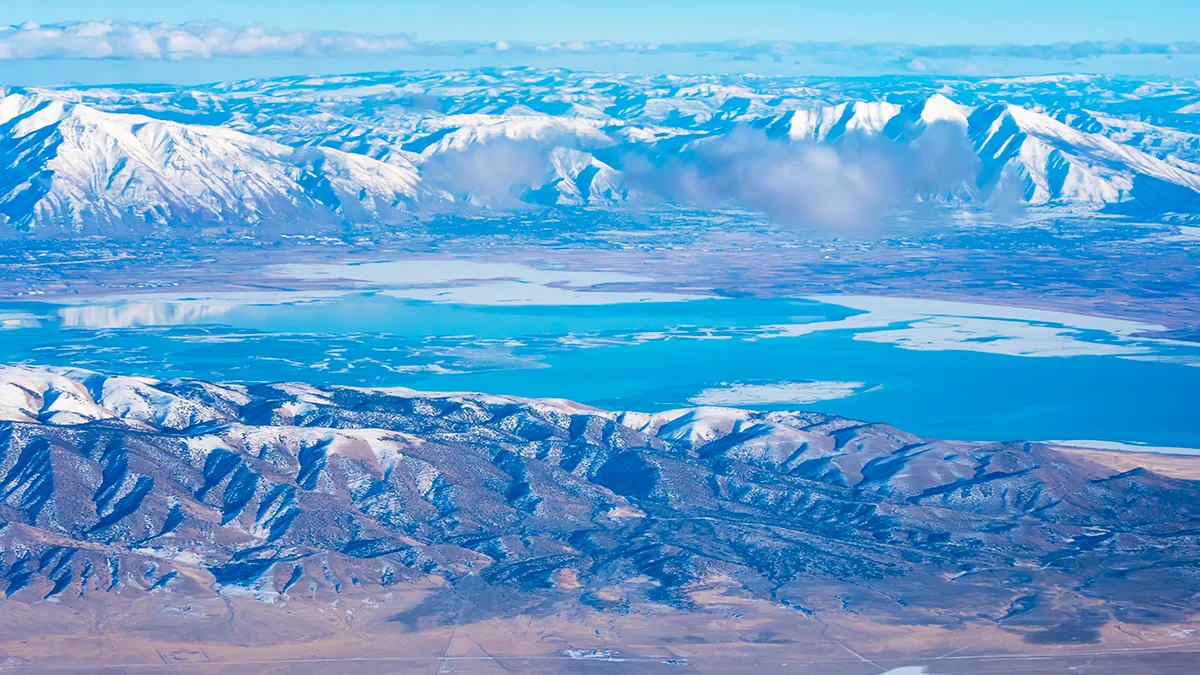
Scientists using an airborne electromagnetic survey have identified a continuous freshwater reservoir beneath Utah’s Great Salt Lake, spanning from about 100 meters (330 feet) down to 4 kilometers (2.5 miles) deep and potentially as large as the lake itself. The freshwater likely originates from mountain snowmelt and is trapped by impermeable rock layers, with some spots approaching the surface where reeds grow. While it could help damp dust and inform water management, researchers emphasize more widespread surveying is needed before considering extraction.

Hidden Freshwater Beneath Great Salt Lake Could Help Douse Dust
earth-science5 months ago

Hidden Freshwater Beneath Great Salt Lake Could Help Douse Dust

An airborne electromagnetic survey by University of Utah researchers found a deep freshwater reservoir beneath the shrinking Great Salt Lake, extending 3–4 kilometers (10,000–13,000 feet) below the saline lake and possibly reaching toward its interior. The discovery could help mitigate dust pollution by wetting hotspots, though scientists aim to map the lake’s full footprint to quantify the freshwater resource and its ecological implications.

Underground Freshwater Vault Discovered Beneath Great Salt Lake
science5 months ago

Underground Freshwater Vault Discovered Beneath Great Salt Lake

Researchers using airborne electromagnetic surveys and magnetic data mapped beneath Utah’s Great Salt Lake and uncovered a large, previously unknown freshwater reservoir that extends deep into the basin, challenging the idea that the lake is fully saline. The find suggests mountain-fed freshwater can infiltrate far beneath the surface and may offer new options for drought and dust mitigation, though surveys are incomplete and sustainable use requires caution; the study, published in Scientific Reports, emphasizes the need to survey the entire lake to determine the reservoir’s true extent.

Hidden Freshwater Reservoir Detected Beneath the Great Salt Lake
science5 months ago

Hidden Freshwater Reservoir Detected Beneath the Great Salt Lake

Airborne electromagnetic data reveal a large freshwater reservoir beneath the Great Salt Lake, with a deep bedrock depression and sediment-filled zones that could store significant water across roughly 2,500 square kilometers and up to 3–4 kilometers deep; researchers plan broader surveys to map the extent and explore uses for dust mitigation and water management.

Southern Indian Ocean Rapid Freshening Rewrites Ocean Circulation
science5 months ago

Southern Indian Ocean Rapid Freshening Rewrites Ocean Circulation

Six decades of observations show a historically salty patch in the Southern Indian Ocean is losing salt at a rapid pace, with the high-salinity region shrinking about 30% over the past 60 years as freshwater from the Indo-Pacific pool is transported southward by shifts in atmospheric circulation; scientists estimate the freshwater input is roughly 60% of Lake Tahoe’s annual inflow each year, gradually diluting surface waters and affecting global ocean circulation, including the Atlantic Meridional Overturning Circulation, though the study notes the freshening is a gradual process rather than a single dramatic event.

Revolutionary Desalination Tech Promises Global Freshwater Access
science-and-technology1 year ago

Revolutionary Desalination Tech Promises Global Freshwater Access

Researchers from the University of South Australia have developed a breakthrough desalination technology using a floating photothermal hydrogel evaporator with clay minerals, achieving seawater evaporation rates 18.8% higher than pure water. This innovation, which enhances the efficiency of solar-powered desalination, could significantly alleviate global freshwater shortages affecting billions, by providing a sustainable and energy-efficient alternative to traditional methods that are energy-intensive and environmentally harmful.

NASA Warns of Alarming Global Freshwater Decline
environment1 year ago

NASA Warns of Alarming Global Freshwater Decline

A new study using NASA satellite data reveals a significant decline in Earth's freshwater levels, with a loss of 290 cubic miles since 2015, equivalent to emptying Lake Erie two and a half times. This decline, linked to climate change and exacerbated by El Niño events, suggests a potential long-term global drying trend. The study highlights the increasing stress on water systems affecting nearly 3 billion people and over half of global food production, raising concerns about future water availability.

Global Freshwater Crisis: Alarming Decline and Imbalance
environment1 year ago

Global Freshwater Crisis: Alarming Decline and Imbalance

A study using NASA-German satellite data reveals a significant drop in Earth's freshwater levels since May 2014, suggesting a shift to a drier phase for the continents. The decline, linked to major droughts and a significant El Niño event, has persisted despite the event's end, with global warming potentially exacerbating the issue. This reduction in freshwater poses risks of famine, conflict, and disease, as highlighted by a UN report on water stress.